














Bird Feeder Cleaning Products
Bird feeder hygiene is an essential part of safe, responsible feeding. Regular cleaning helps to limit the spread of disease and keep your garden birds healthy.
When large numbers of birds gather at feeding stations, there is a higher risk of contamination from droppings and leftover food. Without proper cleaning, this can lead to the spread of harmful bacteria as well as fungal growths. Using the right bird feeder cleaning products will help to keep your feeding area hygienic and safe.
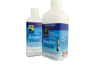
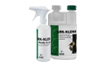
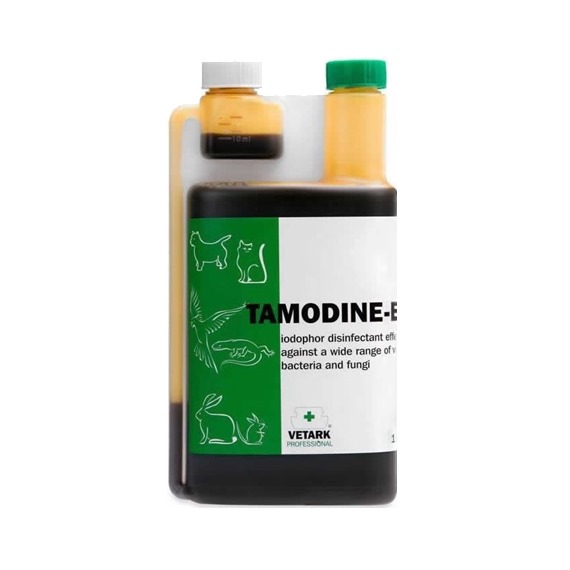
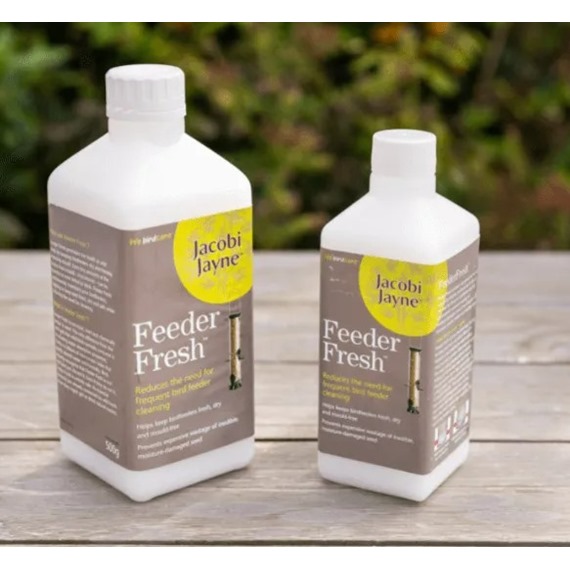
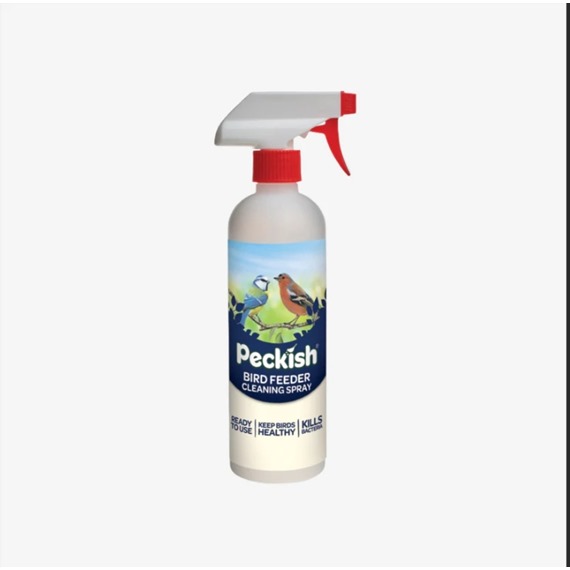
Here at Really Wild Bird Food, we stock a great selection of bird feeder hygiene products that are designed for both routine maintenance and more thorough disinfecting. These products can be used to sanitise a wide range of feeders and bird baths.
Looking for expert advice? Scroll down to learn more about proper bird feeder hygiene – or send a question to Lesley, our resident vet!

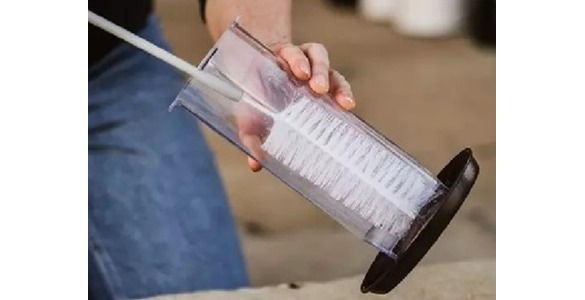
Bird Feeder Hygiene
It's great to support your local bird population by putting food out for them, but remember: poorly-maintained feeding areas can encourage the spread of disease.
Regularly cleaning your feeders and bird baths helps to reduce contamination from droppings, old food and moisture, which in turn helps to keep your feathered friends safe and healthy.
When birds gather in large numbers around the same food source, harmful bacteria can start to build up. Diseases such as salmonellosis can spread when feeding surfaces become contaminated with faecal matter, so it's important to clean and disinfect regularly using the correct tools.
LEARN MORE: What Diseases Affect UK Bird Populations?

Bird Feeder Hygiene FAQs
- How often should I clean my bird feeders?
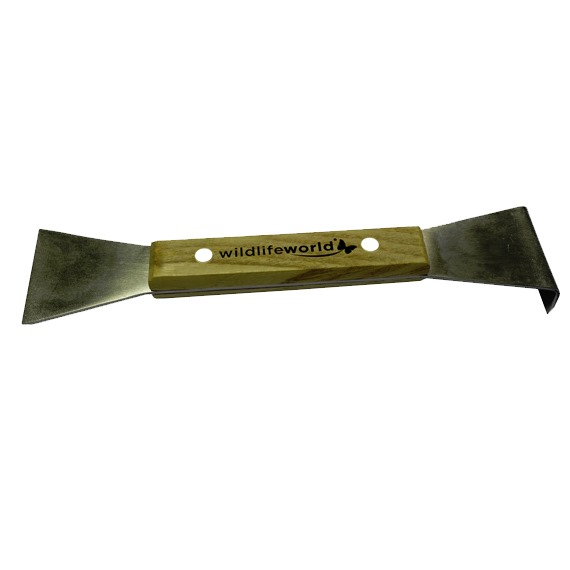
Feeding surfaces should be scraped regularly to remove any droppings and old food – once a week at the very least, and if your feeding area sees a lot of activity, this may need to be a daily task.
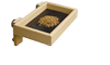
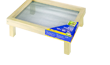
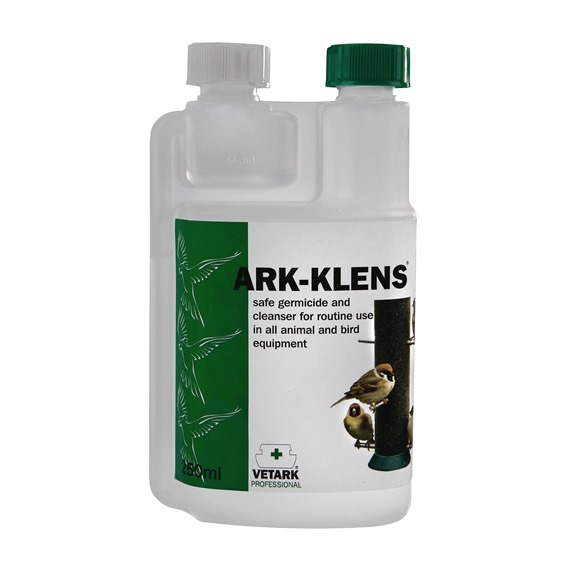
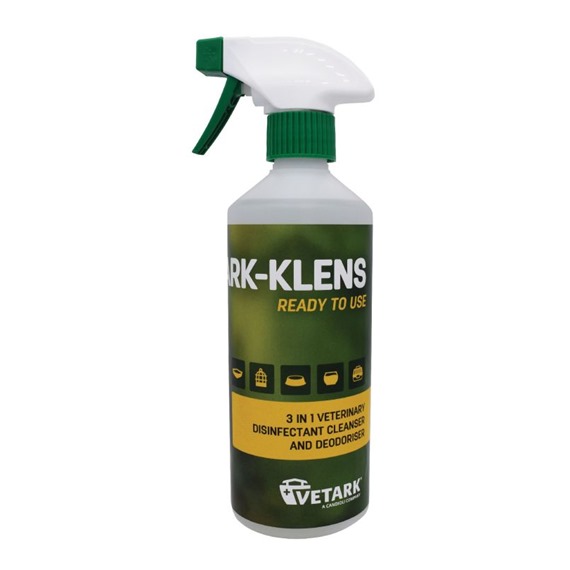
Bird feeders and bird tables should also be disinfected every two weeks using a suitable quaternary ammonium disinfectant like Ark-Klens™. This helps to tackle stubborn bacteria.
Feeders should be checked and cleaned more often during periods of wet or humid weather, as this can cause bird food to spoil more quickly than usual.
Bird baths need regular attention too. They should be emptied, cleaned and refilled with fresh water frequently to help prevent faecal contamination.
- How do you clean a bird feeder?
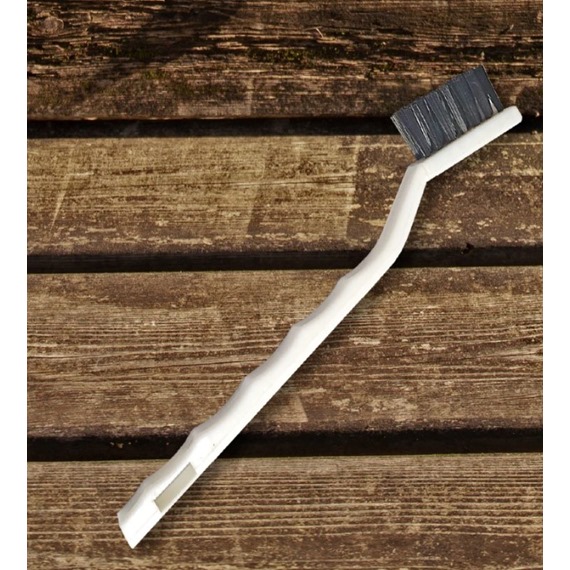
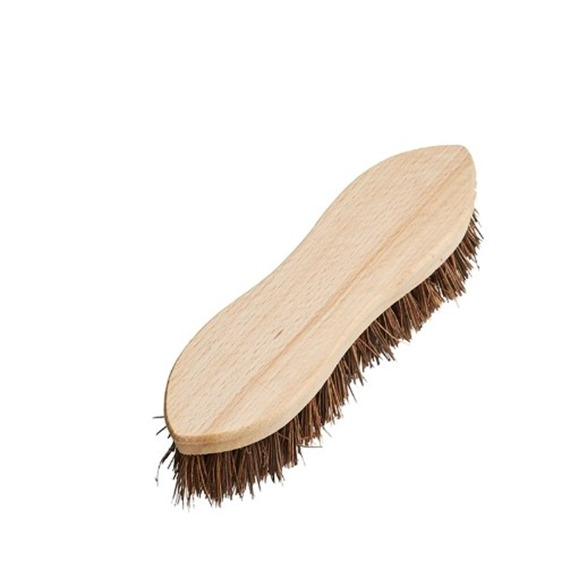
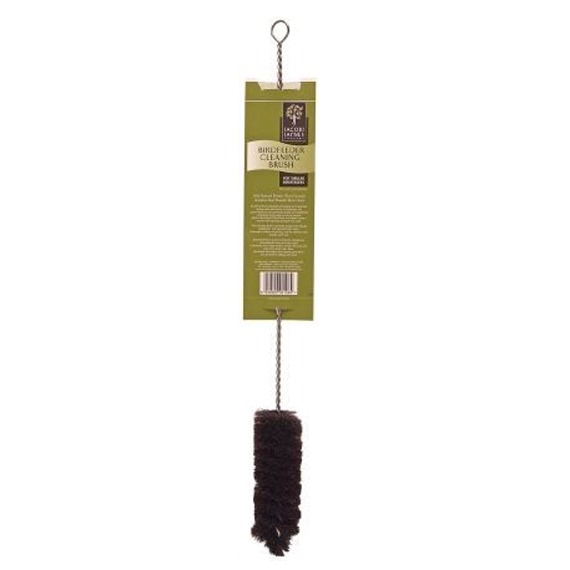
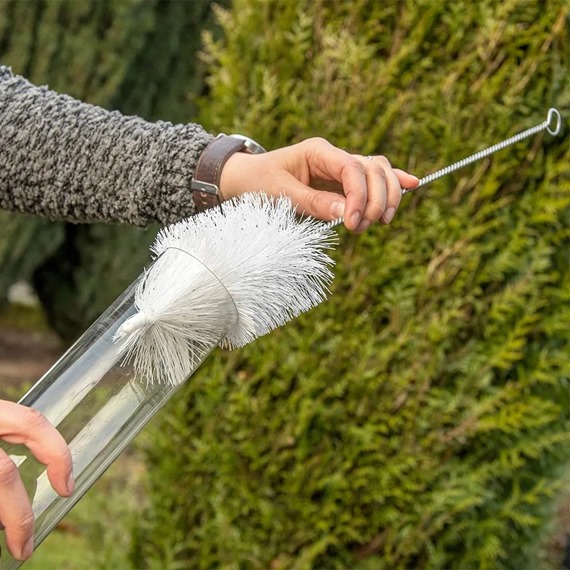
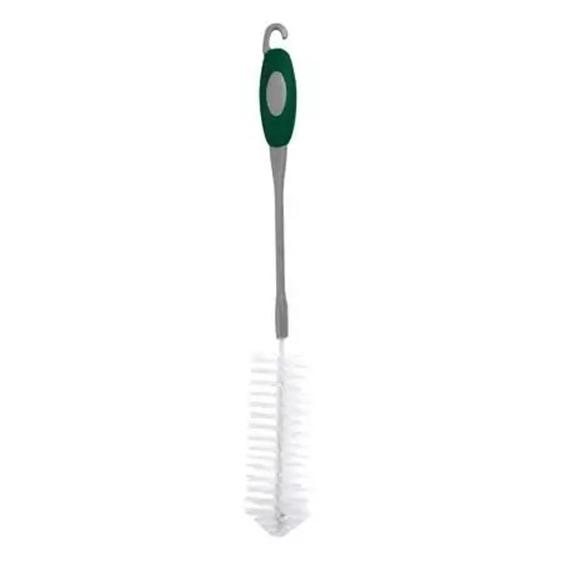
Before cleaning, empty the feeder completely and dispose of any old seeds, husks or other debris. If possible, take the feeder apart and soak the parts in warm water with a little bit of washing-up liquid for around 15 to 20 minutes. Use an appropriate cleaning brush to remove stubborn dirt from inside the feeder, paying particular attention to feeding ports, bases and narrow tubes where residue can build up.
Once the feeder is visibly clean, rinse everything thoroughly with clean water. If you are disinfecting the feeder, follow the instructions on your chosen disinfectant carefully, including the correct dilution rate and contact time, then rinse again if required. Always allow the feeder to dry fully before refilling it with fresh food.
It is best to clean bird feeders outdoors while wearing gloves, and you should avoid using the same brushes, bowls or utensils that you use for your own kitchen items. Washing your hands thoroughly afterwards is also an important part of safe feeder hygiene.
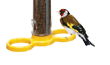
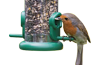
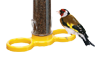
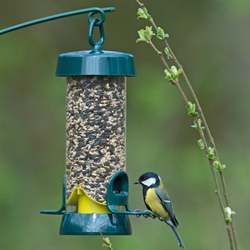
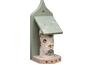
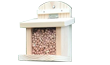
Struggling to clean your feeder? Try one of our easy clean feeders!
- What else can I do to keep my feeding area hygienic?
-
Good bird feeder hygiene goes beyond the feeder itself. Old food and droppings can build up under feeding stations over time, especially if it's a spot where lots of birds gather at once. Scraping away waste, removing spoiled food and keeping the surrounding area tidy can help to reduce the risk of disease spreading between birds.
If possible, move your feeding station to a different part of the garden every couple of weeks. This helps to prevent a concentrated build-up of droppings in one area. It's also a good idea to offer multiple feeding points where possible, rather than encouraging large numbers of birds to crowd around a single spot.
Using no-mess bird food can also support better hygiene by reducing the amount of food dropped onto the ground. Less waste beneath feeders means fewer opportunities for contamination and less chance of attracting vermin.
- How should I store my bird food?
Good hygiene starts before the food even reaches the feeder! Bird food should be stored in a cool, dry place and kept in vermin-proof containers. Metal containers are often the best option, as plastic can become vulnerable to rodents over time. Seed mixes are best used within a few months, so it's best to buy only what you can use up within 3 to 4 months.
- What signs of disease should I watch out for?
Keep an eye out for birds that appear unwell. Warning signs can include:
- Puffed-up feathers
- Sluggishness
- Visible lesions
- Scaly patches
- Birds remaning at the feeding station for unusually long periods
If you notice several birds showing signs of illness, it is sensible to review your bird feeder hygiene routine straight away and clean all feeding areas thoroughly. Feel free to send us a question if you have any concerns about the health of your garden visitors.
Welcome to Really Wild Bird Food!