














Safe Bird Food
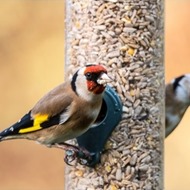
Recently, there's been a lot of talk about whether it's safe to feed the wild birds who visit our gardens. Concerns have been raised about the diseases that can spread when many birds gather around a single feeding station, and in April 2026, the RSPB actually went so far as to advise against feeding seeds and peanuts at all between the months of May and October.
We strongly disagree with that RSPB recommendation – you can read our full response here if you'd like to know why. Here are the key points in case you just want a quick summary:
- Due to urbanisation and environmental changes, natural sources of sustenance for birds are increasingly scarce
- For this reason, it is imperative that we continue to feed our garden birds (especially during the spring / summer breeding season, and also the cold winter months)
- The scientific research that led to the new RSPB guidance was not peer reviewed and, in our opinion, does not show that hanging bird feeders in your garden is likely to spread disease
- The risk of disease is minimal as long as you follow good feeder hygiene practices
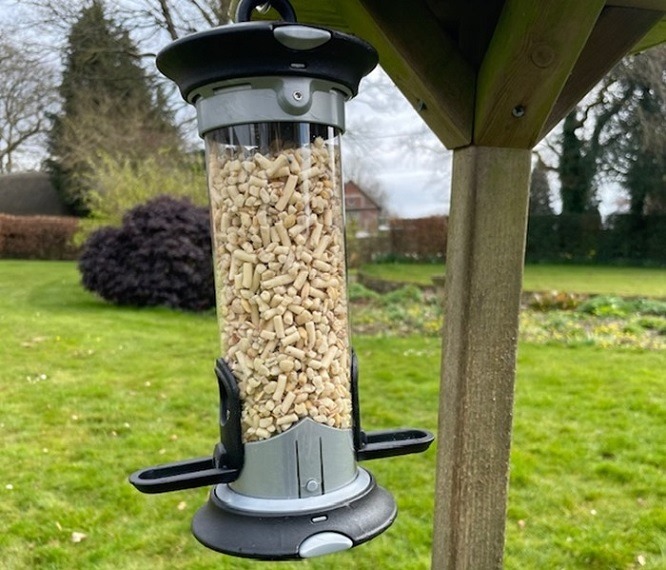
If you're keen to continue feeding your feathered friends, we offer a wide range of bird feeds and accessories that can help you to do so in a safe and hygienic way. Scroll down to shop!

Safe Food for Wild Birds
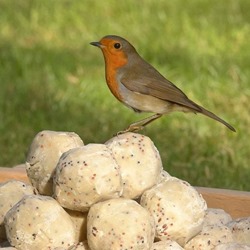 Super Suet Fat Balls - With Insect
 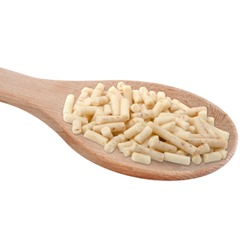 Mealworm Suet Pellets
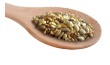
 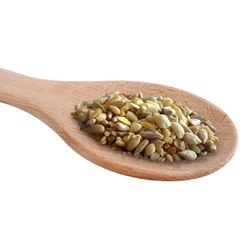 Tidy Garden Mix™
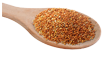
 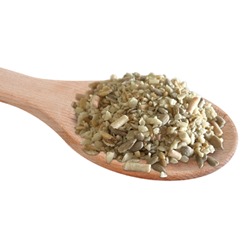 High Energy Fledgling Mix™
 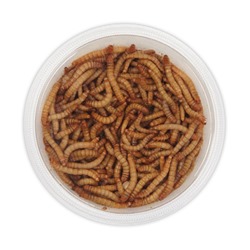 Live Mealworms
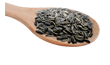
 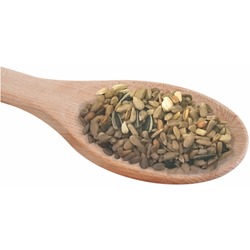 Big Seed Gold™
 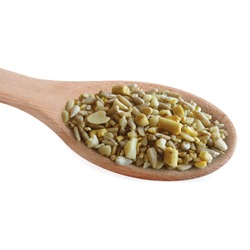 Tidy Garden™ Suet Boost
 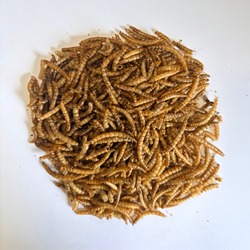 Dried Mealworms
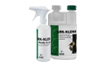
 Products to Help You Feed Safely & Hygienically
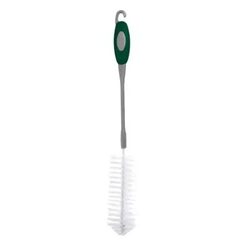 Peckish Bird Feeder Cleaning Brush
  Harrisons Flip Top Peanut Feeder 30cm
 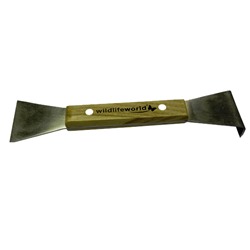 Scraper Tool
 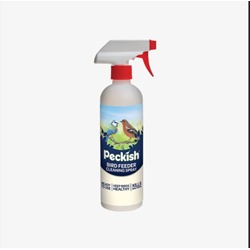 Peckish Bird Feeder Cleaning Spray
 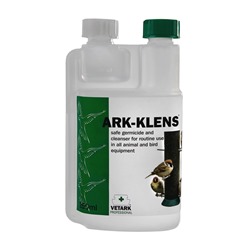 Ark-Klens™ Disinfectant Cleaner
 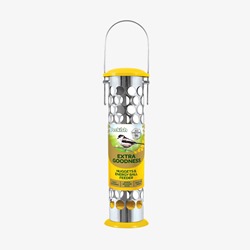 Peckish Extra Goodness Feeder
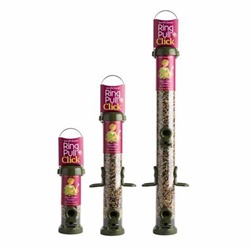
 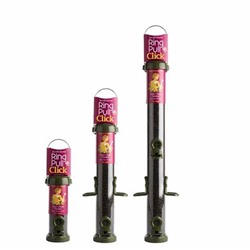 Ring-Pull Click™ Metal Niger Seed Feeders
 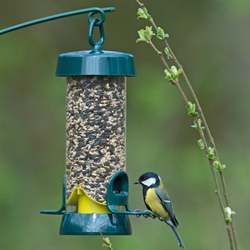 Big Easy™ Seed Feeder
 Is It Safe to Feed Wild Birds?
The following advice comes from Lesley, our resident vet. If you have any questions or concerns about bird safety, you can get in touch with Lesley here.
"Firstly, I would like to say that from a veterinary perspective, I do not agree with the RSPB's recommendation that you should stop feeding seeds and peanuts during the summer months. The issue is not what you feed but how you feed.
"We know that if you encourage birds (or indeed any animals) into closer proximity with one another, there is an increased risk of spreading disease. For garden birds, this applies to any infectious organism – things like avian pox, scaly leg, gut parasites and bacteria – but in this case, it is the infection of finches with the Trichomonas protozoan parasite which has prompted the RSPB to change their position regarding supplementary feeding. While greenfinch numbers have declined significantly in the last 20 years, there is now evidence that numbers are recovering. Many of our customers are reporting new sightings of greenfinches and increased numbers returning to their gardens, which is excellent news – and I believe that the hygienic feeding practices we have been advising and promoting for very many years are now making a difference. Things are improving!
"However, there is still much to do and we must not become complacent. We all love our garden birds and we have a duty of care to look after them. That duty of care extends to feeding them and helping them survive in what is an increasingly challenging world for them. By this, I mean the huge decline in natural food availability that has occurred as a result of climate change, urbanisation and intensive farming practices.
"So not only is is safe to feed wild birds (as long as you do in a responsible and hygienic way), it's crucial that we do so in order to ensure their survival."