





















02 Jun 2026


News From The Farm May 2026

2026 so far has been a year of contrasts weather-wise. At the beginning of the year we had 18 inches of rain in 10 weeks ( which is half of our normal annual rainfall! ) followed by only 1/2inch in April and to date, 3/4 inch in May. Like most years, some crops are enjoying the climate ( the wheat, rape and winter oats ), and others less so. Due to the very dry April and May, many crops have not tillered very well, ( which creates a thick crop ), but the heads on the wheat in particular, are big and if we are blessed with more rain, we may find the plants yield well. So fingers crossed for a good yield.

The spring barley looks better from the hedge than it does when walking the field, where again, it is a bit thin due to lack of tillering early on.


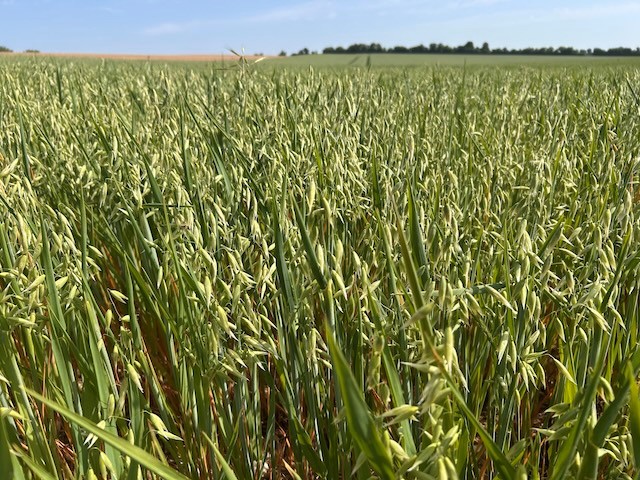
This year we decided to grow spring naked oats( rather than winter ones ) for your bird food. These are faring well. Planting spring naked oats helps control the grass weeds, particularly sterile brome and blackgrass, which are a real scourge, and the spring planting will help keep the farm cleaner, with less use of herbicides. The canary seed which normally doesn't like dry weather has established well and is looking promising


We are growing linseed and peas as break crops. The peas, as a legume, don't require any additional Nitrogen and the linseed uses only a small amount. With the continuing conflict in Iran, Nitrogen prices have rocketed by 50% and may continue to rise, quite possibly by another 20%, so using less Nitrogen dependent break crops makes financial sense. We are currently trying to book our fertiliser for harvest 2027, but it is in very short supply and we will have to take the opportunities when they arise -but it will be costly! Our peas are a variety called Mantara maple peas.They are a break crop for our winter wheat and are really loving the hot weather! They will be sold to Robin Appel Ltd , and will eventually find their way into racing pigeon lofts where they will fuel those speedy birds. Maple peas are high in protein ( 20-25% ) and are usually fed in combination with other cereals and legumes to help build lean muscle ( you don't want a fat racing pigeon! ) and repair muscles after arduous races


 Lots to like about peas and linseed, but they do have some significant downsides. Both crops can be a nightmare to harvest. Peas can go flat, which means we have to set the combine header very close to the floor, and on our flinty ground, the chances of damaging the combine with a large flint are high. Linseed on the other hand, has really tough wiry straw that loves to wrap itself around the insides of the combine, stripping out bearings! So we are bracing ourselves for some large repair bills over harvest, but hopefully it will be trouble free ( optimistic thinking on my part! ) Our final planting job of the year is underway as I write this; white millet. The red millet is already in the ground. Millet seed is very small and it needs to be planted shallow in dry soil, which is just as well because the fields are like dust bowls at the moment! We prepared the seed bed 4-6 weeks ago to allow the soil to settle and hopefully retain moisture, and now Richard is double -rolling close behind the drill to really firm the seed bed and maximise the seed to soil contact that the millet will need. This year we have over 100 acres of millet going in - all for our UK birds 


Last week we had a very enjoyable visit with the Hampshire Farmers Club to Summerdown Farm, near Basingstoke, the home of the Coleman family. Summerdown currently grow around 100 acres of organic Black Mitcham peppermint. 100 years ago it was a native variety, but subsequently died out. It was re-introduced by the family in the early 1990s and WOW what a plant! Standing in the field, there was the most glorious aroma of deep, rich peppermint. The plant leaves are harvested for their organic peppermint tea and are also distilled into organic peppermint oil which gives added flavour to their tea, as well as a range of delicious chocolates and scented home fragrances. After our tour, we were treated to a cup of peppermint tea and some chocolates and I can thoroughly recommend them! The business also grows organic camomile for tea and lavender for the oil. 


Our visit to Summerdown was also very nostalgic for Richard since his Mum, Mary, grew up with her parents as farming tenants on the Summerdown Estate. It has changed somewhat since those days! This photo was taken we think around 1945


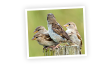
 Exciting Barn Owl News! We finally have a Barn Owl nesting in our barn! We built and erected a Barn Owl box a number of years ago, but I think we got the location wrong and every year we have been disappointed. However - fingers crossed we will have a family this year. Last year was a terrible year for Barn Owl numbers in Hampshire, but this year seems to be a Bonanza - so I will keep you updated on how they get on and hopefully we will have some good news and a few photos to share with you in the next couple of months. These 2 cuties are obviously not ours, but I couldn't resist the photo.


Keeping cool! It has been a challenging few days for our staff processing orders in agricultural buildings in this heat, and we are always indebted to the work they put in on our behalf. I have been keeping the cold drinks and iced towels flowing - and it seems there is a number of ways you can wear an iced tea towel! Stylish guys.


 Please keep a close eye on what is happening in your garden – and if you have any doubts, queries or questions, I will be very happy to help you out in any way I can. You can send me your questions here.

Enjoy and take care of your garden birds!
Lesley


19 May 2026
Bird eating live mealworms

This week, you can save 10% on live mealworms and wax worms! Enter the code MAGIC10 to activate this discount. Offer ends at midnight on 25th May.

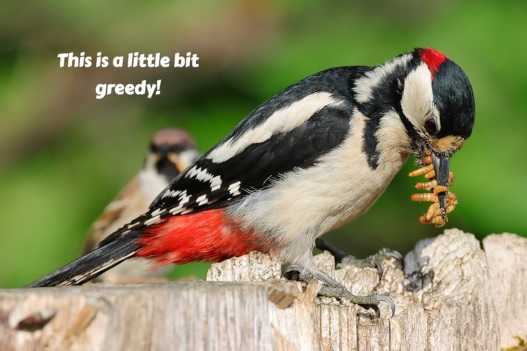
This is a key time of year to be feeding live mealworms and wax worms. The last few weeks have been extremely cold (considering it is the month of May) and we have had really cold strong winds, rain and even hail stones! This inclement weather creates a challenging environment for adult garden birds to raise and feed chicks, and also look after themselves. We know that flying insect numbers have declined by a whopping 60% over the last 20 years in the UK, and one way to help garden birds out is to offer live mealworms or waxworms, particularly during the breeding season. Whilst they are not a perfect substitute, they are high in protein and water content – and of course they wriggle, which attracts garden birds to investigate. Blackbirds, house sparrows, starlings, robins, wagtails, wrens, long tail tits, coal tits, blue tits, great tits and woodpeckers will all be attracted to live mealworms, taking them off to feed hungry youngsters that are waiting in the nest or lurking under hedgerows in anticipation.

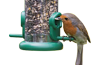
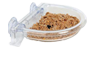
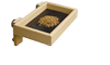
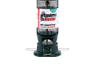
Live foods are very easy to offer. They should be placed in a container with upright sides (to stop them wriggling away). Here are some options which we have, ranging from window feeders to hanging feeders, to feeders for your flower bed, but as you can see from the photo below, we just use a relatively heavy ceramic kitchen bowl.

If you haven't fed live mealworms before, and would like more information, our Live Bird Food Tips are a great place to start.

This week, we are offering our customers a 10% discount on purchases of live mealworms and wax worms. So if you are swithering about trying them out, now is a good time to make the move!

Please enter code MAGIC10 at checkout to activate your 10% discount. Offer ends midnight on 25th May 2026.

Order Your Live Foods Here >>


Keeping your bird baths clean

Whilst communal bathing can be glorious, it can also leave a bit of a mess in the bath. If you have been keeping up with my previous newsletters about the importance of bird bath cleanliness to protect garden birds' health, I am sure you are redoubling your efforts to clean them daily and replenish with clean water. THANK YOU!

I thought I would share this top tip from a lovely customer who has it nailed! This is a big stone bird bath which is heavy and cumbersome to empty and clean. The top left photo shows the accumulated dirt from just ONE DAY! After scrubbing the stone, she placed a simple pot plant tray in the bird bath. It is light and easy to lift, clean and replenish. Happy days! I know which one I would prefer to drink from.

If you have any top tips for keeping bird baths clean, please do send them to me and I will pass on your ideas!


Great savings on hygiene bundles

Our Hygiene Hub has everything you need to keep your feeding stations and bird baths clean. These two bundles are currently on offer:

Bird Bath Hygiene Bundle

Save £3 on this bird bath hygiene kit, which includes Ark-Klens™ disinfectant, Vetark CitroSan sanitiser and a pair of cleaning brushes.

Buy Now >>


Bird Feeder Cleaning Kit

Save £2 on this bird feeder hygiene bundle, which includes two brushes, a scraper tool and a spray bottle of 3-in-1 disinfectant, cleanser and deodoriser.

Buy Now >>


Feeding seeds and peanuts at this time of year

Our home feeders are being emptied at a pace at the moment. Our garden birds are extremely hungry and we continue to offer them a range of feeds including seed, peanuts, fat and mealworms. Offering all the food types is important to support the variety of garden bird that visit us.

Finches, for example, are predominately seed eating birds. They have short, strong and thick beaks that are designed for cracking seed shells. Finches have varying beak sizes depending on the type of seeds they eat. Larger, stronger beaks are suited for cracking hard seeds, while smaller beaks work better for softer seeds such as black sunflowers. Our seed mixes contain a variety of homegrown seeds with different levels of 'hardness' to suit every preference. Feeding the adults will really help them and the ensuing survival of their chicks.

Finches pictured (clockwise from top left): greenfinch, bullfinch, goldfinch, chaffinch.

Our garden birds are plentiful, varied and healthy. We have a few house rules to ensure they stay that way:

  • We don't over-feed. Feeders must be completely empty before we refill; this encourages the birds to eat up any spilt seeds before they get a top-up!

  • We space our feeders widely around the garden. This reduces the number of birds gathered around a single feeder at any time.

  • We move our feeders weekly so that the grassy area under the feeder is clean.

  • We don't move feeders back to 'used' areas for at least 3 weeks. This eliminates the chance of infectious organisms surviving.

  • We clean all feeders weekly, and we keep spares so we have one to wash and one to hang. This lets the washed feeders dry completely before re-use.

  • We only use easy-clean feeders that can be dismantled easily. This makes life so much easier!

  • We stay vigilant and enjoy our birds!

If you follow our lead, you won't go far wrong.


Seed of the month

High Energy Fledgling Mix™ is our seed of the month for May. Order now and save 15% on the usual price!

Blended fresh on our farm every single day, each batch is carefully made to order for ultimate freshness, quality, and nutrition – so your garden birds get to enjoy seed at its very best.

Even better, it's a no-mess, no-grow mix so every bite gets eaten, with no waste left behind.

Stock Up & Save 15% Here >>


Nighttime visitors need nourishing

May is busy month for hedgehogs. After recovering from hibernation, they are on night-time wanders searching for a mate.

Support your local hedgehogs by supplying fresh water and nutritious food!

SPECIAL OFFER: Save 10% when you buy a 2kg bag of I Love Hedgehogs food!

Visit Our Hedgehog Hub >>


Well hopefully there is some warmer weather in store for us later on this week, which I am sure will be welcomed by most of us.

Enjoy your birds!

Best wishes,
Lesley

P.S. Don't forget to use your MAGIC10 discount code at the checkout!

16 Apr 2026
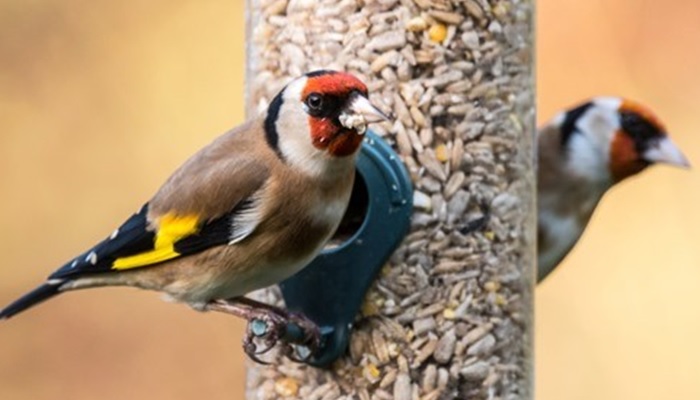
Goldfinches on a bird seed feeder

Our resident vet Lesley responds to the RSPB's controversial new guidance on supplementary bird feeding.

Many of our customers have been in touch asking for advice regarding the RSPB's recent announcement that, in their opinion, supplementary feeding of seeds and peanuts to garden birds should cease between May and October. I would like to set out our position and my personal thoughts on this topic.

Firstly, let me say that from a veterinary perspective and as bird-loving farmers, we do not agree with the RSPB's recommendation that you should stop feeding seeds and peanuts during the summer months. The issue is not what you feed your wild birds; it is how you feed them.

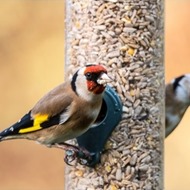
Pictured: goldfinches enjoying our High Energy Blend™ bird seed mix.

We know that if you encourage birds (or any other animals) into close proximity with one another, there is an increased risk of spreading disease – just like children at the start of a school term. For garden birds, this applies to any infectious organism (things like avian pox, scaly leg, gut parasites and bacteria) but it is specifically the infection of finches with the Trichomonas protozoan parasite which has prompted the RSPB's change in position regarding supplementary feeding.

While greenfinch numbers have declined significantly in the last 20 years (the organism has been causing disease in finches since around 2006), there is now evidence that those numbers are recovering. Many of our customers are reporting new sightings of greenfinches and increased numbers returning to their gardens, which is excellent news – and I believe that the hygienic feeding practices we have been advising and promoting for very many years are now making a difference. Things are improving!

However, there is still much to do and we must not become complacent.


Why We Need to Keep Feeding Wild Birds

We all love our garden birds and we have a duty to look after them. That duty of care, however, also extends to feeding them and helping them to survive in what is an increasingly challenging world for them. By this, I mean the significant changes in climate (we in the UK now experience severe drought, persistent flooding and frequent extreme high winds) and the huge decline in natural food availability (insects, invertebrates and natural seeds) as a result of climate change, urbanisation and intensive farming practices.

The breeding season is the key time to ensure success of any species.

Without successful broods of young healthy chicks, bird numbers will plummet. There are already many garden birds whose numbers are in decline: house sparrows, tree sparrows, blackbirds, thrushes and starlings to name a few. These declines are not disease related but climate and environment related, and this is why garden birds have come to rely on us so heavily for supplementary food. If they didn't need the food, they wouldn't be at our feeders.

Take the autumn months as an example. In autumn, most birds leave us! They head off to find natural food sources because they don't need our help. During the breeding months (April to July) they most certainly do need our help. We absolutely will not be restricting their vital food source during these months, and we recommend that you don't either.


The Scientific Bit

With my veterinary hat on, I must also comment on the 'science review' that led to the new RSPB recommendations. It is worth mentioning that this work is currently not peer reviewed. In my opinion, to hold scientific credibility, research work should be peer reviewed before publication.

While the trial did show the presence of the Trichomonas organism on swabs taken from food, feeders and water baths in gardens where diseased birds were present, of particular note is that only seed feeders were swabbed (to my knowledge no other foodstuff was tested) and from a relatively small sample size of 106, the organism was only detected in 1.88% of samples of seed from feeder (2 out of 106) and they did not isolate the organism at all from 108 swabs taken from the actual feeder ports / mesh. Positive detections were much higher, however, in swabs taken from base trays (19%) and water baths (24%). These findings do suggest that water baths and feeder trays / flat feeding surfaces are likely to be the main nidus of infection and we should pay particular attention to those when setting a strategy to minimise the transmission of disease.

Sick birds will often spend prolonged periods of time just sitting on feeder trays or water baths (or the ground) trying unsuccessfully to eat and drink, regurgitating contaminated saliva. The Trichomonas organism thrives best in damp, unhygienic conditions and can be killed quite easily by heat and drying. This is why more diseased birds are seen during the colder, wetter winter months.


What to Do Now

It is very important that we all continue to do the right thing by our garden birds and just revisit our home setup to minimise the risk of spreading disease in and around feeding areas and water baths. I will be writing more on this topic in the near future, but here are my headline recommendations to help you look after your garden birds:

  • Continue to feed high-quality, high-energy food (including seeds, peanuts, suet and mealworms) during the breeding season in particular. Opt for no-mess, husk-free seed mixes. Also, live mealworms are a particularly good choice for the breeding season because they're high in protein and moisture and easy for adults to transport back to the nest.

  • Feed according to demand. We recommend filling your feeders on a daily basis, and only putting in as much food as your birds will consume in one day. Putting fresh food out every day is better for the birds, plus it will mean that you notice right away when your feeders need cleaning!

  • Clean all feeders weekly. We recommend using easy-to-clean hanging feeders whose ports and bases can be easily removed for a more thorough scrub. Browse our easy-clean feeder range here.

  • Don't attach seed trays to the bottom of feeders. Sick birds will often sit on seed trays for prolonged periods and these can act as reservoirs of infection.

  • Avoid using the flat surface of bird tables or flat ground feeders (unless they can be regularly cleaned). Sick birds can sit for prolonged periods on feeding tables, drooling saliva that's contaminated with the protozoa. This can then infect healthy birds visiting the table for up to 5 days, so avoid leaving this potential reservoir.

  • Relocate your feeders on a regular basis. You should also make sure the areas under your feeders are brushed or scraped up as frequently as possible (but at least once a week).

  • Avoid using multi-feeder feeding stations that encourage large numbers of birds to congregate in close proximity. Instead, place individual feeders in separate locations, and as noted above, remember to clear up the area underneath each feeder regularly.

  • Be extra-vigilant about bird bath hygiene. As the results above show (a 24% isolation rate), bird bath hygiene is absolutely critical for the continued health of your garden birds. Swap out any large, heavy, difficult-to-clean bird baths for smaller baths that can be easily brought indoors for scrubbing. Birds love to poo in their baths, so please make it part of your daily ritual to throw out the dirty water, give the bath a quick scrub, and replenish with clean water. Your garden birds will thank you!

  • Help your family. We know how much our older relatives love their garden birds and how much pure enjoyment they get from their company. Often it is not easy for them to take down feeders, move feeders or clean them easily. So if you (or the grandchildren!) are able to give a helping hand, it can only be to the benefit of the local wild birds.

  • Rest up during the autumn months. As mentioned above, bird numbers in our gardens start to decline naturally (depending on the weather) from August / September through to November, when they can mostly fulfil their needs elsewhere. This is therefore the most suitable time to scale back your bird feeding efforts

As many of our customers know, I am a vet with a First-Class Honours degree and I do have many years of experience feeding wild birds. It is a fact that no two gardens are the same, no two bird populations are the same and no two days are the same! But one thing that is the same is our love of garden birds and our desire to do our very best for them.

Please keep a close eye on what is happening in your garden – and if you have any doubts, queries or questions, I will be very happy to help you out in any way I can. You can send me your questions here.

Enjoy and take care of your garden birds!
Lesley
Visit Our Bird Seed Shop

02 Apr 2026
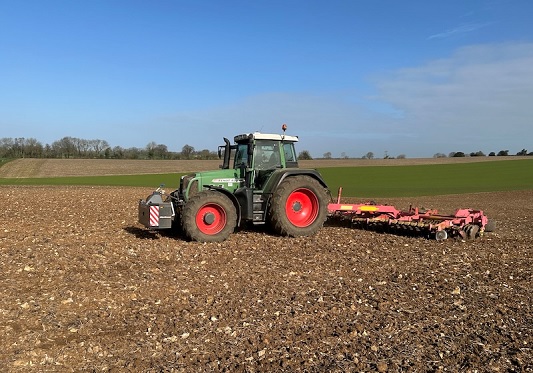
Tractor on the farm during springtime

Spring has arrived and wheels are turning!

It is great to be out on the land again, after a long winter. The soil has changed quickly from being very wet to quite dry as a result of the cold N/NE winds we have been having.

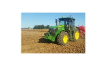
Our spring naked oats have been in the ground for 10 days but have not yet emerged (I think it is too cold for them to pop their heads out!) and we have been discing the canary seed ground, getting it ready for drilling (photo above).

Other jobs have involved rolling our winter oats. We roll to press the flints into the ground to stop them breaking the combine at harvest and also, rolling winter crops encourages them to tiller (produce more stems) which should help improve yields.

We have had a few punctures recently as a result of our flinty ground. The large sharp 'Hampshire Diamonds' (if only they were!) are hard on tyres and farm machinery, particularly cultivator points which wear down quickly. Cultivator points penetrate and break up the soil. Because we have such abrasive soil, we need to use points made from tungsten carbide, one of the hardest materials used in farming. They are expensive to buy (what isn't these days?) but they are more wear-resistant than standard steel. This has lots of benefits: tungsten carbide will stay sharper for longer, improving soil penetration (and very importantly, especially at the moment, fuel consumption) since it is easier to pull sharp points across a field than blunt ones! With fewer replacements needed, they reduce the significant 'downtime' associated with changing points. Anything which reduces the time Merv and Richard have to be on their knees under farm machinery gets a big thumbs up!

On the subject of fuel, I was incredulous to hear Trump state that America will get richer on the back of increased global oil prices. Fuel is one of the largest variable costs on arable farms and of course the huge price hike we are currently all experiencing has coincided perfectly with the start of our spring land work. A large percentage of our farm is sown into spring crops (for your bird food) so we have to look at smart ways to limit input costs, whilst still producing good yields and quality seed. Richard is constantly assessing and revisiting our crop rotations, and until the seed goes into the ground, the plan can be subject to change. With all input costs currently so high, things like direct drilling and minimising 'passes' across the fields will all be used to conserve fuel.

PICTURED: Blackthorn in flower (left) and spring violets (right)

This year has been a true spring with a blackthorn winter. A 'blackthorn winter' is an old traditional term used to describe a sudden cold snap in early spring, usually happening around the time the blackthorn plant blooms.

Traditional folklore states that bad weather lasts whilst the blackthorn is in flower and as the flower wanes, better weather arrives. This year we have had warmth, cold, hail, frost, sun and rain with the flower. This changeable weather has made planting spring crops much easier this year (compared to last), since it has kept moisture in the soil. But the inclement spring weather has definitely been more challenging for garden birds; requiring more food to cope with the cold and the wind.


Golden Plovers on the Farm

We currently still have a small flock of around 30 golden plovers on the farm. They tend to be present on lowland farms from around October until March/April when they move back to upland breeding areas.

Whilst it is a relatively small flock we are delighted to be hosting them. They tend to fly as a tight flock and we often spot them as they lift off, showing golden flashes where the light catches their backs.

Golden plovers don't use farmland randomly, often returning to their favourite fields year after year. They do like open unobstructed ground (to be able to spot predators) and damp grassland, or a sparse crop of winter-sown cereal fits the bill. Being wading birds they have made the most of the flooding this year, where water-logged soil has offered up plentiful worms and insects. You can often identify them by their 'run-stop' feeding style, picking insects and worms and sprinting on! It won't be long before they head off up north but we will look forward to their return in late autumn.


Seed of the Month: Feeder Mix

Feeder Mix™ is our SEED OF THE MONTH for April!

We've reduced the price of our Feeder Mix™ by 10% for this month only. Most of the seeds in this mix are grown right here on our farm – it's a delicious, free flowing mix that's particularly popular with finches and tits.

Here's a testimonial from one of our customers:

"This is the best feeder mix I've found, and believe me, I've tried an awful lot out on my garden birds! This mix doesn't have big dried-up stalks which clog the feeder and the birds love it. Delivery really quick and I definitely recommend this product and the company."

Buy Feeder Mix™ Now & Save 10%

Enjoy your birds!

With very best wishes,
Lesley

26 Mar 2026
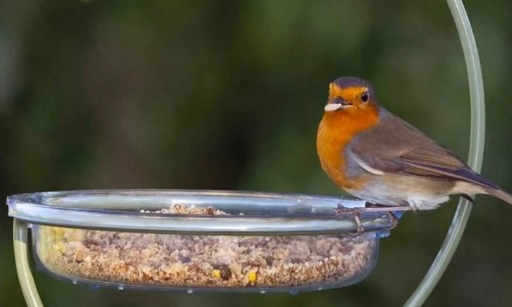
Robin redbreast feeding from an easy-to-clean treat dish

SHORT ANSWER: Yes! Feeding wild birds is a great way to support them – just make sure you're doing it responsibly.

A recent press release from the RSPB has received a lot of news coverage and caused no small amount of alarm. It warns nature lovers not to feed seeds or peanuts to their garden birds between the start of May and the end of October. Why? To help stop the spread of disease among British birds.

This certainly hasn't come out of the blue. Concerns about avian diseases, overcrowding, and the impact of human feeding habits have been raised loudly and repeatedly over the past few years. One might easily get the impression that the bird feeders in our gardens are actually doing more harm than good.

Now, as a qualified vet, I'm all too aware of the problems that poorly-maintained feeding areas can cause for wild bird populations. However, please be reassured that there's no need to stop feeding your feathered friends, who need your help now as much as ever!


PICTURED: I Love Robins® Easy-clean Hanging Treat Dish


Why feeding the birds is important

Garden feeding plays a key role in supporting British bird populations, particularly in urban and suburban areas where natural food sources tend to be in short supply.

A reliable source of high-energy food can make a real difference for many UK bird species, especially during the nesting season (March to September) as well as the cold winter months.

So feeding itself isn't the problem. The problem is hygiene.


Where the concerns come from

When large numbers of birds gather around the same feeding station, diseases can spread easily. Contaminated feeders, droppings, and leftover food can all contribute to the transmission of illnesses such as salmonellosis.

This is why some experts have raised concerns – not because feeding birds is a bad idea in itself, but because too many people aren't doing it hygienically.


How to feed birds safely

Practising good feeder hygiene is crucial to feeding birds safely and minimising the risk of disease.

Here are some expert tips:

  • Clean and disinfect your feeders regularly. See How to Clean & Disinfect Bird Feeders for details. (You might want to consider replacing your current feeder with an easy-clean bird feeder to make this job easier.)

  • Remove old food before it gets mouldy. Don't leave the same food in your feeders for more than a week. Any damp food should be replaced immediately.

  • Use a scraper tool to keep your feeding station free of bird droppings.

  • Move your feeding station to a different spot every so often. This will help to prevent droppings and uneaten food from building up in one specific area.

  • If possible, place multiple bird feeders in different spots to avoid overcrowding.

  • Fill your feeders with no-waste bird food to reduce mess on the ground.

  • Keep any bird baths clean and topped up with fresh water.

These small steps will make a big difference to the health of your local bird population.


Keep feeding those birds!

As long as you follow good hygiene practices, feeding wild birds remains a positive and beneficial activity.

Recent warnings may have given you pause for thought, but the correct response is not to stop feeding your birds altogether. By keeping feeders clean and managing your feeding area carefully, you can continue to support your local wildlife without spreading disease.

Feeding wild birds is an easy way to feel closer to nature. With the right approach, it can be both safe and rewarding. If you're unsure where to start, or if you want to improve your bird feeding setup, explore our range of bird feeder cleaning products and feeding solutions — or drop me a line and I'll be happy to offer whatever advice I can!

Bird Feeder Cleaning Products   Ask a Question

This article comes from Lesley Smith, Really Wild Bird Food's co-founder and resident vet. Lesley frequently draws on her experience as a veterinary surgeon to provide guidance for customers who are concerned about the health of their garden birds. If you're interested in learning more about wild bird diseases, you can read more on the topic from Lesley here.

LAST UPDATED: 13th April 2026

23 Mar 2026

April is one of the most exciting months for bird lovers across the UK. As Spring arrives in full force, gardens come alive with birds nesting, feeding, and raising their young. If you want to attract more birds to your garden and help them thrive, this is the perfect time to invest in the right products. Below is some handy advice to the best garden bird products to use in April, and how each one makes a real difference.

Why April Is So Important for Garden Birds?

During April, birds are:

  • Building nests
  • Laying eggs
  • Feeding chicks
  • Defending territories

All of this requires huge amounts of energy and safe spaces, which is where your garden can help. By providing food, water, and shelter, you’re not just attracting birds, you’re supporting their survival during one of the most demanding times of the year.

 1. Bird Feeders – The Foundation of Any Bird-Friendly Garden

A good quality bird feeder is the first thing you need. Feeders provide a reliable food source and encourage birds to visit regularly. In April, this is especially important as natural food supplies can still be inconsistent and insect numbers low.

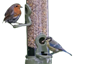
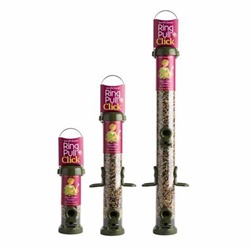
Best types to use:

Tip: Place feeders near shrubs or trees so birds have a quick escape from predators.

 2. High-Energy Bird Food – Essential for Nesting Season

Birds need high-protein, high-fat foods to support egg production and feed their young during Spring time. Suet-rich bird food is ideal for breeding, moulting, migration, and colder seasons because it delivers the additional boost of energy needed to keep your garden birds healthy and full of life. Birds love the taste of suet rich food and we're confident that your feathered friends will keep coming back for more!

Top food choices:

3. Nest Boxes – A Safe Place to Raise Young

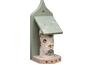
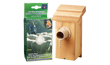
April is peak nesting season, making nest boxes one of the most impactful products you can add to your garden. Many birds struggle to find natural nesting sites due to urban development, so a simple nest box can make a huge difference.  All of our boxes, pockets and pouches are specifically designed to provide suitable accommodation for wild birds.

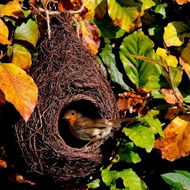
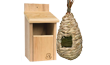
Popular options:

Placement tip: Install boxes 1–3 metres high, away from direct sunlight and strong winds.

 4. Bird Baths – often overlooked but always needed

Water is just as important as food. Hydration is important for all birds, although small, seed-eating birds are most in need of fresh drinking water due to the fact that it is not naturally present in their diet. For this reason, it is critical to supply your garden birds with a source of fresh drinking water, be it via a bird bath or hanging bird drinker.

Birds use water for:

  • Drinking
  • Bathing
  • Cleaning feathers

As temperatures rise in April, providing fresh water can significantly increase bird activity in your garden. We stock a good selection of bird baths to suit your budget and needs.

What to look for:

  • Shallow design
  • Easy to clean
  • Stable base

Change the water regularly to keep it safe and hygienic.

 Creating a Bird-Friendly Garden (Quick Tips)

To get the most out of your products:

  • Plant native shrubs for shelter
  • Keep feeding areas clean
  • Avoid using pesticides
  • Provide food consistently

Consistency is key, once birds trust your garden, they’ll return again and again. April is your opportunity to transform your garden into a thriving wildlife haven. With just a few simple additions:- a feeder, quality food, a nest box, and fresh water, you can support birds during their most important season and enjoy the beauty they bring to your outdoor space. Whether you’re a beginner or a seasoned bird watcher, there’s no better time to get started.


If you have any further questions about looking after your garden birds, please get in touch with us today and a member of our friendly team will be happy to help!

 
17 Mar 2026

A Birdwatching Moment in Fordingbridge

If you’re into birdwatching, you’ll know the thrill of spotting something unusual. But every now and then, something truly extraordinary happens, this is exactly what unfolded recently near Fordingbridge in Hampshire. Local birdwatchers have identified what is believed to be the oldest recorded Eurasian curlew in the UK. And honestly, it’s the kind of story that reminds you why people fall in love with nature.

Meet “Mrs Ogdens”

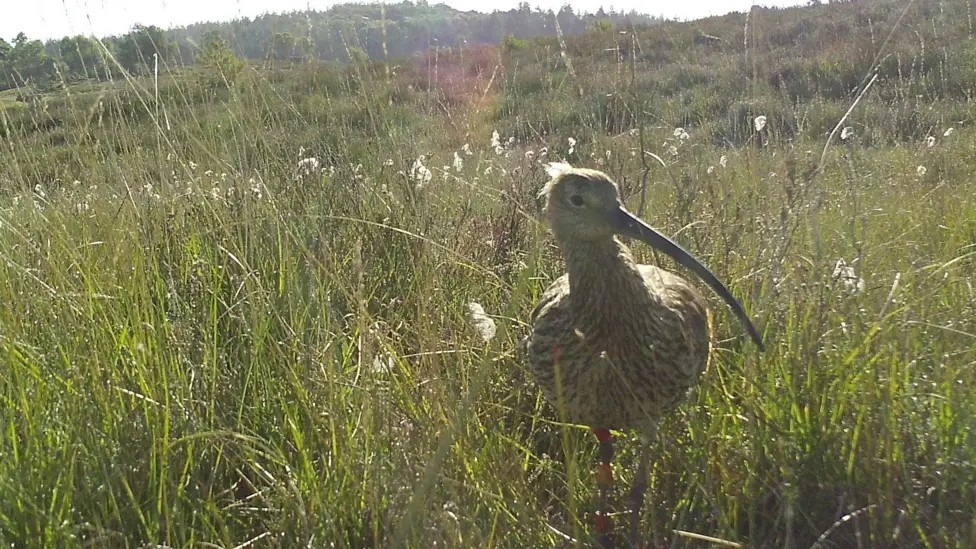
The star of the show is a female curlew affectionately known as “Mrs Ogdens.” She might look like any other curlew at first glance with long legs and a distinctive curved bill, but her story is anything but ordinary. Thanks to the coloured rings on her legs (used by researchers to track birds), experts were able to confirm her age: an incredible 33 years and nearly nine months. That’s practically unheard of for a bird like this. She was first ringed way back in 1992 on Brownsea Island, and has been quietly living her life ever since - migrating, feeding, and even raising chicks.

Spotted Near the Avon Valley

More recently, Mrs Ogdens has been seen in the Avon Valley, right near Fordingbridge, where she feeds during the colder months before heading back to the New Forest for the breeding season.  For local birdwatchers, spotting her isn’t just exciting—it’s deeply meaningful. You’re not just looking at a bird; you’re witnessing over three decades of survival, migration, and resilience.

Why This Matters

As uplifting as this story is, it also comes with a sobering reality. Curlews in the UK are in trouble. Their numbers have dropped significantly in recent decades, mainly because fewer chicks are surviving to adulthood. So while Mrs Ogdens is surviving, the next generation just are not being replaced quickly enough.

A Small Glimmer of Hope

There is some good news, though. Even at the ripe old age of 29, Mrs Ogdens successfully raised a chick!  This is a rare and encouraging sign that conservation efforts can work when the conditions are right. Projects focusing on habitat protection and predator management are slowly making a difference, especially in places like the New Forest. So next time you’re out walking near Fordingbridge, keep your eyes open. You never know, you might just catch a glimpse of a living legend.

If you have any further questions about Eurasian Curlews or bird feeding advice, please get in touch with us today and a member of our friendly team will be happy to help!

 
17 Mar 2026

Nightjars Return to the South Downs National Park


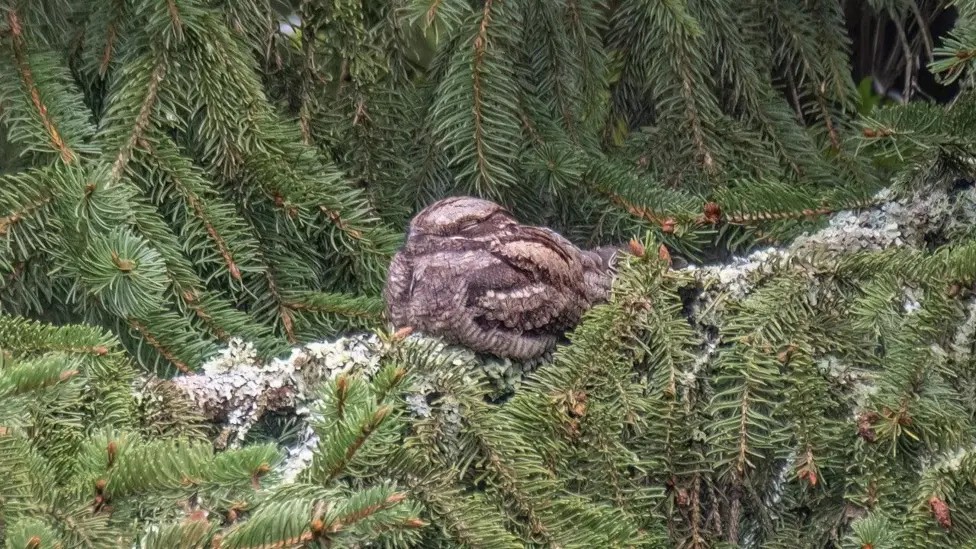
As dusk settles over South Downs National Park, a  “churring” sound can be heard across the heathland -  once a rarity, now signals the return of the elusive nightjar.

A Bird of Myth and Mystery

The nightjar is one of Britain’s most enigmatic birds. With mottled plumage that blends seamlessly into leaf litter and tree bark, it is rarely seen even when nearby, and instead it is known by it's hypnotic churring sound which can be heard at twilight.

Historically, the bird carried a curious reputation. Sometimes called the “goatsucker,” folklore claimed it stole milk from livestock under cover of darkness. In reality, the nightjar’s nocturnal habits are far less sinister preferring to hunt moths and other flying insects in the fading light.

Each year, these birds undertake an extraordinary migration, travelling roughly 4,000 miles from central Africa to breed in southern England between April and August.

Decline and Danger

Despite its mystique, the nightjar has faced very real threats. During the late 20th century, populations declined sharply, dropping by over half between the 1970s and early 1990s.

The main culprit was habitat loss. Lowland heath, essential for ground-nesting nightjars, was cleared for agriculture, forestry, and development. Today, this habitat makes up only about 1% of the national park, making it as rare as rainforest in a British context.

A Remarkable Recovery

Recent years, however, have brought a turnaround. Conservation efforts across the South Downs have led to what experts describe as a “remarkable comeback.”

Populations are estimated to have doubled in just five years, with 78 birds recorded in a recent survey and a record 109 breeding territories identified in key heathland areas of east Hampshire.

This recovery is no accident. It is the result of sustained, coordinated action:

  • Habitat restoration: Rebuilding and maintaining lowland heath for nesting

  • Land management: Controlling vegetation and preserving open ground

  • Public engagement: Encouraging visitors to keep dogs on leads and stay on paths

Together, these efforts have created the conditions nightjars need to thrive again.

A Wider Ecological Revival

The nightjar’s return is part of a broader pattern. Other heathland specialists, such as woodlarks and Dartford warblers, are also increasing in number.

This suggests that restoring a single habitat can trigger a cascade of ecological benefits. In a landscape where biodiversity has long been under pressure, such signs of recovery are both rare and encouraging.

The Sound of Hope

The resurgence of the nightjar is more than a conservation statistic, it is a sensory experience. To hear one at dusk is to encounter something ancient and almost otherworldly, a sound that once risked fading into silence.

Now, thanks to careful stewardship and community effort, that sound is returning to the South Downs. It is a reminder that, given the chance, nature can recover and that even the most elusive species can find their way back.

If you have any further questions about nightjars or looking after your garden birds, please get in touch with us today and a member of our friendly team will be happy to help!