















Category: Bird Feeding Advice


07 Jul 2026

Garden Birds in July


Garden Birds in July: Which Birds Can You Spot This Month?

July is one of the busiest and most rewarding months for watching garden birds. While the dawn chorus may have quietened, gardens are still full of activity as newly fledged birds learn to feed, explore their surroundings, and become more independent. Whether you have a large garden or a small courtyard with a bird feeder, there's plenty to see during the height of summer.

Young Birds Take Centre Stage

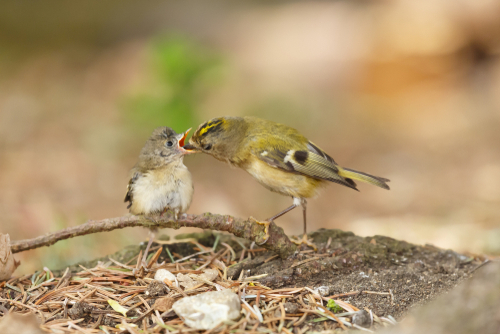
One of the first things you'll notice in July is the number of young birds visiting your garden. Fledglings often look quite different from their parents, with fluffier feathers, shorter tails and slightly clumsy movements. They may also call constantly as they wait for adults to bring them food.

Although they can appear vulnerable, this is a normal part of their development. In most cases, if a fledgling is fully feathered and hopping around, it is best to leave it alone. Its parents are usually nearby, keeping a close eye on it and continuing to feed it.

Common Garden Birds to Look Out For

Robin

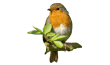
Young robins are easy to miss because they don't have the familiar bright red breast. Instead, they have speckled brown plumage, which provides excellent camouflage while they are learning to fend for themselves. As they mature, their iconic red breast gradually develops.

Blue Tit

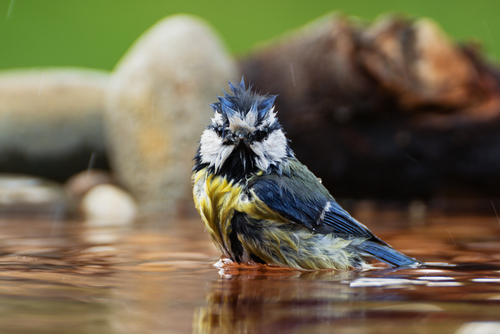
Blue tits often arrive in lively family groups during July. The young birds can usually be recognised by their paler colours and slightly untidy appearance. They are frequent visitors to bird feeders, especially where sunflower hearts and peanuts are available.


Blackbird

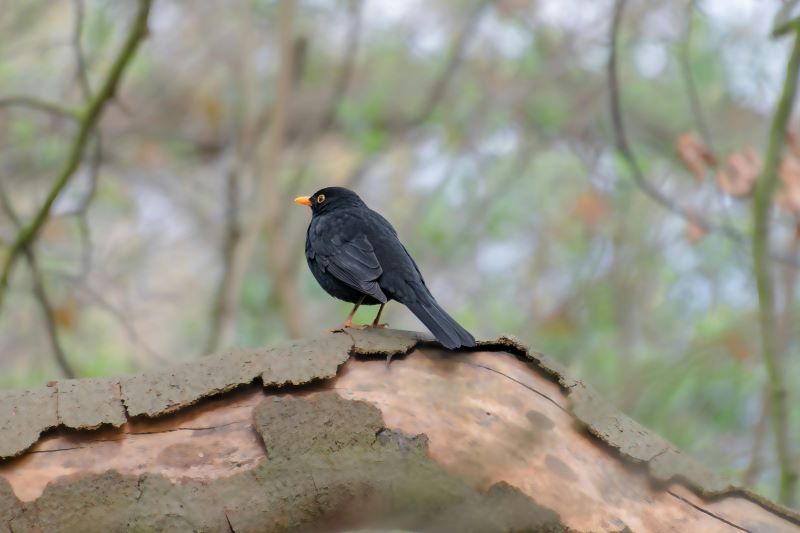
Juvenile blackbirds have brown, mottled feathers rather than the glossy black plumage of adult males. You may see them searching for worms on lawns while still being fed occasionally by their parents.

Goldfinch

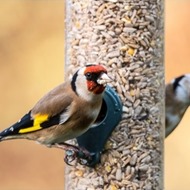
Goldfinches are among the most colourful visitors to a summer garden. They are particularly attracted to seed heads left on flowers such as teasels and sunflowers. Their cheerful, tinkling calls are often heard before the birds themselves are spotted.

Help Birds Through the Summer

Although natural food is abundant in July, birds still benefit from a helping hand.

You can support your local birdlife by:

  • Keep bird feeders topped up with quality seed mixes or sunflower hearts.
  • Provide a shallow bird bath or dish of fresh, clean water.
  • Clean feeders and bird baths regularly to reduce the spread of disease.
  • Leave some areas of your garden a little wild to encourage insects, an important food source for young birds.
  • Avoid using pesticides wherever possible, as they reduce the insects that many birds rely on.


Plants That Birds Love

Many garden plants provide valuable food during summer and into autumn. Instead of cutting everything back immediately after flowering, consider leaving some seed heads standing.

Bird-friendly plants include:

  • Sunflowers
  • Teasels
  • Coneflowers (Echinacea)
  • Lavender
  • Rowan trees, which produce berries later in the year

These plants not only provide food for birds but also attract pollinating insects, helping to create a thriving garden ecosystem.

Enjoy Watching Without Disturbing

July is an excellent month to slow down and observe the wildlife in your garden. Watch from a distance, avoid disturbing young birds, and let nature take its course whenever possible.

With fresh water, nutritious food and bird-friendly planting, your garden can become a haven for wildlife throughout the summer. Spend a few minutes each day watching your feathered visitors, and you'll soon notice fascinating behaviours as this year's young birds gain confidence and independence.

Frequently Asked Questions

Should I feed garden birds in July?

Yes. Although there is plenty of natural food available, many adult birds are still feeding hungry fledglings. Supplementary food such as sunflower hearts, peanuts (in suitable feeders) and mealworms can be a valuable source of energy.

Why are baby birds sitting on the ground?

This is perfectly normal for many species. Fledglings leave the nest before they can fly well and spend several days on the ground or in low shrubs while their parents continue to feed and protect them.

Should I rescue a fledgling?

Only if it is clearly injured or in immediate danger from pets or traffic. Healthy fledglings should be left where they are, as their parents are usually close by.

What is the most colourful garden bird in summer?

The goldfinch is one of the UK's most colourful garden birds. Its striking red face, black-and-white head and golden wing bars make it a favourite among birdwatchers, especially when feeding on seed heads in July.

If you have any further questions about looking after your garden birds, please get in touch with us today and a member of our friendly team will be happy to help!

23 Jun 2026


Garden Birds in June: Helping Wildlife Through the Extreme Heat

June is usually one of the most vibrant months in the garden. Birds are busy feeding fledglings, insects are abundant, and the dawn chorus is still in full swing. However, when temperatures soar and prolonged periods of extreme heat arrive, our feathered visitors can face significant challenges.

Why Hot Weather Is Difficult for Birds

Unlike humans, birds cannot sweat to cool themselves down. Instead, they regulate their body temperature through behaviours such as panting, holding their wings away from their bodies, and seeking shade. During heatwaves, these methods may not be enough, especially for young birds that have recently left the nest.

The intense heat can also reduce the availability of natural water sources. Puddles dry up, streams shrink, and damp areas that provide insects and worms become much harder to find.


Birds Most Affected

Many familiar garden species can struggle during hot weather, including robins, blackbirds, sparrows, starlings and blue tits. Young fledglings are particularly vulnerable as they are still learning to forage and may become dehydrated quickly.

Ground-feeding birds often find it harder to locate food when the soil becomes dry and compact, preventing them from accessing worms and other invertebrates.

How You Can Help

Provide Fresh Water

The single most important thing you can do is provide clean, fresh water. A shallow bird bath allows birds to drink and bathe, helping them regulate their body temperature.

Make sure the water is:

  • Refilled daily
  • Kept shallow for safety
  • Positioned near cover but away from lurking cats
  • Cleaned regularly to prevent disease

National Trust Vierno Bird Bath

Create Shade

Gardens with a variety of shrubs, hedges and small trees offer birds a welcome refuge from the midday sun. If your garden lacks natural shade, even a strategically placed plant pot or garden structure can provide temporary relief.

Continue Feeding

While birds rely heavily on natural food in summer, supplementary feeding can still help during extreme weather. Suitable foods include:

  • Sunflower hearts
  • Mealworms
  • Suet products designed for summer use
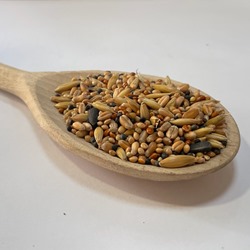
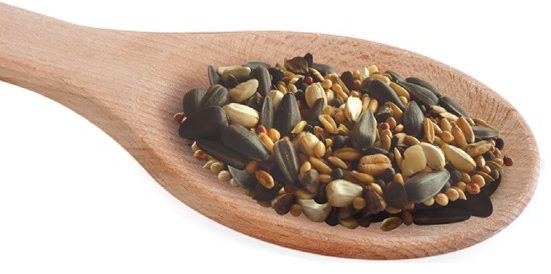
  • Seed mixes

Avoid allowing food to spoil in the heat and clean feeders frequently.

Suet Feast Feeder


Leave Some Areas Wild

Longer grass and less-tidy corners provide cooler microhabitats where insects can thrive. These areas become important feeding grounds for birds throughout the summer months.

Signs of Heat Stress

If you notice a bird sitting quietly with its beak open, wings drooping and breathing rapidly, it may be struggling with the heat. Often, providing access to water nearby is the most helpful action. If a bird appears injured or severely distressed, contact a local wildlife rescue organisation for advice.

A Small Effort Makes a Big Difference

As climate change increases the frequency of heatwaves across the UK, our gardens are becoming increasingly important refuges for wildlife. Something as simple as a bowl of fresh water can make a significant difference to a bird trying to survive a scorching June day.

This summer, take a few moments to watch the activity around your garden. You may be surprised by how many birds benefit from the shade, food and water you provide. In return, they'll continue to bring colour, song and life to your outdoor space all season long.

See our full range of bird baths


If you have any further questions about looking after your garden birds, please get in touch with us today and a member of our friendly team will be happy to help!


26 Mar 2026
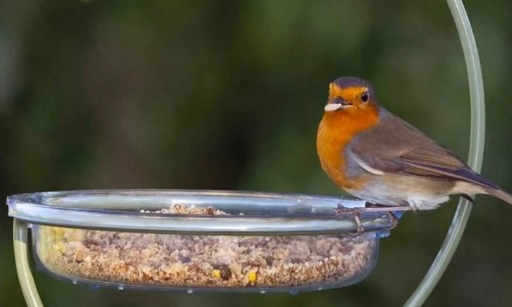
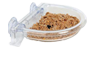
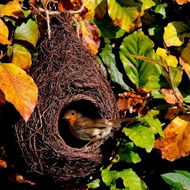
Robin redbreast feeding from an easy-to-clean treat dish

SHORT ANSWER: Yes! Feeding wild birds is a great way to support them – just make sure you're doing it responsibly.

A recent press release from the RSPB has received a lot of news coverage and caused no small amount of alarm. It warns nature lovers not to feed seeds or peanuts to their garden birds between the start of May and the end of October. Why? To help stop the spread of disease among British birds.

This certainly hasn't come out of the blue. Concerns about avian diseases, overcrowding, and the impact of human feeding habits have been raised loudly and repeatedly over the past few years. One might easily get the impression that the bird feeders in our gardens are actually doing more harm than good.

Now, as a qualified vet, I'm all too aware of the problems that poorly-maintained feeding areas can cause for wild bird populations. However, please be reassured that there's no need to stop feeding your feathered friends, who need your help now as much as ever!


PICTURED: I Love Robins® Easy-clean Hanging Treat Dish


Why feeding the birds is important

Garden feeding plays a key role in supporting British bird populations, particularly in urban and suburban areas where natural food sources tend to be in short supply.

A reliable source of high-energy food can make a real difference for many UK bird species, especially during the nesting season (March to September) as well as the cold winter months.

So feeding itself isn't the problem. The problem is hygiene.


Where the concerns come from

When large numbers of birds gather around the same feeding station, diseases can spread easily. Contaminated feeders, droppings, and leftover food can all contribute to the transmission of illnesses such as salmonellosis.

This is why some experts have raised concerns – not because feeding birds is a bad idea in itself, but because too many people aren't doing it hygienically.


How to feed birds safely

Practising good feeder hygiene is crucial to feeding birds safely and minimising the risk of disease.

Here are some expert tips:

  • Clean and disinfect your feeders regularly. See How to Clean & Disinfect Bird Feeders for details. (You might want to consider replacing your current feeder with an easy-clean bird feeder to make this job easier.)

  • Remove old food before it gets mouldy. Don't leave the same food in your feeders for more than a week. Any damp food should be replaced immediately.

  • Use a scraper tool to keep your feeding station free of bird droppings.

  • Move your feeding station to a different spot every so often. This will help to prevent droppings and uneaten food from building up in one specific area.

  • If possible, place multiple bird feeders in different spots to avoid overcrowding.

  • Fill your feeders with no-waste bird food to reduce mess on the ground.

  • Keep any bird baths clean and topped up with fresh water.

These small steps will make a big difference to the health of your local bird population.


Keep feeding those birds!

As long as you follow good hygiene practices, feeding wild birds remains a positive and beneficial activity.

Recent warnings may have given you pause for thought, but the correct response is not to stop feeding your birds altogether. By keeping feeders clean and managing your feeding area carefully, you can continue to support your local wildlife without spreading disease.

Feeding wild birds is an easy way to feel closer to nature. With the right approach, it can be both safe and rewarding. If you're unsure where to start, or if you want to improve your bird feeding setup, explore our range of bird feeder cleaning products and feeding solutions — or drop me a line and I'll be happy to offer whatever advice I can!

Bird Feeder Cleaning Products   Ask a Question

This article comes from Lesley Smith, Really Wild Bird Food's co-founder and resident vet. Lesley frequently draws on her experience as a veterinary surgeon to provide guidance for customers who are concerned about the health of their garden birds. If you're interested in learning more about wild bird diseases, you can read more on the topic from Lesley here.

LAST UPDATED: 13th April 2026

23 Mar 2026

April is one of the most exciting months for bird lovers across the UK. As Spring arrives in full force, gardens come alive with birds nesting, feeding, and raising their young. If you want to attract more birds to your garden and help them thrive, this is the perfect time to invest in the right products. Below is some handy advice to the best garden bird products to use in April, and how each one makes a real difference.

Why April Is So Important for Garden Birds?

During April, birds are:

  • Building nests
  • Laying eggs
  • Feeding chicks
  • Defending territories

All of this requires huge amounts of energy and safe spaces, which is where your garden can help. By providing food, water, and shelter, you’re not just attracting birds, you’re supporting their survival during one of the most demanding times of the year.

 1. Bird Feeders – The Foundation of Any Bird-Friendly Garden

A good quality bird feeder is the first thing you need. Feeders provide a reliable food source and encourage birds to visit regularly. In April, this is especially important as natural food supplies can still be inconsistent and insect numbers low.

Best types to use:

Tip: Place feeders near shrubs or trees so birds have a quick escape from predators.

 2. High-Energy Bird Food – Essential for Nesting Season

Birds need high-protein, high-fat foods to support egg production and feed their young during Spring time. Suet-rich bird food is ideal for breeding, moulting, migration, and colder seasons because it delivers the additional boost of energy needed to keep your garden birds healthy and full of life. Birds love the taste of suet rich food and we're confident that your feathered friends will keep coming back for more!

Top food choices:

3. Nest Boxes – A Safe Place to Raise Young

April is peak nesting season, making nest boxes one of the most impactful products you can add to your garden. Many birds struggle to find natural nesting sites due to urban development, so a simple nest box can make a huge difference.  All of our boxes, pockets and pouches are specifically designed to provide suitable accommodation for wild birds.

Popular options:

Placement tip: Install boxes 1–3 metres high, away from direct sunlight and strong winds.

 4. Bird Baths – often overlooked but always needed

Water is just as important as food. Hydration is important for all birds, although small, seed-eating birds are most in need of fresh drinking water due to the fact that it is not naturally present in their diet. For this reason, it is critical to supply your garden birds with a source of fresh drinking water, be it via a bird bath or hanging bird drinker.

Birds use water for:

  • Drinking
  • Bathing
  • Cleaning feathers

As temperatures rise in April, providing fresh water can significantly increase bird activity in your garden. We stock a good selection of bird baths to suit your budget and needs.

What to look for:

  • Shallow design
  • Easy to clean
  • Stable base

Change the water regularly to keep it safe and hygienic.

 Creating a Bird-Friendly Garden (Quick Tips)

To get the most out of your products:

  • Plant native shrubs for shelter
  • Keep feeding areas clean
  • Avoid using pesticides
  • Provide food consistently

Consistency is key, once birds trust your garden, they’ll return again and again. April is your opportunity to transform your garden into a thriving wildlife haven. With just a few simple additions:- a feeder, quality food, a nest box, and fresh water, you can support birds during their most important season and enjoy the beauty they bring to your outdoor space. Whether you’re a beginner or a seasoned bird watcher, there’s no better time to get started.


If you have any further questions about looking after your garden birds, please get in touch with us today and a member of our friendly team will be happy to help!

 
16 Mar 2026
What You Need to Know About Usutu Virus

A mosquito-borne disease known as the Usutu virus has now been widely detected across the South of England. The virus, first discovered more than fifty years ago around Africa’s Usutu River, has been present in mainland Europe since the 1990’s and finally made its way to the UK after a hot and humid summer in 2020. So, what does this mean for our beloved garden birds? Keep reading this blog to find out!


15 Jan 2026
Really Wild Bird Food

If you’ve been searching for a high-quality bird feed that you can put out for your feathered friends, you may have come across Peckish Bird Food, a very popular UK brand. But how do their products compare to ours?

In this blog post, we’ll outline some key differences between the home-grown seed mixes we sell here Really Wild Bird Food and the products available from Peckish to help you pick the best value, most sustainable and highest quality bird food for your garden birds!


Quick Comparison

  • Here at Really Wild Bird Food, we grow most of the ingredients for our bird seed mixes ourselves – and we do our best to source the rest from nearby locations. We’re transparent about where we get our ingredients from, whereas Peckish are less direct about their sources.

  • Really Wild Bird Food seed mixes generally contain less low-nutrition filler (e.g. wheat) than Peckish Bird Food mixes.

  • Peckish Bird Food tends to be cheaper, although this depends on who you buy it from – you can’t order directly from Peckish, so you have to find a stockist who’s offering a good price. Really Wild Bird Food products can be ordered directly from reallywildbirdfood.co.uk, and we offer free delivery on all bird food orders (plus great savings when you buy in bulk).


Ingredient Sourcing

While Peckish advertise most of their seed mixes and straight seeds as ‘sustainably sourced’, they are not particularly transparent about where they actually get their ingredients from. For their Natural Balance range, they highlight that the ingredients are 100% UK and Irish sourced – the fact they have only highlighted this here suggests that their other products contain at least some ingredients from elsewhere.

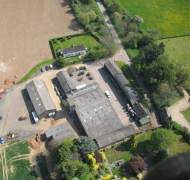
At Really Wild Bird Food, we grow the vast majority of our ingredients right here on our farm in Hampshire. Some of our seed mixes (notably EnviroMix) even have 100% of their ingredients grown by us, meaning that by the time the seed is ready to be sent to your door, it has travelled a grand total of zero miles!

For the bird seed ingredients that we can’t grow ourselves, we do sometimes source from overseas. However, we keep our carbon footprint low by sourcing our ingredients from European locations like Bulgaria and the South of France. We also try hard to be transparent about where our products come from so that each customer can make an informed purchasing decision.


Bird Food Quality

Peckish Bird Food’s standard mixes tend to contain bulking agents like wheat, which may fill up larger birds like pigeons but will probably just be ignored by smaller garden birds. This can lead to unsanitary feeding areas with excess food waste, spoiled seed and pests! At Really Wild Bird Food, we use fewer fillers in our seed mixes which can help to attract a broader range of small birds and reduce mess.

In addition to this, while Peckish feeds aim for balanced nutrition, they don’t necessarily match the calorie density of other premium options offered by Really Wild Bird Food. So, if you’re looking for bird food options that will keep your feathered friends warm, healthy and full of energy, premium seed mixes from Really Wild Bird Food are probably your best bet!

Furthermore, if you’re wondering whether Really Wild Bird Food or Peckish give you the best value for money, we will have to side with ourselves due to the ability to buy in bulk, our high-quality ingredients, minimal filler and free delivery offer with ANY orders that include bird seed.


Choose Really Wild Bird Food!

If you have any questions about our bird food ingredients, quality or anything else you may have seen in this blog, please do not hesitate to get in touch with us and a member of our team will be happy to help!

Shop Bird Food   Ask Us a Question

09 Jan 2026
Colour in your garden

Have you seen the new Peckish TV advert yet? It’s all about using bird food to colour in your garden with vibrant winged wildlife!

Birds need a little extra help in winter to stay energised, so now is the perfect time to start feeding the birds. This is an easy and fun activity that can bring more colour to your garden and your neighbourhood in general.

The new Peckish campaign encourages viewers to colour in their gardens by feeding the birds. However, it can be tricky to know where to start. We’re a distributor with years of experience helping feed wildlife, so we’re happy to help – here’s everything you need to colour in your garden this year!


How to colour in your garden

1) Choose a bird feeder

We sell a variety of Peckish bird feeders that can add a bit of colour to your garden. You’ll even get free delivery on your bird feeder if you also buy one of our nutritious home-grown seed mixes.

Here’s a tip: some birds are picky about how they feed. Birds like robins and chaffinches are ground feeders, which means they prefer to peck from a flat surface. The Peckish Everyday Bird Table features a roof (which provides shelter for birds while they eat) and is very easy to assemble. Some ground-feeding birds may prefer a table that is closer to the ground, but many will happily eat from an elevated table. Plus, the classic wooden table will make a lovely addition to your garden!

If you don’t have space for a freestanding bird table, you can still attract plenty of colourful birds with a hanging feeder, like the Peckish All Weather Large Seed Feeder. It is ideal for rainy UK winters and easy to fill with delicious bird seed.

Peckish also offer a couple of more specialised feeders, like their sunflower heart and suet ball feeders. If you want to attract lots of different birds, your best option is to use a few different types of bird feeder.

With so many wonderful options, your garden will be more colourful before you know it!


2) Choose some bird food

You can’t colour in your garden without bird food. Providing nutritious and healthy seeds is the quickest way to draw in a crowd of new feathered friends. At Really Wild Bird Food, we offer a huge range of seed mixes, from our eco-friendly EnviroMix to our Ground Blend, which is specifically formulated for ground-feeding birds!

If you’re a little overwhelmed by all the choice, you can’t go wrong with our best-selling Tidy Garden Mix. Unlike some mixes, which may leave a mess of shells or cause weeds to grow around your feeding area, this mix only includes ingredients that won’t sprout. It’s foolproof and beloved by a wide variety of garden birds.

Another tip: birds don’t just eat seeds! In nature, many birds eat insects. You can put out live mealworms for your birds, but we know this can be a bit daunting if you are just starting out so we also offer dried mealworms that don’t wriggle around.

Suet – available in the form of fat balls or suet pellets – is another popular treat for birds. It’s full of fat, which healthy birds need to stay warm (especially at this time of year). Our Seed and Suet Combo mix offers birds a balanced, high-energy diet.


3) Take care of your local birds

Setting up a feeder and filling it with bird food is a really good start, but there are a few more small steps you can take to care for your new avian visitors. You should provide water for drinking and bathing, clean your bird feeders regularly, and offer plenty of places for birds to rest or hide. Nesting boxes give birds shelter from predators and bad weather, and many of them have fun designs that can improve the look of your garden.

Feeding the birds is a lovely way to make your garden more colourful, but by taking these extra steps, you can be sure that you are doing your best to properly care for the wildlife around you. Preserving your local bird species by providing food, water and shelter can be incredibly rewarding.


Ready to colour in your garden?

You can colour in your garden by following the instructions above! We hope you enjoy seeing new, beautiful birds flock to your filled-up feeders. And remember: we offer FREE DELIVERY if your order includes one of our seed mixes!

Shop Bird Food

Read these guides for even more useful information on feeding the birds:

02 Oct 2025
How to Prevent Trichomoniasis in Birds

Trichomoniasis is a contagious disease caused by the protozoan parasite Trichomas gallinae. The disease affects the gullet and throat, making it difficult for birds to swallow and breathe, often leading to death from starvation and dehydration. Birds that are commonly affected by trichomoniasis include pigeons, doves, house sparrows and finches – in fact, the breeding greenfinch population in the UK declined from 4.3 million to 2.8 million since the emergence of trichomoniasis in 2005.

So, how is trichomoniasis treated in wild birds and are there any ways to prevent it from spreading? This blog will unpack everything you need to know about trichomoniasis in wild birds.