





































































Category: Bird Profile


17 Mar 2026

A Birdwatching Moment in Fordingbridge

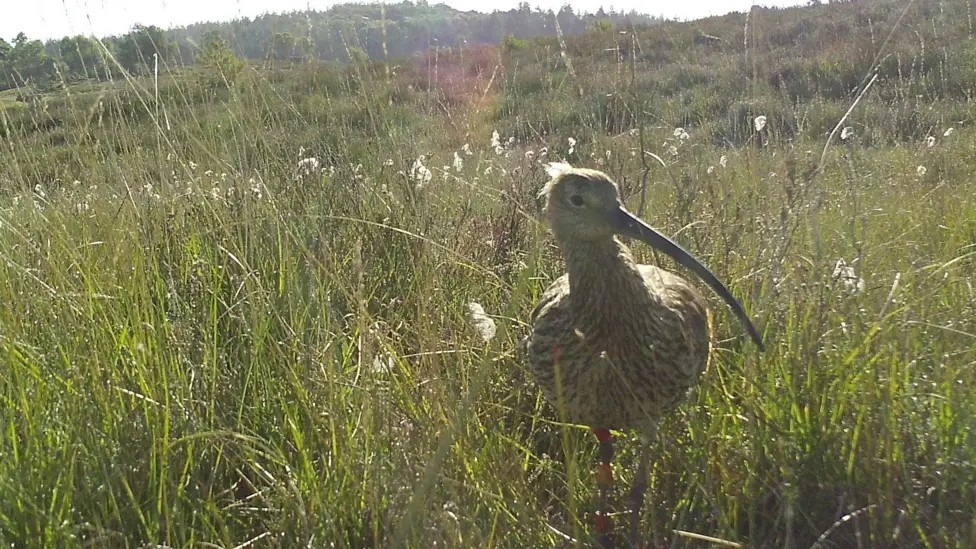
If you’re into birdwatching, you’ll know the thrill of spotting something unusual. But every now and then, something truly extraordinary happens, this is exactly what unfolded recently near Fordingbridge in Hampshire. Local birdwatchers have identified what is believed to be the oldest recorded Eurasian curlew in the UK. And honestly, it’s the kind of story that reminds you why people fall in love with nature.

Meet “Mrs Ogdens”

The star of the show is a female curlew affectionately known as “Mrs Ogdens.” She might look like any other curlew at first glance with long legs and a distinctive curved bill, but her story is anything but ordinary. Thanks to the coloured rings on her legs (used by researchers to track birds), experts were able to confirm her age: an incredible 33 years and nearly nine months. That’s practically unheard of for a bird like this. She was first ringed way back in 1992 on Brownsea Island, and has been quietly living her life ever since - migrating, feeding, and even raising chicks.

Spotted Near the Avon Valley

More recently, Mrs Ogdens has been seen in the Avon Valley, right near Fordingbridge, where she feeds during the colder months before heading back to the New Forest for the breeding season.  For local birdwatchers, spotting her isn’t just exciting—it’s deeply meaningful. You’re not just looking at a bird; you’re witnessing over three decades of survival, migration, and resilience.

Why This Matters

As uplifting as this story is, it also comes with a sobering reality. Curlews in the UK are in trouble. Their numbers have dropped significantly in recent decades, mainly because fewer chicks are surviving to adulthood. So while Mrs Ogdens is surviving, the next generation just are not being replaced quickly enough.

A Small Glimmer of Hope

There is some good news, though. Even at the ripe old age of 29, Mrs Ogdens successfully raised a chick!  This is a rare and encouraging sign that conservation efforts can work when the conditions are right. Projects focusing on habitat protection and predator management are slowly making a difference, especially in places like the New Forest. So next time you’re out walking near Fordingbridge, keep your eyes open. You never know, you might just catch a glimpse of a living legend.

If you have any further questions about Eurasian Curlews or bird feeding advice, please get in touch with us today and a member of our friendly team will be happy to help!

 
17 Mar 2026

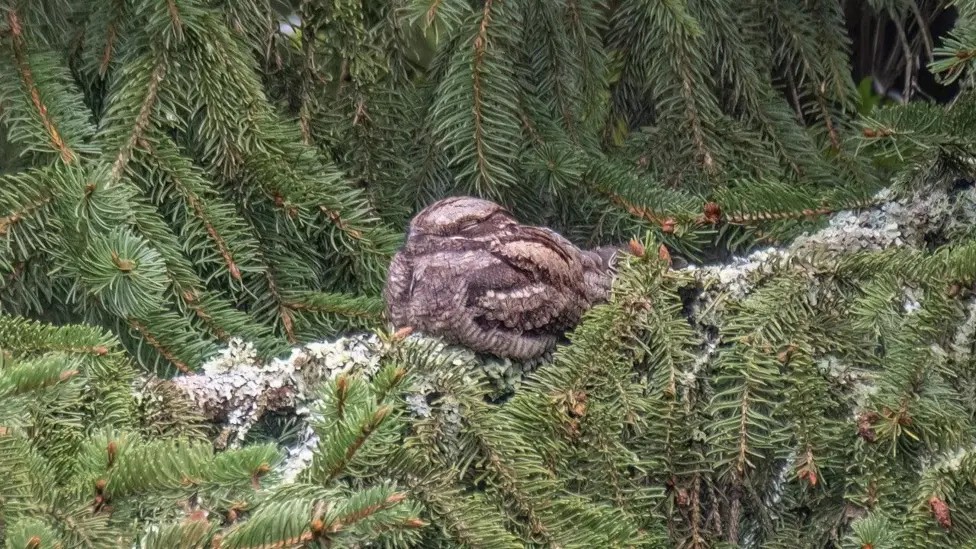
Nightjars Return to the South Downs National Park


As dusk settles over South Downs National Park, a  “churring” sound can be heard across the heathland -  once a rarity, now signals the return of the elusive nightjar.

A Bird of Myth and Mystery

The nightjar is one of Britain’s most enigmatic birds. With mottled plumage that blends seamlessly into leaf litter and tree bark, it is rarely seen even when nearby, and instead it is known by it's hypnotic churring sound which can be heard at twilight.

Historically, the bird carried a curious reputation. Sometimes called the “goatsucker,” folklore claimed it stole milk from livestock under cover of darkness. In reality, the nightjar’s nocturnal habits are far less sinister preferring to hunt moths and other flying insects in the fading light.

Each year, these birds undertake an extraordinary migration, travelling roughly 4,000 miles from central Africa to breed in southern England between April and August.

Decline and Danger

Despite its mystique, the nightjar has faced very real threats. During the late 20th century, populations declined sharply, dropping by over half between the 1970s and early 1990s.

The main culprit was habitat loss. Lowland heath, essential for ground-nesting nightjars, was cleared for agriculture, forestry, and development. Today, this habitat makes up only about 1% of the national park, making it as rare as rainforest in a British context.

A Remarkable Recovery

Recent years, however, have brought a turnaround. Conservation efforts across the South Downs have led to what experts describe as a “remarkable comeback.”

Populations are estimated to have doubled in just five years, with 78 birds recorded in a recent survey and a record 109 breeding territories identified in key heathland areas of east Hampshire.

This recovery is no accident. It is the result of sustained, coordinated action:

  • Habitat restoration: Rebuilding and maintaining lowland heath for nesting

  • Land management: Controlling vegetation and preserving open ground

  • Public engagement: Encouraging visitors to keep dogs on leads and stay on paths

Together, these efforts have created the conditions nightjars need to thrive again.

A Wider Ecological Revival

The nightjar’s return is part of a broader pattern. Other heathland specialists, such as woodlarks and Dartford warblers, are also increasing in number.

This suggests that restoring a single habitat can trigger a cascade of ecological benefits. In a landscape where biodiversity has long been under pressure, such signs of recovery are both rare and encouraging.

The Sound of Hope

The resurgence of the nightjar is more than a conservation statistic, it is a sensory experience. To hear one at dusk is to encounter something ancient and almost otherworldly, a sound that once risked fading into silence.

Now, thanks to careful stewardship and community effort, that sound is returning to the South Downs. It is a reminder that, given the chance, nature can recover and that even the most elusive species can find their way back.

If you have any further questions about nightjars or looking after your garden birds, please get in touch with us today and a member of our friendly team will be happy to help!
23 Jan 2025

Unfortunately, many of Britain’s favourite feathered friends are becoming more difficult to spot due to declining bird populations. Endangered UK birds are threatened by issues like global warming, disease, and food scarcity.

In the UK, the Birds of Conservation Concern (BoCC) system is used to sort bird species into three different lists: Red, Amber and Green. The Red List comprises the UK’s most endangered birds, many of which are at risk of extinction.

All three lists are updated periodically, to give an accurate impression of which birds are currently at risk. Sadly, the picture is getting bleaker as time goes by; the most recent edition of the Red List (published in 2021) featured eleven more birds than the previous one.

Read on to learn about some of the UK’s most endangered bird species, as well as what can be done to help them.

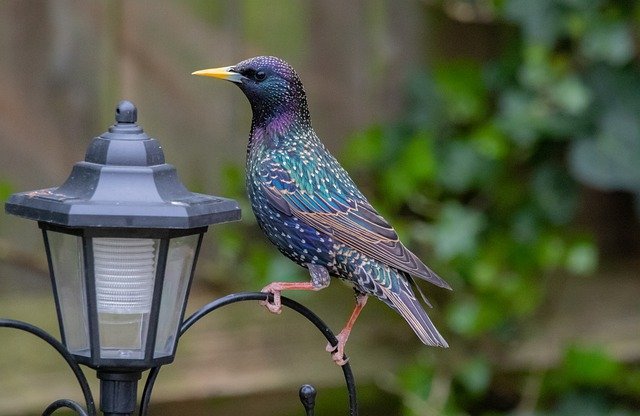
1) Starling

Found in UK gardens, starlings are excellent mimics!

If you have a bird feeder, you might be surprised to see starlings on this list. After all, they are fairly common visitors to UK gardens. However, their population has drastically declined since the 1980s. This fast rate of decline is extremely concerning and has earned them a place on the Red List.

It’s been suggested that this decline is due to pollution and food scarcity caused by rising temperatures. Starlings eat a wide variety of foods, including spiders and moths, as well as nutritious fruit, but it is getting harder for them to access these resources. Putting out fruit for local starlings is just one way you can help – but we’ll have more advice on that later in the article.


2) Goldeneye

A diving duck known for its golden gaze!

Goldeneye ducks are named for their yellow eyes, which make them easy to recognise despite the fact that males and females have different feather patterns. Brown-headed goldeneye ducks (like the one pictured above) are female, whereas male goldeneyes have green and white heads. You might be more familiar with these birds if you live in Scotland, where many of them nest.

The goldeneye duck has sadly been moved from the Amber List to the Red List, indicating a risk to this bird’s future. There are only around 200 breeding pairs left in the UK. Thankfully, measures have now been taken to try and save this duck, and there were more than 25 young goldeneyes born in Cairngorms National Park in 2023.


3) Greenfinch

A vibrant, charismatic bird with a distinctive tweet!

Greenfinches might be small, but thanks to their bright feathers and loud ‘wheezing’ bird call, they are easy to spot. If you live in the UK and put out bird seed regularly, you’ve likely seen a greenfinch or two in your garden – possibly with a flock of other finches in tow! They tend to flock together in winter when searching for seeds.

Greenfinches were previously on the Green List, but a rapid decline in breeding population means that they are now a species of conservational concern. This is likely due to an unfortunate spread of the parasite-induced disease known as trichomonosis. Remember to clean your bird feeders regularly!


4) Merlin

The UK’s smallest bird of prey – a small falcon with pointed wings.

Merlins are on the Red List of endangered UK birds due to low population numbers, but their population has fluctuated over time. They were briefly taken off the Red List when numbers went up, though unfortunately they are now considered to be at risk again.

For now, at least, merlins are widespread and can be found throughout much of the UK during breeding season, so you might be able to spot one of these birds near you! In winter, you’ll find merlins hiding out in farmland and coastal marshes.

As a bird of prey, merlins mainly eat smaller birds and mammals – though they will also eat insects.


5) Linnet

Once a common farmland bird, loved for their beautiful birdsong 

A linnet is a type of finch with a pink forehead and breast. Linnets like seeds so much that they were named after them! Specifically, they are named after linseed, which is another name for flaxseeds. You may see linnets among large flocks of seed-seeking birds, particularly on UK farmland. 

According to the RSPB, the UK’s linnet population has declined by 72% since 1967 (mostly due to a loss of their food sources). Even more worryingly, linnets are not just at risk in this country – they are facing a global population decline.


How You Can Help Endangered UK Birds

As you may have noticed, many endangered UK birds are on the Red List because they don’t have access to enough food. Providing nutritious bird foods, like seeds and insects, can help these birds to survive. Giving birds access to a water source can also be helpful, so consider adding a bird bath to your garden if you have room.

As in the case of the greenfinch, bird populations will sometimes decline due to avian diseases. To help prevent the spread of these fatal illnesses, try to keep your bird baths and feeding stations as clean as possible. We recommend using Ark-Klens™ disinfectant (diluted in water) to clean your feeders, tables and baths. And be sure to change feeds regularly; bird seed will go mouldy if left in the feeder for too long.

You can also try to boost natural food sources, which is particularly helpful for birds like starlings who are losing these resources. Create ponds, plant wildflower seeds, and let your grass grow! You could also try planting bushes and hedgerows, so birds like linnets can nest and take cover. Don’t forget to add nesting boxes to your garden, as these can provide birds with necessary shelter from predators and other dangers.

Really Wild Bird Food offers a large variety of supplies for the care and protection of wild birds, including nutritious bird food, homes and feeders. If you’re interested in protecting endangered birds, you can get started through the links below!

Bird Foods      Bird Feeders

16 Nov 2023
 
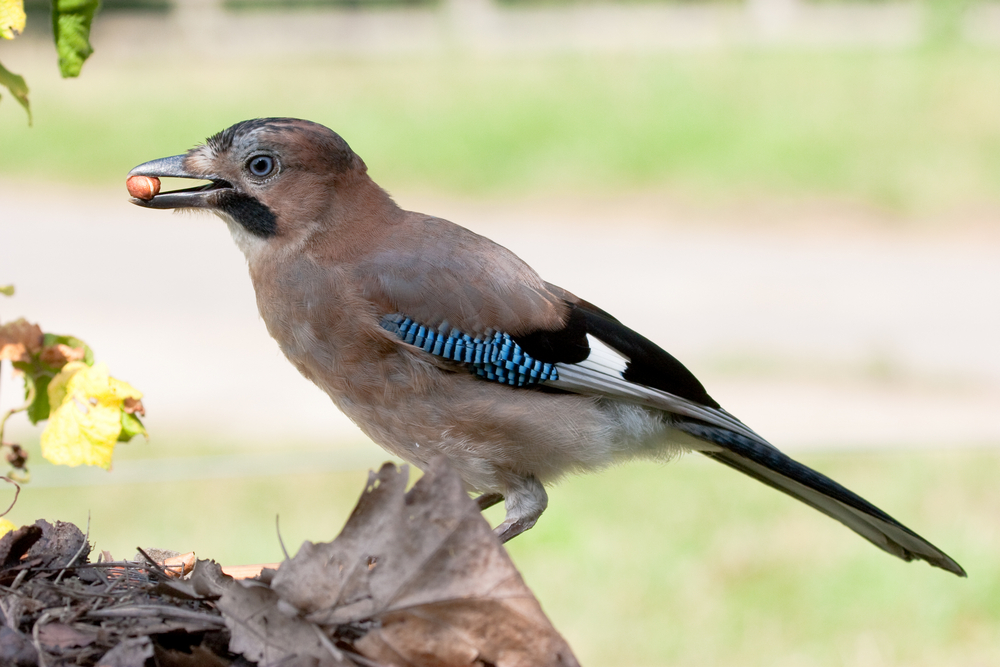
Bird profile - Jay
 
The Jay is the most colourful member of the crow family and it can be seen all over the UK.
19 Oct 2023
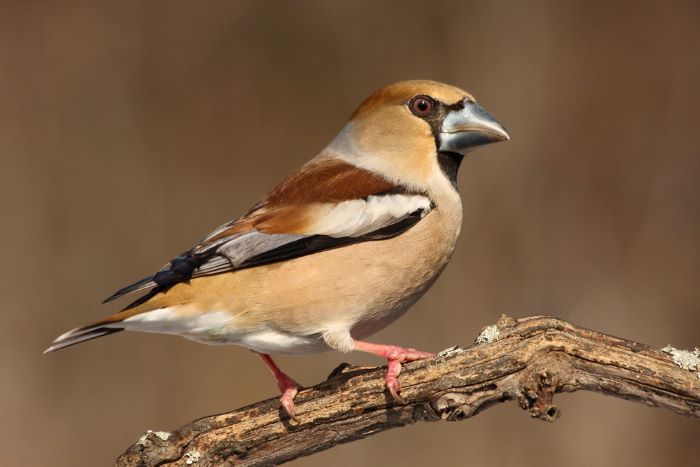
hawfinch food

Scientific name: Coccothraustes coccothraustes

Hawfinches are the UK's largest finch and can be found across Europe and Asia. They are very rare birds - in fact, they are red-listed in the UK and are thought to have a population of less than 1,000 breeding pairs. This can make them a particularly difficult species to spot, combined with their shy nature, these birds can be pretty elusive!

14 Sep 2023
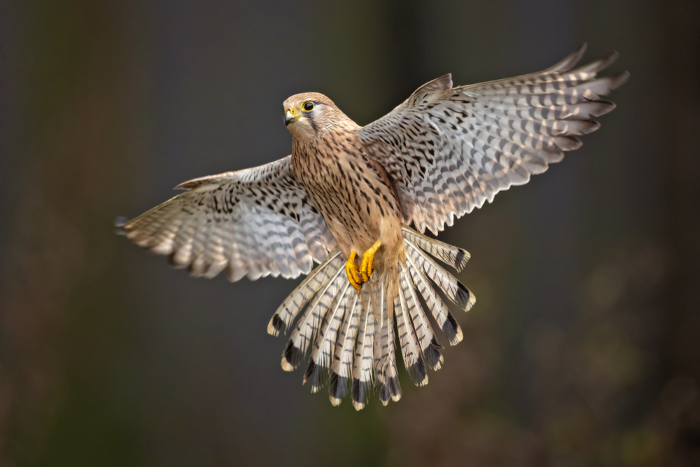
what do kestrels eat

Bird Profile - The Kestrel! 
07 Sep 2023
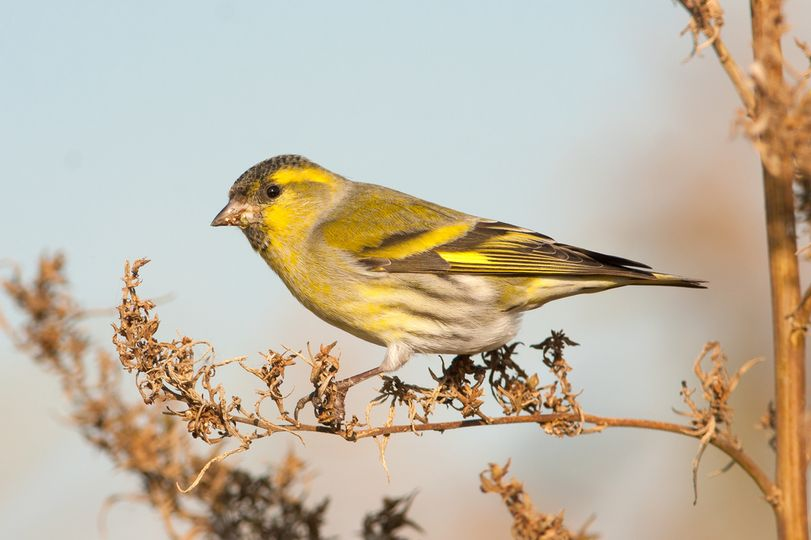
siskin bird perched on a branch

Siskin (Carduelis Spinus) 
 
This beautiful bird is a lively small finch. It has a forked tail and the male has a yellow-green body and back crown. They are relatively small birds, between a blue tit and a robin in size. Siskins can be found in coniferous and mixed woodland across the UK.
04 Aug 2023
turtle dove facts

Bird profile - Turtle Dove

Turtle Doves are Summer visitors to the UK, and are ecologically unique by being Europe’s only long distance migratory dove. They spend just a third of the year on their breeding grounds in Europe and the Winter on their non-breeding grounds in sub-Saharan West Africa. In Europe, they are mostly found on farmland where they nest in thick scrub and feed on bare ground, enjoying the seeds of wildflowers.