





























Category: Learn About Nature


23 Jun 2026


Garden Birds in June: Helping Wildlife Through the Extreme Heat

June is usually one of the most vibrant months in the garden. Birds are busy feeding fledglings, insects are abundant, and the dawn chorus is still in full swing. However, when temperatures soar and prolonged periods of extreme heat arrive, our feathered visitors can face significant challenges.

Why Hot Weather Is Difficult for Birds

Unlike humans, birds cannot sweat to cool themselves down. Instead, they regulate their body temperature through behaviours such as panting, holding their wings away from their bodies, and seeking shade. During heatwaves, these methods may not be enough, especially for young birds that have recently left the nest.

The intense heat can also reduce the availability of natural water sources. Puddles dry up, streams shrink, and damp areas that provide insects and worms become much harder to find.


Birds Most Affected

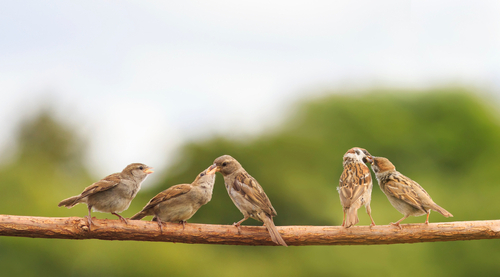
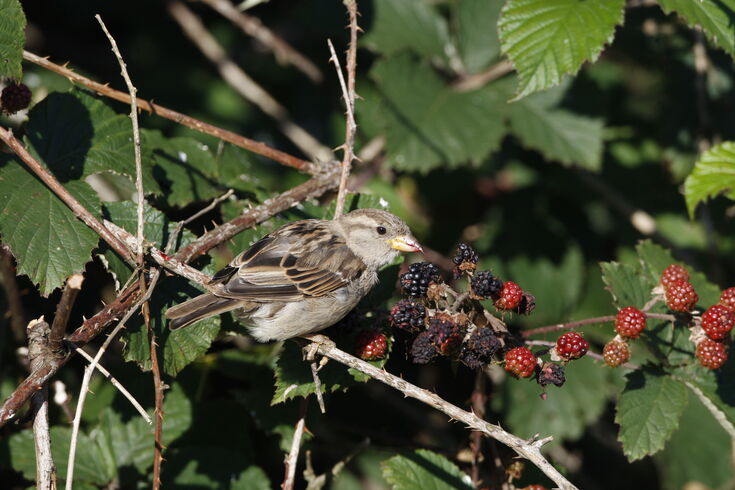
Many familiar garden species can struggle during hot weather, including robins, blackbirds, sparrows, starlings and blue tits. Young fledglings are particularly vulnerable as they are still learning to forage and may become dehydrated quickly.

Ground-feeding birds often find it harder to locate food when the soil becomes dry and compact, preventing them from accessing worms and other invertebrates.

How You Can Help

Provide Fresh Water

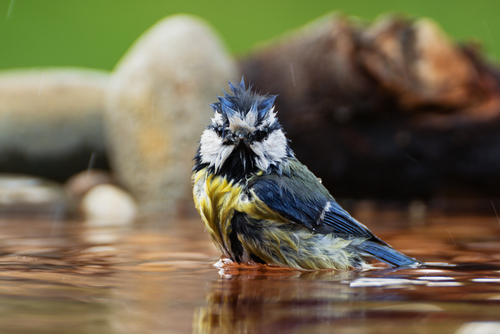
The single most important thing you can do is provide clean, fresh water. A shallow bird bath allows birds to drink and bathe, helping them regulate their body temperature.

Make sure the water is:

  • Refilled daily
  • Kept shallow for safety
  • Positioned near cover but away from lurking cats
  • Cleaned regularly to prevent disease

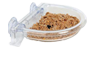
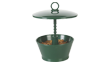
National Trust Vierno Bird Bath

Create Shade

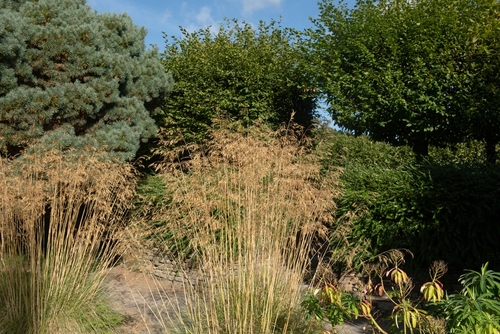
Gardens with a variety of shrubs, hedges and small trees offer birds a welcome refuge from the midday sun. If your garden lacks natural shade, even a strategically placed plant pot or garden structure can provide temporary relief.

Continue Feeding

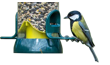
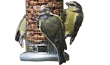
While birds rely heavily on natural food in summer, supplementary feeding can still help during extreme weather. Suitable foods include:

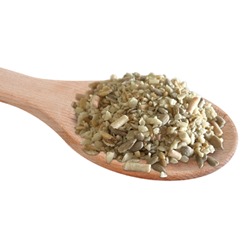
  • Sunflower hearts
  • Mealworms
  • Suet products designed for summer use
  • Seed mixes

Avoid allowing food to spoil in the heat and clean feeders frequently.

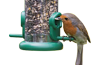
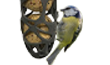
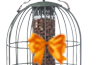
Suet Feast Feeder


Leave Some Areas Wild

Longer grass and less-tidy corners provide cooler microhabitats where insects can thrive. These areas become important feeding grounds for birds throughout the summer months.

Signs of Heat Stress

If you notice a bird sitting quietly with its beak open, wings drooping and breathing rapidly, it may be struggling with the heat. Often, providing access to water nearby is the most helpful action. If a bird appears injured or severely distressed, contact a local wildlife rescue organisation for advice.

A Small Effort Makes a Big Difference

As climate change increases the frequency of heatwaves across the UK, our gardens are becoming increasingly important refuges for wildlife. Something as simple as a bowl of fresh water can make a significant difference to a bird trying to survive a scorching June day.

This summer, take a few moments to watch the activity around your garden. You may be surprised by how many birds benefit from the shade, food and water you provide. In return, they'll continue to bring colour, song and life to your outdoor space all season long.

See our full range of bird baths


If you have any further questions about looking after your garden birds, please get in touch with us today and a member of our friendly team will be happy to help!


16 Mar 2026
What You Need to Know About Usutu Virus

A mosquito-borne disease known as the Usutu virus has now been widely detected across the South of England. The virus, first discovered more than fifty years ago around Africa’s Usutu River, has been present in mainland Europe since the 1990’s and finally made its way to the UK after a hot and humid summer in 2020. So, what does this mean for our beloved garden birds? Keep reading this blog to find out!


12 Feb 2026
Where to Put a Nest Box

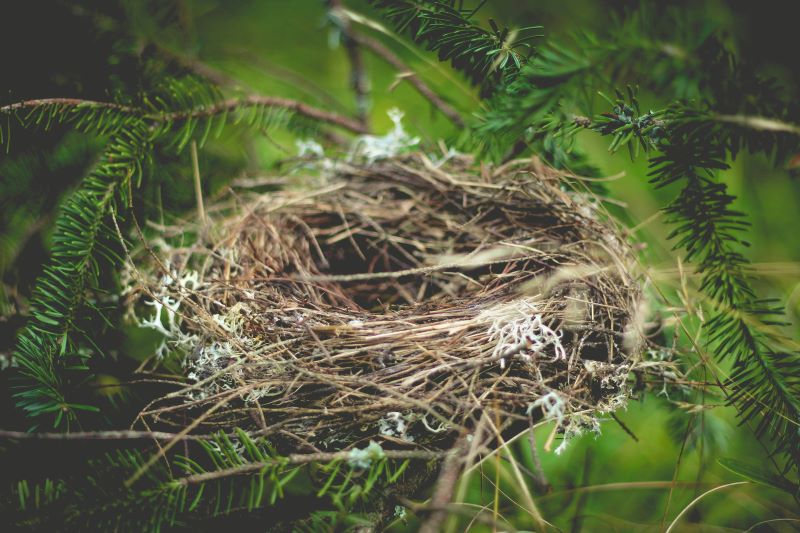
National Nestbox Week is coming up next week (February 14th to February 21st) and bird nesting season is right around the corner, so it is more important than ever to help your local birds out with safe and cosy nesting opportunities.

If you’re not sure where to start, this blog will take you through where to put nesting boxes for different species of garden birds, so that no bird is left without shelter this nesting season.


03 Dec 2025
can birds use human hair for nests

You may have been told before to brush your hair outside, it saves you time on cleaning up the fallen strands and gives your local birds something to build their nests with. However, this is a misconception, leaving human hair out for birds is actually not safe and should be discouraged – we’ll explain why in this blog!

02 Oct 2025
How to Prevent Trichomoniasis in Birds

Trichomoniasis is a contagious disease caused by the protozoan parasite Trichomas gallinae. The disease affects the gullet and throat, making it difficult for birds to swallow and breathe, often leading to death from starvation and dehydration. Birds that are commonly affected by trichomoniasis include pigeons, doves, house sparrows and finches – in fact, the breeding greenfinch population in the UK declined from 4.3 million to 2.8 million since the emergence of trichomoniasis in 2005.

So, how is trichomoniasis treated in wild birds and are there any ways to prevent it from spreading? This blog will unpack everything you need to know about trichomoniasis in wild birds.


06 Aug 2025


Wood Pigeon Nestlings (September 2012). Original photo by nottsexminer. Licensed under CC BY-SA 2.0.

If you find a baby pigeon (also known as a squab) that seems to be in need of help, there are a few different steps you need to take…


29 Jul 2025
Can Birds Eat Rice?

In 1996, a rumour began to gain traction after being published in a bird-feeding advice column: Wild birds cannot eat uncooked rice because when ingested, it swells and causes their stomach to extend.

We now know that this rumour isn’t true – cooked and uncooked rice pose no risk to wild birds – however, that did not stop the rumour becoming so widespread and it pretty much stopped the tradition of throwing rice at weddings for fear of killing the local wildlife.

In this blog, we will explore the facts behind the assumptions and discuss the safest ways to feed rice to your local bird population. Let’s get started!


Disproving the Rumour

There are a couple of reasons why the rice rumour doesn’t make logical sense:

  1. For rice to be cooked and swell, it must be boiled in water at 100 degrees. A bird’s internal temperature is usually around 37 degrees and is therefore nowhere near hot enough to cook the rice and cause it to swell.
  1. Birds also have very fast metabolisms and so the food they eat is sometimes digested within just minutes and converted into energy. Therefore, the rice does not stay in the bird’s stomachs long enough to cook or swell.


Is Rice Good for Birds?

Although rice is safe for birds, it’s not necessarily a great nutritional source. It can provide a quick energy source in the form of carbohydrates, however, rice lacks many of the essential nutrients, vitamins and minerals that wild birds need for their balanced diet.

Brown rice is healthier for humans and thus is also more beneficial for wild birds too. It contains more of the energy, proteins and fibre needed for a healthy avian diet.


How to Feed Rice to Birds

If you choose to feed your local birds rice, make sure it is only offered in moderation and as a supplement to a balanced diet. You also must ensure that you never feed fried, seasoned or salted rice to your garden birds – you may also want to rinse plain rice to remove some of the extra starch before putting it out.


So, if you have a wedding coming up and you want to follow the throwing rice tradition, know that you can without harming the local bird population; however, throwing a traditional seed mix or white millet will probably be more popular with your feathered friends and you won’t have to worry about the clean up!

Browse Seed Mixes

10 Jul 2025
Do Birds See in Colour?

If you have ever spent time watching birds fly around in your garden, you may have wondered: do birds see colour in the same way humans do? The short answer: yes, birds can see colour, but in a very different way to how we do.

This blog will take a closer look at how birds see colour and how this affects their behaviour. Let’s dive in!


How Do Birds See Colour?

Birds have an additional cone in their eyes that allows them to perceive a wider ranger of colours than we can as humans. While we humans have three colour receptors (or cones) in our eye that allow us to see red, green and blue, birds have four colour receptors, allowing them to see ultraviolet (UV) light in addition to the three colours we can perceive.

This allows birds to see contrasts in colours and shades that are invisible to us. For example, around 15 years ago, Finnish researchers discovered that vole urine reflects UV light which kestrels flying over open fields can plainly see. As voles run through grassy fields, they use squirts of urine to mark their trails, the kestrels can then follow these trails directly to their pray.


How Does Colour Impact Bird Behaviour?

Birds’ ability to see a wide range of colours and ultraviolet light influences a range of their behaviours, from mate selection to foraging to territory defence.


Mate Selection

Many birds’ feathers reflect UV light, which can serve as a signal in mate selection. Bright colours often indicate health and genetic fitness and thus birds that are less fit or in poor condition will have a duller plumage. For example, some parrots and finches have UV patterns that are only visible to other birds and females are drawn to these bright patterns and colours as they signal good health and strength for breeding.


Territory Defence

Bright coloured plumage can be used to signal aggression and territoriality for some male birds. They can flash their bright colours to intimidate rivals and establish dominance over a particular area, warning other males to stay away.


Foraging for Food

Birds also use their ability to see UV light to identify food sources. Many insects, fruits and flowers have ultraviolet reflections that make them more visible to birds. In fact, many seeds and fruits develop a reflective waxy coating as they open, signalling to birds that they are ripe and ready to eat.

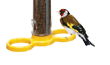
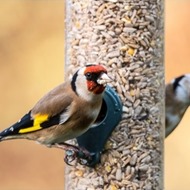
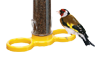
Certain bird species are also attracted to specific colours. For example, hummingbirds are drawn to red and goldfinches are attracted to yellow, which is why many goldfinch feeders are yellow – like our Goldfinch Taster Feeder!


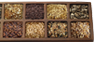
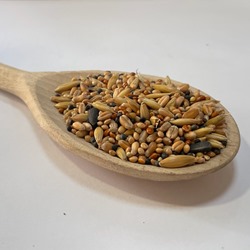
So, if you’re looking to attract more birds to your garden, consider looking for bird seed mixes that contain sunflower seeds and safflower seeds as both of these are known to reflect UV light.


Browse Bird Seed Mixes              Browse Straight Seeds