


















































































shutterstock
Garden Birds in June: Helping Wildlife Through the Extreme Heat
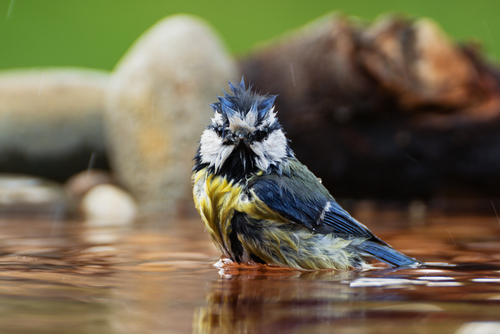
June is usually one of the most vibrant months in the garden. Birds are busy feeding fledglings, insects are abundant, and the dawn chorus is still in full swing. However, when temperatures soar and prolonged periods of extreme heat arrive, our feathered visitors can face significant challenges.
Why Hot Weather Is Difficult for Birds
Unlike humans, birds cannot sweat to cool themselves down. Instead, they regulate their body temperature through behaviours such as panting, holding their wings away from their bodies, and seeking shade. During heatwaves, these methods may not be enough, especially for young birds that have recently left the nest.
The intense heat can also reduce the availability of natural water sources. Puddles dry up, streams shrink, and damp areas that provide insects and worms become much harder to find.
shutterstock
Birds Most Affected
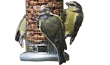
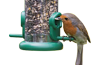
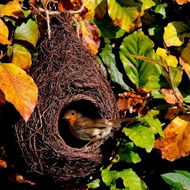
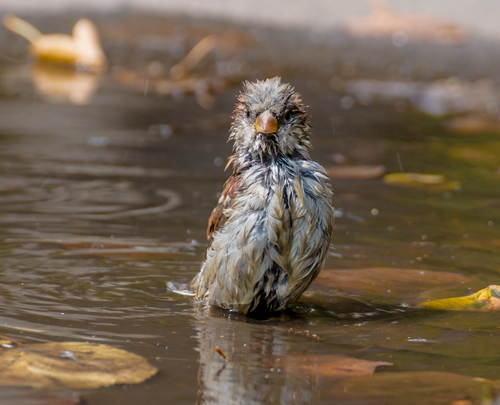
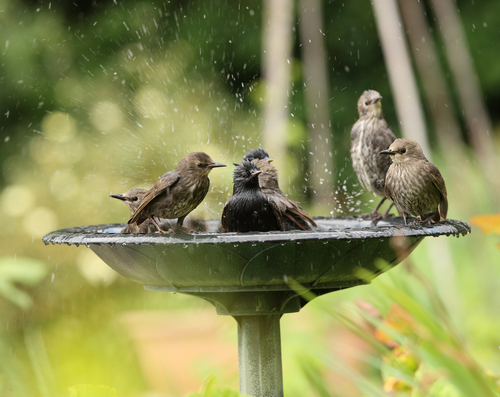
Many familiar garden species can struggle during hot weather, including robins, blackbirds, sparrows, starlings and blue tits. Young fledglings are particularly vulnerable as they are still learning to forage and may become dehydrated quickly.
Ground-feeding birds often find it harder to locate food when the soil becomes dry and compact, preventing them from accessing worms and other invertebrates.
How You Can Help
Provide Fresh Water
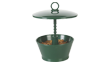
The single most important thing you can do is provide clean, fresh water. A shallow bird bath allows birds to drink and bathe, helping them regulate their body temperature.
Make sure the water is:
- Refilled daily
- Kept shallow for safety
- Positioned near cover but away from lurking cats
- Cleaned regularly to prevent disease
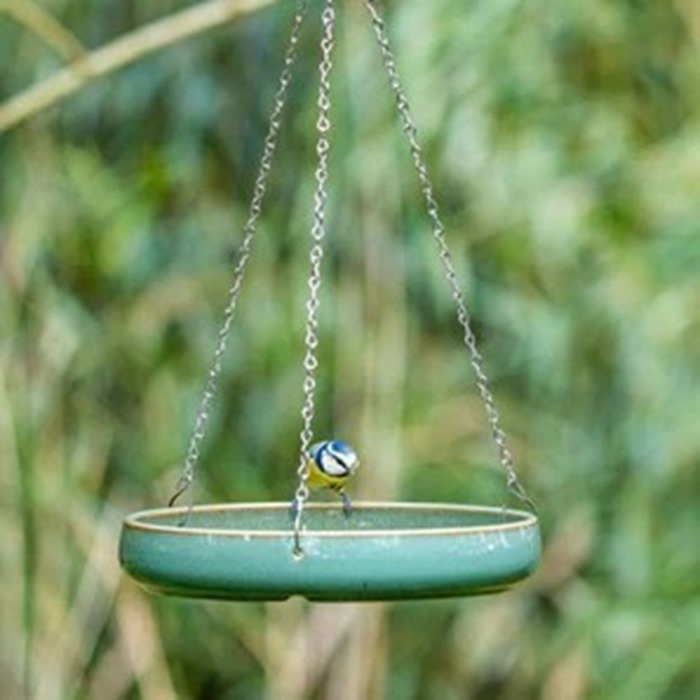
Website
National Trust Vierno Bird Bath
Create Shade
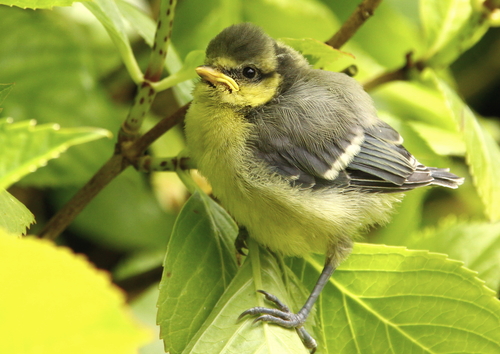
Gardens with a variety of shrubs, hedges and small trees offer birds a welcome refuge from the midday sun. If your garden lacks natural shade, even a strategically placed plant pot or garden structure can provide temporary relief.
shutterstock
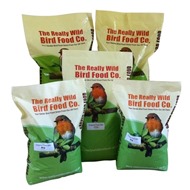
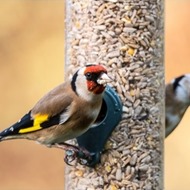
Continue Feeding
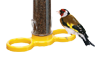
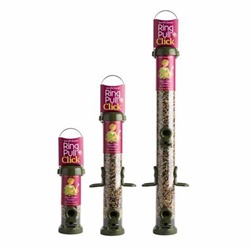
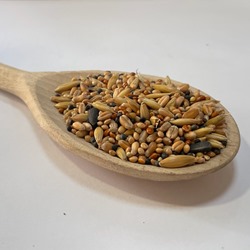
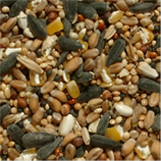
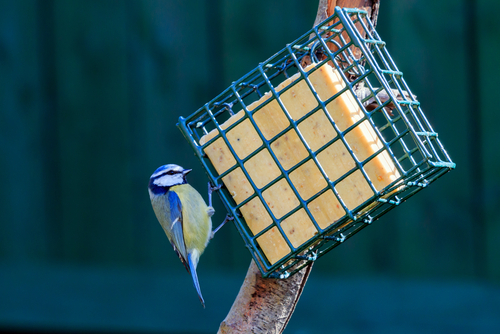
While birds rely heavily on natural food in summer, supplementary feeding can still help during extreme weather. Suitable foods include:
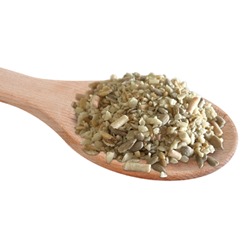
- Sunflower hearts
- Mealworms
- Suet products designed for summer use
- Seed mixes
Avoid allowing food to spoil in the heat and clean feeders frequently.
shutterstock
Leave Some Areas Wild
Longer grass and less-tidy corners provide cooler microhabitats where insects can thrive. These areas become important feeding grounds for birds throughout the summer months.
Signs of Heat Stress
If you notice a bird sitting quietly with its beak open, wings drooping and breathing rapidly, it may be struggling with the heat. Often, providing access to water nearby is the most helpful action. If a bird appears injured or severely distressed, contact a local wildlife rescue organisation for advice.
A Small Effort Makes a Big Difference
As climate change increases the frequency of heatwaves across the UK, our gardens are becoming increasingly important refuges for wildlife. Something as simple as a bowl of fresh water can make a significant difference to a bird trying to survive a scorching June day.
This summer, take a few moments to watch the activity around your garden. You may be surprised by how many birds benefit from the shade, food and water you provide. In return, they'll continue to bring colour, song and life to your outdoor space all season long.
shutterstock
See our full range of bird baths
If you have any further questions about looking after your garden birds, please get in touch with us today and a member of our friendly team will be happy to help!