















































Garden Birds in July
Garden Birds in July: Which Birds Can You Spot This Month?
July is one of the busiest and most rewarding months for watching garden birds. While the dawn chorus may have quietened, gardens are still full of activity as newly fledged birds learn to feed, explore their surroundings, and become more independent. Whether you have a large garden or a small courtyard with a bird feeder, there's plenty to see during the height of summer.
Young Birds Take Centre Stage
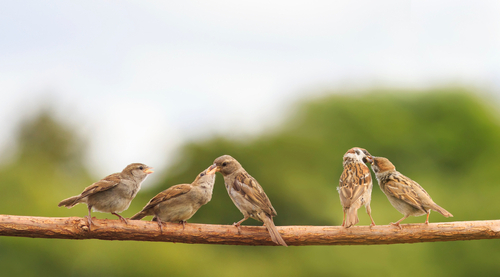
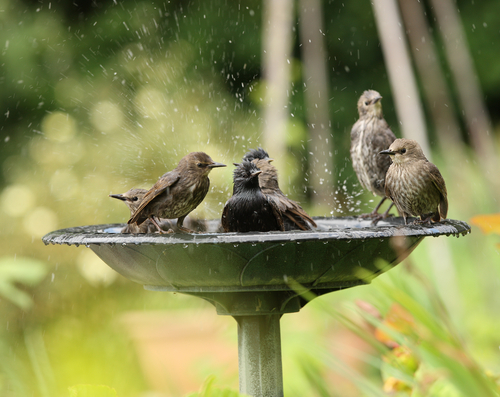
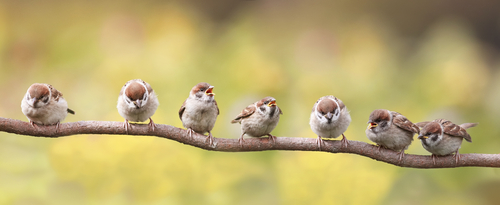
One of the first things you'll notice in July is the number of young birds visiting your garden. Fledglings often look quite different from their parents, with fluffier feathers, shorter tails and slightly clumsy movements. They may also call constantly as they wait for adults to bring them food.
Although they can appear vulnerable, this is a normal part of their development. In most cases, if a fledgling is fully feathered and hopping around, it is best to leave it alone. Its parents are usually nearby, keeping a close eye on it and continuing to feed it.
Common Garden Birds to Look Out For
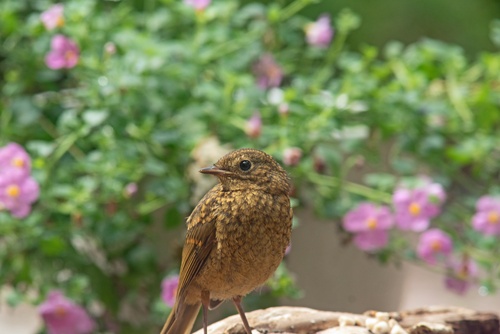
Robin
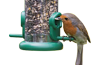
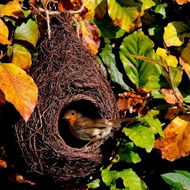
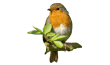
Young robins are easy to miss because they don't have the familiar bright red breast. Instead, they have speckled brown plumage, which provides excellent camouflage while they are learning to fend for themselves. As they mature, their iconic red breast gradually develops.
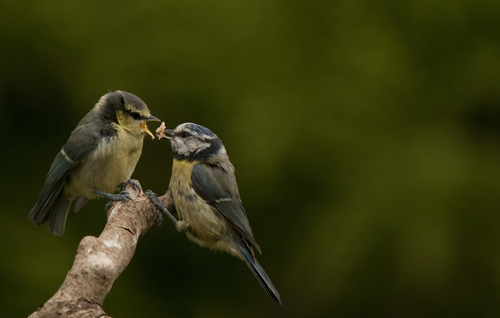
Blue Tit
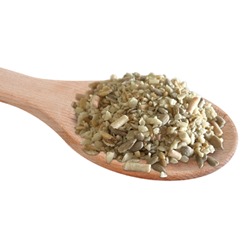
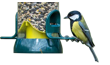
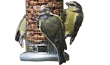
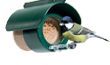
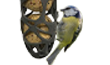
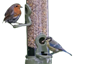
Blue tits often arrive in lively family groups during July. The young birds can usually be recognised by their paler colours and slightly untidy appearance. They are frequent visitors to bird feeders, especially where sunflower hearts and peanuts are available.
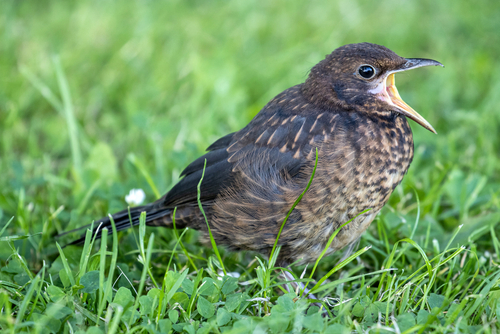
Blackbird
Juvenile blackbirds have brown, mottled feathers rather than the glossy black plumage of adult males. You may see them searching for worms on lawns while still being fed occasionally by their parents.
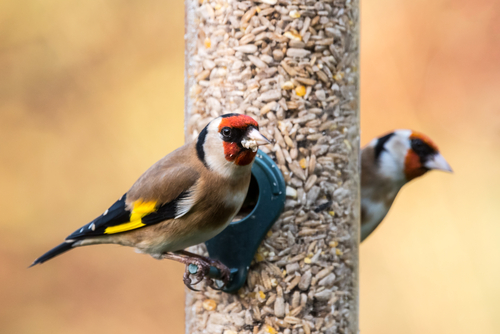
Goldfinch
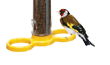
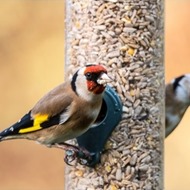
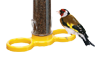
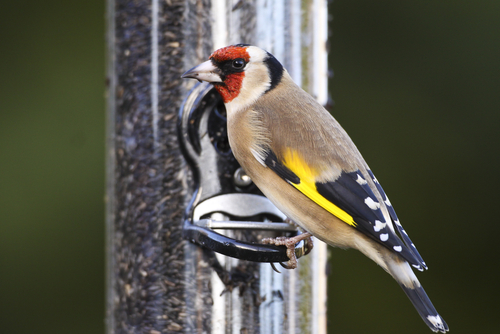
Goldfinches are among the most colourful visitors to a summer garden. They are particularly attracted to seed heads left on flowers such as teasels and sunflowers. Their cheerful, tinkling calls are often heard before the birds themselves are spotted.
Help Birds Through the Summer
Although natural food is abundant in July, birds still benefit from a helping hand.
You can support your local birdlife by:
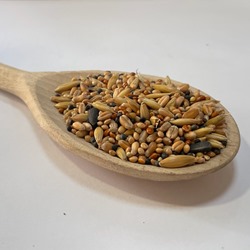
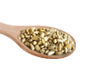
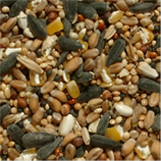
- Keep bird feeders topped up with quality seed mixes or sunflower hearts.
- Provide a shallow bird bath or dish of fresh, clean water.
- Clean feeders and bird baths regularly to reduce the spread of disease.
- Leave some areas of your garden a little wild to encourage insects, an important food source for young birds.
- Avoid using pesticides wherever possible, as they reduce the insects that many birds rely on.
Plants That Birds Love
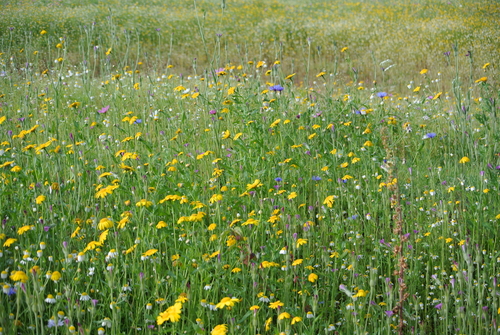
Many garden plants provide valuable food during summer and into autumn. Instead of cutting everything back immediately after flowering, consider leaving some seed heads standing.
Bird-friendly plants include:
- Sunflowers
- Teasels
- Coneflowers (Echinacea)
- Lavender
- Rowan trees, which produce berries later in the year
These plants not only provide food for birds but also attract pollinating insects, helping to create a thriving garden ecosystem.
Enjoy Watching Without Disturbing
July is an excellent month to slow down and observe the wildlife in your garden. Watch from a distance, avoid disturbing young birds, and let nature take its course whenever possible.
With fresh water, nutritious food and bird-friendly planting, your garden can become a haven for wildlife throughout the summer. Spend a few minutes each day watching your feathered visitors, and you'll soon notice fascinating behaviours as this year's young birds gain confidence and independence.
Frequently Asked Questions
Should I feed garden birds in July?
Yes. Although there is plenty of natural food available, many adult birds are still feeding hungry fledglings. Supplementary food such as sunflower hearts, peanuts (in suitable feeders) and mealworms can be a valuable source of energy.
Why are baby birds sitting on the ground?
This is perfectly normal for many species. Fledglings leave the nest before they can fly well and spend several days on the ground or in low shrubs while their parents continue to feed and protect them.
Should I rescue a fledgling?
Only if it is clearly injured or in immediate danger from pets or traffic. Healthy fledglings should be left where they are, as their parents are usually close by.
What is the most colourful garden bird in summer?
The goldfinch is one of the UK's most colourful garden birds. Its striking red face, black-and-white head and golden wing bars make it a favourite among birdwatchers, especially when feeding on seed heads in July.
If you have any further questions about looking after your garden birds, please get in touch with us today and a member of our friendly team will be happy to help!