
































































Gardening for Insects: Drought-Tolerant Plants for UK Gardens
The UK is experiencing hotter, drier summers than ever before. While we still have our fair share of rain, prolonged dry spells are becoming increasingly common, leaving many gardeners wondering how to keep their borders looking beautiful without constantly reaching for the watering can.
The good news is that a drought-tolerant garden can also be a haven for wildlife. Many of the plants that thrive in dry conditions are among the best for attracting bees, butterflies, hoverflies and other beneficial insects. By choosing the right plants, you can create a colourful, resilient garden that supports nature while using less water.
Why Drought-Tolerant Gardening Matters
Water is becoming an increasingly precious resource, and gardening with the climate in mind makes good environmental sense. Once established, drought-tolerant plants need very little additional watering, making them ideal for busy gardeners and anyone looking to reduce their environmental impact.
Just as importantly, these plants provide valuable nectar and pollen during the summer months, when food can become scarce for pollinating insects.
The Best Drought-Tolerant Plants for Pollinators
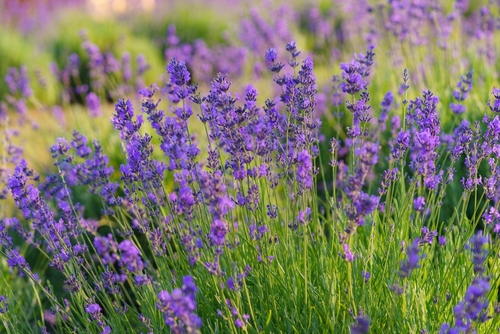
Lavender (Lavandula)
A classic choice for UK gardens, lavender is loved by bees, butterflies and hoverflies. Its fragrant purple flowers bloom throughout summer, and the silvery foliage copes exceptionally well with dry, sunny conditions. Plant it in well-drained soil and avoid waterlogged areas during winter.
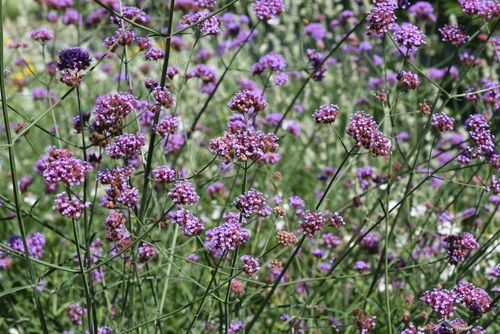
Verbena bonariensis
This elegant perennial produces tall stems topped with clusters of purple flowers that seem to float above surrounding plants. It flowers for months, attracts countless pollinators and often self-seeds gently around the garden.
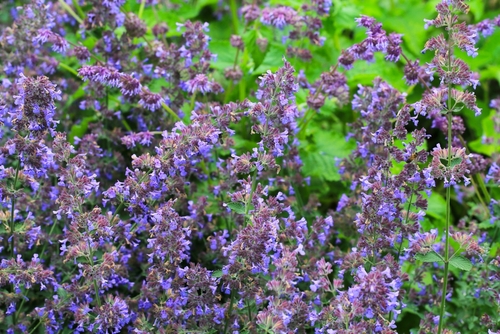
Catmint (Nepeta)
Catmint is one of the easiest perennials to grow. It produces masses of blue flowers from late spring through summer and is constantly visited by bees. After the first flush of flowers, simply trim it back for another display later in the season.
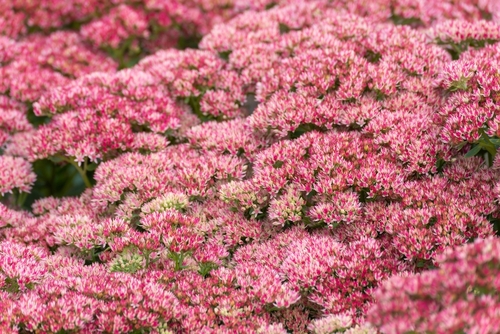
Sedum (Hylotelephium)
Sedums come into their own in late summer and autumn, providing an important source of nectar when many other plants have finished flowering. Their succulent leaves store moisture, making them exceptionally drought tolerant.
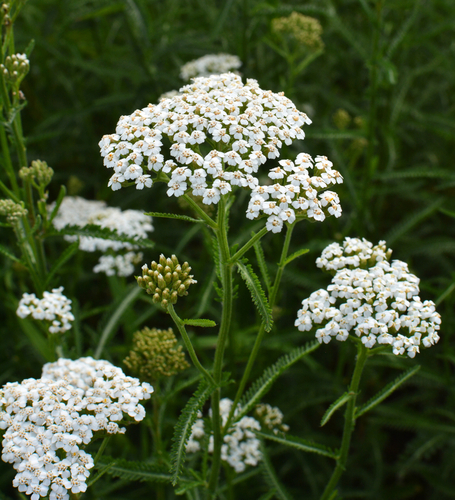
Yarrow (Achillea)
Available in shades of white, yellow, pink and red, yarrow is perfect for sunny borders. Its flat flower heads attract hoverflies, solitary bees and butterflies while thriving in poor, dry soils.
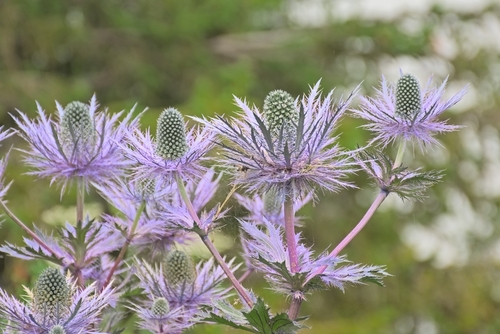
Sea Holly (Eryngium)
Sea holly is ideal for gravel gardens and coastal areas. Its striking blue flowers attract a wide range of pollinating insects and require very little attention once established.
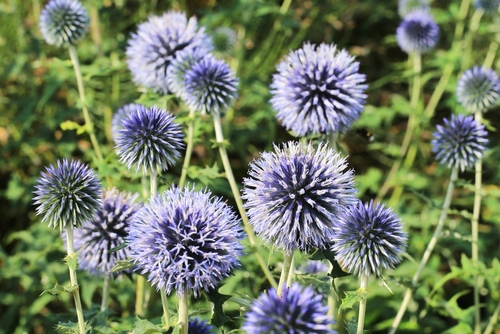
Globe Thistle (Echinops)
With its distinctive blue spherical flowers, globe thistle provides a rich source of nectar for bees throughout the summer while adding architectural interest to the garden.
Herbs That Benefit Wildlife
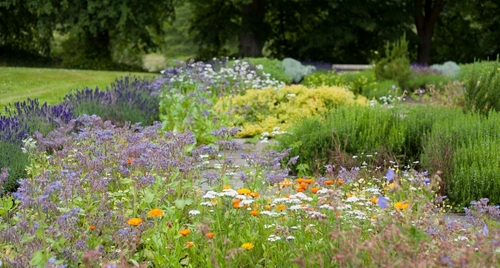
Many herbs are among the very best plants for pollinators.
Allow rosemary, thyme, oregano and sage to flower instead of harvesting every stem. Their blooms are rich in nectar and attract bees throughout the growing season, while the plants themselves cope well with dry conditions.
Shrubs That Can Handle Dry Summers
Adding drought-tolerant shrubs provides structure as well as food for wildlife.
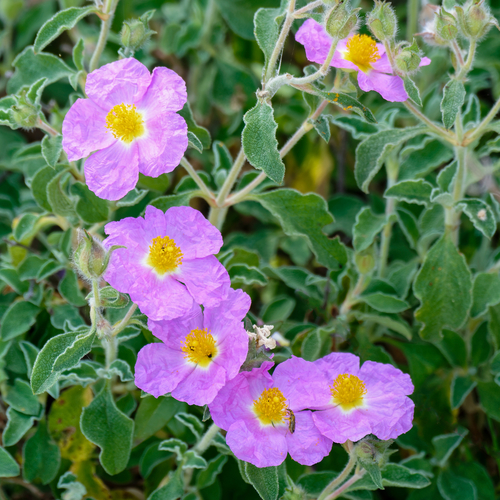
Rock rose (Cistus) flowers freely during summer and thrives in poor soils.
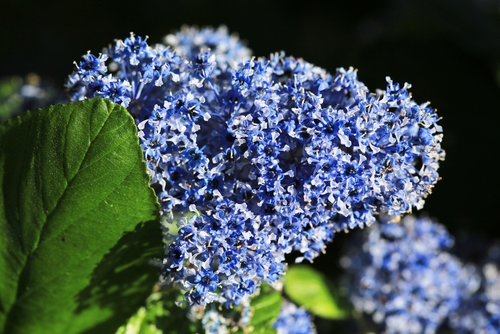
California lilac (Ceanothus) produces spectacular clouds of blue flowers in spring, attracting bees in large numbers.
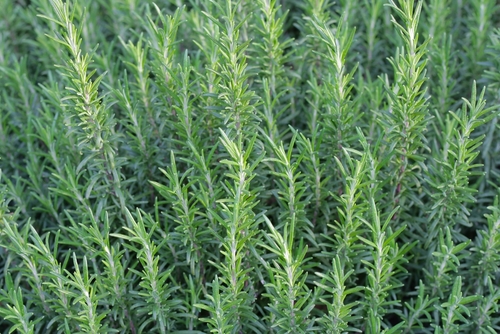
Rosemary can also be grown as an evergreen shrub, offering flowers in early spring when pollinators are emerging from winter.
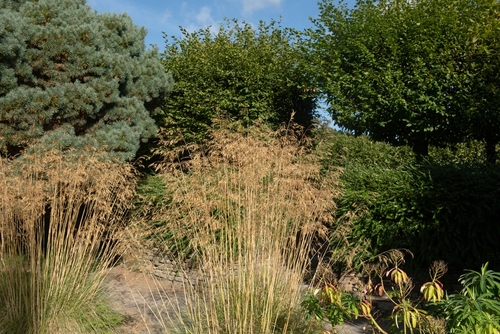
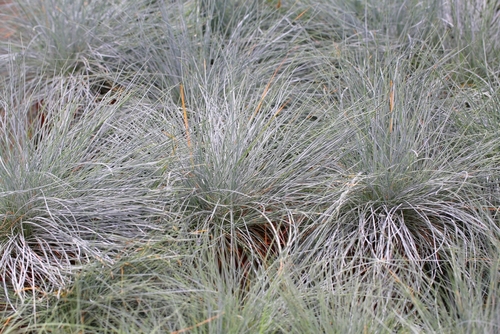
Grasses such as blue fescue and Mexican feather grass create movement in borders while providing shelter for insects. Leaving them standing through autumn and winter also offers valuable habitat for overwintering wildlife.
Simple Ways to Help Wildlife During Dry Weather
A wildlife-friendly drought garden is about more than just plant choice.
Apply a generous layer of mulch around plants to help retain moisture in the soil and suppress weeds. Water deeply but less frequently while plants establish, encouraging roots to grow deeper where moisture remains available.
Leave some areas of bare soil for solitary bees, which nest underground. Keep seed heads on plants through autumn and winter, providing food for birds and shelter for insects.
A shallow dish of fresh water with pebbles or stones allows bees and butterflies to drink safely during periods of hot weather.
Finally, avoid pesticides wherever possible. Healthy gardens naturally attract predators such as ladybirds, lacewings and hoverflies, helping to keep common pests under control.
Gardening for the Future
Choosing drought-tolerant plants doesn't mean compromising on colour or wildlife. In fact, many of Britain's favourite pollinator-friendly plants thrive in dry, sunny conditions once established.
By planting lavender, verbena, catmint, yarrow and other nectar-rich favourites, you'll not only reduce the amount of watering your garden needs but also provide a valuable lifeline for bees, butterflies and other beneficial insects.
As our climate continues to change, creating gardens that are both beautiful and resilient is one of the most positive steps we can take. Every flower visited by a bee and every butterfly resting in your borders helps support the rich biodiversity that makes UK gardens so special.