




















































Author: lesley


01 Sep 2026


Birds Preparing for Winter: How September Signals Change

As September arrives, the natural world begins a gradual transition from summer to autumn. The days become shorter, mornings feel cooler and the landscape slowly starts to change. For our garden and countryside birds, September is an important time of preparation. While some birds are getting ready to leave for warmer parts of the world, others are preparing to remain here throughout the colder months. Each species has its own way of coping with the challenges that autumn and winter will bring.

Preparing for the colder months

For birds that stay in the UK, finding enough food becomes increasingly important. Insects and other invertebrates can become less abundant as temperatures fall, so birds need to make the most of the food available during autumn.

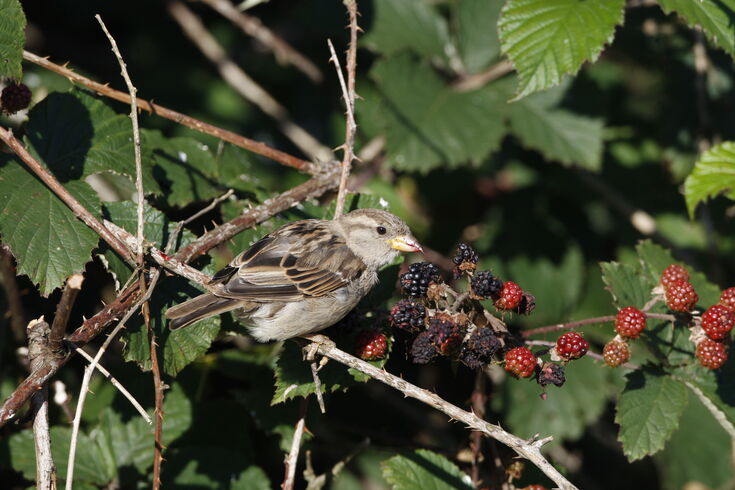
September is a particularly good time to find berries, seeds and fruits. Hawthorn, rowan, elder and blackberry can all provide valuable food for birds. Finches and other seed-eating species may also begin making greater use of seeds and natural seed heads.

This is one reason autumn gardens can be so important. Leaving plants to produce and retain their seeds rather than cutting everything back immediately can provide a valuable natural food source.

Growing a winter coat

Birds also have to cope with falling temperatures. Their feathers provide excellent insulation, trapping a layer of warm air close to the body. Many birds undergo a moult after the breeding season, replacing old, worn feathers with new ones. By autumn, they can have a fresh set of feathers ready to help them through the colder months. Keeping feathers in good condition is essential. Birds spend a considerable amount of time preening, using oil from a gland near the base of the tail to help maintain their feathers.

Finding shelter

As well as food, birds need somewhere safe to shelter from wind, rain and freezing temperatures. Dense hedges, shrubs, ivy, woodland and evergreen vegetation can all provide useful cover. Garden birds may use bushes and hedges to escape harsh weather and predators, particularly during the longer nights of winter. This is another reason why a slightly untidy garden can be beneficial for wildlife. Fallen leaves, seed heads, piles of natural material and dense vegetation can provide food and shelter for insects and birds alike.


Some birds are getting ready to leave

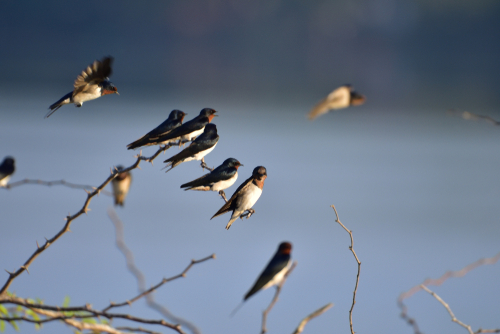
Of course, not every bird will spend the winter here. September is a major period for migration. Swallows, house martins, warblers and other summer visitors begin their journeys south, following food supplies and warmer conditions. Their departure can make the countryside feel noticeably quieter. At the same time, other birds may be arriving from further north to spend the winter here, meaning the species we see can change considerably as autumn progresses.


Storing food for later

Some birds have developed remarkable ways of preparing for periods when food is harder to find. Jays, for example, collect acorns and hide them in the ground, creating food stores that can be used later. Their behaviour also has an unexpected benefit for woodland ecosystems, as forgotten acorns may eventually grow into new oak trees. This is a wonderful example of how the behaviour of individual birds can have a much wider effect on the natural environment.

How we can help

There are several simple things we can do to make our gardens more welcoming to birds as autumn approaches.

Providing fresh water, growing native plants that produce berries and seeds, and keeping some dense shrubs or hedges can all help. Bird feeders can also supplement natural food supplies, provided they are kept clean and regularly maintained. Perhaps most importantly, we can resist the temptation to make our gardens completely tidy. What may look untidy to us can be incredibly valuable to wildlife


A changing season

September is a fascinating month for birdwatching because it represents a period of change. Some birds are preparing for thousands of miles of migration, while others are settling into the routines that will help them survive the winter.

So, next time you are out walking or looking into your garden this September, take a moment to watch the birds around you. They may be busy feeding, moulting, finding shelter or preparing for a remarkable journey.

Please keep a close eye on what is happening in your garden and if you have any doubts, queries or questions, I will be very happy to help you out in any way I can. You can send me your questions here.

Enjoy and take care of those wonderful birds!
Lesley                                                                         
24 Aug 2026

A Feast in the Hedgerows – But Keep Those Feeders Topped Up

Late summer is a busy and abundant time for our garden birds. Across hedgerows, gardens, parks and woodland edges, nature is offering up a wonderful variety of natural foods. Ripening blackberries, elderberries, hawthorn berries and other fruits are attracting birds in large numbers, while insects, spiders, seeds and other small creatures provide valuable sources of food too.

It can be tempting to think that, with so much natural food around, our feeders can take a back seat for a while. But even during this season of plenty, keeping bird feeders topped up remains an important way to support the birds visiting our gardens.

Nature’s late-summer larder

At this time of year, hedgerows can be particularly valuable. Blackbirds, thrushes and other berry-loving birds can spend hours searching among brambles and shrubs for ripe fruit. Insects are also an important part of the menu, especially for birds that are busy feeding themselves and, in some cases, young birds.

The abundance of natural food is one of the joys of late summer. A garden with berry-producing shrubs, mature trees, flowering plants and plenty of insect life can become a natural feeding station in its own right.

But natural food isn't always available in a steady supply. Weather, competition from other wildlife and the simple fact that different fruits ripen at different times can all affect what birds find from one day to the next.

Why feeders still matter

Keeping feeders stocked gives garden birds another reliable food source alongside what they find naturally.

Seed mixes, sunflower hearts, dried mealworms, peanuts and suet-based foods can provide valuable energy, particularly for smaller birds that need to make frequent feeding trips. A well-stocked feeder also gives you a wonderful opportunity to observe the different species visiting your garden and to see how their feeding habits change with the seasons.

Rather than replacing natural food, feeders can complement it.

Think of your garden as offering a varied menu: berries and insects from nature, alongside carefully provided supplementary food.

A good time to think about variety

Late summer is also a useful time to look at what you're offering. Different birds have different preferences, so providing a mixture of suitable foods can encourage a greater variety of visitors.

Sunflower hearts are popular with many small garden birds, while suet products can provide an energy-rich option. Some birds will continue to forage beneath shrubs and trees for fallen seeds and insects, so keeping the ground around feeding areas reasonably natural can also help.

And don't forget water. A clean, shallow bird bath or drinking area can be just as valuable as food, particularly during warm or dry spells.

Keep it clean and consistent

If you're feeding birds, good hygiene is important. Clean feeders and feeding areas regularly, remove old or spoiled food, and provide fresh water. Keeping things clean helps reduce the risk of disease spreading between birds.

It's also worth avoiding putting out more food than the birds can reasonably eat, particularly in warm weather. A little and often can be a sensible approach.

A helping hand, all year round

There is something special about watching a blackbird disappear into a blackberry-laden hedge or seeing a robin hunting for insects among the leaves. These natural food sources are an essential part of the seasonal rhythm of our gardens.

But even when the hedgerows are full of berries and insects, our feeders still have a role to play.

So while nature provides its late-summer feast, keep those feeders topped up, keep them clean, and enjoy the birds that come to visit. By offering a combination of natural habitat, water and supplementary food, we can make our gardens welcoming places for wildlife throughout the changing seasons.

Please keep a close eye on what is happening in your garden and if you have any doubts, queries or questions, I will be very happy to help you out in any way I can. You can send me your questions here.

Enjoy and take care of those wonderful birds!
Lesley                                                                                 
05 Aug 2026


Hedgehogs in August – How You Can Help Britain's Favourite Garden Visitor

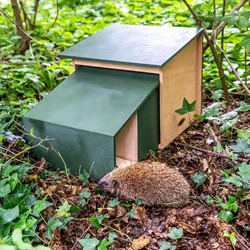
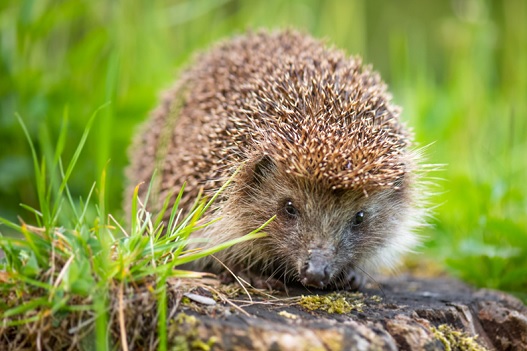
August is a busy month for hedgehogs. While many of us are enjoying warm summer evenings in the garden, hedgehogs are working hard under the cover of darkness, searching for food and preparing for the months ahead. Every meal they find now helps them build the reserves they'll need before winter arrives.

Sadly, hedgehogs remain one of Britain's most threatened native mammals, with numbers having declined significantly over recent decades due to habitat loss, busy roads, pesticides and the disappearance of natural garden spaces. The good news is that our gardens can play a huge role in helping them survive.

August is Feeding Time

By August, many young hedgehogs born earlier in the summer are becoming independent and beginning to forage on their own. Adult hedgehogs are also eating as much as possible to build up fat reserves before hibernation later in the year.

If you'd like to lend a helping hand, you can provide:

  • Meaty hedgehog food.
  • Crunchy or semi-moist hedgehog food
  • Fresh drinking water every evening.

Avoid feeding milk, as hedgehogs are lactose intolerant and it can make them seriously ill. Bread also offers very little nutritional value.

Keep Gardens Hedgehog Friendly

Small changes can make a huge difference.

Leave a 13cm x 13cm gap at the bottom of fences to create a "hedgehog highway" between neighbouring gardens. This allows them to roam safely in search of food and mates without having to venture onto dangerous roads.

Leaving areas of long grass, piles of leaves, logs and wild corners provides shelter for insects, which in turn become a natural food source for hedgehogs.

Be Careful During Summer Gardening

August is often a month of trimming hedges, clearing borders and tidying the garden. Before using strimmers, mowers or lighting bonfires, always check carefully underneath.

Hedgehogs often sleep hidden in long grass, compost heaps and piles of leaves during the day. A quick inspection could save a life.

If you're planning a bonfire, build it on the day you intend to light it, or move the pile before lighting to ensure no wildlife has made a home inside.

Provide Fresh Water

During hot, dry spells, natural water sources can become scarce.

A shallow bowl of fresh water placed in a quiet corner of the garden can be a lifeline not only for hedgehogs but also for birds, frogs, insects and other wildlife.

Clean and refill it daily to keep it fresh.


Avoid Harmful Chemicals

Slugs and beetles are favourite foods for hedgehogs, but pesticides and slug pellets can poison both the insects and the hedgehogs that eat them.

Instead, consider wildlife-friendly gardening methods that encourage a healthy balance of nature.

Look Out for Hedgehogs in Trouble

If you see a hedgehog out during the daytime, particularly if it appears thin, wobbly, injured or covered in flies, it may need help.

Healthy hedgehogs are normally active after dusk. Daytime activity can sometimes indicate illness, dehydration or injury.

If you're concerned, contact a local wildlife rescue for advice as soon as possible. British hedgehog Preservation Society

Every Garden Matters

One garden alone won't save Britain's hedgehogs, but thousands of wildlife-friendly gardens connected together can create safe corridors where they can feed, breed and thrive.

Whether it's leaving a small gap in your fence, putting out fresh water or checking before mowing, every small action adds up.

This August, why not make your garden part of the growing network of hedgehog-friendly spaces? You might just be rewarded with the delightful sight of one of these charming little visitors snuffling through your garden after sunset.

Helping hedgehogs doesn't require a huge effort, just a little thought, a little kindness and a willingness to share our gardens with one of Britain's best-loved wild animals.


Please keep a close eye on what is happening in your garden – and if you have any doubts, queries or questions, I will be very happy to help you out in any way I can. You can send me your questions here.

Enjoy and take care of those wonderful hedgehogs!
Lesley                                                                                 

Visit Our Hedgehog Page

20 Jul 2026


Gardening for Insects: Drought-Tolerant Plants for UK Gardens

The UK is experiencing hotter, drier summers than ever before. While we still have our fair share of rain, prolonged dry spells are becoming increasingly common, leaving many gardeners wondering how to keep their borders looking beautiful without constantly reaching for the watering can.

The good news is that a drought-tolerant garden can also be a haven for wildlife. Many of the plants that thrive in dry conditions are among the best for attracting bees, butterflies, hoverflies and other beneficial insects. By choosing the right plants, you can create a colourful, resilient garden that supports nature while using less water.

Why Drought-Tolerant Gardening Matters

Water is becoming an increasingly precious resource, and gardening with the climate in mind makes good environmental sense. Once established, drought-tolerant plants need very little additional watering, making them ideal for busy gardeners and anyone looking to reduce their environmental impact.

Just as importantly, these plants provide valuable nectar and pollen during the summer months, when food can become scarce for pollinating insects.

The Best Drought-Tolerant Plants for Pollinators

Lavender (Lavandula)

A classic choice for UK gardens, lavender is loved by bees, butterflies and hoverflies. Its fragrant purple flowers bloom throughout summer, and the silvery foliage copes exceptionally well with dry, sunny conditions. Plant it in well-drained soil and avoid waterlogged areas during winter.

Verbena bonariensis

This elegant perennial produces tall stems topped with clusters of purple flowers that seem to float above surrounding plants. It flowers for months, attracts countless pollinators and often self-seeds gently around the garden.


Catmint (Nepeta)

Catmint is one of the easiest perennials to grow. It produces masses of blue flowers from late spring through summer and is constantly visited by bees. After the first flush of flowers, simply trim it back for another display later in the season.


Sedum (Hylotelephium)

Sedums come into their own in late summer and autumn, providing an important source of nectar when many other plants have finished flowering. Their succulent leaves store moisture, making them exceptionally drought tolerant.

Yarrow (Achillea)

Available in shades of white, yellow, pink and red, yarrow is perfect for sunny borders. Its flat flower heads attract hoverflies, solitary bees and butterflies while thriving in poor, dry soils.

Sea Holly (Eryngium)

Sea holly is ideal for gravel gardens and coastal areas. Its striking blue flowers attract a wide range of pollinating insects and require very little attention once established.


Globe Thistle (Echinops)

With its distinctive blue spherical flowers, globe thistle provides a rich source of nectar for bees throughout the summer while adding architectural interest to the garden.


Herbs That Benefit Wildlife

Many herbs are among the very best plants for pollinators.

Allow rosemary, thyme, oregano and sage to flower instead of harvesting every stem. Their blooms are rich in nectar and attract bees throughout the growing season, while the plants themselves cope well with dry conditions.


Shrubs That Can Handle Dry Summers

Adding drought-tolerant shrubs provides structure as well as food for wildlife.

Rock rose (Cistus) flowers freely during summer and thrives in poor soils.                                                                                                             

California lilac (Ceanothus) produces spectacular clouds of blue flowers in spring, attracting bees in large numbers.

Rosemary can also be grown as an evergreen shrub, offering flowers in early spring when pollinators are emerging from winter.


Grasses such as blue fescue and Mexican feather grass create movement in borders while providing shelter for insects. Leaving them standing through autumn and winter also offers valuable habitat for overwintering wildlife.


Simple Ways to Help Wildlife During Dry Weather

A wildlife-friendly drought garden is about more than just plant choice.

Apply a generous layer of mulch around plants to help retain moisture in the soil and suppress weeds. Water deeply but less frequently while plants establish, encouraging roots to grow deeper where moisture remains available.

Leave some areas of bare soil for solitary bees, which nest underground. Keep seed heads on plants through autumn and winter, providing food for birds and shelter for insects.

A shallow dish of fresh water with pebbles or stones allows bees and butterflies to drink safely during periods of hot weather.

Finally, avoid pesticides wherever possible. Healthy gardens naturally attract predators such as ladybirds, lacewings and hoverflies, helping to keep common pests under control.

Gardening for the Future

Choosing drought-tolerant plants doesn't mean compromising on colour or wildlife. In fact, many of Britain's favourite pollinator-friendly plants thrive in dry, sunny conditions once established.

By planting lavender, verbena, catmint, yarrow and other nectar-rich favourites, you'll not only reduce the amount of watering your garden needs but also provide a valuable lifeline for bees, butterflies and other beneficial insects.

As our climate continues to change, creating gardens that are both beautiful and resilient is one of the most positive steps we can take. Every flower visited by a bee and every butterfly resting in your borders helps support the rich biodiversity that makes UK gardens so special.

07 Jul 2026

Garden Birds in July


Garden Birds in July: Which Birds Can You Spot This Month?

July is one of the busiest and most rewarding months for watching garden birds. While the dawn chorus may have quietened, gardens are still full of activity as newly fledged birds learn to feed, explore their surroundings, and become more independent. Whether you have a large garden or a small courtyard with a bird feeder, there's plenty to see during the height of summer.

Young Birds Take Centre Stage

One of the first things you'll notice in July is the number of young birds visiting your garden. Fledglings often look quite different from their parents, with fluffier feathers, shorter tails and slightly clumsy movements. They may also call constantly as they wait for adults to bring them food.

Although they can appear vulnerable, this is a normal part of their development. In most cases, if a fledgling is fully feathered and hopping around, it is best to leave it alone. Its parents are usually nearby, keeping a close eye on it and continuing to feed it.

Common Garden Birds to Look Out For

Robin

Young robins are easy to miss because they don't have the familiar bright red breast. Instead, they have speckled brown plumage, which provides excellent camouflage while they are learning to fend for themselves. As they mature, their iconic red breast gradually develops.

Blue Tit

Blue tits often arrive in lively family groups during July. The young birds can usually be recognised by their paler colours and slightly untidy appearance. They are frequent visitors to bird feeders, especially where sunflower hearts and peanuts are available.


Blackbird

Juvenile blackbirds have brown, mottled feathers rather than the glossy black plumage of adult males. You may see them searching for worms on lawns while still being fed occasionally by their parents.

Goldfinch

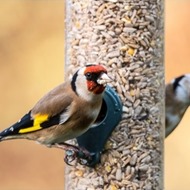
Goldfinches are among the most colourful visitors to a summer garden. They are particularly attracted to seed heads left on flowers such as teasels and sunflowers. Their cheerful, tinkling calls are often heard before the birds themselves are spotted.

Help Birds Through the Summer

Although natural food is abundant in July, birds still benefit from a helping hand.

You can support your local birdlife by:

  • Keep bird feeders topped up with quality seed mixes or sunflower hearts.
  • Provide a shallow bird bath or dish of fresh, clean water.
  • Clean feeders and bird baths regularly to reduce the spread of disease.
  • Leave some areas of your garden a little wild to encourage insects, an important food source for young birds.
  • Avoid using pesticides wherever possible, as they reduce the insects that many birds rely on.


Plants That Birds Love

Many garden plants provide valuable food during summer and into autumn. Instead of cutting everything back immediately after flowering, consider leaving some seed heads standing.

Bird-friendly plants include:

  • Sunflowers
  • Teasels
  • Coneflowers (Echinacea)
  • Lavender
  • Rowan trees, which produce berries later in the year

These plants not only provide food for birds but also attract pollinating insects, helping to create a thriving garden ecosystem.

Enjoy Watching Without Disturbing

July is an excellent month to slow down and observe the wildlife in your garden. Watch from a distance, avoid disturbing young birds, and let nature take its course whenever possible.

With fresh water, nutritious food and bird-friendly planting, your garden can become a haven for wildlife throughout the summer. Spend a few minutes each day watching your feathered visitors, and you'll soon notice fascinating behaviours as this year's young birds gain confidence and independence.

Frequently Asked Questions

Should I feed garden birds in July?

Yes. Although there is plenty of natural food available, many adult birds are still feeding hungry fledglings. Supplementary food such as sunflower hearts, peanuts (in suitable feeders) and mealworms can be a valuable source of energy.

Why are baby birds sitting on the ground?

This is perfectly normal for many species. Fledglings leave the nest before they can fly well and spend several days on the ground or in low shrubs while their parents continue to feed and protect them.

Should I rescue a fledgling?

Only if it is clearly injured or in immediate danger from pets or traffic. Healthy fledglings should be left where they are, as their parents are usually close by.

What is the most colourful garden bird in summer?

The goldfinch is one of the UK's most colourful garden birds. Its striking red face, black-and-white head and golden wing bars make it a favourite among birdwatchers, especially when feeding on seed heads in July.

If you have any further questions about looking after your garden birds, please get in touch with us today and a member of our friendly team will be happy to help!

23 Jun 2026


Garden Birds in June: Helping Wildlife Through the Extreme Heat

June is usually one of the most vibrant months in the garden. Birds are busy feeding fledglings, insects are abundant, and the dawn chorus is still in full swing. However, when temperatures soar and prolonged periods of extreme heat arrive, our feathered visitors can face significant challenges.

Why Hot Weather Is Difficult for Birds

Unlike humans, birds cannot sweat to cool themselves down. Instead, they regulate their body temperature through behaviours such as panting, holding their wings away from their bodies, and seeking shade. During heatwaves, these methods may not be enough, especially for young birds that have recently left the nest.

The intense heat can also reduce the availability of natural water sources. Puddles dry up, streams shrink, and damp areas that provide insects and worms become much harder to find.


Birds Most Affected

Many familiar garden species can struggle during hot weather, including robins, blackbirds, sparrows, starlings and blue tits. Young fledglings are particularly vulnerable as they are still learning to forage and may become dehydrated quickly.

Ground-feeding birds often find it harder to locate food when the soil becomes dry and compact, preventing them from accessing worms and other invertebrates.

How You Can Help

Provide Fresh Water

The single most important thing you can do is provide clean, fresh water. A shallow bird bath allows birds to drink and bathe, helping them regulate their body temperature.

Make sure the water is:

  • Refilled daily
  • Kept shallow for safety
  • Positioned near cover but away from lurking cats
  • Cleaned regularly to prevent disease

National Trust Vierno Bird Bath

Create Shade

Gardens with a variety of shrubs, hedges and small trees offer birds a welcome refuge from the midday sun. If your garden lacks natural shade, even a strategically placed plant pot or garden structure can provide temporary relief.

Continue Feeding

While birds rely heavily on natural food in summer, supplementary feeding can still help during extreme weather. Suitable foods include:

  • Sunflower hearts
  • Mealworms
  • Suet products designed for summer use
  • Seed mixes

Avoid allowing food to spoil in the heat and clean feeders frequently.

Suet Feast Feeder


Leave Some Areas Wild

Longer grass and less-tidy corners provide cooler microhabitats where insects can thrive. These areas become important feeding grounds for birds throughout the summer months.

Signs of Heat Stress

If you notice a bird sitting quietly with its beak open, wings drooping and breathing rapidly, it may be struggling with the heat. Often, providing access to water nearby is the most helpful action. If a bird appears injured or severely distressed, contact a local wildlife rescue organisation for advice.

A Small Effort Makes a Big Difference

As climate change increases the frequency of heatwaves across the UK, our gardens are becoming increasingly important refuges for wildlife. Something as simple as a bowl of fresh water can make a significant difference to a bird trying to survive a scorching June day.

This summer, take a few moments to watch the activity around your garden. You may be surprised by how many birds benefit from the shade, food and water you provide. In return, they'll continue to bring colour, song and life to your outdoor space all season long.

See our full range of bird baths


If you have any further questions about looking after your garden birds, please get in touch with us today and a member of our friendly team will be happy to help!


02 Jun 2026


News From The Farm May 2026

2026 so far has been a year of contrasts weather-wise. At the beginning of the year we had 18 inches of rain in 10 weeks ( which is half of our normal annual rainfall! ) followed by only 1/2inch in April and to date, 3/4 inch in May. Like most years, some crops are enjoying the climate ( the wheat, rape and winter oats ), and others less so. Due to the very dry April and May, many crops have not tillered very well, ( which creates a thick crop ), but the heads on the wheat in particular, are big and if we are blessed with more rain, we may find the plants yield well. So fingers crossed for a good yield.

The spring barley looks better from the hedge than it does when walking the field, where again, it is a bit thin due to lack of tillering early on.


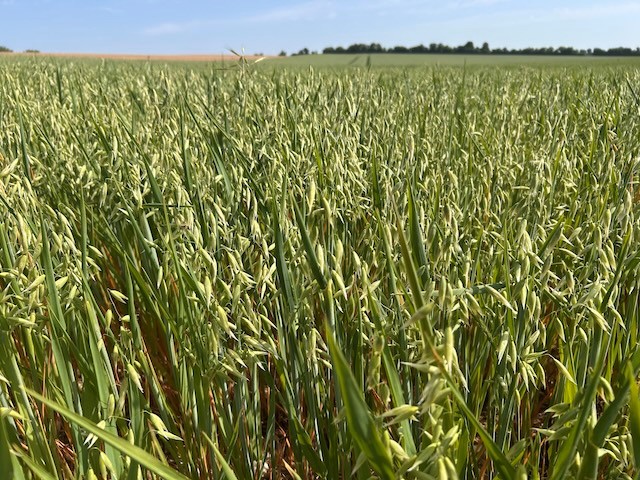
This year we decided to grow spring naked oats( rather than winter ones ) for your bird food. These are faring well. Planting spring naked oats helps control the grass weeds, particularly sterile brome and blackgrass, which are a real scourge, and the spring planting will help keep the farm cleaner, with less use of herbicides. The canary seed which normally doesn't like dry weather has established well and is looking promising


We are growing linseed and peas as break crops. The peas, as a legume, don't require any additional Nitrogen and the linseed uses only a small amount. With the continuing conflict in Iran, Nitrogen prices have rocketed by 50% and may continue to rise, quite possibly by another 20%, so using less Nitrogen dependent break crops makes financial sense. We are currently trying to book our fertiliser for harvest 2027, but it is in very short supply and we will have to take the opportunities when they arise -but it will be costly! Our peas are a variety called Mantara maple peas.They are a break crop for our winter wheat and are really loving the hot weather! They will be sold to Robin Appel Ltd , and will eventually find their way into racing pigeon lofts where they will fuel those speedy birds. Maple peas are high in protein ( 20-25% ) and are usually fed in combination with other cereals and legumes to help build lean muscle ( you don't want a fat racing pigeon! ) and repair muscles after arduous races


 Lots to like about peas and linseed, but they do have some significant downsides. Both crops can be a nightmare to harvest. Peas can go flat, which means we have to set the combine header very close to the floor, and on our flinty ground, the chances of damaging the combine with a large flint are high. Linseed on the other hand, has really tough wiry straw that loves to wrap itself around the insides of the combine, stripping out bearings! So we are bracing ourselves for some large repair bills over harvest, but hopefully it will be trouble free ( optimistic thinking on my part! ) Our final planting job of the year is underway as I write this; white millet. The red millet is already in the ground. Millet seed is very small and it needs to be planted shallow in dry soil, which is just as well because the fields are like dust bowls at the moment! We prepared the seed bed 4-6 weeks ago to allow the soil to settle and hopefully retain moisture, and now Richard is double -rolling close behind the drill to really firm the seed bed and maximise the seed to soil contact that the millet will need. This year we have over 100 acres of millet going in - all for our UK birds 


Last week we had a very enjoyable visit with the Hampshire Farmers Club to Summerdown Farm, near Basingstoke, the home of the Coleman family. Summerdown currently grow around 100 acres of organic Black Mitcham peppermint. 100 years ago it was a native variety, but subsequently died out. It was re-introduced by the family in the early 1990s and WOW what a plant! Standing in the field, there was the most glorious aroma of deep, rich peppermint. The plant leaves are harvested for their organic peppermint tea and are also distilled into organic peppermint oil which gives added flavour to their tea, as well as a range of delicious chocolates and scented home fragrances. After our tour, we were treated to a cup of peppermint tea and some chocolates and I can thoroughly recommend them! The business also grows organic camomile for tea and lavender for the oil. 


Our visit to Summerdown was also very nostalgic for Richard since his Mum, Mary, grew up with her parents as farming tenants on the Summerdown Estate. It has changed somewhat since those days! This photo was taken we think around 1945


 Exciting Barn Owl News! We finally have a Barn Owl nesting in our barn! We built and erected a Barn Owl box a number of years ago, but I think we got the location wrong and every year we have been disappointed. However - fingers crossed we will have a family this year. Last year was a terrible year for Barn Owl numbers in Hampshire, but this year seems to be a Bonanza - so I will keep you updated on how they get on and hopefully we will have some good news and a few photos to share with you in the next couple of months. These 2 cuties are obviously not ours, but I couldn't resist the photo.


Keeping cool! It has been a challenging few days for our staff processing orders in agricultural buildings in this heat, and we are always indebted to the work they put in on our behalf. I have been keeping the cold drinks and iced towels flowing - and it seems there is a number of ways you can wear an iced tea towel! Stylish guys.


 Please keep a close eye on what is happening in your garden – and if you have any doubts, queries or questions, I will be very happy to help you out in any way I can. You can send me your questions here.

Enjoy and take care of your garden birds!
Lesley


19 May 2026
Bird eating live mealworms

This week, you can save 10% on live mealworms and wax worms! Enter the code MAGIC10 to activate this discount. Offer ends at midnight on 25th May.

This is a key time of year to be feeding live mealworms and wax worms. The last few weeks have been extremely cold (considering it is the month of May) and we have had really cold strong winds, rain and even hail stones! This inclement weather creates a challenging environment for adult garden birds to raise and feed chicks, and also look after themselves. We know that flying insect numbers have declined by a whopping 60% over the last 20 years in the UK, and one way to help garden birds out is to offer live mealworms or waxworms, particularly during the breeding season. Whilst they are not a perfect substitute, they are high in protein and water content – and of course they wriggle, which attracts garden birds to investigate. Blackbirds, house sparrows, starlings, robins, wagtails, wrens, long tail tits, coal tits, blue tits, great tits and woodpeckers will all be attracted to live mealworms, taking them off to feed hungry youngsters that are waiting in the nest or lurking under hedgerows in anticipation.

Live foods are very easy to offer. They should be placed in a container with upright sides (to stop them wriggling away). Here are some options which we have, ranging from window feeders to hanging feeders, to feeders for your flower bed, but as you can see from the photo below, we just use a relatively heavy ceramic kitchen bowl.

If you haven't fed live mealworms before, and would like more information, our Live Bird Food Tips are a great place to start.

This week, we are offering our customers a 10% discount on purchases of live mealworms and wax worms. So if you are swithering about trying them out, now is a good time to make the move!

Please enter code MAGIC10 at checkout to activate your 10% discount. Offer ends midnight on 25th May 2026.

Order Your Live Foods Here >>


Keeping your bird baths clean

Whilst communal bathing can be glorious, it can also leave a bit of a mess in the bath. If you have been keeping up with my previous newsletters about the importance of bird bath cleanliness to protect garden birds' health, I am sure you are redoubling your efforts to clean them daily and replenish with clean water. THANK YOU!

I thought I would share this top tip from a lovely customer who has it nailed! This is a big stone bird bath which is heavy and cumbersome to empty and clean. The top left photo shows the accumulated dirt from just ONE DAY! After scrubbing the stone, she placed a simple pot plant tray in the bird bath. It is light and easy to lift, clean and replenish. Happy days! I know which one I would prefer to drink from.

If you have any top tips for keeping bird baths clean, please do send them to me and I will pass on your ideas!


Great savings on hygiene bundles

Our Hygiene Hub has everything you need to keep your feeding stations and bird baths clean. These two bundles are currently on offer:

Bird Bath Hygiene Bundle

Save £3 on this bird bath hygiene kit, which includes Ark-Klens™ disinfectant, Vetark CitroSan sanitiser and a pair of cleaning brushes.

Buy Now >>


Bird Feeder Cleaning Kit

Save £2 on this bird feeder hygiene bundle, which includes two brushes, a scraper tool and a spray bottle of 3-in-1 disinfectant, cleanser and deodoriser.

Buy Now >>


Feeding seeds and peanuts at this time of year

Our home feeders are being emptied at a pace at the moment. Our garden birds are extremely hungry and we continue to offer them a range of feeds including seed, peanuts, fat and mealworms. Offering all the food types is important to support the variety of garden bird that visit us.

Finches, for example, are predominately seed eating birds. They have short, strong and thick beaks that are designed for cracking seed shells. Finches have varying beak sizes depending on the type of seeds they eat. Larger, stronger beaks are suited for cracking hard seeds, while smaller beaks work better for softer seeds such as black sunflowers. Our seed mixes contain a variety of homegrown seeds with different levels of 'hardness' to suit every preference. Feeding the adults will really help them and the ensuing survival of their chicks.

Finches pictured (clockwise from top left): greenfinch, bullfinch, goldfinch, chaffinch.

Our garden birds are plentiful, varied and healthy. We have a few house rules to ensure they stay that way:

  • We don't over-feed. Feeders must be completely empty before we refill; this encourages the birds to eat up any spilt seeds before they get a top-up!

  • We space our feeders widely around the garden. This reduces the number of birds gathered around a single feeder at any time.

  • We move our feeders weekly so that the grassy area under the feeder is clean.

  • We don't move feeders back to 'used' areas for at least 3 weeks. This eliminates the chance of infectious organisms surviving.

  • We clean all feeders weekly, and we keep spares so we have one to wash and one to hang. This lets the washed feeders dry completely before re-use.

  • We only use easy-clean feeders that can be dismantled easily. This makes life so much easier!

  • We stay vigilant and enjoy our birds!

If you follow our lead, you won't go far wrong.


Seed of the month

High Energy Fledgling Mix™ is our seed of the month for May. Order now and save 15% on the usual price!

Blended fresh on our farm every single day, each batch is carefully made to order for ultimate freshness, quality, and nutrition – so your garden birds get to enjoy seed at its very best.

Even better, it's a no-mess, no-grow mix so every bite gets eaten, with no waste left behind.

Stock Up & Save 15% Here >>


Nighttime visitors need nourishing

May is busy month for hedgehogs. After recovering from hibernation, they are on night-time wanders searching for a mate.

Support your local hedgehogs by supplying fresh water and nutritious food!

SPECIAL OFFER: Save 10% when you buy a 2kg bag of I Love Hedgehogs food!

Visit Our Hedgehog Hub >>


Well hopefully there is some warmer weather in store for us later on this week, which I am sure will be welcomed by most of us.

Enjoy your birds!

Best wishes,
Lesley

P.S. Don't forget to use your MAGIC10 discount code at the checkout!