Spring has arrived and wheels are turning!
It is great to be out on the land again, after a long winter. The soil has changed quickly from being very wet to quite dry as a result of the cold N/NE winds we have been having.
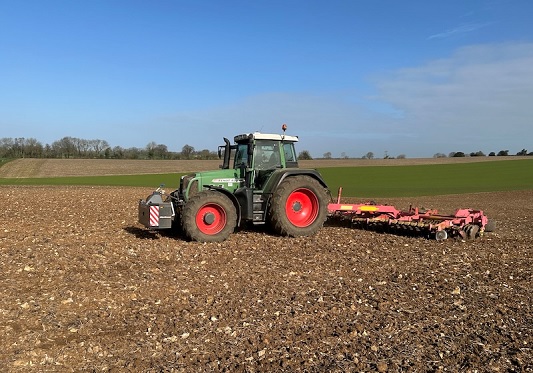
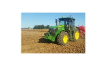
Our spring naked oats have been in the ground for 10 days but have not yet emerged (I think it is too cold for them to pop their heads out!) and we have been discing the canary seed ground, getting it ready for drilling (photo above).
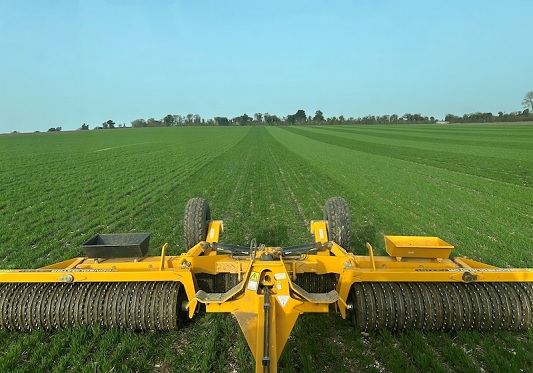
Other jobs have involved rolling our winter oats. We roll to press the flints into the ground to stop them breaking the combine at harvest and also, rolling winter crops encourages them to tiller (produce more stems) which should help improve yields.
We have had a few punctures recently as a result of our flinty ground. The large sharp 'Hampshire Diamonds' (if only they were!) are hard on tyres and farm machinery, particularly cultivator points which wear down quickly. Cultivator points penetrate and break up the soil. Because we have such abrasive soil, we need to use points made from tungsten carbide, one of the hardest materials used in farming. They are expensive to buy (what isn't these days?) but they are more wear-resistant than standard steel. This has lots of benefits: tungsten carbide will stay sharper for longer, improving soil penetration (and very importantly, especially at the moment, fuel consumption) since it is easier to pull sharp points across a field than blunt ones! With fewer replacements needed, they reduce the significant 'downtime' associated with changing points. Anything which reduces the time Merv and Richard have to be on their knees under farm machinery gets a big thumbs up!
On the subject of fuel, I was incredulous to hear Trump state that America will get richer on the back of increased global oil prices. Fuel is one of the largest variable costs on arable farms and of course the huge price hike we are currently all experiencing has coincided perfectly with the start of our spring land work. A large percentage of our farm is sown into spring crops (for your bird food) so we have to look at smart ways to limit input costs, whilst still producing good yields and quality seed. Richard is constantly assessing and revisiting our crop rotations, and until the seed goes into the ground, the plan can be subject to change. With all input costs currently so high, things like direct drilling and minimising 'passes' across the fields will all be used to conserve fuel.
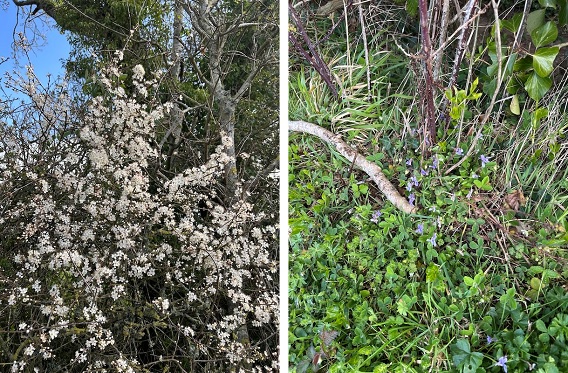
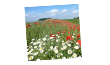
PICTURED: Blackthorn in flower (left) and spring violets (right)
This year has been a true spring with a blackthorn winter. A 'blackthorn winter' is an old traditional term used to describe a sudden cold snap in early spring, usually happening around the time the blackthorn plant blooms.
Traditional folklore states that bad weather lasts whilst the blackthorn is in flower and as the flower wanes, better weather arrives. This year we have had warmth, cold, hail, frost, sun and rain with the flower. This changeable weather has made planting spring crops much easier this year (compared to last), since it has kept moisture in the soil. But the inclement spring weather has definitely been more challenging for garden birds; requiring more food to cope with the cold and the wind.
Golden Plovers on the Farm
We currently still have a small flock of around 30 golden plovers on the farm. They tend to be present on lowland farms from around October until March/April when they move back to upland breeding areas.
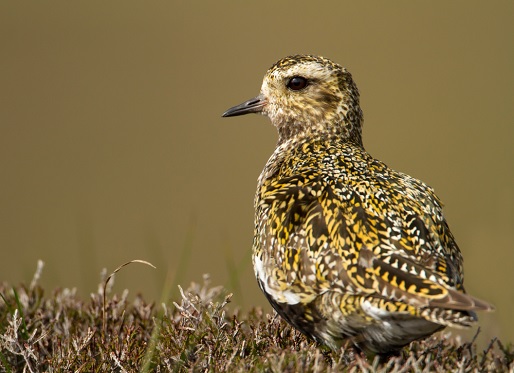
Whilst it is a relatively small flock we are delighted to be hosting them. They tend to fly as a tight flock and we often spot them as they lift off, showing golden flashes where the light catches their backs.
Golden plovers don't use farmland randomly, often returning to their favourite fields year after year. They do like open unobstructed ground (to be able to spot predators) and damp grassland, or a sparse crop of winter-sown cereal fits the bill. Being wading birds they have made the most of the flooding this year, where water-logged soil has offered up plentiful worms and insects. You can often identify them by their 'run-stop' feeding style, picking insects and worms and sprinting on! It won't be long before they head off up north but we will look forward to their return in late autumn.
Seed of the Month: Feeder Mix™
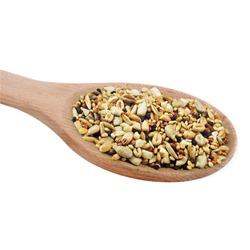
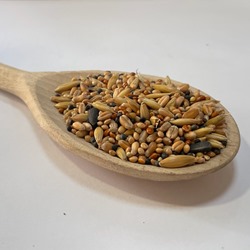
Feeder Mix™ is our SEED OF THE MONTH for April!
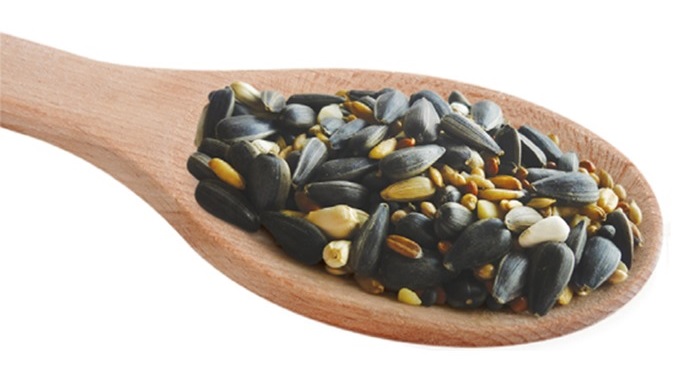
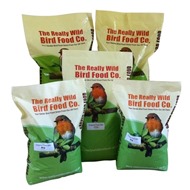
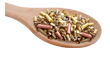
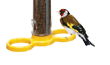
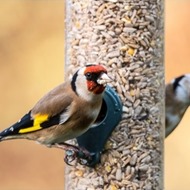
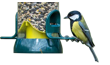
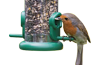
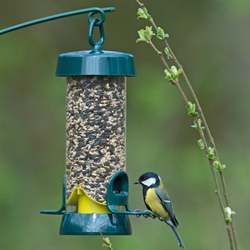
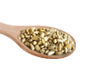
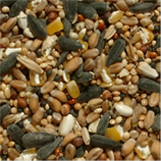
We've reduced the price of our Feeder Mix™ by 10% for this month only. Most of the seeds in this mix are grown right here on our farm – it's a delicious, free flowing mix that's particularly popular with finches and tits.
Here's a testimonial from one of our customers:
"This is the best feeder mix I've found, and believe me, I've tried an awful lot out on my garden birds! This mix doesn't have big dried-up stalks which clog the feeder and the birds love it. Delivery really quick and I definitely recommend this product and the company."
Buy Feeder Mix™ Now & Save 10%
Enjoy your birds!
With very best wishes,
Lesley