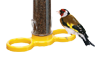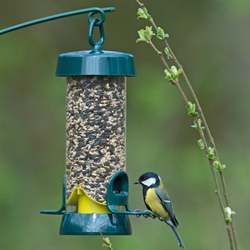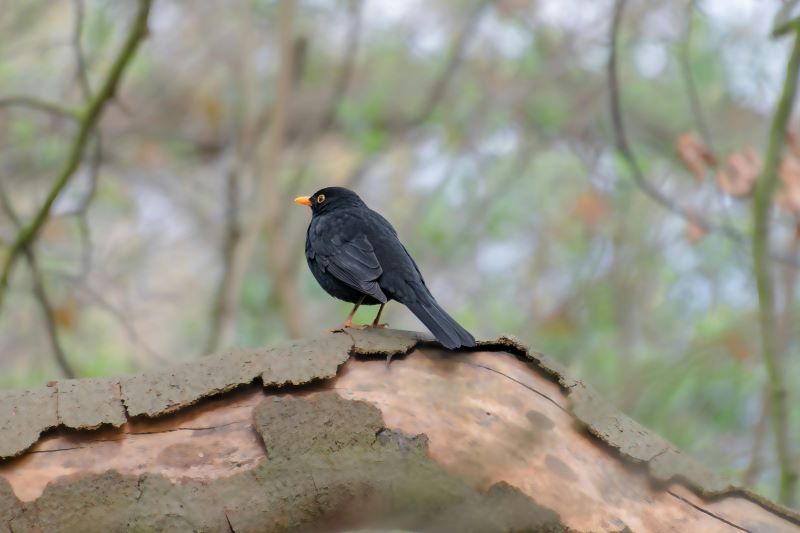
A mosquito-borne disease known as the Usutu virus has now been widely detected across the South of England. The virus, first discovered more than fifty years ago around Africa’s Usutu River, has been present in mainland Europe since the 1990’s and finally made its way to the UK after a hot and humid summer in 2020. So, what does this mean for our beloved garden birds? Keep reading this blog to find out!
Which Birds Does Usutu Affect?
Usutu virus can affect a wide range of bird species including house sparrows, pied flycatchers and kestrels, but blackbirds are exceptionally vulnerable. In fact, since 2020, blackbird numbers in Greater London have fallen by around 40%, with many birds found dead suddenly with little prior illness. This is a truly startling figure for our much-loved British blackbirds.
Are Humans at Risk of Usutu Virus?
Although Usutu virus primarily affects birds, humans and horses can also be bitten by Usutu infected mosquitoes, however the risk of serious symptoms or complications is very low. As of late 2025, there are currently no reported human infection cases in the UK, however evidence of the virus’ circulation is growing.
How Can We Help?
While there is no known cure or antiviral treatment for Usutu virus, there are practical steps we can all take as humans to help keep our feathered friends healthy and safe – for example…
- Clean feeders regularly: Thoroughly clean your bird feeders at least once a week using a mild disinfectant and scrubbing brush. Make sure that all leftover, mouldy food and droppings are thrown away.
- Remove any standing water: Mosquitos breed in standing (stagnant) water so make sure you tip up wheelbarrows, empty plant pots and clear gutter blockages to control mosquito numbers.
- Provide fresh water: Make sure that you empty, clean and refill your bird baths everyday with fresh water. (Always wear gloves when handling dirty feeders and bird baths to protect yourself from disease!).
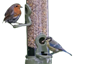
- Space feeders out: Try to spread out your feeding stations to help your garden birds feed without overcrowding.
- Report sick/dead birds: If you see any dead birds or birds who appear lethargic, uncoordinated or seizing (especially blackbirds) report them to the Garden Wildlife Health(GWH) project.
If you’re running low on bird feeder cleaning equipment, use the button below to browse our selection of feeder hygiene products, including disinfectants, brushes and scrapers.
Shop Feeder Hygiene Products
By keeping your feeding areas clean and mosquito populations at bay, you can help to prevent the spread of Usutu virus amongst your garden birds!
If you have any questions about the virus and how to support your feathered friends, get in touch with us today and member of our team will be happy to help.