







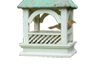
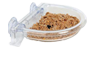
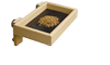


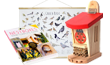




















National Nestbox Week is coming up next week (February 14th to February 21st) and bird nesting season is right around the corner, so it is more important than ever to help your local birds out with safe and cosy nesting opportunities.
If you’re not sure where to start, this blog will take you through where to put nesting boxes for different species of garden birds, so that no bird is left without shelter this nesting season.
Which Birds Use Nest Boxes?
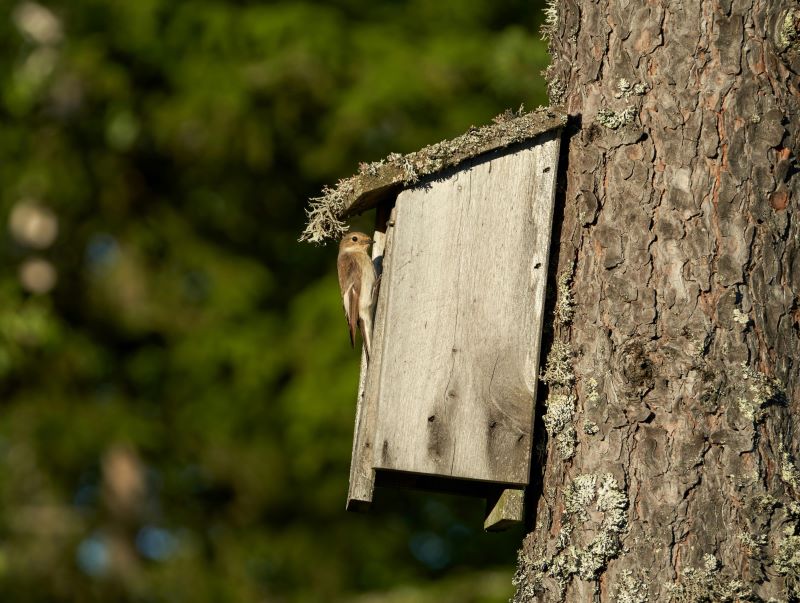
Many UK bird species use nest boxes, particularly cavity nesters who would naturally nest in tree holes or crevices. The most common nesters in the UK include Blue Tits, Great Tits, House Sparrows, Robins and Starlings. However, by installing nest boxes in your garden you increase the chances of even rarer species setting up home in your garden!
Different birds prefer different nest box locations and types, to find out how you can create the perfect nesting space for some of your favourite garden visitors, check out our suggestions below.
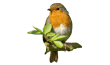
Robins
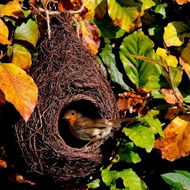
Type of Next Box: Open-front like our Woodstone Open Fronted Nest Box
Where to Put Nest Box: Ideally, Robin nest boxes should be places around 1-3 meters off the ground, preferably hidden in shaded or secluded spots with shrubbery.
Blue Tits
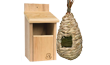
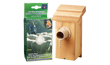
Type of Nest Box: Small and enclosed with a 32mm entrance hole like our Washington Wooden Nest Box
Where to Put Nest Box: Blue tit nest boxes should be placed 2-5 meters high on a tree, wall or fence, preferably away from bird feeders to prevent disturbance.
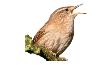
Wrens
Type of Nest Box: Small ‘roundhouse’ style like our Roundhouse Wren Box
Where to Put Nest Box: Wren nest boxes should be placed 1.5-3 meters above ground, preferably in shaded and sheltered locations with dense shrubs or ivy.
Sparrows
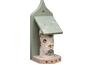
Type of Nest Box: Small wooden nest boxes with 32mm entrance holes like our National Trust Vail Larch Nest Box
Where to Put Nest Box: Sparrows are colonial breeders and therefore prefer nest boxes installed in groups or connected “terraces”, ideally under eaves or on walls at least 2 metres high.
Swallows
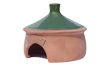
Type of Nest Box: Open-fronted, cup-shaped nest boxes that mimic their natural mud nests like our Ceramic Swallow Nesting Bowl.
Where to Put Nest Box: Swallows prefer sites that are elevated, typically 2.5 meters or higher above the ground and away from direct sunlight like sheltered eaves, barns and sheds.
Nuthatches
Type of Nest Box: Sturdy, larger nest boxes with 35mm entrance holes like our Minnesota Nest Box
Where to Put Nest Box: Nuthatches prefer to nest around 3-5 metres off the ground, ideally on mature trees in a shaded area.
House Martins
Type of Nest Box: Open-fronted, cup-shaped nest boxes like our House Martin Ceramic Bowl
Where to Put Next Box: Ideally directly under the eaves of a house or outbuilding, at least 2 metres off the ground.
General Tips for Placing Nest Boxes
Now that you can what kind of next boxes your favourite birds like and where you should place them, keep the following tips in mind when setting up your nest boxes.
- Ensure the next box is slightly tilted forward so that rain doesn’t run into the entrance hole.
- Face the nest box between North and East to avoid direct sunlight and harsh rain and winds.
- Make sure that the nest box isn’t easily accessible for squirrels and cats.
- Consider using Nest Box Protection Plates to protect wooden nest boxes from predators.
- Avoid placing nest boxes near feeders as this can cause disturbances and attract predators.
- Don’t place the same type of nest box too close together as some birds can become territorial and will fight.
If you have any questions about our range of nest boxes or where to put them, get in touch with us today at Really Wild Bird Food.
To check out the rest of our nesting box selection, click the link below!