













Category: Featured Posts


19 May 2026
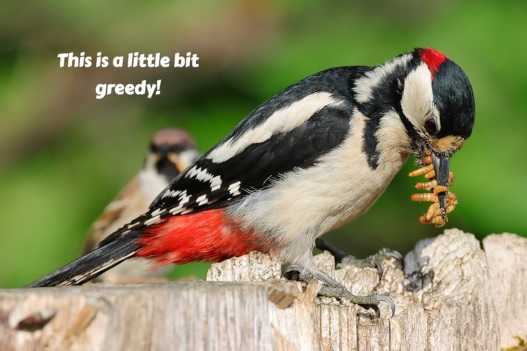
Bird eating live mealworms

This week, you can save 10% on live mealworms and wax worms! Enter the code MAGIC10 to activate this discount. Offer ends at midnight on 25th May.

This is a key time of year to be feeding live mealworms and wax worms. The last few weeks have been extremely cold (considering it is the month of May) and we have had really cold strong winds, rain and even hail stones! This inclement weather creates a challenging environment for adult garden birds to raise and feed chicks, and also look after themselves. We know that flying insect numbers have declined by a whopping 60% over the last 20 years in the UK, and one way to help garden birds out is to offer live mealworms or waxworms, particularly during the breeding season. Whilst they are not a perfect substitute, they are high in protein and water content – and of course they wriggle, which attracts garden birds to investigate. Blackbirds, house sparrows, starlings, robins, wagtails, wrens, long tail tits, coal tits, blue tits, great tits and woodpeckers will all be attracted to live mealworms, taking them off to feed hungry youngsters that are waiting in the nest or lurking under hedgerows in anticipation.

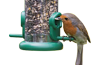
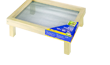
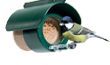
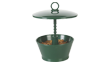
Live foods are very easy to offer. They should be placed in a container with upright sides (to stop them wriggling away). Here are some options which we have, ranging from window feeders to hanging feeders, to feeders for your flower bed, but as you can see from the photo below, we just use a relatively heavy ceramic kitchen bowl.

If you haven't fed live mealworms before, and would like more information, our Live Bird Food Tips are a great place to start.

This week, we are offering our customers a 10% discount on purchases of live mealworms and wax worms. So if you are swithering about trying them out, now is a good time to make the move!

Please enter code MAGIC10 at checkout to activate your 10% discount. Offer ends midnight on 25th May 2026.

Order Your Live Foods Here >>


Keeping your bird baths clean

Whilst communal bathing can be glorious, it can also leave a bit of a mess in the bath. If you have been keeping up with my previous newsletters about the importance of bird bath cleanliness to protect garden birds' health, I am sure you are redoubling your efforts to clean them daily and replenish with clean water. THANK YOU!

I thought I would share this top tip from a lovely customer who has it nailed! This is a big stone bird bath which is heavy and cumbersome to empty and clean. The top left photo shows the accumulated dirt from just ONE DAY! After scrubbing the stone, she placed a simple pot plant tray in the bird bath. It is light and easy to lift, clean and replenish. Happy days! I know which one I would prefer to drink from.

If you have any top tips for keeping bird baths clean, please do send them to me and I will pass on your ideas!


Great savings on hygiene bundles

Our Hygiene Hub has everything you need to keep your feeding stations and bird baths clean. These two bundles are currently on offer:

Bird Bath Hygiene Bundle

Save £3 on this bird bath hygiene kit, which includes Ark-Klens™ disinfectant, Vetark CitroSan sanitiser and a pair of cleaning brushes.

Buy Now >>


Bird Feeder Cleaning Kit

Save £2 on this bird feeder hygiene bundle, which includes two brushes, a scraper tool and a spray bottle of 3-in-1 disinfectant, cleanser and deodoriser.

Buy Now >>


Feeding seeds and peanuts at this time of year

Our home feeders are being emptied at a pace at the moment. Our garden birds are extremely hungry and we continue to offer them a range of feeds including seed, peanuts, fat and mealworms. Offering all the food types is important to support the variety of garden bird that visit us.

Finches, for example, are predominately seed eating birds. They have short, strong and thick beaks that are designed for cracking seed shells. Finches have varying beak sizes depending on the type of seeds they eat. Larger, stronger beaks are suited for cracking hard seeds, while smaller beaks work better for softer seeds such as black sunflowers. Our seed mixes contain a variety of homegrown seeds with different levels of 'hardness' to suit every preference. Feeding the adults will really help them and the ensuing survival of their chicks.

Finches pictured (clockwise from top left): greenfinch, bullfinch, goldfinch, chaffinch.

Our garden birds are plentiful, varied and healthy. We have a few house rules to ensure they stay that way:

  • We don't over-feed. Feeders must be completely empty before we refill; this encourages the birds to eat up any spilt seeds before they get a top-up!

  • We space our feeders widely around the garden. This reduces the number of birds gathered around a single feeder at any time.

  • We move our feeders weekly so that the grassy area under the feeder is clean.

  • We don't move feeders back to 'used' areas for at least 3 weeks. This eliminates the chance of infectious organisms surviving.

  • We clean all feeders weekly, and we keep spares so we have one to wash and one to hang. This lets the washed feeders dry completely before re-use.

  • We only use easy-clean feeders that can be dismantled easily. This makes life so much easier!

  • We stay vigilant and enjoy our birds!

If you follow our lead, you won't go far wrong.


Seed of the month

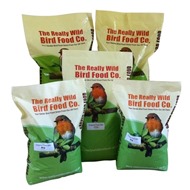
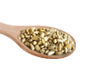
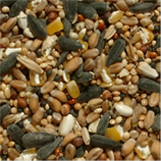
High Energy Fledgling Mix™ is our seed of the month for May. Order now and save 15% on the usual price!

Blended fresh on our farm every single day, each batch is carefully made to order for ultimate freshness, quality, and nutrition – so your garden birds get to enjoy seed at its very best.

Even better, it's a no-mess, no-grow mix so every bite gets eaten, with no waste left behind.

Stock Up & Save 15% Here >>


Nighttime visitors need nourishing

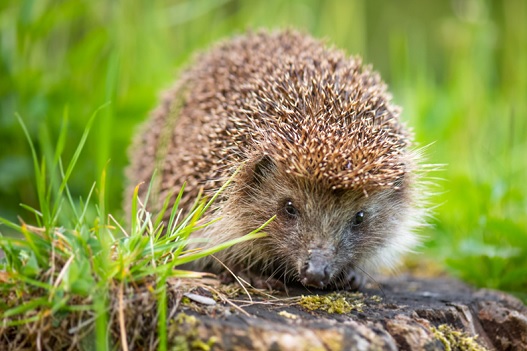
May is busy month for hedgehogs. After recovering from hibernation, they are on night-time wanders searching for a mate.

Support your local hedgehogs by supplying fresh water and nutritious food!

SPECIAL OFFER: Save 10% when you buy a 2kg bag of I Love Hedgehogs food!

Visit Our Hedgehog Hub >>


Well hopefully there is some warmer weather in store for us later on this week, which I am sure will be welcomed by most of us.

Enjoy your birds!

Best wishes,
Lesley

P.S. Don't forget to use your MAGIC10 discount code at the checkout!

16 Apr 2026
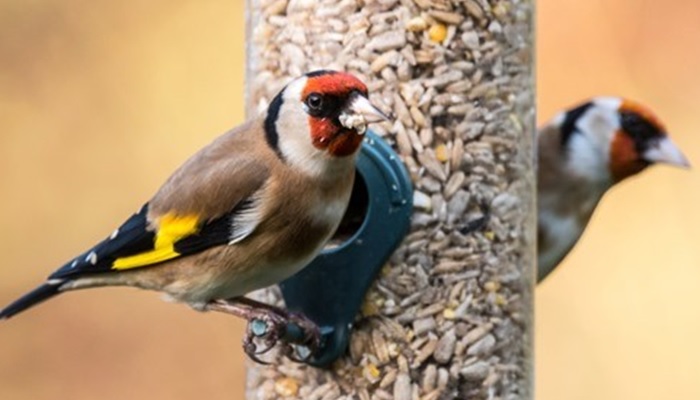
Goldfinches on a bird seed feeder

Our resident vet Lesley responds to the RSPB's controversial new guidance on supplementary bird feeding.

Many of our customers have been in touch asking for advice regarding the RSPB's recent announcement that, in their opinion, supplementary feeding of seeds and peanuts to garden birds should cease between May and October. I would like to set out our position and my personal thoughts on this topic.

Firstly, let me say that from a veterinary perspective and as bird-loving farmers, we do not agree with the RSPB's recommendation that you should stop feeding seeds and peanuts during the summer months. The issue is not what you feed your wild birds; it is how you feed them.

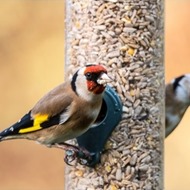
Pictured: goldfinches enjoying our High Energy Blend™ bird seed mix.

We know that if you encourage birds (or any other animals) into close proximity with one another, there is an increased risk of spreading disease – just like children at the start of a school term. For garden birds, this applies to any infectious organism (things like avian pox, scaly leg, gut parasites and bacteria) but it is specifically the infection of finches with the Trichomonas protozoan parasite which has prompted the RSPB's change in position regarding supplementary feeding.

While greenfinch numbers have declined significantly in the last 20 years (the organism has been causing disease in finches since around 2006), there is now evidence that those numbers are recovering. Many of our customers are reporting new sightings of greenfinches and increased numbers returning to their gardens, which is excellent news – and I believe that the hygienic feeding practices we have been advising and promoting for very many years are now making a difference. Things are improving!

However, there is still much to do and we must not become complacent.


Why We Need to Keep Feeding Wild Birds

We all love our garden birds and we have a duty to look after them. That duty of care, however, also extends to feeding them and helping them to survive in what is an increasingly challenging world for them. By this, I mean the significant changes in climate (we in the UK now experience severe drought, persistent flooding and frequent extreme high winds) and the huge decline in natural food availability (insects, invertebrates and natural seeds) as a result of climate change, urbanisation and intensive farming practices.

The breeding season is the key time to ensure success of any species.

Without successful broods of young healthy chicks, bird numbers will plummet. There are already many garden birds whose numbers are in decline: house sparrows, tree sparrows, blackbirds, thrushes and starlings to name a few. These declines are not disease related but climate and environment related, and this is why garden birds have come to rely on us so heavily for supplementary food. If they didn't need the food, they wouldn't be at our feeders.

Take the autumn months as an example. In autumn, most birds leave us! They head off to find natural food sources because they don't need our help. During the breeding months (April to July) they most certainly do need our help. We absolutely will not be restricting their vital food source during these months, and we recommend that you don't either.


The Scientific Bit

With my veterinary hat on, I must also comment on the 'science review' that led to the new RSPB recommendations. It is worth mentioning that this work is currently not peer reviewed. In my opinion, to hold scientific credibility, research work should be peer reviewed before publication.

While the trial did show the presence of the Trichomonas organism on swabs taken from food, feeders and water baths in gardens where diseased birds were present, of particular note is that only seed feeders were swabbed (to my knowledge no other foodstuff was tested) and from a relatively small sample size of 106, the organism was only detected in 1.88% of samples of seed from feeder (2 out of 106) and they did not isolate the organism at all from 108 swabs taken from the actual feeder ports / mesh. Positive detections were much higher, however, in swabs taken from base trays (19%) and water baths (24%). These findings do suggest that water baths and feeder trays / flat feeding surfaces are likely to be the main nidus of infection and we should pay particular attention to those when setting a strategy to minimise the transmission of disease.

Sick birds will often spend prolonged periods of time just sitting on feeder trays or water baths (or the ground) trying unsuccessfully to eat and drink, regurgitating contaminated saliva. The Trichomonas organism thrives best in damp, unhygienic conditions and can be killed quite easily by heat and drying. This is why more diseased birds are seen during the colder, wetter winter months.


What to Do Now

It is very important that we all continue to do the right thing by our garden birds and just revisit our home setup to minimise the risk of spreading disease in and around feeding areas and water baths. I will be writing more on this topic in the near future, but here are my headline recommendations to help you look after your garden birds:

  • Continue to feed high-quality, high-energy food (including seeds, peanuts, suet and mealworms) during the breeding season in particular. Opt for no-mess, husk-free seed mixes. Also, live mealworms are a particularly good choice for the breeding season because they're high in protein and moisture and easy for adults to transport back to the nest.

  • Feed according to demand. We recommend filling your feeders on a daily basis, and only putting in as much food as your birds will consume in one day. Putting fresh food out every day is better for the birds, plus it will mean that you notice right away when your feeders need cleaning!

  • Clean all feeders weekly. We recommend using easy-to-clean hanging feeders whose ports and bases can be easily removed for a more thorough scrub. Browse our easy-clean feeder range here.

  • Don't attach seed trays to the bottom of feeders. Sick birds will often sit on seed trays for prolonged periods and these can act as reservoirs of infection.

  • Avoid using the flat surface of bird tables or flat ground feeders (unless they can be regularly cleaned). Sick birds can sit for prolonged periods on feeding tables, drooling saliva that's contaminated with the protozoa. This can then infect healthy birds visiting the table for up to 5 days, so avoid leaving this potential reservoir.

  • Relocate your feeders on a regular basis. You should also make sure the areas under your feeders are brushed or scraped up as frequently as possible (but at least once a week).

  • Avoid using multi-feeder feeding stations that encourage large numbers of birds to congregate in close proximity. Instead, place individual feeders in separate locations, and as noted above, remember to clear up the area underneath each feeder regularly.

  • Be extra-vigilant about bird bath hygiene. As the results above show (a 24% isolation rate), bird bath hygiene is absolutely critical for the continued health of your garden birds. Swap out any large, heavy, difficult-to-clean bird baths for smaller baths that can be easily brought indoors for scrubbing. Birds love to poo in their baths, so please make it part of your daily ritual to throw out the dirty water, give the bath a quick scrub, and replenish with clean water. Your garden birds will thank you!

  • Help your family. We know how much our older relatives love their garden birds and how much pure enjoyment they get from their company. Often it is not easy for them to take down feeders, move feeders or clean them easily. So if you (or the grandchildren!) are able to give a helping hand, it can only be to the benefit of the local wild birds.

  • Rest up during the autumn months. As mentioned above, bird numbers in our gardens start to decline naturally (depending on the weather) from August / September through to November, when they can mostly fulfil their needs elsewhere. This is therefore the most suitable time to scale back your bird feeding efforts

As many of our customers know, I am a vet with a First-Class Honours degree and I do have many years of experience feeding wild birds. It is a fact that no two gardens are the same, no two bird populations are the same and no two days are the same! But one thing that is the same is our love of garden birds and our desire to do our very best for them.

Please keep a close eye on what is happening in your garden – and if you have any doubts, queries or questions, I will be very happy to help you out in any way I can. You can send me your questions here.

Enjoy and take care of your garden birds!
Lesley

Visit Our Bird Seed Shop

12 Feb 2026
Where to Put a Nest Box

National Nestbox Week is coming up next week (February 14th to February 21st) and bird nesting season is right around the corner, so it is more important than ever to help your local birds out with safe and cosy nesting opportunities.

If you’re not sure where to start, this blog will take you through where to put nesting boxes for different species of garden birds, so that no bird is left without shelter this nesting season.


09 Jan 2026
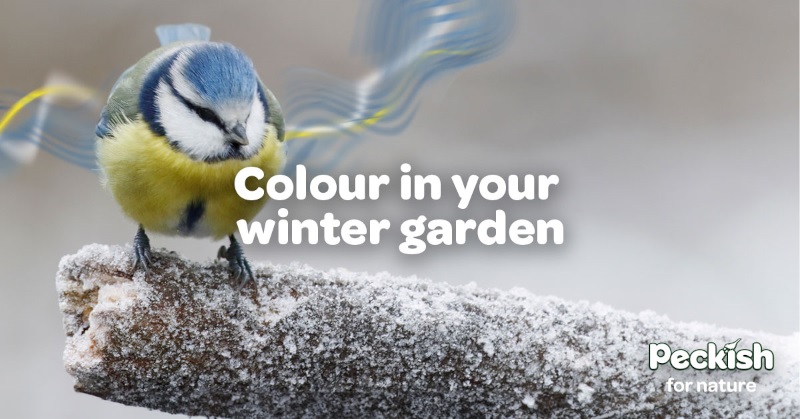
Colour in your garden

Have you seen the new Peckish TV advert yet? It’s all about using bird food to colour in your garden with vibrant winged wildlife!

Birds need a little extra help in winter to stay energised, so now is the perfect time to start feeding the birds. This is an easy and fun activity that can bring more colour to your garden and your neighbourhood in general.

The new Peckish campaign encourages viewers to colour in their gardens by feeding the birds. However, it can be tricky to know where to start. We’re a distributor with years of experience helping feed wildlife, so we’re happy to help – here’s everything you need to colour in your garden this year!


How to colour in your garden

1) Choose a bird feeder

We sell a variety of Peckish bird feeders that can add a bit of colour to your garden. You’ll even get free delivery on your bird feeder if you also buy one of our nutritious home-grown seed mixes.

Here’s a tip: some birds are picky about how they feed. Birds like robins and chaffinches are ground feeders, which means they prefer to peck from a flat surface. The Peckish Everyday Bird Table features a roof (which provides shelter for birds while they eat) and is very easy to assemble. Some ground-feeding birds may prefer a table that is closer to the ground, but many will happily eat from an elevated table. Plus, the classic wooden table will make a lovely addition to your garden!

If you don’t have space for a freestanding bird table, you can still attract plenty of colourful birds with a hanging feeder, like the Peckish All Weather Large Seed Feeder. It is ideal for rainy UK winters and easy to fill with delicious bird seed.

Peckish also offer a couple of more specialised feeders, like their sunflower heart and suet ball feeders. If you want to attract lots of different birds, your best option is to use a few different types of bird feeder.

With so many wonderful options, your garden will be more colourful before you know it!


2) Choose some bird food

You can’t colour in your garden without bird food. Providing nutritious and healthy seeds is the quickest way to draw in a crowd of new feathered friends. At Really Wild Bird Food, we offer a huge range of seed mixes, from our eco-friendly EnviroMix to our Ground Blend, which is specifically formulated for ground-feeding birds!

If you’re a little overwhelmed by all the choice, you can’t go wrong with our best-selling Tidy Garden Mix. Unlike some mixes, which may leave a mess of shells or cause weeds to grow around your feeding area, this mix only includes ingredients that won’t sprout. It’s foolproof and beloved by a wide variety of garden birds.

Another tip: birds don’t just eat seeds! In nature, many birds eat insects. You can put out live mealworms for your birds, but we know this can be a bit daunting if you are just starting out so we also offer dried mealworms that don’t wriggle around.

Suet – available in the form of fat balls or suet pellets – is another popular treat for birds. It’s full of fat, which healthy birds need to stay warm (especially at this time of year). Our Seed and Suet Combo mix offers birds a balanced, high-energy diet.


3) Take care of your local birds

Setting up a feeder and filling it with bird food is a really good start, but there are a few more small steps you can take to care for your new avian visitors. You should provide water for drinking and bathing, clean your bird feeders regularly, and offer plenty of places for birds to rest or hide. Nesting boxes give birds shelter from predators and bad weather, and many of them have fun designs that can improve the look of your garden.

Feeding the birds is a lovely way to make your garden more colourful, but by taking these extra steps, you can be sure that you are doing your best to properly care for the wildlife around you. Preserving your local bird species by providing food, water and shelter can be incredibly rewarding.


Ready to colour in your garden?

You can colour in your garden by following the instructions above! We hope you enjoy seeing new, beautiful birds flock to your filled-up feeders. And remember: we offer FREE DELIVERY if your order includes one of our seed mixes!

Shop Bird Food

Read these guides for even more useful information on feeding the birds:

26 Jun 2025
bird feeder maintenance

Look after your feeding station by cleaning regularly and refilling it daily. Read on for more useful bird feeder maintenance tips!


What’s a Bird Feeding Station?

A bird feeding station is a device that lets you hang multiple bird feeders in one place. Most bird feeding stations look a bit like a coat rack, with many arms for hanging feeders, though some feeding stations can also support feeding trays at the same time. You can build your own with a sturdy pole or buy ready-made bird feeding stations for your garden.

Whether you’ve got a full feeding station with a plethora of feeders, or just a single feeder on a branch, proper cleaning and maintenance is crucial.

19 Jun 2025
top 10 bird feeding mistakes


Feeding the birds is a fun and very rewarding activity, but it’s also an important responsibility. Providing bird food means that the health of your local wildlife is in your hands. Don’t worry though – you can help protect these birds by avoiding common bird feeding mistakes.

Below are the top 10 bird feeding mistakes that people tend to make when they start feeding the birds, as well as our expert advice on how to avoid them.

23 Apr 2025
Benefits of feeding birds

At Really Wild Bird Food, we’re no strangers to feeding birds. In fact, we’ve been providing Britain’s birds with nutritious and tasty meals since the nineties! On Street End Farm, just outside of Hampshire, we grow all sorts of healthy food for a variety of different garden birds.

Whether you’re looking to help out your local bird population or just enjoy a spot of bird watching, here are some of the key benefits you can reap by putting a bird feeder in your garden.


What are the benefits of feeding birds?

  1. Helping your local birds
  2. Protecting your garden from bugs and weeds
  3. Pollinating your flowers
  4. Watching the birds
  5. Keeping UK bird species off the endangered list


1. Helping your local birds

Your local birds may struggle to find sources of nourishment, especially if you live in a built-up area. Providing high-calorie foods for your local birds can be a literal lifesaver (especially during the winter months, when natural food sources are at their most scarce).


2. Protecting your garden from bugs and weeds

Birds are great for your garden! For one thing, they will sometimes eat seeds that would otherwise have grown into weeds. Draw birds to your garden with a feeder, and they might pick up a few extra snacks along the way. This prevents the weeds from growing and ruining your lovely flower beds. You might also attract birds that eat slugs, such as starlings, robins and blackbirds. This can be handy if those slimy so-and-sos have been treating your garden like an open buffet.

While birds may naturally flit through your garden on occasion, the best way to get them to eat your bugs and weeds is to properly invite them to your garden with a good meal.


3. Pollinating your flowers

For the most part, we associate pollination with bees. While protecting bees is still very important because they are great pollinators, there are also some birds who can pollinate flowers too. This is great, because pollination is super important for the flowers in your garden. It’s also crucial for food production!

Birds pollinate flowers when they are trying to eat nectar. While the most well-known avian pollinator is probably the American hummingbird, there are UK birds that occasionally enjoy nectar too, like blue tits. You may see goldfinches burying their long beaks inside teasel flowers to get at seeds! When birds stick their beaks into a flower, pollen will get stuck along the beak. This can then be transferred to other flowers, pollinating them.

SEE ALSO: Planting Wildflowers in Your Garden


4. Watching the birds

There are good reasons why bird-watching is such a popular hobby: it’s relaxing, it’s entertaining, and it can help you feel closer to nature. Birdwatching can even help you to improve your mental wellbeing! Once you’ve set up a feeding station in your back garden, you can simply sit and enjoy the sight of the birds – or you can hone your ornithology skills by keeping a list of the different kinds of birds you see! People with restricted mobility can enjoy this accessible hobby from the comfort of their own home or garden.

This is one of the major benefits of feeding the birds. If you’ve never experienced the thrill of running to the window to spot an unusual bird in your garden, then you really should give it a try. 


5. Keeping UK bird species off the endangered list

While you might not see any immediate benefit from this on a personal level, this is possibly the most important point on this list. In the long run, preserving diversity in bird species is incredibly important for the ecosystem.

Birds help keep the population of small creatures they eat (like mice) from becoming a problem. Birds are also prey for a lot of wildlife. The loss of even one species of bird can have a significant impact on our entire ecosystem. By feeding your local birds – and putting up nest boxes to give them a safe place to rest – you can contribute to the preservation of bird populations.

SEE ALSO: Endangered UK Birds & How You Can Help Them


How to start feeding the birds

Interested in the above benefits of feeding birds? It’s really easy to turn these ideas into a reality. You can start feeding birds healthy and nutritious food with very little effort.

Firstly, pick out a bird feeder that suits your garden. We offer a great range for you to choose from, including both hanging feeders and bird tables. You might also consider putting up nesting boxes, which can offer your birds a place to shelter. It's also important to put out some clean water for birds to drink and clean with!

Once you’re ready to start shopping, simply click the button below to discover our huge range of bird seeds.

Shop Bird Food   More Bird Feeding Tips

24 Apr 2024
What to Feed Birds in Summer

As the warm days of summer approach, the dietary requirements of the wild birds in your garden are evolving and changing.

While summer brings an abundance of natural food resources, providing bird food is still important, especially as the warmer months are usually nesting, breeding and moulting seasons for birds. In this blog, we will explore the best bird foods to keep our feathered friends happy and healthy and your garden thriving this summer.