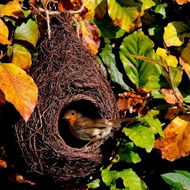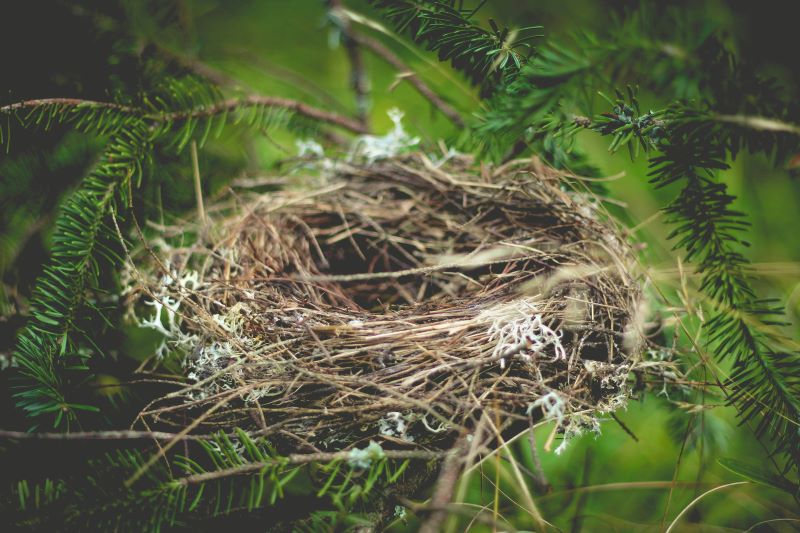
You may have been told before to brush your hair outside, it saves you time on cleaning up the fallen strands and gives your local birds something to build their nests with. However, this is a misconception, leaving human hair out for birds is actually not safe and should be discouraged – we’ll explain why in this blog!
Why Human Hair Is Dangerous for Bird Nests
Human hair is dangerous for birds to use in their nests for a few different reasons:
Entanglement
Long, thin strands of human hair in the nest can easily wrap around a bird’s leg, feet or wing, constricting it and cutting off circulation. Human hair is stronger than you may think and can be very difficult for a bird to break free from once entangled. This is a particular issue with baby birds who will then grow, causing the hair to tighten and potentially cut blood circulation to legs which can be fatal.
Toxicity
Hair products like shampoos, conditioners and hair dyes may contain chemicals that are toxic to birds if ingested or absorbed. Even hair products that appear to be natural can have harmful residues and put birds at risk of chemical poisoning.
Lack of Insulation
While human hair may feel like a great soft material to build a cosy nest with, it is not as good an insulator as other natural materials. Human hair is also not designed to stay dry and can therefore soak up water, leading to the nest becoming unstable in wet conditions.
How to Help Birds Nest Safely
- Do not leave out any pet hair that been treated with anti-flea, tick or lice remedies as these can be harmful to birds.
- Do not leave out dryer lint as this is not only full of washing chemicals, but will also dissolve in wet weather.
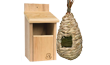
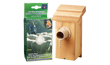
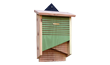
- Install nest boxes made of durable, natural materials and place them at a safe height away from feeders.
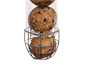
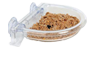
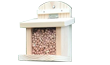
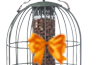
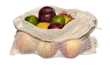
- Create a nesting material dispenser by filling a mesh bag, suet cage or basket with collected natural nesting materials, such as: twigs and dead leaves, moss and bark, pine needles, straw and nesting hay, spider webs and sheep’s wool (if not treated with chemicals).
If you want to give your local birds a helping hand this nesting season, check out our nesting materials page using the button below.
Shop Nesting Materials
If you have any further questions about bird nests and nesting materials, please get in touch with us today and a member of our friendly team will be happy to help!