


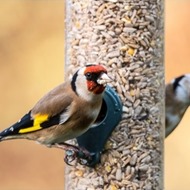












SHORT ANSWER: Yes! Feeding wild birds is a great way to support them – just make sure you're doing it responsibly.
A recent press release from the RSPB has received a lot of news coverage and caused no small amount of alarm. It warns nature lovers not to feed seeds or peanuts to their garden birds between the start of May and the end of October. Why? To help stop the spread of disease among British birds.
This certainly hasn't come out of the blue. Concerns about avian diseases, overcrowding, and the impact of human feeding habits have been raised loudly and repeatedly over the past few years. One might easily get the impression that the bird feeders in our gardens are actually doing more harm than good.
Now, as a qualified vet, I'm all too aware of the problems that poorly-maintained feeding areas can cause for wild bird populations. However, please be reassured that there's no need to stop feeding your feathered friends, who need your help now as much as ever!
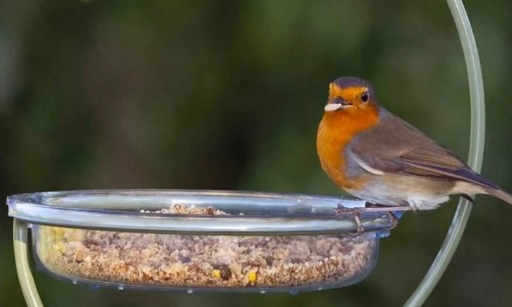
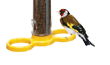
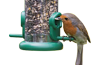
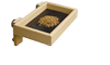
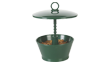
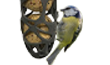
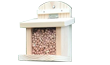
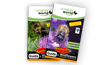
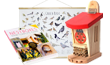
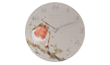
PICTURED: I Love Robins® Easy-clean Hanging Treat Dish
Why feeding the birds is important
Garden feeding plays a key role in supporting British bird populations, particularly in urban and suburban areas where natural food sources tend to be in short supply.
A reliable source of high-energy food can make a real difference for many UK bird species, especially during the nesting season (March to September) as well as the cold winter months.
So feeding itself isn't the problem. The problem is hygiene.
Where the concerns come from
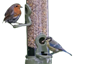
When large numbers of birds gather around the same feeding station, diseases can spread easily. Contaminated feeders, droppings, and leftover food can all contribute to the transmission of illnesses such as salmonellosis.
This is why some experts have raised concerns – not because feeding birds is a bad idea in itself, but because too many people aren't doing it hygienically.
How to feed birds safely
Practising good feeder hygiene is crucial to feeding birds safely and minimising the risk of disease.
Here are some expert tips:
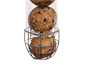
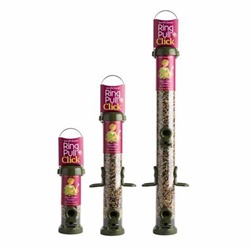
- Clean and disinfect your feeders regularly. See How to Clean & Disinfect Bird Feeders for details. (You might want to consider replacing your current feeder with an easy-clean bird feeder to make this job easier.)
- Remove old food before it gets mouldy. Don't leave the same food in your feeders for more than a week. Any damp food should be replaced immediately.
- Use a scraper tool to keep your feeding station free of bird droppings.
- Move your feeding station to a different spot every so often. This will help to prevent droppings and uneaten food from building up in one specific area.
- If possible, place multiple bird feeders in different spots to avoid overcrowding.
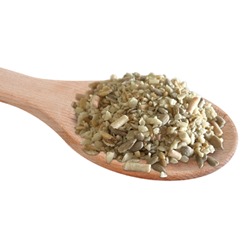
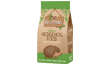
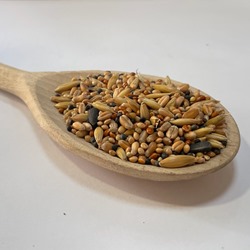
- Fill your feeders with no-waste bird food to reduce mess on the ground.
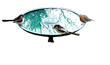
- Keep any bird baths clean and topped up with fresh water.
These small steps will make a big difference to the health of your local bird population.
Keep feeding those birds!
As long as you follow good hygiene practices, feeding wild birds remains a positive and beneficial activity.
Recent warnings may have given you pause for thought, but the correct response is not to stop feeding your birds altogether. By keeping feeders clean and managing your feeding area carefully, you can continue to support your local wildlife without spreading disease.
Feeding wild birds is an easy way to feel closer to nature. With the right approach, it can be both safe and rewarding. If you're unsure where to start, or if you want to improve your bird feeding setup, explore our range of bird feeder cleaning products and feeding solutions — or drop me a line and I'll be happy to offer whatever advice I can!
Bird Feeder Cleaning Products Ask a Question
This article comes from Lesley Smith, Really Wild Bird Food's co-founder and resident vet. Lesley frequently draws on her experience as a veterinary surgeon to provide guidance for customers who are concerned about the health of their garden birds. If you're interested in learning more about wild bird diseases, you can read more on the topic from Lesley here.
LAST UPDATED: 13th April 2026