




























































































Nightjars Return to the South Downs National Park
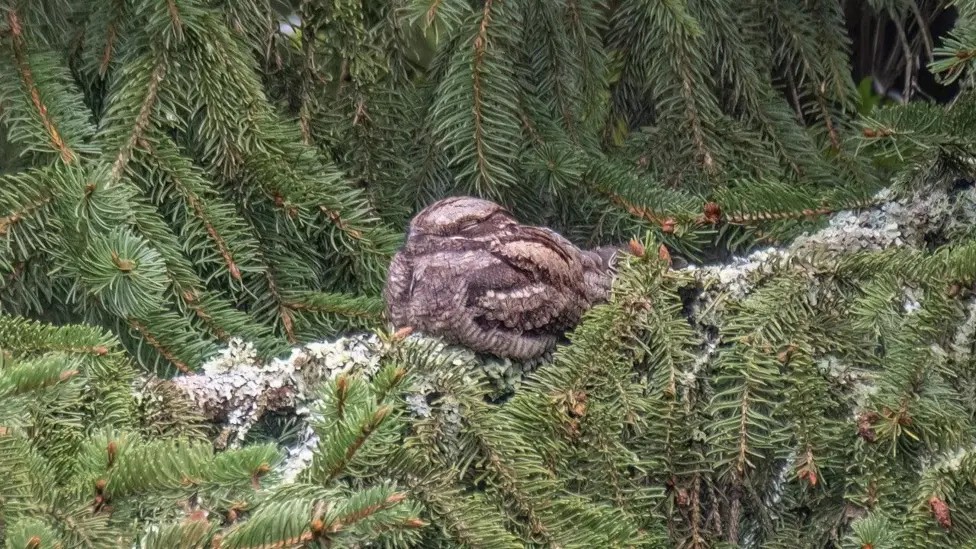
As dusk settles over South Downs National Park, a “churring” sound can be heard across the heathland - once a rarity, now signals the return of the elusive nightjar.
A Bird of Myth and Mystery
The nightjar is one of Britain’s most enigmatic birds. With mottled plumage that blends seamlessly into leaf litter and tree bark, it is rarely seen even when nearby, and instead it is known by it's hypnotic churring sound which can be heard at twilight.
Historically, the bird carried a curious reputation. Sometimes called the “goatsucker,” folklore claimed it stole milk from livestock under cover of darkness. In reality, the nightjar’s nocturnal habits are far less sinister preferring to hunt moths and other flying insects in the fading light.
Each year, these birds undertake an extraordinary migration, travelling roughly 4,000 miles from central Africa to breed in southern England between April and August.
Decline and Danger
Despite its mystique, the nightjar has faced very real threats. During the late 20th century, populations declined sharply, dropping by over half between the 1970s and early 1990s.
The main culprit was habitat loss. Lowland heath, essential for ground-nesting nightjars, was cleared for agriculture, forestry, and development. Today, this habitat makes up only about 1% of the national park, making it as rare as rainforest in a British context.
A Remarkable Recovery
Recent years, however, have brought a turnaround. Conservation efforts across the South Downs have led to what experts describe as a “remarkable comeback.”
Populations are estimated to have doubled in just five years, with 78 birds recorded in a recent survey and a record 109 breeding territories identified in key heathland areas of east Hampshire.
This recovery is no accident. It is the result of sustained, coordinated action:
-
Habitat restoration: Rebuilding and maintaining lowland heath for nesting
-
Land management: Controlling vegetation and preserving open ground
-
Public engagement: Encouraging visitors to keep dogs on leads and stay on paths
Together, these efforts have created the conditions nightjars need to thrive again.
A Wider Ecological Revival
The nightjar’s return is part of a broader pattern. Other heathland specialists, such as woodlarks and Dartford warblers, are also increasing in number.
This suggests that restoring a single habitat can trigger a cascade of ecological benefits. In a landscape where biodiversity has long been under pressure, such signs of recovery are both rare and encouraging.
The Sound of Hope
The resurgence of the nightjar is more than a conservation statistic, it is a sensory experience. To hear one at dusk is to encounter something ancient and almost otherworldly, a sound that once risked fading into silence.
Now, thanks to careful stewardship and community effort, that sound is returning to the South Downs. It is a reminder that, given the chance, nature can recover and that even the most elusive species can find their way back.
If you have any further questions about nightjars or looking after your garden birds, please get in touch with us today and a member of our friendly team will be happy to help!