NEWS FROM THE FARM
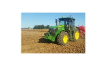
The last few days have been extremely cold on the farm with harsh over-night frosts. At this time of year farm work is very quiet; predictably, the tractors are in shed. But we have been busy doing other things - like improvements and repairs!
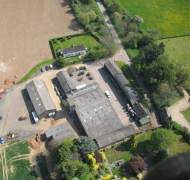
This shed is destined to be our new pallet store. As our business grows, space continues to be a major challenge for us. This shed used to house grain storage bins, but we have removed them to create a useable and much-needed pallet store.
NEWS FROM THE FARM
As I write this, there have been snow flurries here in the south and the temperature has certainly dropped by a few degrees.
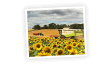
October was a lovely month for us; dry and warm, which meant our cover crops grew really well. Our buckwheat flowered for a long time providing some very welcome late nectar for the bees. However buckwheat doesn't like cold weather and it has started to fall over now. The linseed was somewhat slower to flower so didn't provide much late-season help for the bees.
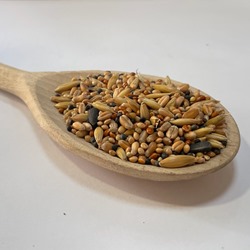
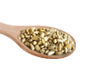
This was Richard's first home produced cover crop and he is very pleased with the mix ratios of the various plants that he put together. This particular cover crop contained the following: oats, phacelia, linseed, buckwheat and sunflowers. Each element with a specific function, contributing to improved soil quality and stability.
This week I would love you to meet a close neighbour, and friend of mine, Jeannie Pakenham who paints beautiful watercolours, which are now available to buy as gorgeous prints and blank greetings cards on our website!
This is Jeannie in her garden studio in the summer months. At the time, she was working on a watercolour based on an old photograph of her gorgeous grand-daughter Rosie, splashing in puddles! - and this lovely painting she has titled 'Puddle Jumping'.
When we got a call asking us to help out a Lincolnshire Florist with a design for British Flowers Week, (19-25th June 2017) we were only too delighted to say ‘yes’ and we sent them a large bag of RWBFC British grown sunflower seeds for Abigail MacNiven’s creation.
Do you know that currently only 12% of all flowers bought in the UK are actually grown in the UK? British Flowers Week is a national campaign that showcases the best of British flowers and foliage; and with the beauty, variety and wonderful smell that British flowers can have, why wouldn't we all only buy British flowers?
Five florists within the UK were chosen by a team of top judges (two of which are the Queen’s florists of choice!) to represent this special week within the floral calendar. Petal & Stalk were the only non-London based Florist shop.