


































It has been a glorious day and I hope that you too are enjoying the fine weather. Spring really is here - finally!
It has been a glorious day and I hope that you too are enjoying the fine weather. Spring really is here - finally!
I hope that this newsletter finds you surviving the stresses of yet another lockdown, and that you are still managing to enjoy your garden birds.
Many of you will have noticed that there have been some significant changes to our business since December. The two main ones being the move away from our previous courier APC, and the fact that you are now receiving your goods in cardboard boxes.
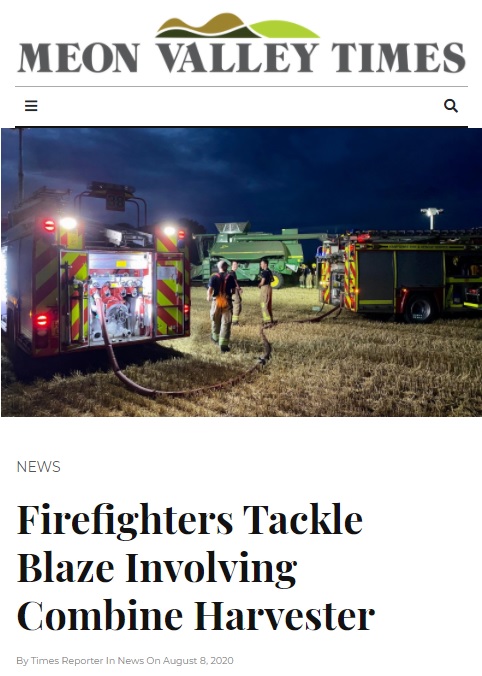
We had a very lucky escape on the evening of August 8th - when our combine harvester caught fire.
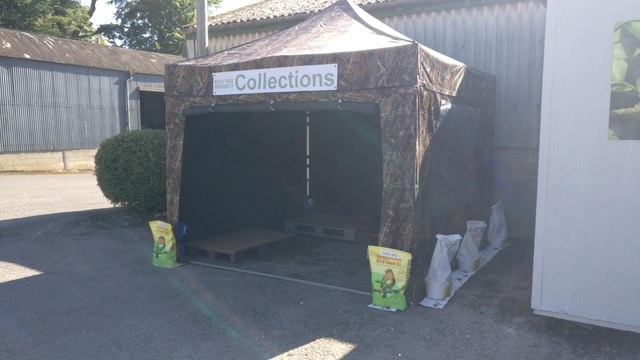
Save 10% on your order when you select 'Collect from our farm' at the checkout!
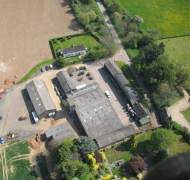
We're pleased to announce that our Click & Collect service is up and running once again. This means that, instead of paying for delivery, you can now come and collect your Really Wild Bird Food products in person - we'll even help you to load them into your vehicle!
You can pick up your order between 8.30am and 4.00pm, Monday to Friday. As an added incentive, we'll take 10% off the cost of your purchase if you choose the Collect from our farm option when you check out.
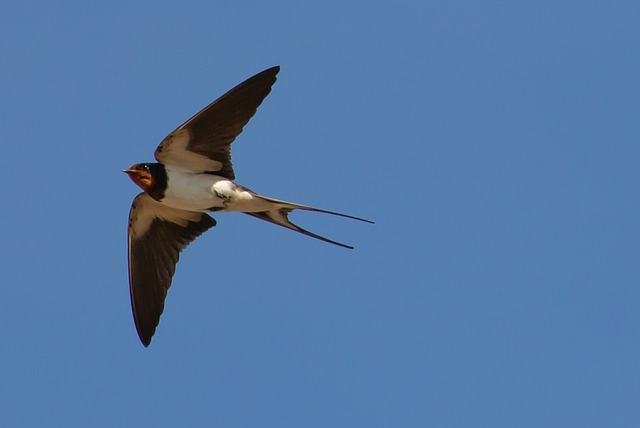
We've noticed a significant decline in the number of swallows with us this summer, and it seems we're not alone. Paul Stancliffe from the British Trust for Ornithology has said that the swallows are here, "but seem to be in much lower numbers than we would expect".
A summer without swallows feels somehow incomplete - so why are there so few swallows in the UK this year? As it turns out, there are a number of possible explanations.
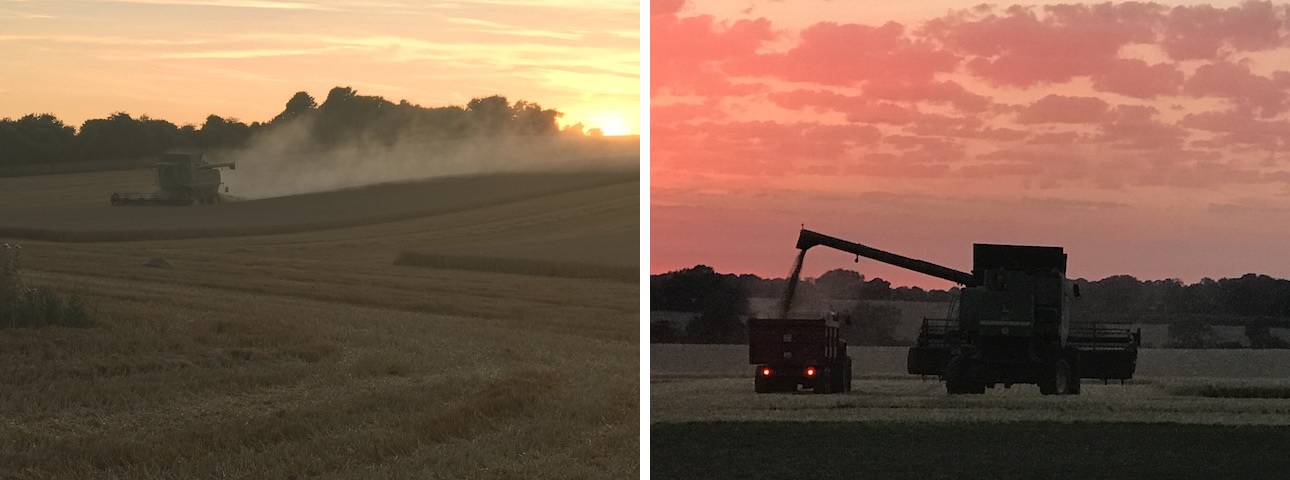
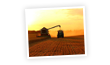
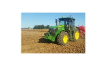
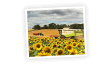
Harvest time is nearly upon us! For me, it is the most exciting and enjoyable time of the farming year; the culmination of a year's work for Richard. It can also be an anxious time; will it all go well? Will the weather stay dry and warm? Despite thorough servicing and a lot of pre-harvest preparation, a combine seems to be an unknown entity until it starts working! We had some mechanical trouble last year (and the year before!) so we are really hoping this year will run smoothly, and if we have some long, dry summer days with evenings like these (photos were taken last year), that will be much appreciated too.
Cleaning jobs have been completed; the grain store, combine and grain trailers are all ready for action, and we have had a chance to do some painting and general maintenance around the farm.
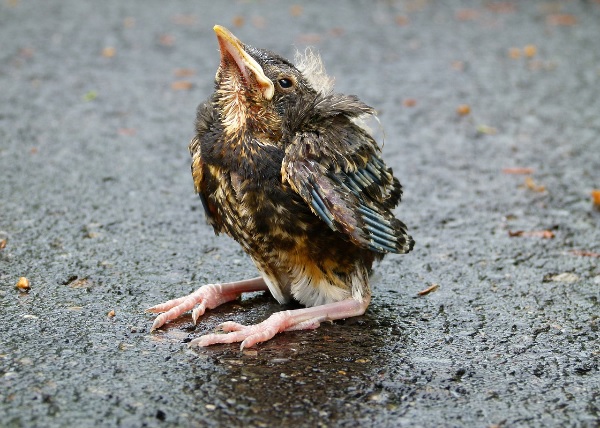
If you see a baby bird on the ground - all alone and seemingly abandoned by its parents - your first instinct may be to offer the fledgling a helping hand.
However, in most cases, you should not intervene. Yes, it's hard not to feel sorry for a young bird who appears to be struggling, but your attempt to assist may end up interfering with a critical stage of the fledgling's development. Birds have to learn to stand on their own two feet and fly on their own two wings!
The COVID-19 (coronavirus) pandemic has devastated the UK in many different ways. We've mourned tens of thousands of deaths. The country's GDP has fallen by more than 20 per cent. Unemployment has soared. Children have missed months of school, and families have been unable to spend time together.
But if all that bad news has made you desperate for a silver lining, here it is: the Great Lockdown of 2020 appears to have been quite beneficial for UK wildlife.