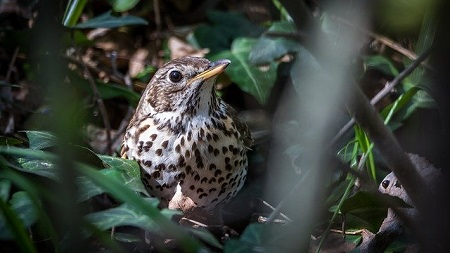
Song thrushes are a truly charming species of bird that can be found in most British gardens. Unlike mistle thrushes, song thrushes are small and brown in colour with a creamy/yellow coloured breast.
Weighing in at only 65-100g, these delicate little birds are a delight to see, but not always the easiest to spot!
One feature that distinguishes song thrushes from other birds is their repetitive song phrases. Want to find out more about these gorgeous little songbirds? Just keep reading.
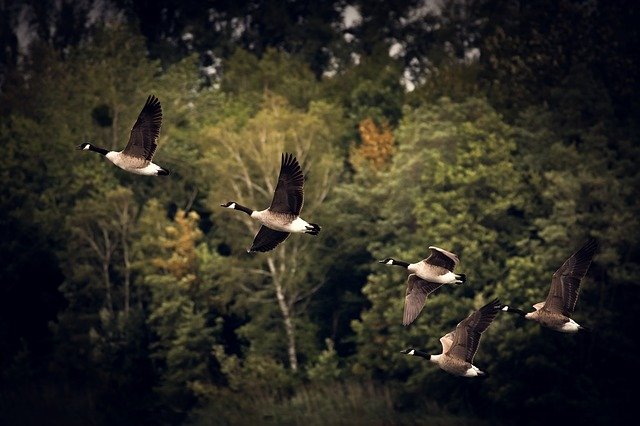
Have you ever looked up to the sky throughout the year and seen a flock of birds flying in formation in the same direction? Well, if you have, the chances are that these birds are migrating from the UK to another location where they can enjoy gentler climates or they're making their way to the UK from another location for the same reason.
But what exactly is migration and why do birds do it? Do all birds migrate or is it only certain species? In this blog, we take a closer look a bird migration to help you better understand why it occurs.
So, without further ado, let's fly right into it!
If like many people in Britain, you have a deep love for birds, you'll most likely be aware of the various strange and wonderful species that you can find here. For those who don't, however, this guide to some of the rarest birds found in the UK is sure to get your wings flapping with excitement. So strap in and fly with us through our list of some of the rarest birds species found right here in Britain!
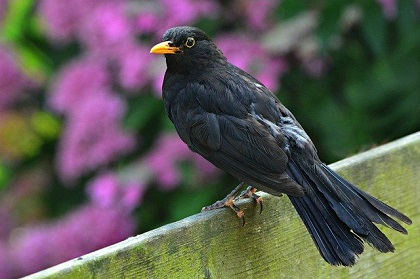
Of all wild birds, blackbirds are one of the most common and one of the easiest to identify. In total, there are over 10 million blackbirds in the UK, it's highly likely that you have one visiting your garden on a regular basis.
Their shiny black feathers and bright yellow beaks make them very easy to spot in your garden. Today we're going to get to know them a little better!
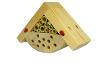
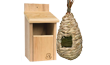
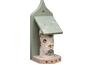
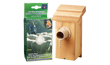
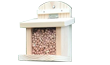
National Nest Box Week was established and developed by the BTO (British Trust for Ornithology) to provide a focus on nesting birds and to support their conservation and local biodiversity. It encourages the placement of nest boxes in your local area, at a time when small birds traditionally pair up ahead of the breeding season.
Natural nest sites such as holes in trees or old buildings are disappearing fast, so our native birds need all the help they can get to find a safe spot to breed. Birds may even use the nest box year-round, roosting cosily in it during the winter months.
We know that 2021 hasn't got off to the best of starts, but this weekend we all have something to look forward to - the RSPB Big Garden Birdwatch! This is an event that the whole Really Wild Bird Food team looks forward to each year, and you should too.
This is a great opportunity to get your family members out into the garden for an hour to discover the wildlife that lives alongside us. We know it's a bit chilly, but grab a coat, a hot chocolate and pop outside for just an hour.
There are a lot of bird enthusiasts who love the idea of bird photography but have no idea where to start. If this sounds like you, don't worry, you're not alone. Wildlife photography is a fine art and some photographers will focus solely on photographing birds for years before they finally get their dream shot.
That being said, with the right equipment, patience and a little bit of practice, complete beginners can capture some stunning photographs of wild birds. Read on to find out our best bird photography tips!
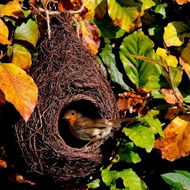
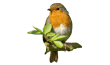
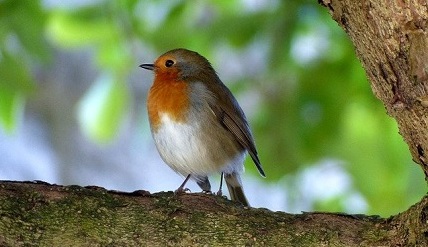
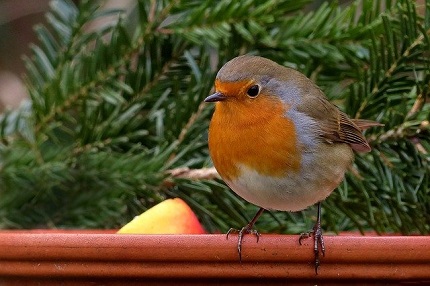
As you can tell, we have a bit of an obsession with robins here at Really Wild Bird Food. Our robin mascot can be seen throughout our website and across our social media, bringing a touch of cheer to every page!
Year after year, robins have been voted the UK's favourite bird, but surely that comes as no surprise. Who doesn't love robins? When you see or hear a robin redbreast (particularly during winter) it fills you with a sense of pure joy.