


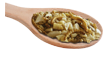
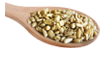
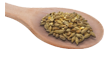
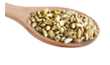































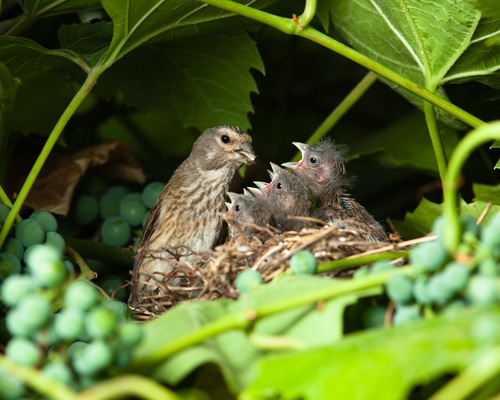
The linnet (Linaria cannabina) is a small finch that can be found in most parts of Great Britain and Ireland. Linnets are known for their melodious song - listen here - and used to be very popular as cage birds.
The linnet (Linaria cannabina) is a small finch that can be found in most parts of Great Britain and Ireland. Linnets are known for their melodious song - listen here - and used to be very popular as cage birds.
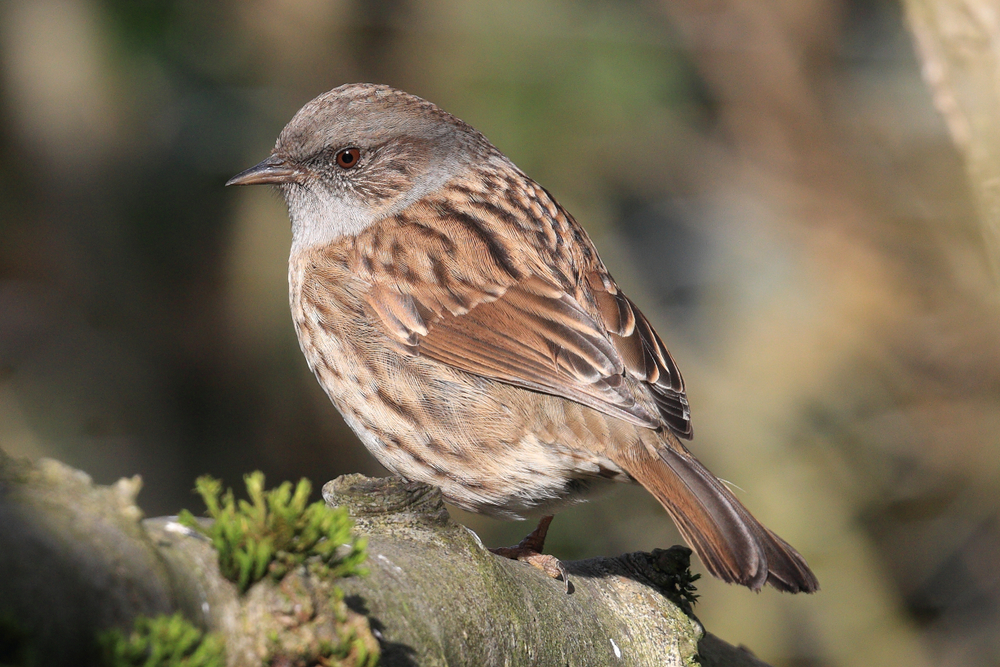
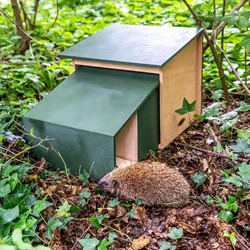
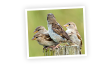
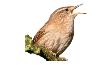
Dunnocks are sweet little hedgerow birds, often called “hedge sparrows' but of course they are not a sparrow!
They have a different colouration and a much thinner beak than the sparrow. The males and females are almost identical in colouration. They have sharp pointed little bills; well developed for finding insects in nooks and crannies. Whilst they are designed to eat insects, spiders and worms, they will also eat seeds, particularly in the winter time when natural food is scarce. They hunt for food on the ground, often hopping around in dead leaves under hedges, bushes and woodland. They will perch on low branches and can fly only small distances. When they sing they have a high-pitched whistling ‘tseep’.
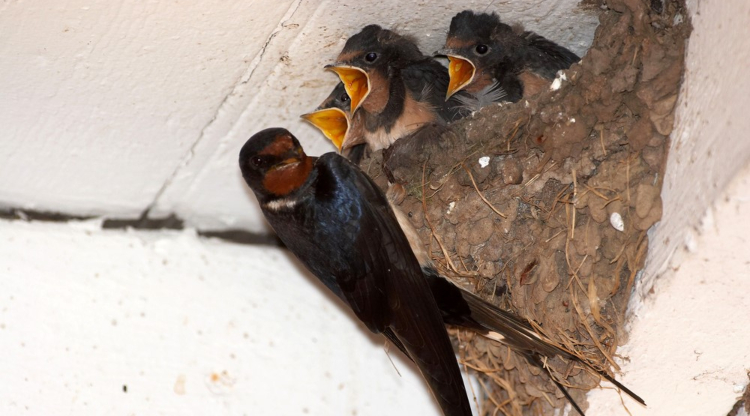
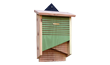
Winter can be a dark and gloomy time of year, with the dark days and chilly weather chasing most wildlife into either hibernation or migration. As we push into February the days are slowly growing longer and the sounds of bird songs are in the air, which can only mean one thing – spring will be on its way soon, and it’s almost time for National Nest Box Week!
National Nest Box Week is a great opportunity to put some time aside and take part in fun activities designed to help support your local wildlife. If you’ve never participated in National Nest Box Week before and are looking for some more information, you’re in the right place!
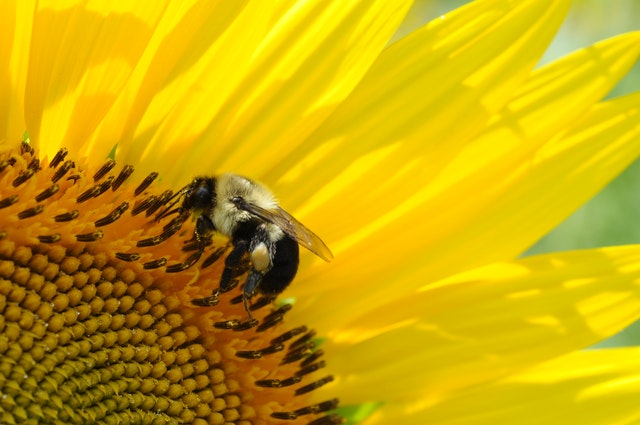
Bees are an important part of our ecosystem – in fact, they’re a part of almost every ecosystem across the world. They are responsible for the pollination of most fruit and veg, making them an essential part of our survival. This is why it is vital that we all do our part to help save the bees.
Here are some fun facts about bees to show how important they really are...
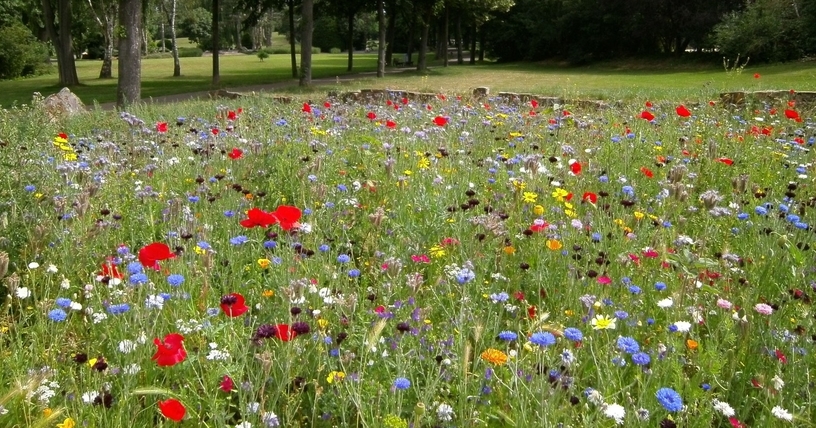
Wildflower seeds should be planted in the Spring, but there are other opportunities to plant wildflowers throughout the year.
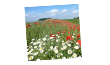
Wildflowers are a great addition to any garden for a wide number of reasons. Their beautiful bright colours bring a radiant splash to any outdoor space, and their varying shapes are totally unique. Wildflowers bring the promise of something new every year with each bloom.
Not only are wildflowers beautiful, but they also do a great amount to support your local ecosystem. Bees and butterflies love them, and bees are great pollinators so their presence will help your garden flourish and support local biodiversity. Although planting a few wildflower seeds in your garden might not seem like much, every little helps.
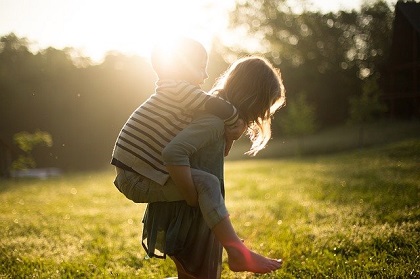
The school holidays are fast approaching, which means it's time to start thinking of some things to do with the kids! It's certainly been a bit of a strange year, and with the COVID-19 pandemic ongoing, it might not be possible to do the things you'd normally do in the school holidays.
But don't worry, there are a lot of fun things you can do, and we've got loads of ideas to help you get going! So, while holidays abroad might be off the table, let's take a look at some of the fun things you can do locally during the summer holidays.
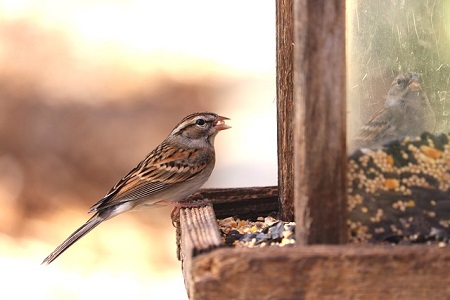
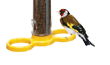
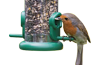
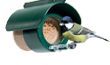
If you've noticed an influx of feathered friends visiting your garden, you might be wondering which bird feeder you should buy to feed them. Different species of birds like to eat from different kinds of feeders, so it's important that you select the right bird feeder for your garden and its visitors. Attracting more birds to your garden can be achieved by hanging lots of different feeder types & offering lots of different foods.
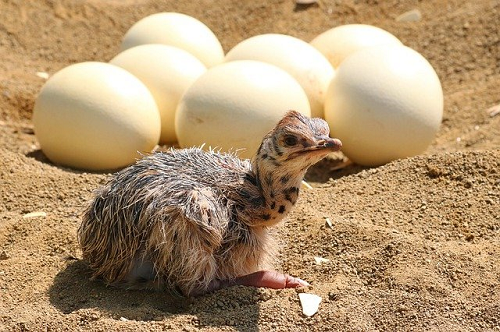
It might be hard to believe but the birds we see flying around our skies today share their ancestry with dinosaurs! That's right, bird evolution is a complex process that's taken place over hundreds of thousands of years to bring us the wide array of feathered species we see today.
In this blog, we're going to take a deep dive into the history of birds, their ancestry and their evolutionary story. So, if you've been asking yourself - what did birds evolve from? You're in the right place! Strap yourself in, we're heading back 115 million years to see where the evolutionary history of birds started...