Remote working is quickly becoming a normal way of living for a lot of us! Understandably, people are doing whatever they can to make the home office a stress-free environment so that they can concentrate on being productive!
Unfortunately, working from home can make people feel very isolated. Where they would normally interact with colleagues and clients in an office setting, they're now confined to their own four walls for the majority of the week. It's a big lifestyle adjustment that some people have taken to easier than others.
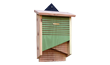
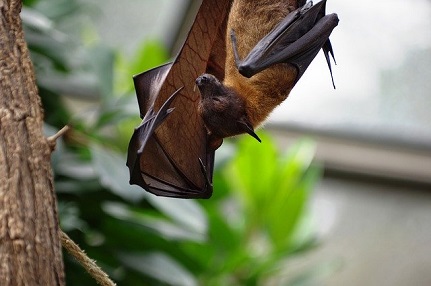
If you've ever been out and about as the sun goes down, we're sure you've seen the bats coming out of their hiding place to hunt. They're found all over the place; in barns, homes and caves, but very few people can get close enough to see the different species that live amongst us.
Well, here in the UK, we don't only have 1 or 2 species of bat living among us, we have 16! So, if you're wondering what species of bat you can see in the UK you're in the right place! Let's take a closer look at some of our favourite flying friends:
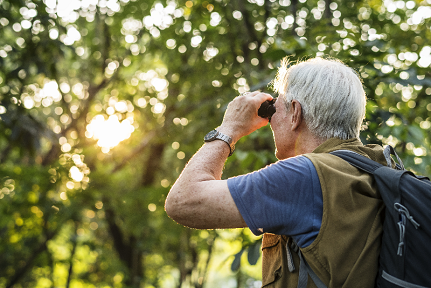
Getting outside to watch the birds is one of the great pleasures of British summer. When the weather is warm, the sun is beaming and nature is blossoming, there's nothing better than sitting in your garden with a cuppa and watching the world go by.
As you may already know, many of our British bird species migrate to warmer pastures for the winter but return to us in summer. This spectacular influx of birds is something that we at Really Wild Bird Food look forward to every year!
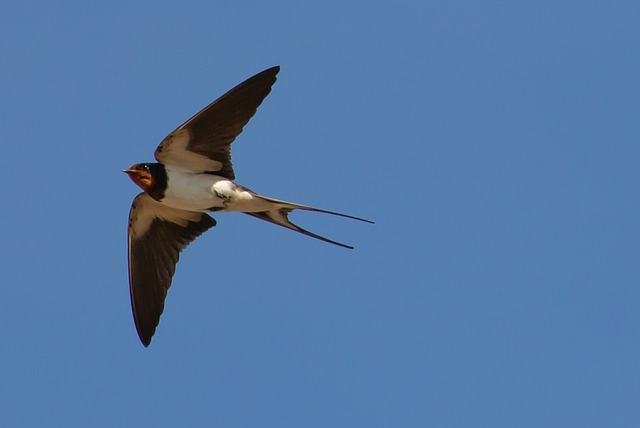
We've noticed a significant decline in the number of swallows with us this summer, and it seems we're not alone. Paul Stancliffe from the British Trust for Ornithology has said that the swallows are here, "but seem to be in much lower numbers than we would expect".
A summer without swallows feels somehow incomplete - so why are there so few swallows in the UK this year? As it turns out, there are a number of possible explanations.
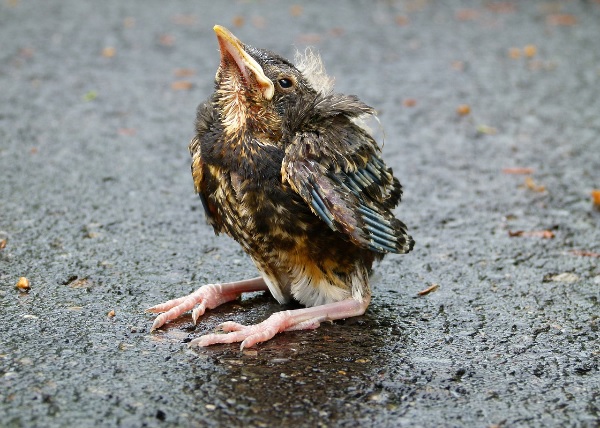
If you see a baby bird on the ground - all alone and seemingly abandoned by its parents - your first instinct may be to offer the fledgling a helping hand.
However, in most cases, you should not intervene. Yes, it's hard not to feel sorry for a young bird who appears to be struggling, but your attempt to assist may end up interfering with a critical stage of the fledgling's development. Birds have to learn to stand on their own two feet and fly on their own two wings!
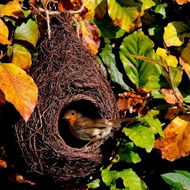
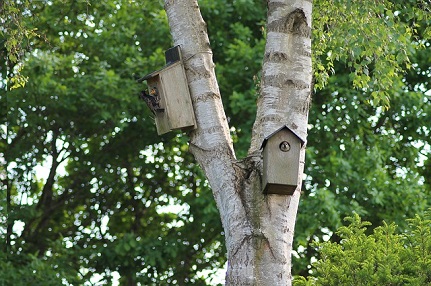
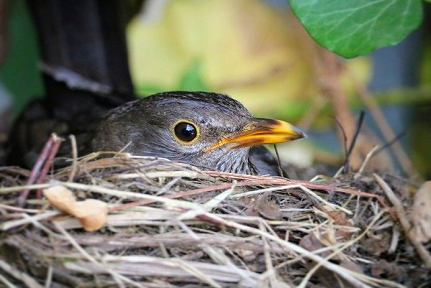
Spring is almost here, which means that birds up and down the country will be preparing for the arrival of their youngsters by building cosy nests up in the trees.
Birds only spend a short amount of time building their nests, but still manage to build them in a design that's completely unique to their breed.
If you spend some time amongst nature during March and April, you'll be able to see nests cropping up all over the place!
We're sure that all of you keen bird watchers are already aware that the Big Garden Birdwatch starts in just a few weeks time (25th-27th January).
Spending an hour in the garden and contributing to the Big Garden Birdwatch helps the RSPB monitor trends in the bird population, something that's very close to our hearts.
So, if you want to find out more about the world's biggest wildlife survey & how you can take part, just keep reading.
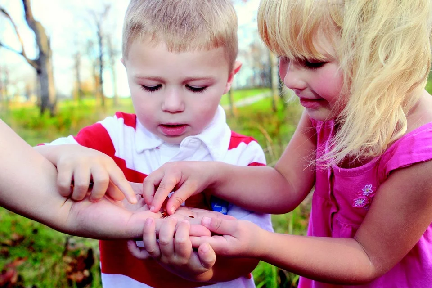
There are a startling number of children in the UK who rarely explore the natural world around them, and we think it's time for change!
With technology spreading into every aspect of our lives and our children's lives, it's important that we inspire them to go outside and experience something 'real'.
I know what you're thinking... how bad can the problem really be?