What is moulting?
Moulting is the name given to the process that takes place when birds shed their old feathers to make space for new plumage.
How long a bird will take to moult, and the length of time their moult takes is dependent on the species, age and time of year.
Some birds moult all of their feathers in one go over the course of a few weeks, while others shed their old feathers gradually over the course of an entire year!
British gardens are a veritable playground for UK wildlife, providing the perfect landscape for natural beauty.
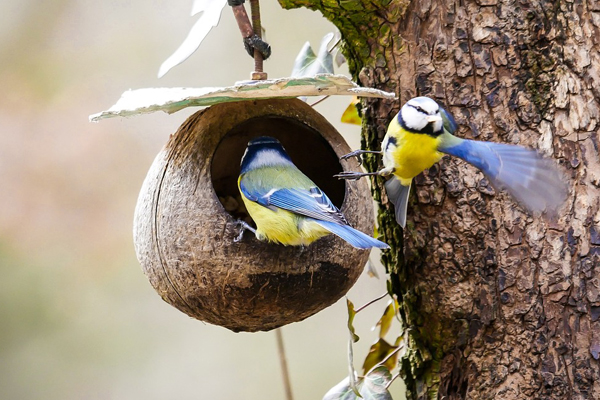
Wild birds are a big part of that beauty and add an inimitable element of organic charm to the scenery.
That being said, gardens aren’t a universal aviary of birds of each species and there are a few familiar faces that crop up with regularity in gardens across the country.
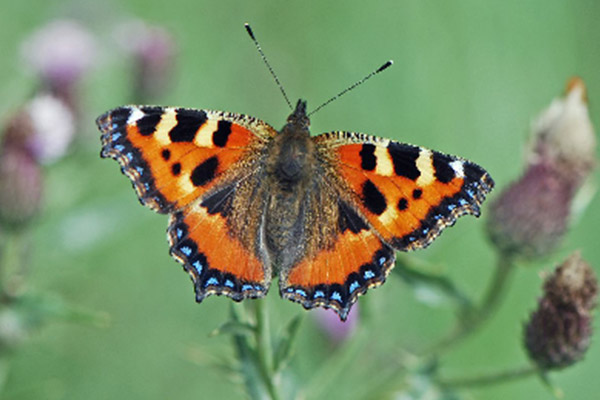
Today is the first day of the Butterly Conservation's 'Big Butterfly Count 2019' and this year it's running until 11th August (plenty of time to get involved!)
All you have to do is find a place to sit for 15 minutes and record the number of butterflies of each species that you see, plus two species of day-flying moth.
There are a few places that are particularly good if you want to look for butterflies including your garden, a park or a wooded area.
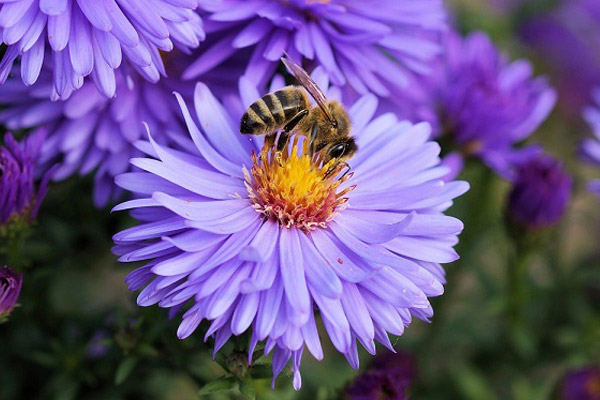
The humble bumblebee is one of the most important pollinators in the world, playing a vital part in the global ecosystem in terms of food - including fruits and vegetables - as well as other useful crops, like cotton and flax.
The pollinatory power of bees also has a profound influence on both the meat and dairy industries, as they also help pollinate clover and alfalfa - two primary food sources for cattle.
Up, up and away...or found on the ground?
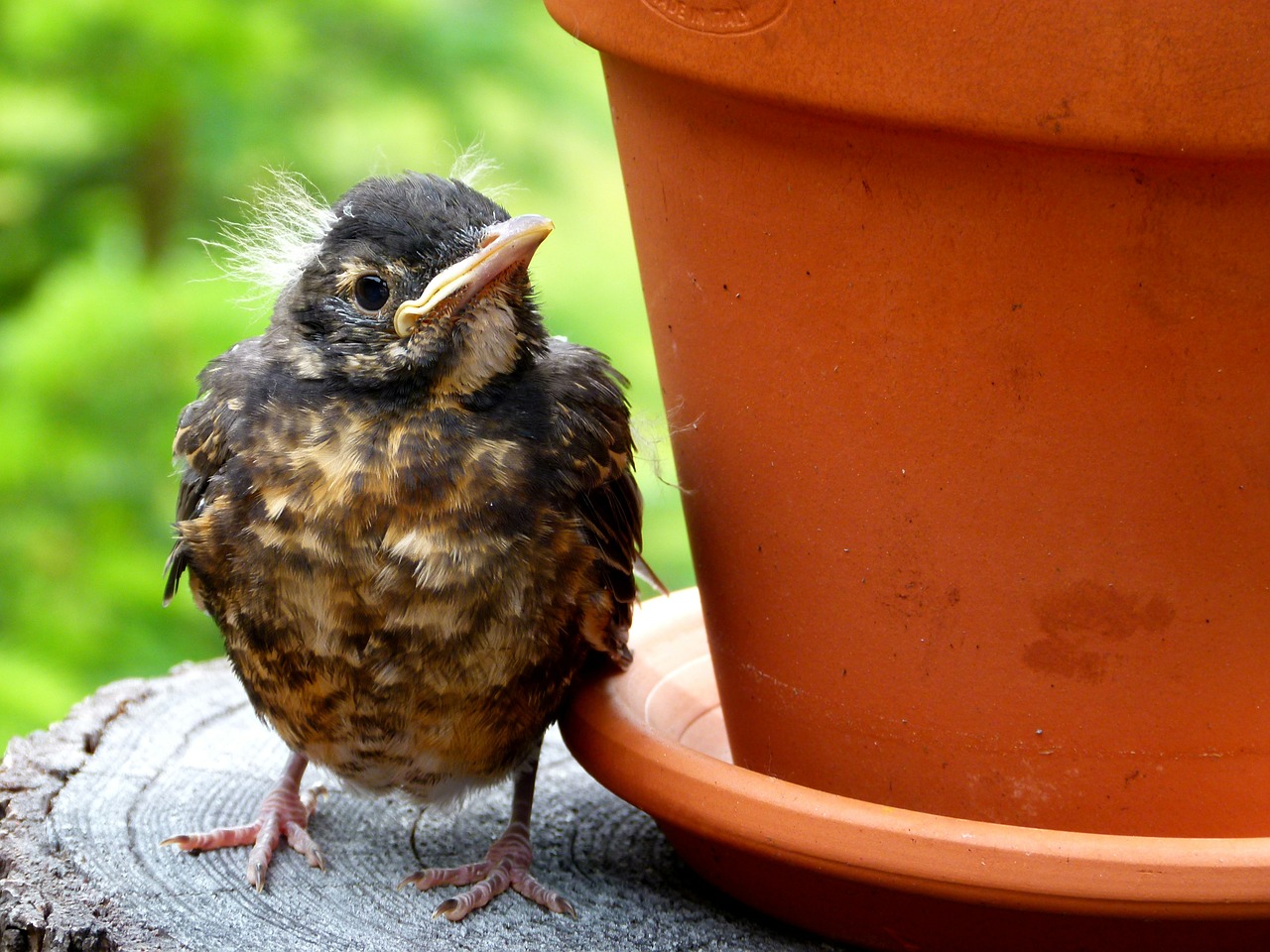
I am often contacted by people who have found a young garden bird (or birds) sitting on the ground and looking as if they have been abandoned by their parents. This can understandably cause concern.
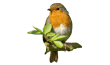
The first thing to say is that this is very common, and in over 95% of cases, there is no need to be worried and you should not intervene. For example, this gorgeous young robin is clearly doing very well for himself and feathering up.
Papilloma viruses in chaffinches give rise to warty growths - which have colloquially been called "tassel foot", and I think you would agree, looking at the photographs which have been kindly sent to me by David White, it is a very good descriptor.
Papilloma viruses in humans cause skin warts, which are very common but usually resolve spontaneously. In fact, I remember as a child, my Dad 'buying my warts from me' for a 5p (or maybe it was a sixpence?) - and magically they used to vanish! I think he just got his timing about right.
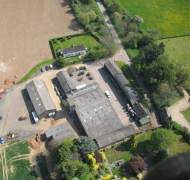
There are so many beautiful aspects to our farm and amazing things to be seen and I really want to be able to share the beauty with you all. So what better way to do it than by taking some lovely photographs! Problem was I didn't have a good camera, so last month I took the plunge and bought the business a 'proper' camera.
Now I don't have any skills as a photographer (and I also don't have very good eyesight) so the two factors combined were bound to produce some fairly blurred images - but HOORAH for auto-focus. I have decided to ignore the 345 different set up options and just use the autofocus button. I tried to capture some of our farm birds but rapidly realised I will l need a considerably bigger lens. So while I am saving up for that, I will share 'big views' and 'close- ups' with you!
Here is a brief comparison between the two types of Bluebells:


























































.jpg)