











































Category: Learn About Nature


15 Jan 2025
how birds fly

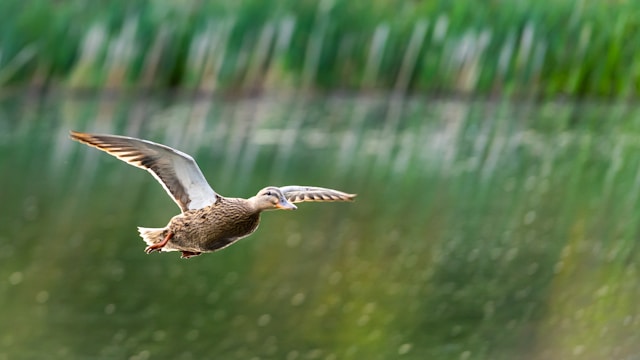
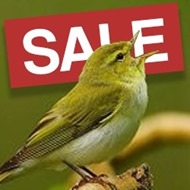
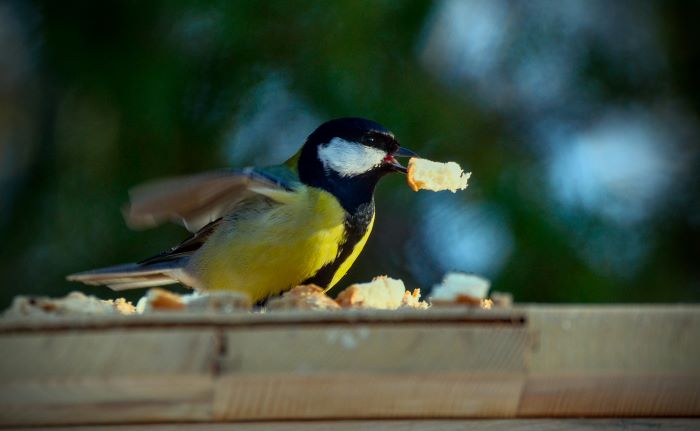
How do birds fly? They flap their wings, of course! But the mechanics of how this works are actually very interesting.

If you want to understand exactly how a bird soars through the air, we’re more than happy to fill in the blanks. Every flight is the result of millions of years of evolution – not to mention a lot of effort on the bird’s part – and we think that it’s a skill worth appreciating.


How Do Birds Fly?

There are many different kinds of birds, and variations in their wing shapes mean that there are slight differences to how they fly. However, most birds use the following method:

Birds first pull their wings down towards their chest, and then unfold them upwards. Because the front of a wing is lifted higher than the back of the wing, the air moves quickly over the top of it. Air speed has an impact on air pressure; specifically, faster air has less pressure than the slow-moving air beneath the wing.

Air always moves from an area of high pressure to an area of low pressure. For instance, when a car tyre is punctured, the high-pressure air rushes out through the hole. In the case of a bird taking flight, the high-pressure air from beneath the wing is moving up to the low-pressure area above the wing. This creates lift...and up the bird goes!

Imagine placing a piece of paper on a balloon, then puncturing it. The paper would go up with the air that’s leaking out. The difference is that the paper would just move with the air, but a bird can use its tail to steer and shift directions.

So, why can’t we humans do this? Surely, if all it takes to fly is a shift in air pressure, it shouldn’t be hard to make yourself a pair of wings and take to the skies. What do birds have that we don’t?


Birds Are Built to Fly!

Here are some of the biological features (besides wings) that allow birds to fly:

  • Heavier in the middle

All of the heaviest parts of a bird (including most of its organs) are in the middle of its body. This gives the bird a concentrated centre of gravity and keeps the rest of the body nice and light for flight.

  • Hollow bones

Why do birds have hollow bones? To help them fly! Though not all bird bones are actually hollow, birds do tend to have lighter skeletal structures in general, so it’s easier for them to stay aloft. You’ll usually find that the bigger the bird, the more air-filled their bones are!

  • Strong muscles

Oddly enough, this is the main thing that prevents people from flying like birds. We just don’t have the strong muscles that a bird uses to flap its wings so fast, for so long. Human shoulders, unfortunately, are a lot weaker (relative to our size) than the equivalent muscles on a bird.

  • Tails

Most birds steer with their tails! They act like the rudder of a boat, directing the rest of the bird’s body.

  • Sharp eyes

Have you ever tried to see on a really windy day? This is the challenge birds face when they are trying to navigate with air blowing into their tiny eyes. And yet, they still manage it thanks to their exceptionally keen vision.


How Do Birds Start Flying?

Some birds need specific conditions in order to actually take off. After all, generating lift from a complete standstill is difficult – there’s a reason why airports have runways!

Some birds even do the same thing that aeroplanes do, moving along the ground to gain momentum. Pelicans, for instance, will have a short run before they can start to fly. Other birds, like eagles and hawks, will use warm air currents. Rising hot air is a great way for a bird to get the altitude they need to really start flying.

Birds may have trouble flying or taking off if they are unwell, or lack energy. You can help care for birds, and keep them in the air, by providing them with nutritious bird feeds. Just like an aeroplane needs fuel, birds need food!

Click the button below to browse our selection of high-quality bird food, much of which is grown on our own farm in the UK. Our High Energy Blend™ and our Super Suet Fat Balls are particularly good for giving wild birds the energy they need to keep on flying!

Shop Bird Food

30 Oct 2024
where does bird seed come from

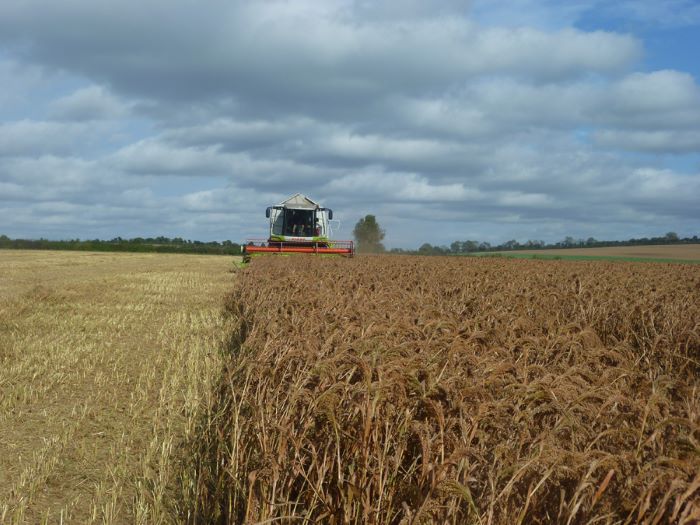
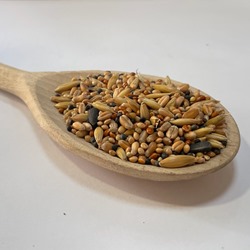
We all know that feeding the birds is a great way to attract them to your garden, but have you ever wondered where your bird seed comes from? This blog will explore the origins of this essential bird food and the journey it takes from our farm to your feeder.


09 Oct 2024
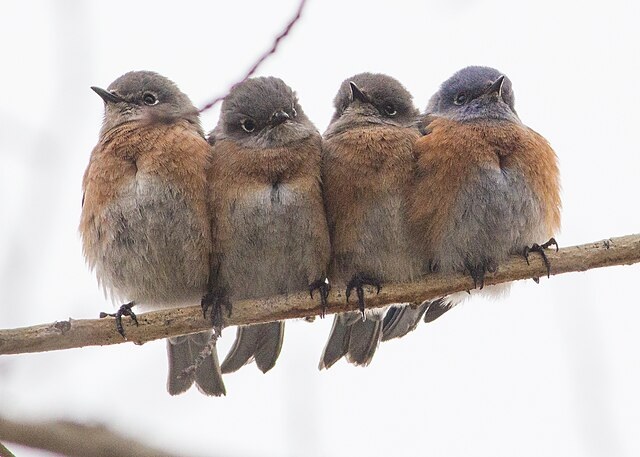
Huddled birds keeping warm in winter

Birds, like humans, are endothermic (warm-blooded) animals. Like us, their body heat is generated from within and must be kept within a certain range for survival. However, because most birds are fairly small, they have a larger body surface relative to their size, meaning they lose heat faster than we do. So how do they keep warm?

Photo by Blalonde (via Wikimedia Commons). Licensed under the Creative Commons Attribution-Share Alike 4.0 International licence.

As the seasons turn and the temperatures drop, we’re able to wrap up warm in thick knits or stay indoors with the benefit of central heating to keep us cosy. But wild birds, who live their entire lives outside, have no such luxuries.

Some UK birds, unwilling to tolerate the cold, simply migrate to warmer regions of the planet until spring rolls back around. But many others—including finches, robins and sparrows—stay here and stick it out. In fact, due to climate change, some wild birds that used to migrate to the southern hemisphere every year (such as swallows) have started wintering in Britain.

So what are their strategies for dealing with the winter chill in the UK?


Layering on the fat and feathers

Eat to heat

As temperatures cool, birds will increase their energy intake to build up their fat reserves. However, while mammals can build up an excess of fat stores in preparation for a long winter, birds are limited in how much fat they can hold on their bodies.

This is because birds also need to be able to fly so that they can escape predators. To balance their need for warmth with their need for flight, birds will often spend each day building up just enough fat to get them through a few nights at most, or sometimes even just one night at a time.

Birds who don’t manage to build up sufficient fat stores through the day are at risk of perishing overnight. Help your local wild birds prepare for the twilight frost by keeping your bird feeder stocked with energy-dense seed mixes and fat balls.

Fluffy feathers

Just as mammals can thicken up their coats for winter, so too can birds add extra feathers for insulation. These feathers are added next to their body, underneath their exterior feathers. Also known as down feathers, this extra layer is softer and finer than their tougher outer and flight feathers.

The fluffiness of down feathers makes them excellent for trapping plenty of warm air under the stiffer exterior feathers. You might sometimes see birds fluffing up their exterior feathers—this is their strategy for trapping even more warm air amongst their down feathers.

Practical preening

A bird’s strong exterior feathers also play an important role in trapping the warm air held by the down feathers and keeping it from escaping. Birds will preen these tough outer feathers, distributing oil along them to keep them clean, well-lubricated and waterproof in order to protect the soft down underneath.

Specialised scales

Birds lack feathers on their legs and feet, but make up for this with special scales that help minimise heat loss from these areas. They’ll also sometimes tuck one leg up into their feathers or crouch down to cover both legs, protecting them from the chill.


Bird behaviours to get cosy

Huddling and flocking

Like emperor penguins surviving the darkest months in the Antarctic, many birds that winter in the UK will huddle up together for warmth. Sparrows, wrens, swallows, tits and finches are just some of the bird species you may see bundling together on tree branches when temperatures drop, sharing their body heat for survival.

In a similar vein, birds will flock close together to reduce individual exposure to the cold air.

Twilight torpor

At night, birds will sometimes enter a state known as torpor to conserve energy.

Torpor is similar to hibernation. In torpor, birds will temporarily drop their body temperature to a lower level that’s easier to maintain than their ideal body temperature, allowing them to decrease their metabolism and conserve fat stores.


Nesting to escape the night frost

Night-time nests

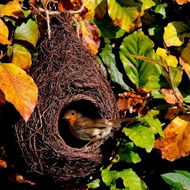
Birds endeavour to find the warmest spots available to avoid freezing overnight. Preferred hideaways include tree cavities, thick vegetation and roof spaces. These nooks allow birds to get out of the cold, plus they provide protection from hungry predators.

Unfortunately, not all birds survive the winter freeze, due in part to a lack of sufficient shelter. Adding some simple nesting pouches or a stylish nesting box to your garden can make a huge difference and help these exposed little birds make it through the harsh winter months.

Nesting Boxes   Nesting Wool

Don’t forget to add one of our seed mixes to your order to qualify for free delivery!

08 Aug 2024

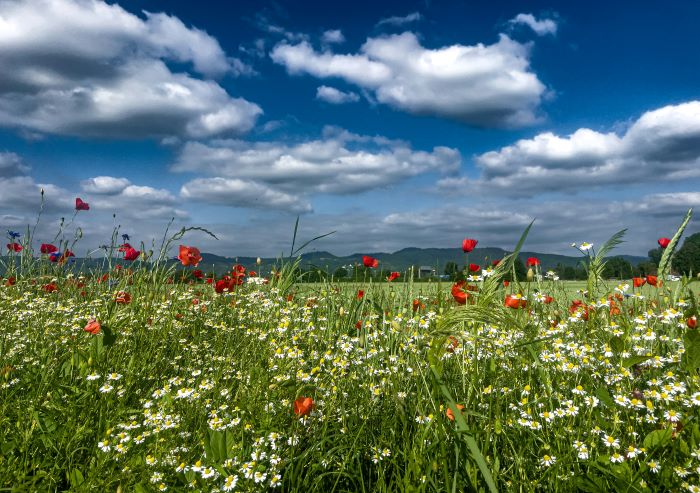
Wildflower meadows—lush fields brimming with colour, busy with bees and butterflies—are essential habitats that form a fundamental feature of our British countryside.

21 Feb 2024
Robin in wet weather

This robin is looking a bit fed up, and I totally get it - we all are!

With the weather forecast looking wet, wet, WET for the foreseeable future, it's worth taking a look at our bird feeding practices to ensure we give our feathered friends a fighting chance. Natural food resources are still very scarce, and this inclement weather is testing, so wild birds need all the help they can get.

03 Oct 2023
how to make a wildlife friendly garden


Are you looking to attract more wildlife to your garden? From birds to bugs, seeing wildlife in your garden is always a treat! Here at Really Wild Bird Food, we have a wide range of wildlife products that would make the perfect addition to a budding wildlife-friendly garden. Keep reading for our best tips on how to turn your garden into a bustling wildlife haven!

07 Sep 2023
colourful field of wildflowers - planting wildflowers in your garden

Wildflowers offer an attractive alternative to traditional lawns and gardens. Planting our wildflower seeds in your garden will enhance its beauty and more importantly, they're the perfect plants for bees and butterflies.

23 Jun 2023
how to attract frogs to your garden

Frogs are essential components of ecosystems, providing ecological services and serving as indicators of environmental health. Protecting their habitats and conserving their populations is crucial for maintaining biodiversity and a balanced ecosystem.

A great way to help frogs and toads is by offering them a home in your garden. In this blog we will go through 5 top tips on how to attract frogs into your garden, and some fun facts about frogs for good measure! Above is a photo from one of our customers who has welcomed frogs into her garden!