Category: Bird Feeding Advice


18 Sep 2025
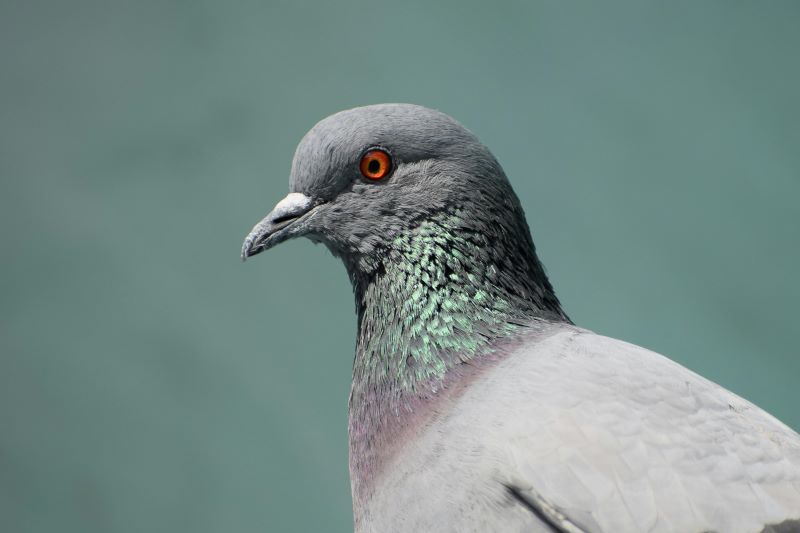
What Do Pigeons Eat?

You have probably seen your local pigeons pecking away at all sorts of human food on the streets, from chips to pizza to bread – but what do pigeons actually eat when they’re not scavenging in our urban environments? This blog will explore what pigeons like to eat and what we as humans can feed pigeons to give them a little healthy helping hand.


19 Aug 2025
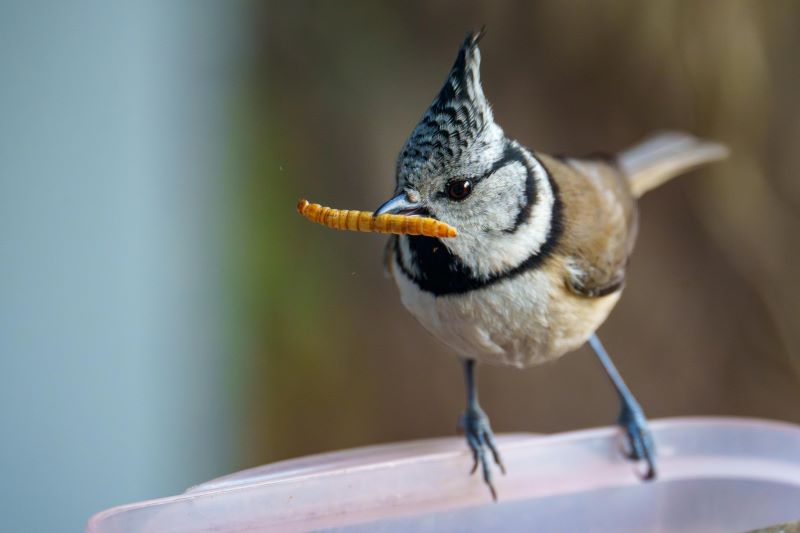
How to Store Live Mealworms

If you're looking for the perfect, protein-rich treat for your garden birds, look no further than live mealworms!

Mealworms are the larvae of the flour beetle, a native British insect that eats flour, meal, grain and other similar crops. They are made up of approximately 50% protein and 50% water, making them an excellent source of nutrition and hydration for wild birds.

12 Aug 2025
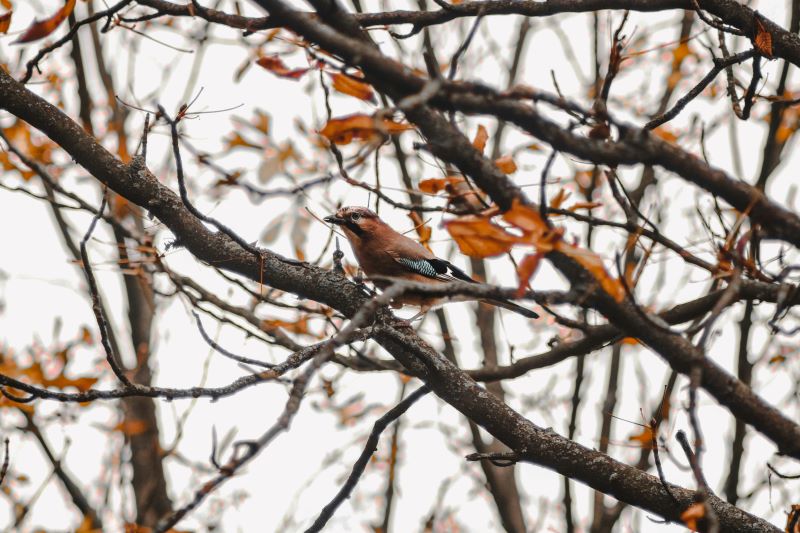
what to feed birds in autumn

As summer draws to a close and autumnal weather starts to take over, you may be wondering what this means for your garden birds.

Autumn is actually a critical time for many wild birds as they either prepare for migration or gear up for a long and cold winter at home. By offering the right foods in your feeders, you can support your feathered friends during this tricky transitional season – and enjoy some great birdwatching in the process!


06 Aug 2025


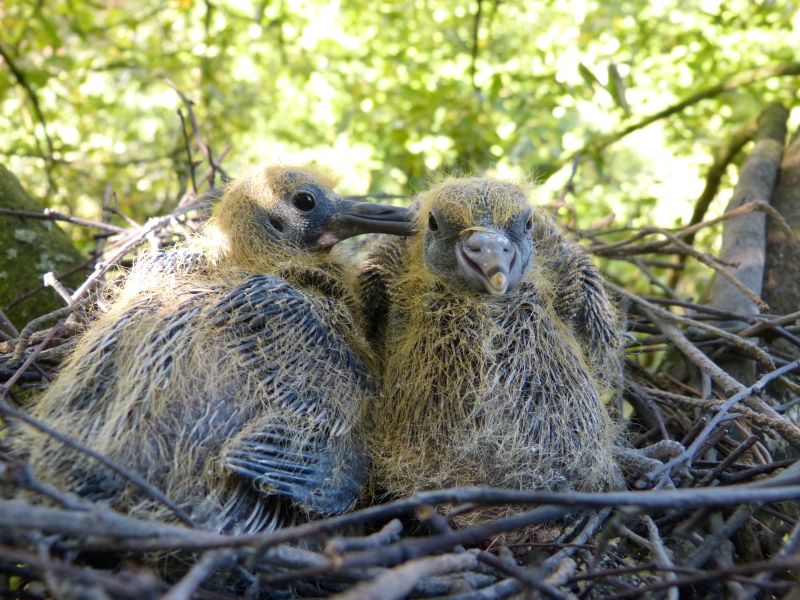
Wood Pigeon Nestlings (September 2012). Original photo by nottsexminer. Licensed under CC BY-SA 2.0.

If you find a baby pigeon (also known as a squab) that seems to be in need of help, there are a few different steps you need to take…


29 Jul 2025
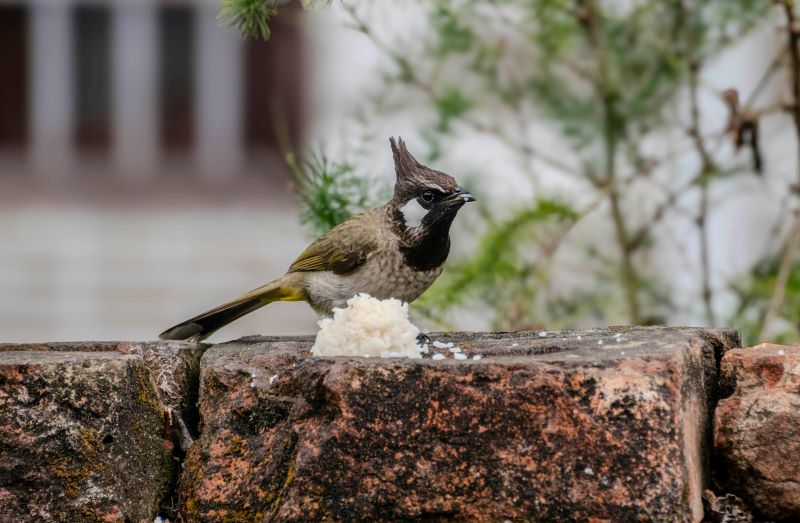
Can Birds Eat Rice?

In 1996, a rumour began to gain traction after being published in a bird-feeding advice column: Wild birds cannot eat uncooked rice because when ingested, it swells and causes their stomach to extend.

We now know that this rumour isn’t true – cooked and uncooked rice pose no risk to wild birds – however, that did not stop the rumour becoming so widespread and it pretty much stopped the tradition of throwing rice at weddings for fear of killing the local wildlife.

In this blog, we will explore the facts behind the assumptions and discuss the safest ways to feed rice to your local bird population. Let’s get started!


Disproving the Rumour

There are a couple of reasons why the rice rumour doesn’t make logical sense:

  1. For rice to be cooked and swell, it must be boiled in water at 100 degrees. A bird’s internal temperature is usually around 37 degrees and is therefore nowhere near hot enough to cook the rice and cause it to swell.
  1. Birds also have very fast metabolisms and so the food they eat is sometimes digested within just minutes and converted into energy. Therefore, the rice does not stay in the bird’s stomachs long enough to cook or swell.


Is Rice Good for Birds?

Although rice is safe for birds, it’s not necessarily a great nutritional source. It can provide a quick energy source in the form of carbohydrates, however, rice lacks many of the essential nutrients, vitamins and minerals that wild birds need for their balanced diet.

Brown rice is healthier for humans and thus is also more beneficial for wild birds too. It contains more of the energy, proteins and fibre needed for a healthy avian diet.


How to Feed Rice to Birds

If you choose to feed your local birds rice, make sure it is only offered in moderation and as a supplement to a balanced diet. You also must ensure that you never feed fried, seasoned or salted rice to your garden birds – you may also want to rinse plain rice to remove some of the extra starch before putting it out.


So, if you have a wedding coming up and you want to follow the throwing rice tradition, know that you can without harming the local bird population; however, throwing a traditional seed mix or white millet will probably be more popular with your feathered friends and you won’t have to worry about the clean up!

Browse Seed Mixes

03 Jul 2025
How to Feed the Birds for Less

Feeding birds is a fantastic way to connect with nature, improve your mental health and boost your local ecosystem. However, as anyone who regularly feeds the birds knows, stocking up on bird seed and supplies (particularly if you have lots of garden visitors with lots of feeders out) can be expensive. At Really Wild Bird Food, we’re here to tell you that you don’t have the break the bank to feed your feathered friends!

This blog will detail some simple and cost-effective ways you can feed the birds for less. Let’s get started…


Buy in Bulk

One of the best ways to save money on feeding the birds is to buy your bird food in bulk. Smaller bags of seed tend to cost more per kg, while larger bags (20, 30 or 40kg) work out much cheaper  on a £/kg price basis.

Bags of birdseed that weigh less than 12.5kg are subject to VAT, therefore this immediately increases to price to the customer by 20%. If you can buy large sacks (weighing more than 12.5kg) then you immediately are making the VAT saving. Obviously buying in bulk will mean that you will have to find space to store your bulk purchase. We recommend putting your bird food in a vermin proof container – like a metal dustbin – and in a cool environment. Avoid storing your seed near a boiler or hot cupboard.

If you can store it in a cool place, your bird food should last for 5-6 months!

If you are looking to buy a large number or bird food sacks, it might make financial sense to have them delivered on a pallet. If you have neighbours who also order bird food, why not put a combined order in with them?


Attract Natural Food Sources

Another sustainable way to feed the birds for less is to plant native plants that produce natural food sources. Native trees, shrubs and flowers produce seeds, fruits and nectar that many bird species love to snack on. For example, sunflowers produce tasty sunflower seeds and holly bushes produce berries. This will not only provide natural food but also create habitat and cover for your garden birds.


Feed in the Right Location

By placing your bird feeders in the right spots, you can reduce seed waste and attract more birds. Try to hang your feeders in sheltered spots to protect the seed from rain and wind – this will prevent your seed from getting spoiled. Also, try to place feeders near natural cover, like trees or shrubs, so that birds can quickly seek shelter if predators approach.  


Keep It Fresh

To help prevent excessive waste and weather damage to seed in feeders, only fill feeders with enough seed to last a couple of days, particularly in the winter months when seed is more likely to become damp. Keeping seed and peanuts in tip top condition will be tastier for birds and will reduce the amount you have to throw away.


Choose Low-Cost High-Quality Seed Mixes

At Really Wild Bird Food, we understand that times are tight, and as the cost of living continues to rise, many people can’t afford to spend a lot of money feeding their local birds. That’s why we have created our very own Birdie Basics range, so that you can feed the birds for less this summer!

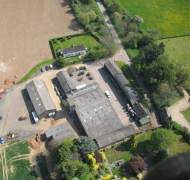
Just like our premium seed mixes, our range of Birdie Basics seed mixes are packed with home-grown ingredients from our UK farm, so even with the lower price tag, the quality will be far better than any cheap bird seed mixes you can find online.

While the low cost of cheaper seed may initially seem like good value for money, keep an eye on how much is being wasted. Buying more expensive seed that has little of no-waste will, in the long-run, be much better value.

Our Birdie Basics range consists of three low-cost bird seed mixes:

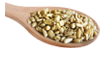
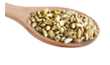
Birdie Basics Bronze contains wheat, red millet, white millet, black sunflower seeds, rape, cut maize and naked oats.

Birdie Basics Silver contains wheat, red millet, white millet, black sunflower seeds, rape, cut maize, naked oats and canary seed.

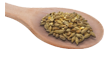
Birdie Basics Gold is wheat-free and contains  red millet, white millet, black sunflower seeds, rape, cut maize, naked oats and barley.


We hope that these low-cost bird seed mixes will enable you to keep feeding your local birds while saving a little bit of cash!

If you have any questions about our Birdie Basics range or how to feed your birds for less, please don’t hesitate to get in touch with us using the button below.

Contact Us                      Shop Birdie Basics
26 Jun 2025
bird feeder maintenance

Look after your feeding station by cleaning regularly and refilling it daily. Read on for more useful bird feeder maintenance tips!


What’s a Bird Feeding Station?
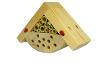
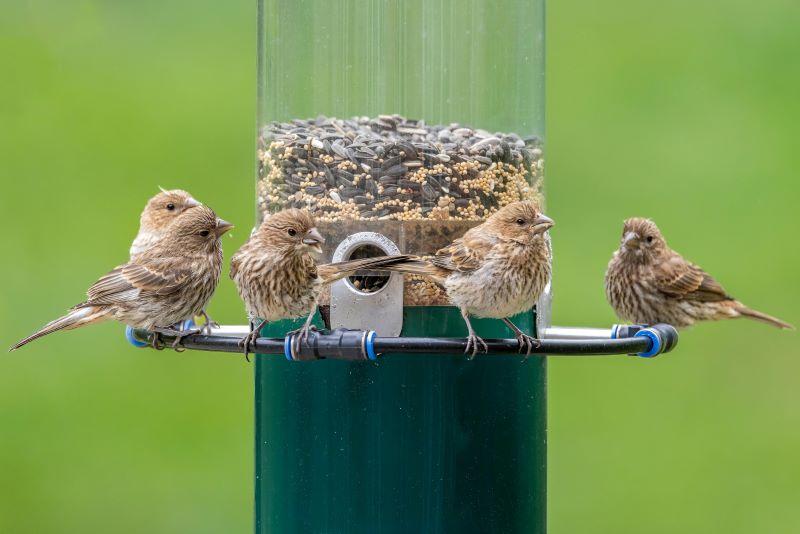
A bird feeding station is a device that lets you hang multiple bird feeders in one place. Most bird feeding stations look a bit like a coat rack, with many arms for hanging feeders, though some feeding stations can also support feeding trays at the same time. You can build your own with a sturdy pole or buy ready-made bird feeding stations for your garden.

Whether you’ve got a full feeding station with a plethora of feeders, or just a single feeder on a branch, proper cleaning and maintenance is crucial.

19 Jun 2025
top 10 bird feeding mistakes


Feeding the birds is a fun and very rewarding activity, but it’s also an important responsibility. Providing bird food means that the health of your local wildlife is in your hands. Don’t worry though – you can help protect these birds by avoiding common bird feeding mistakes.

Below are the top 10 bird feeding mistakes that people tend to make when they start feeding the birds, as well as our expert advice on how to avoid them.