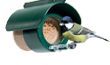
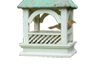
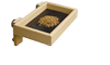
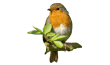
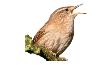
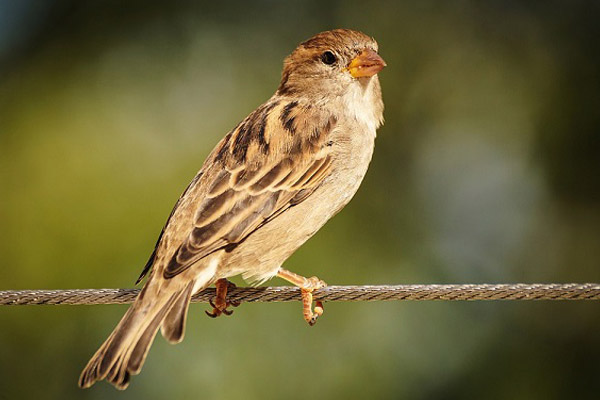
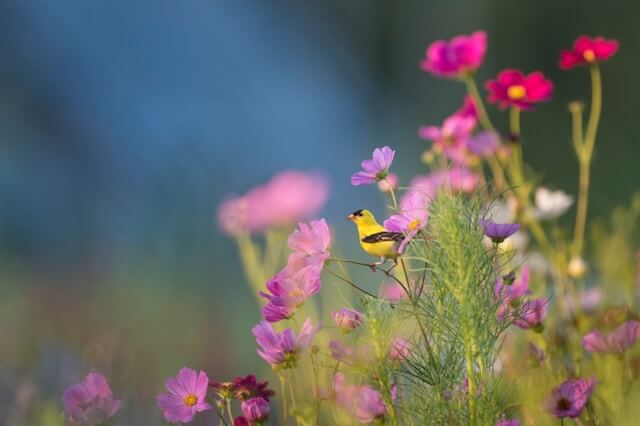
A much-loved garden-dweller across the globe, the songful sparrow is a welcome addition to any garden, providing a cheery sight and a wholesome ambience.
However, a decline in numbers has led to concern over the humble sparrow’s ability to survive in the UK.
In fact, certain areas of the UK (such as Yorkshire and London) have seen the population of House Sparrows in particular drop by a staggering 70% between 1995 and 2017, according to the Breeding Bird Survey 2018.
Feeding live bird food to your garden visitors can be a bit intimidating - but it's easier than you think! Read our live bird food tips to get started.
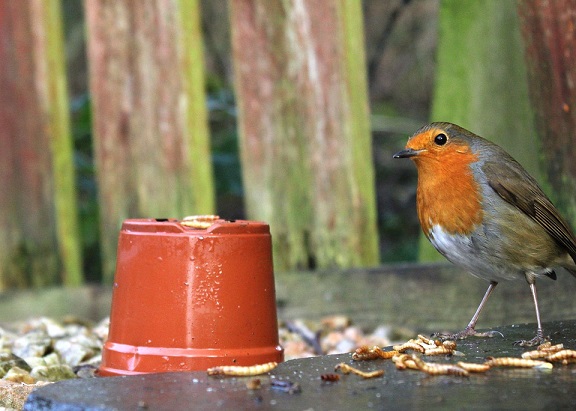
Live bird food usually consists of insects and bugs, and is an alternative to the usual seeds and nuts that tend to fill garden feeders. In nature, insects are a significant part of the diets of many different birds. Hence, the classic image of the early bird getting the worm! Live bird food tends to be a good source of protein for our feathered friends, particularly mealworms.
We know that not everyone is keen to order a bunch of wriggling worms to their house (we do offer dried mealworms as an alternative) but the benefits to your local birds can be worth the discomfort. For some tips and advice on handling live bird food, as well as why you should give it a go, read on!
Why Feed Birds Live Bird Food?
Insectivorous birds (birds who eat insects) are at risk when they don't have access to enough food, and insect populations are in decline in the UK. The lack of mature, native trees in our gardens and ever-decreasing areas of natural woodland means that wild birds cannot find the live bird food they need to feed their young. This means fewer eggs, and fewer fledglings. Help these birds by providing live bird food, particularly during periods of colder weather and breeding periods.
Spring marks the beginning of nesting season, so wild birds will benefit from high energy food sources during this time. In fact, as the UK tends to stay cold right through into the middle of spring, it is recommended to continue with high-energy winter feeding techniques until around mid-March at least. If you're unsure how best to care for our feathered friends, here's what to feed birds in spring.
Around this time of year (mid to late November) when average daily temperatures start to fall and the seeds, masts and fruits in the hedgerows are pretty much eaten up, garden birds will start to return to your feeders. The seed-eaters like tits, finches, robins, dunnocks, blackbirds etc will visit feeders and will fill up on dry seed. However, it is a bit like having toast in the morning without an accompanying cup of tea if you don't also offer them clean drinking water!
Most garden birds do need to drink at least twice a day. They lose water through respiration and droppings. Really lucky people have a free-flowing stream or river running through their gardens and will notice that birds will find easy access points where they can drink and bathe in relative safety. For us less fortunate, putting out a birdbath, or an upturned metal dustbin lid, and keeping the supply of water clean, will be gratefully received. Here are a few water 'top tips' to make winter healthy for your birds and easy for you!
Regularly cleaning and disinfecting your bird feeders is just as important as filling them. Unsanitary feeding stations and bird baths can encourage the spread of wild bird diseases like salmonellosis, so good bird feeder hygiene is essential if you want to help your feathered friends stay safe and healthy.
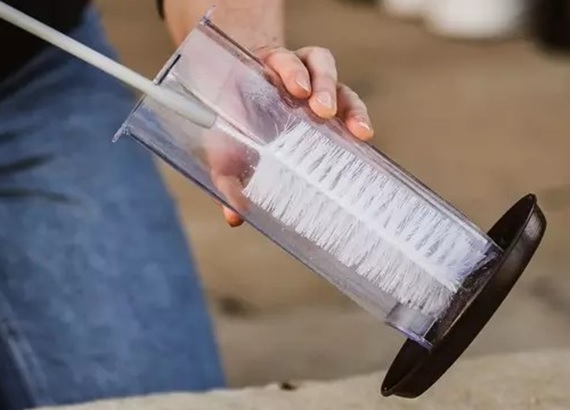
PICTURED: Peckish Bird Feeder Cleaning Brush
Read on to learn how to clean and disinfect your feeders in order to limit the spread of disease among your local bird populations.
How often should I clean my bird feeder?
Feeding surfaces should be scraped at least once a week to remove bird droppings and old food. More frequent scraping is recommended during busy periods and spells of wet / humid weather. A scraper tool is handy for this job.
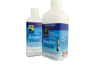
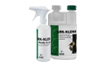
You should also disinfect your feeders once a fortnight. Use a quaternary ammonium disinfectant (we recommend Ark-Klens™) and be sure to read the instructions carefully before use. You'll need to dilute the disinfectant with water and wait a few minutes before rinsing it off.
Shop Bird Feeder Cleaning Products
How to clean a bird feeder
NOTE: Always wear gloves when cleaning bird feeders. Clean your feeders outside, and don't use any of the utensils you use to clean your own dishes, cutlery, etc.
- Before you start cleaning your bird feeder, throw away the contents so that the feeder is totally empty.
- Once the feeder is empty, soak all of the parts in warm water and washing-up liquid for 15 to 20 minutes.
- Use a suitable cleaning brush to make sure the feeder is totally clean. A long cleaning brush may be needed if you're cleaning a long tube feeder.
- Rinse the feeder thoroughly with clean water to remove all soap, then let the feeder dry completely before refilling it.
- Wash your hands when you're finished.
TOP TIP: Investing in an easy-clean bird feeder can make your life much easier!
For more information about keeping your bird feeders clean, check out our Feeder Hygiene page or get in touch with the experts here at Really Wild Bird Food. We'll do our best to answer any questions you have!
Ask a Question Wild Bird Care Tips
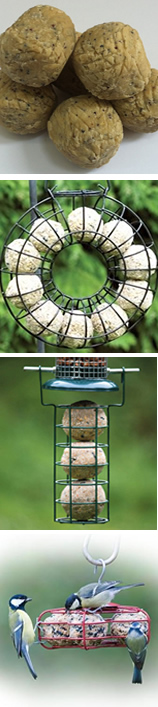
There is a great variety of bird feed available for the wild birds. Amongst these seeds and mealworms are the fatballs which are one of the most popular forms of bird feed. Fatballs prove to be excellent feed options for the birds especially during the winter.
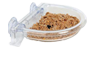
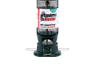
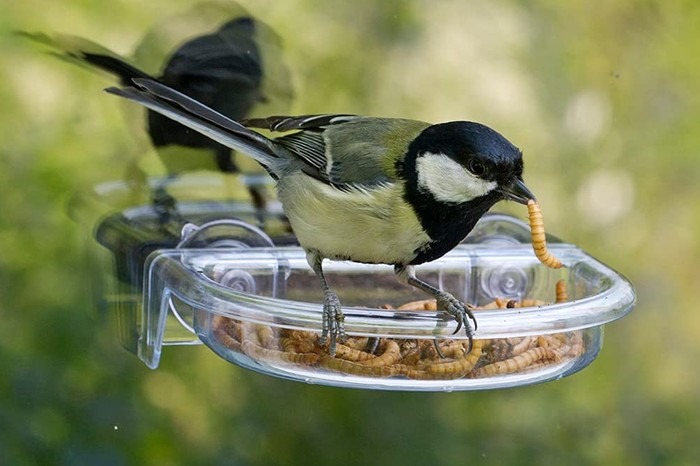
Window bird feeders are perfect for bird lovers who don’t have enough space for a large bird feeding pole or table but still want to feed their local birds. These feeders come in a variety of different designs and are usually attached to the window with a strong suction cup.
However, it is estimated by the British Trust for Ornithology that up to 33 million birds die in the UK each year from collisions with windows. This begs the question: do window feeders perpetuate this issue by encouraging birds to fly close to windows for food? Are window bird feeders safe for our feathery friends? Keep reading to find out!
Are Window Bird Feeders Dangerous for Birds?
Most window feeders are actually designed to reduce the risk of window collisions. Window feeders help birds recognise the solid surface of the window, thus reducing the risk of collisions caused by reflections.
Also, if the feeder is placed close to the window, even panicked birds are less likely to gain enough speed to injure themselves if they fly into the glass after eating. This is why it is recommended to place all kinds of bird feeders within 3 feet of windows as birds approaching a feeder to eat will fly in at a very different angle compared to birds that are trying to fly through the window, believing there is a tree or tunnel in the distance.
However, if your window feeder becomes particularly busy, there is still a chance that nervous birds will scatter and see a reflection in the window that they will try fly towards, causing window strikes. For tips on how to prevent accidents like this from happening, check out the list below!
Window Bird Feeder Tips
- Using dots, decals or other window alerts will help birds recognise glass barriers and avoid collisions.
- Always elevate your window feeders at least 5 feet off the ground to protect your local birds from predators like cats.
- Position your feeder near a natural shelter like a bush or tree so that they can quickly escape if they sense danger. This will also make them more likely to visit!
- Avoid placing your window feeder near high traffic areas like living rooms or kitchens where movement and noise may scare birds away.
- Make sure you clean your window feeder at least once a week to protect your garden birds from diseases.
Benefits of Window Bird Feeders
- Window feeders are a great option for people who live in a flat or building with no outdoor space.
- Window feeders allow bird lovers to see their favourite garden birds up close without disturbing them.
- A huge variety of birds enjoy using window bird feeders, so you’re sure to see a variety of your local birds.
So, are window bird feeders safe? Yes! Window bird feeders offer a safe way to get up close and personal with your favourite garden birds while also protecting them from window collisions.
To see our full range of window feeders, click button below and if you have any further questions about the safety of window feeders or any of our other bird feeding products, please don’t hesitate to get in touch and a member of our team will be happy to help.
Shop Window Feeders Contact Us
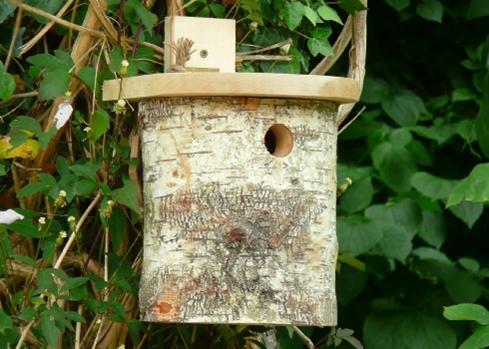
As we begin to see the end of winter and the beginning of spring it is time to check our gardens are good places for birds to thrive. First on the check list is to ensure there is a suitable place for birds to eat and drink, then there is the need to provide adequate nesting boxes.
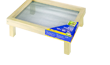
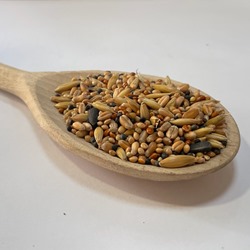
To provide suitable places for birds to eat erect a bird feeding table and position it close to cover like a bush to provide cover in case birds feel exposed to danger of attack in open spaces. Obviously once you have a good bird feeding table you need to stock up with good bird feed that attracts the right birds.