Feeding live bird food to your garden visitors can be a bit intimidating - but it's easier than you think! Read our live bird food tips to get started.
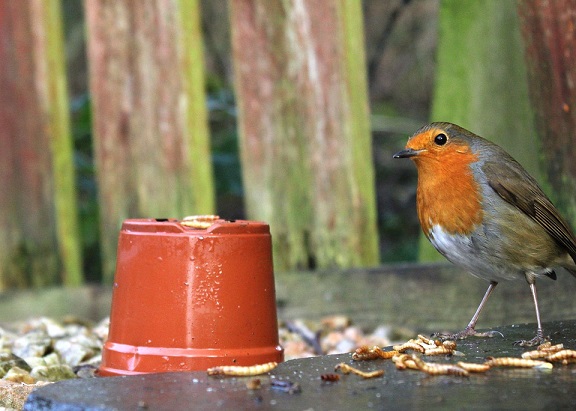
Live bird food usually consists of insects and bugs, and is an alternative to the usual seeds and nuts that tend to fill garden feeders. In nature, insects are a significant part of the diets of many different birds. Hence, the classic image of the early bird getting the worm! Live bird food tends to be a good source of protein for our feathered friends, particularly mealworms.
We know that not everyone is keen to order a bunch of wriggling worms to their house (we do offer dried mealworms as an alternative) but the benefits to your local birds can be worth the discomfort. For some tips and advice on handling live bird food, as well as why you should give it a go, read on!
Why Feed Birds Live Bird Food?
Insectivorous birds (birds who eat insects) are at risk when they don't have access to enough food, and insect populations are in decline in the UK. The lack of mature, native trees in our gardens and ever-decreasing areas of natural woodland means that wild birds cannot find the live bird food they need to feed their young. This means fewer eggs, and fewer fledglings. Help these birds by providing live bird food, particularly during periods of colder weather and breeding periods.
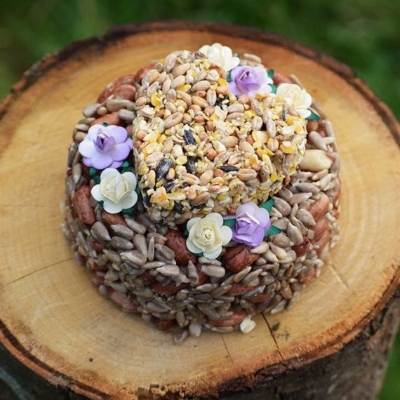
Mothering Sunday falls on 31st March this year when the birds will be in full springtime swing! To celebrate, we have teamed up with local artisan supplier The Bird Bakery to stock a new range of pretty bird cakes, made using our own home-grown seed mixes.
Perfect for your Mum's bird table - or indeed as gifts for other bird lovers in your life - these bird cakes will delight both the recipient and their birds equally.
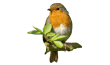
The Heart Bird Seed Cake is filled with premium peanuts and sunflower hearts (packed with protein and essential oils) and the heart-shaped decoration contains a blend of other high-quality seeds to attract a wide range of garden birds including Robins, Finches, Blackbirds, Tits and Sparrows to name but a few.
The Wheels are Turning Again!
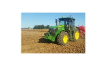
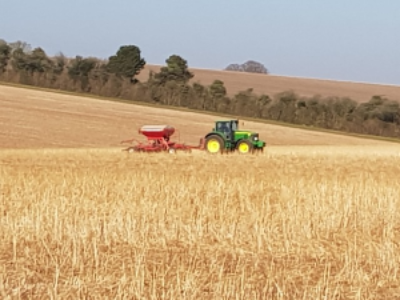
After a few Winter months of inactivity on the land, the extra-ordinary February weather heralded the start of the farming year and the wheels started turning in earnest. Sian's dad has been weather recording for 34 years, and this February he recorded the warmest maximum temperature since his records began; a sultry 21 degrees C on the 26th February. Needless to say, farmers all over Hampshire were hard at work making the most of the beautiful days.
The first job for Richard was to drill our spring beans. This year he is using a variety called 'Lynx' (I do often wonder about the people who market the names for seeds!). To me, Lynx is either a men's deodorant or an elusive, scarce feline. Here's hoping the beans are not that elusive or scarce this year! They had a terrible time last year with flooding and then drought, so we are hopeful growing conditions will be much better this year.
Spring marks the beginning of nesting season, so wild birds will benefit from high energy food sources during this time. In fact, as the UK tends to stay cold right through into the middle of spring, it is recommended to continue with high-energy winter feeding techniques until around mid-March at least. If you're unsure how best to care for our feathered friends, here's what to feed birds in spring.
'Your Bird Stories' vary greatly from garden to garden, and we love to help customers with their individual ornithological issues.
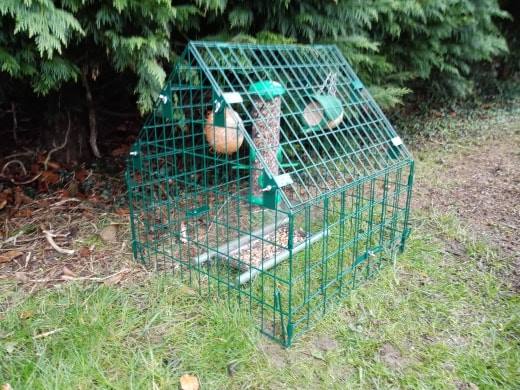
Emma Kenworthy of Fishguard had an issue with starlings. She has nothing against them personally (in fact they are in sharp decline along with many other species), it's just that they have a tendency to scare off the little birds from hanging feeders. So she sent us a great pic showing off her new ground feeder sanctuary, all arranged ready for the smaller birds to discover. The mesh sides are adjustable from 33mm to 58mm width, allowing you to choose which birds are excluded, or not.
We love hearing our customers' tales of their garden birds when they phone or email to place an order.
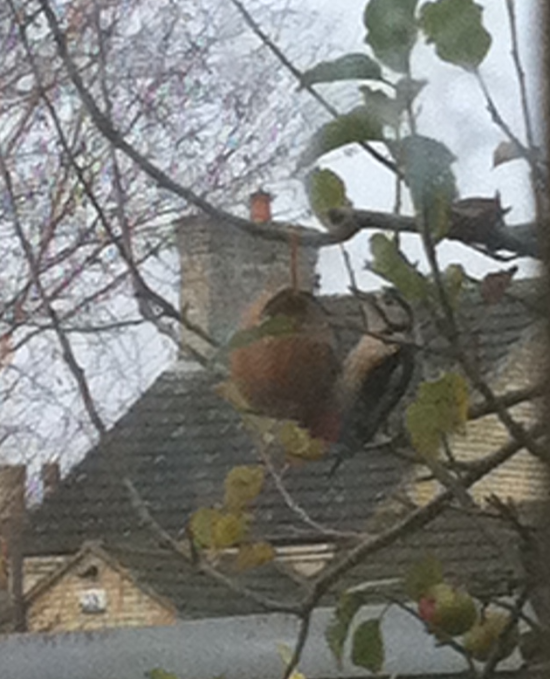
Susan Thompson phoned recently, and we were pleased to hear that she had seen a couple of Great Spotted Woodpeckers in her garden, one of them possibly a juvenile. She was concerned that they seemed hungry but couldn't access the peanuts in her squirrel-proof peanut feeder, however, they had been feasting heartily on a suet-filled coconut and hadn't yet discovered the multiple suet block holder on the other side of the garden.
Susan sent us this snap of the woodpecker on the coconut feeder, with apologies for the condensation on the window making the image slightly unclear. Of course, if she had opened the window or stepped outside to take a photo then the subject would have flown off instantly. Bird photography is notoriously difficult! She is hoping to have better luck in the summer when she can sit outside quietly in a corner.
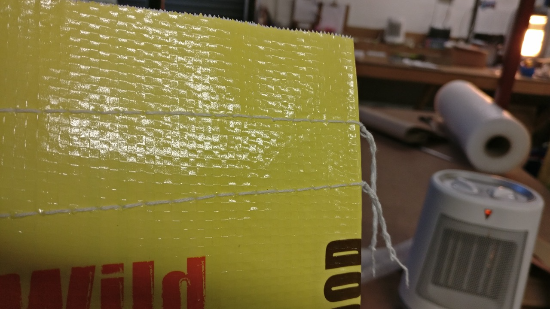
The stitching has a plain side - just straight stitches...
...and a complicated stitch line (with more cotton overlapping).
NEWS FROM THE FARM
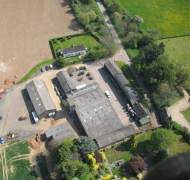
The last few days have been extremely cold on the farm with harsh over-night frosts. At this time of year farm work is very quiet; predictably, the tractors are in shed. But we have been busy doing other things - like improvements and repairs!
This shed is destined to be our new pallet store. As our business grows, space continues to be a major challenge for us. This shed used to house grain storage bins, but we have removed them to create a useable and much-needed pallet store.