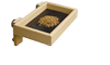
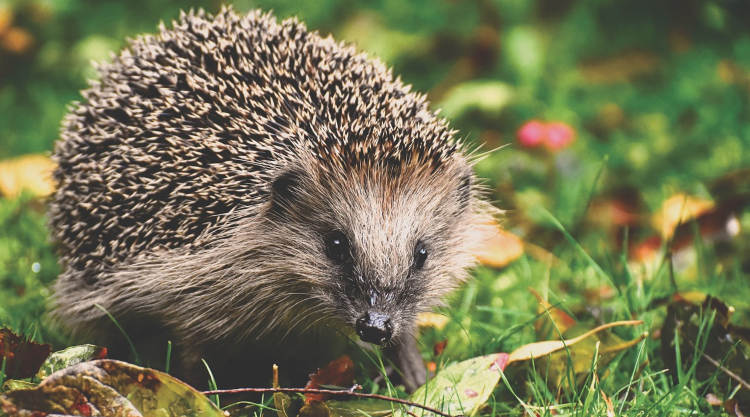
Sadly, the numbers of hedgehogs have dwindled over the years. This decline in population is mainly due to the fragmentation of their habitats and difficulty in finding food.
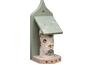
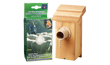
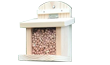
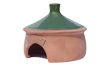
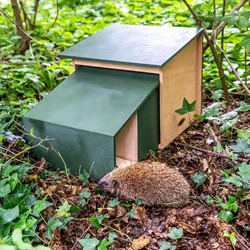
However, small steps on our part will surely make the life of these tiny creatures significantly easier. There are a number of things we can do to help these gardeners' friends, such as supplying food and water, providing hedgehog habitats and creating an overall hedgehog-safe environment.
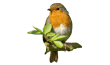
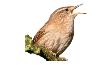
As the days turn cold, the threats that our feathered friends face increase. The food is scarce during the winter and sustenance during these times is a big issue for them. The birds need to struggle, not only for food but also for making it through the chilly season.
So where do we stand in helping our wild birds survive during these harsh conditions? Small measures by us can do their bit in helping the birds pull through the difficult times. These small measures by us can easily attract the birds to the gardens and help them to a great extent during the chilly days. But is your garden attractive enough to the wild birds?
As we know natural food is scarce during the wet and the cold days as the insect population is less. So it is important to try and create a garden which provides a rich supply of natural foods. The supplementary moist and high protein food will help the adults survive and subsequently sustain fledglings in the nest in the spring. Planting a range of native UK shrubs, trees and climbers will produce berries, seeds, fruits and nuts, nectar and pollen and will also serve as a shelter for the birds with nesting sites and nesting materials.
By simply leaving a few rotting log piles in a shady spot or an area of grass un-mown and messy will help a great deal in increasing the insect population in the garden. This tends to be a vital food source for garden birds which will help in attracting more birds into the garden.
During the freezing days it is important to supply clean fresh drinking water as the birds need to replenish their lost water. But obviously the use of salt, glycerine or anti-freeze should be avoided!
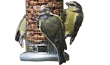
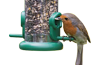
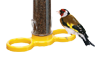
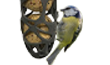
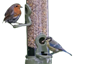
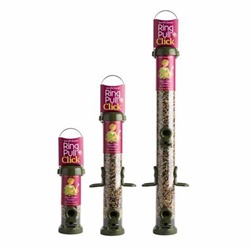
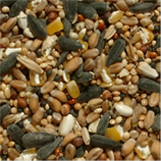
The more the variety of food, the more will be the variety of garden birds. So try offering a range of different bird food types in a variety of different types of bird seed feeders as the eating habits of different birds are different.
Apart from the early mornings, you will also need to restock food in the early afternoons to provide nourishment before dusk since birds need extra energy during the winters as they flap their wings in order to keep warm.
With these small yet vital measures of bird care, you can easily improve your chances of satisfying a variety of different species and enticing them back to your garden time after time!
Avian Pox
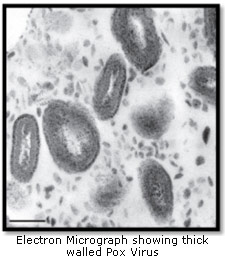
Avian Pox is a relatively new (and emerging) disease in the UK, which seems to be increasingly identified in garden birds. The disease is caused by an AviPox virus - a thick walled virus. The virus causes two types of disease – a dry ‘cutaneous’ (skin) form which stimulates excessive skin growth and nodular warty lesions. This type of pox infection is most commonly seen in our garden birds. The other ‘wet’ form of the disease, is more commonly seen in domestic chickens and turkeys, where the virus infects the mucous membranes of the digestive and respiratory tracts. This electron micrograph of a pox virus, shows how thick walled the virus is. This thick wall enables pox viruses to be extremely resistant to environmental factors (such as disinfectants), and the virus survives and multiplies really well in dry conditions. This is why Pox lesions are seen more commonly in the summer months than the winter.
It would seem that currently Great Tits are more predisposed to Avian Pox infection than other UK garden birds however lesions have been recognised in Dunnocks, Wood Pigeons, Blue Tits, and I have also seen Blackbirds with Pox lesions.
In most other species, the virus will cause mild lesions, usually on the featherless areas - the legs and around the eyes and beak. Often seen as bald/scaly patches, or pinky/grey plaques, these birds often mount an immune response to the virus and survive the infection.
Most garden birds are essentially woodland birds, attracted to the cover of trees and vegetation.
Supplementary feeding can't provide all the natural proteins and vitamins that adult and young birds need, so it is important to also try to create a garden which provides a rich supply of natural foods. Planting a range of native UK shrubs, trees and climbers (e.g. Hawthorn, Blackthorn, Hazel, Common Dogwood, Alder, Wild Privet and Crab Apple – to name but a few!) will produce berries, seeds, fruits and nuts, nectar and pollen as well as shelter, nesting sites and nesting materials.
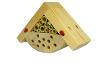
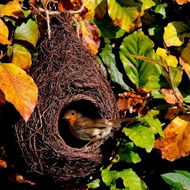
Create some mini beast motels by leaving a few rotting log piles in a shady spot, bundles of sticks made into wigwams, and broken clay flowerpots can be piled into a cairn to mimic a dry stone wall. Leaving an area of grass un-mown or just leaving a 'messy', uncultivated area somewhere, will increase the insect population in the garden and offer vital food sources for garden birds. This will help you attract more birds into your garden.
Providing a constant supply of clean drinking water will also help to attract more birds to your garden. This becomes most important for some species when dry weather affects the supply of their preferred foods.
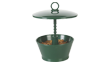
When Bird baths are an artificial pool or shallow basin filled with water, which is made for birds to bathe in, cool off and…unlike for humans!…drink the bath water. Bird baths provide a safe place for wild birds to bathe as birds require bathing to keep feathers clean and flexible and to maintain their skin healthy.
A bird bath provides a reliable source of water for birds and encourages wild birds into your garden.. in the summer to take bath and in the winter to drink ice free water. Hopefully the bird bath will be safe from predators.
A good looking bird bath makes a wonderful feature in any garden and draws a variety of entertaining birds to your garden.
Sunflowers Prove to be an Unlikely Saviour for Hampshire Farm
Sunflowers make a colourful crop, and one that has helped turn an ailing Hampshire farm into a thriving business. Mike Abram reports
Sunflowers seem an unlikely saviour for an arable farm, even one in the sunnier climes of Hampshire.
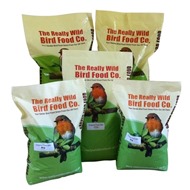
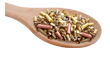
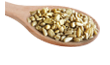
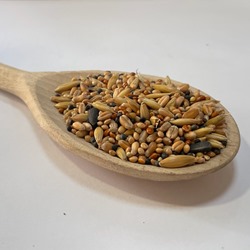
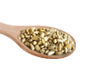
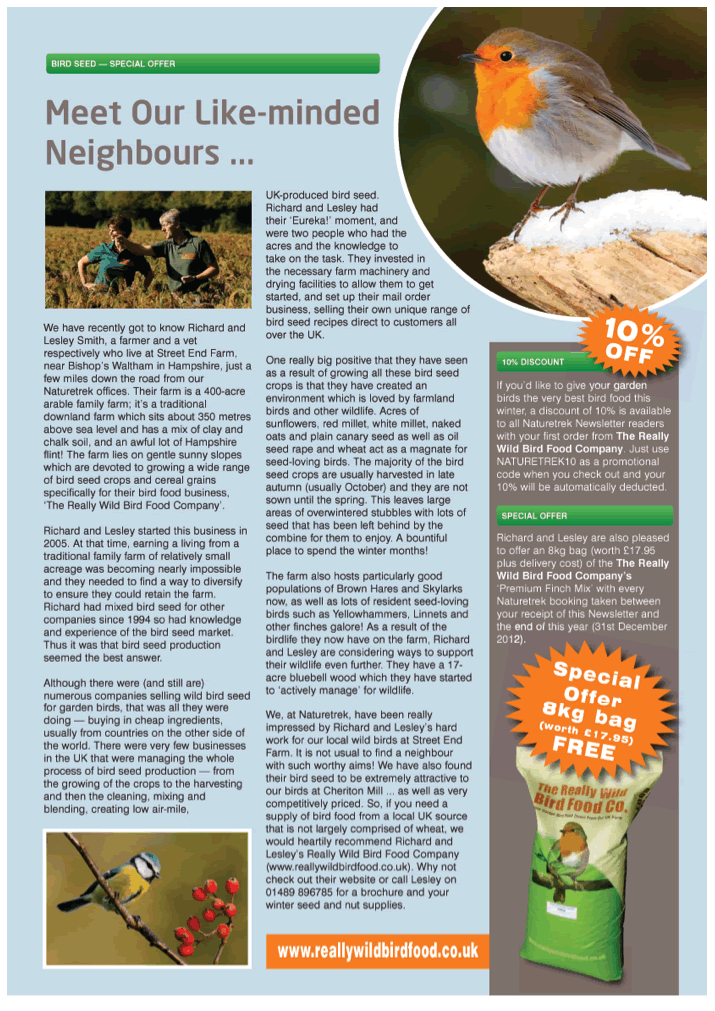
But the crop, along with millet, naked oats and, from next year, plain canary, has been central to Richard and Lesley Smith's thriving mail-order bird seed business, which has grown over 300% in the past two years.
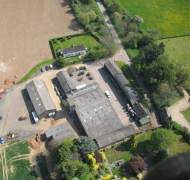
Just under four years ago the couple gave themselves five years to turn around Street End Farm in Bishops Waltham. The 144ha (360 acres) farm was struggling along with a sideline business wholesaling poultry corn and birdseed to various outlets.
From there the business expanded into producing a small range of birdseed mixes, which the farm sold wholesale to garden centres. But the farm just wasn't big enough to compete with the major retailers.
"We'd started off by selling hay and straw from the farm," explains Richard. "And then we were asked whether we could do hard feed for horses."
From there the business expanded into producing a small range of birdseed mixes, which the farm sold wholesale to garden centres. But the farm just wasn't big enough to compete with the major retailers.
Naturetrek are only just down the country road from us at Street End Farm. After a visit to us they say.....We at Naturetrek have been really impressed by Richard and Lesley’s hard work for our local wild birds at Street End Farm. It is unsual to find a neighbour with such worthy aims! We also found the bird seed extremely attractive to our birds at Cheriton Mill ... as well as very competitively priced.
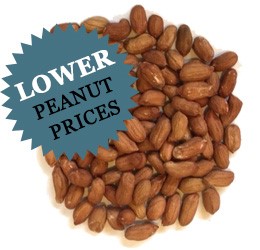
The price we pay for our Classic Peanuts and Peanut Granules for has come down recently, and we are really pleased to pass on these savings to our customers. Peanuts are flying our of the door at the moment because the weather is still so cold, so take advantage of these significant savings to you.