

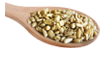
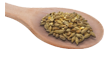
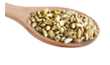
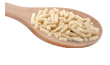
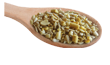
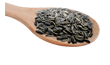




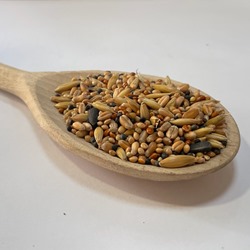






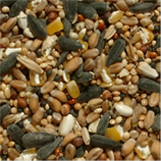










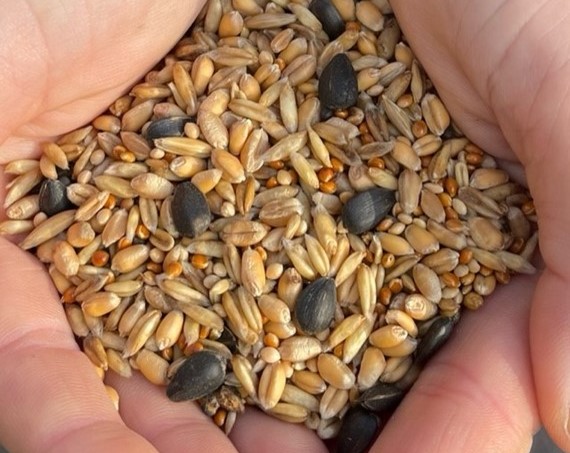
Short answer: bird seed typically stays fresh for 6 – 12 months when stored in a clean, airtight container. The exact shelf life will depend on what type of seed it is.
Let’s look at how long bird seed lasts in different conditions, what you can do to keep it fresh, and when it’s best to start over with a fresh batch.
How to store bird seed
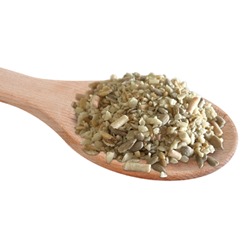
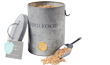
The best way to maximise the shelf life of your bird seed is to decant the seeds into a suitable airtight container as soon as possible after opening them.
Bird food storage tins protect seeds in several ways:
- Protection from the elements. Depending on where they’re stored, bags of bird feed may be vulnerable to rain and external contaminants, all of which can damage the feed and make it unsuitable for consumption.
- A cool, dry environment. This is important because it keeps the seed from getting damp and mouldy, which can make the whole batch unsafe for birds to eat.
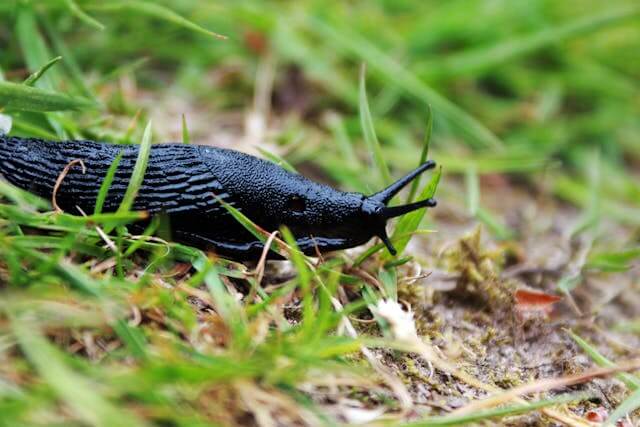
- Defence against rodents and insects. If pests like rodents and insects gain access to your bird seed supply, not only will they eat the seeds, they may contaminate whatever is left behind. A sturdy storage container will help to keep them out!
Besides storing your bird food in a dedicated bird food tin, there are a few things you can do to keep your bird feed in tip-top condition while it awaits the feeder:
- Keep the container out of reach of potential pests.
- Stir the feed occasionally to prevent the seeds from becoming stagnant.
- Use up the oldest seed first before adding fresh feed to the storage tin.
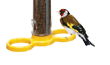
How long does bird seed last in the feeder?
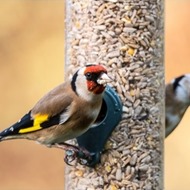
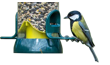
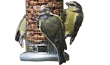
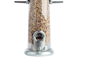
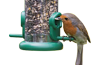
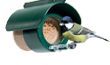
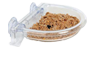
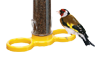
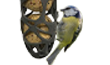
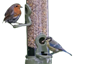
How long seed will stay fresh in the feeder while waiting for some lucky bird to devour it depends on a number of factors. Rain and pests will speed up deterioration, and feed that’s damp should be replaced immediately to avoid mould growth.
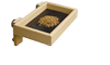
However, assuming the weather’s fine and the food is inaccessible to rodents and insects, bird seed should last up to about a week in a feeder or on the bird table. After this point, any uneaten feed should be replaced with fresh seed mix.
How can you tell when bird seed has gone bad?
- Obvious signs of spoilage (such as mould, damp, a musty smell or an unpleasant odour) mean it’s time to start again with fresh seed.
- Discolouration may be a less obvious indication of spoilage, but this is another clue that the seed is past its best and should be replaced.
- If the seeds are showing signs of germination (green growth or shoots are a sure sign they’ve started sprouting!) then they should be removed from the tin or feeder.
- Any signs of insect activity (for example, any bugs, larvae or webbing amongst the seeds) indicate the feed is potentially dangerous for birds and should be replaced.
- If the birds themselves show little interest in the feed, this may be a sign they don’t consider it up to snuff and it’s time to give them some fresh food.
- Finally, it’s not just when food has obviously spoiled that it needs to be replaced. The older the seed, the less nutritional value it has. Seeds lose nutrients over time, so it becomes more like a filler food rather than the nutrient-dense feed you had in mind when you bought it. This shouldn’t be an issue as long as you’re using your bird feed within the recommended 6 – 12 month window.
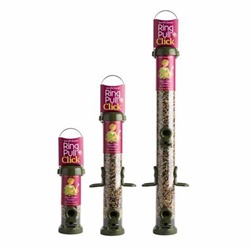
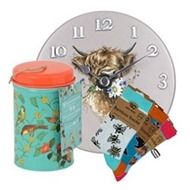
Here at Really Wild Bird Food we have a variety of bird food storage solutions to suit your needs so you never have to worry about your seeds spoiling before your feathery friends can get their share!
We also offer free delivery on any order that includes at least one of our seed mixes, so don’t forget to pair your food storage tin with something tasty to put in it.