



































10 Dec 2024
Barn construction - start to finish

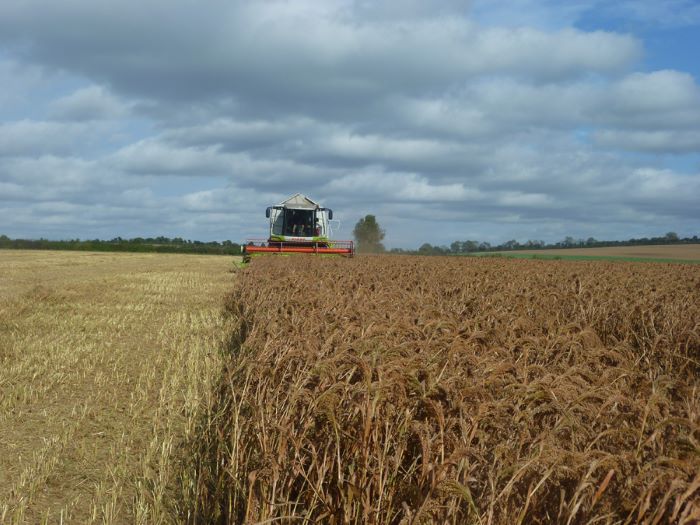
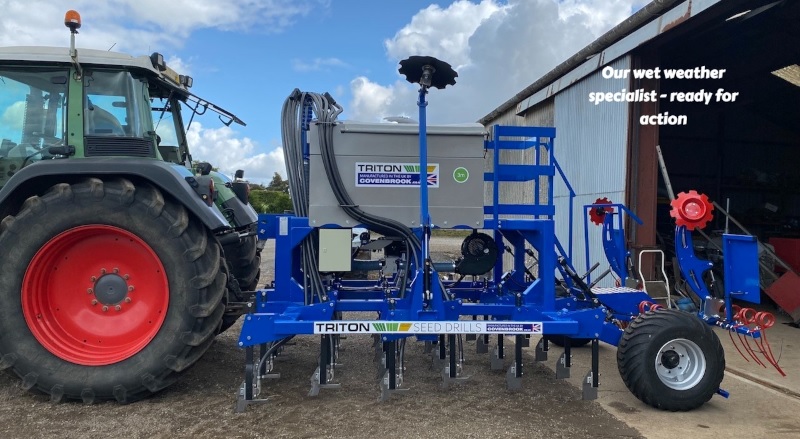
Despite the wet weather in October, we managed to get our winter wheat drilled and we are still delighted with the performance of our new drill. This year we are trying a new wheat variety called 'Bamford' which is a soft milling wheat. If it grows the way we would like it to, and it meets the spec next harvest, it will go off to Spain for Spanish bread making. So much, however, will depend on the weather at harvest time. The other wheats we have planted are Grade 1 and 2 hard wheats, and these will stay in the UK for bread making if we get the quality. So many outcomes are determined by the weather!

We finally have our new grain store up. The wet weather delayed the start of the project, but it is now done! The whole barn was erected in 10 days by only 2 chaps working together. It was quite incredible to witness. All elements of the barn arrived pre-made and the guys used state of the art cherry-pickers to manoeuvre all the components into place. It was very impressive.

This new addition will allow us to store a lot more grain on the farm (approx. 14,000 tonnes). This will ultimately save us a lot of money, since much of our wheat and barley currently has to go to a central store which incurs significant transport and storage charges. There are also hefty charges for looking after the grain—things like drying charges and even cooling charges on hot summer days! So it makes financial sense to be able to do it ourselves.

Stage 2 for us is to complete the barn so that it's ready for harvest 2025. We still have to put down concrete, install doors and electricity for grain drying, all of which are significant costs—but we are committed now!


10% off winter warmers!

Stock up on these feeds to help your birds cope with the cold weather. We're currently offering a 10% DISCOUNT on all of these products—but that offer ends at midnight on Saturday 14th December, so be quick!


Christmas Crumble™

The robin's favourite!

A super high-energy seed mix with delicious suet and crunchy mealworms. Christmas Crumble™ is a delicious, festive choice that's sure to be appreciated when the weather is chilly.

BUY NOW & SAVE 10%


Tidy Garden Suet Boost™

Supreme food for winter!

Tidy Garden Suet Boost™ is a high-energy seed mix with added suet. A really good choice for this cold weather!

BUY NOW & SAVE 10%


Classic Peanuts

Wholesome, high-quality peanuts for wild birds.

Our Classic Peanuts have a really high oil content, which adds calories and helps garden birds to fend off the cold.

BUY NOW & SAVE 10%


Insect Suet Pellets

Delicious insect-flavoured suet in bite-sized nibbles!

These high-energy Insect Suet Pellets will stay soft and digestible even during the coldest of days.

BUY NOW & SAVE 10%


Christmas gifts

Here at Really Wild Bird Food, we stock a fab variety of Christmas presents for bird lovers and wildlife enthusiasts. Click the link below to have a browse!

CHRISTMAS GIFTS FOR BIRD LOVERS

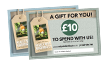
And of course, what could be a nicer gift than some gift vouchers to spend with us this winter?

Christmas in our house certainly won't be relaxing this year, because we have a new family member.

Meet Liza! She is now 10 weeks old and and a bundle of trouble. I am not sure how wise it will be to put up a Christmas tree...we may have to go bauble and tinsel free.

Enjoy your birds, and don't forget to make the most of our winter warmer savings—on offer until 14th December.

With very best wishes,
Lesley (and Liza!)
19 Nov 2024
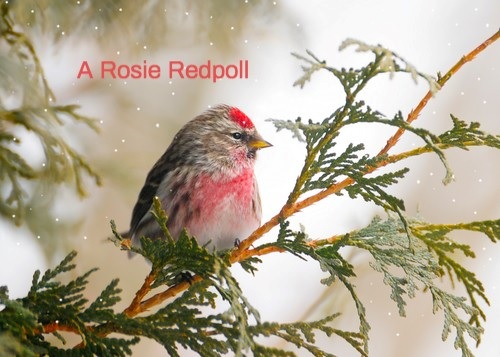
Rosie redpoll bird

Brrr! It's snowing in many parts of the UK and very cold in most! Temperatures have plunged as cold Arctic air has swept across the UK, and we need to act quickly to help our garden birds. Snowy conditions make it difficult. The variety and abundance of natural food sources has been challenging this year. You may have noticed how sparse insects have been, and the autumnal hedgerows have been very scarce of fruit and berries. So this cold snap has added more challenging times for garden birds.

30 Oct 2024
where does bird seed come from

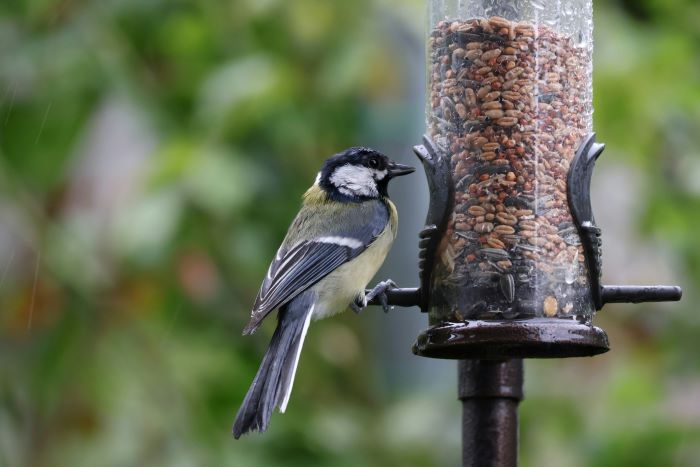
We all know that feeding the birds is a great way to attract them to your garden, but have you ever wondered where your bird seed comes from? This blog will explore the origins of this essential bird food and the journey it takes from our farm to your feeder.


30 Oct 2024
why aren't birds coming to my feeder

If you’ve set up a new bird feeder in your garden but aren’t getting any feathered visitors, you may be wondering where you’ve gone wrong. This is a common issue amongst bird enthusiasts and can be particularly frustrating if you have spent time and effort creating a bird-friendly safe space in your garden.

This blog will go over some of the possible reasons why your bird feeder isn’t getting any visitors and provide you with some tips and tricks so that you can have the most popular bird feeders in town!


11 Oct 2024

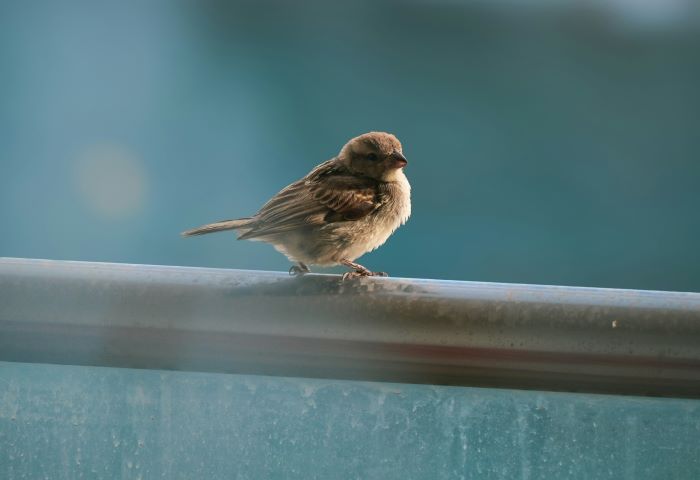
Don’t let your lack of a garden stop you from feeding the birds! A balcony can be just as much of a sweet haven for our feathered friends if set up correctly.

This blog will explain the dos and don’ts of how to create a balcony feeding station so that you can attract and care for your local wild birds no matter how little space you have.


Do...

  • Use indigenous plants and flowers. Decorating your balcony with local plants and vegetation will help to put the birds at ease and welcome them into your space – plus, native plants will thrive in your local climate making them easier to maintain!

  • Catch birds’ attention using attractive sounds. The light splashing from a table top fountain or gentle bird sound recordings can help to show local birds that your balcony is safe. You can even buy solar powered bird baths and fountains to further attract garden birds to come to your balcony for a drink or midday dip.

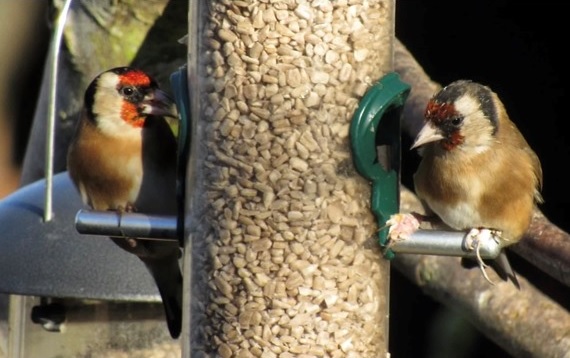
  • Add colour. Most garden birds are attracted to specific colours because of what the colour represents. For example, birds like goldfinches and sparrows are attracted to the colour yellow because they associate it with sunflowers and one of their favourite foods - sunflower seeds! Adding colourful ribbons and ornaments can also help. 
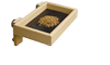
  • Use seed catchers. Seed catchers like this seed buster tray catch spilled seed, saving you cleaning time and saving your neighbours from falling debris!
  • Put anti-collision stickers on your windows. Placing bird feeders close to glass windows can be risky. Many birds get confused by window reflections, which can cause collisions. Anti-collision shapes and stickers simulate the presence of other birds so that our feathered friends won’t fly too close.

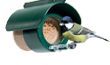
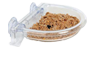
  • Use window feeders. Here at Really Wild Bird Food, we stock a range of window feeders including window trays, hooks and pods, all of which give you a close-up view of the wild birds in your garden while taking up minimal space on your balcony.

  • Use hanging baskets. Hanging baskets can be a great way to add greenery if you’re low on space. Window boxes are also a great idea as they can be filled with a selection of colourful and easy to manage plants.

  • Use climbing plants. Birds love to have a safe place to hide while they wait for their feed, honeysuckle is a great option to use as they are a favourite of thrushes, warblers and blackbirds. 
  • Attract bugs. In the late spring and summer months, common garden birds like blue tits are on the look out for smaller grub-like insects that they can feed their young. Choosing plant varieties that pollinating insects will be attracted to will, in turn, attract birds who are looking for bugs to eat!


Don’t...

  • Excessively use bird sounds. Birds may find loud bird sounds threatening or challenging (and your neighbours may not appreciate them either).

  • Forget to keep the space tidy. Not only can excess seed and debris fall onto your neighbours below, it can also attract pests and turn your balcony into a breeding ground for disease. Regularly cleaning your feeders, water dishes and balcony in general is extremely important for the overall wellbeing of your feathered friends.

  • Pick an overly heavy feeder. Choosing a feeder that can feed multiple birds at once is great; however, make sure your feeder is not so heavy that is poses a risk of damaging your balcony setup!

  • Use windchimes. Unnatural sounds like windchimes can scare birds away from your balcony.

  • Decorate the balcony with bright moving objects. Objects like windsocks or spinners can also be scary for birds and cause them to steer clear of your balcony feeding zone.

  • Store big items like bikes or BBQ grills on your balcony. These large objects can be very intimidating for birds, so try to keep your balcony as uncluttered as possible.

Follow these tips and you should have a bustling bird balcony in no time. Good luck!

Shop Window Feeders

READ MORE: Bird Feeding Tips for Beginners

10 Oct 2024
Triton drill

We managed to get the main of our harvest into the shed in good time, with crop results mirroring what seems to have happened across most of the UK: some crops yielding exceptionally well and some surprisingly badly, mainly due to the atrocious weather we have had all year.

Richard has a rain gauge in the garden which measures rainfall with a fair degree of accuracy. A 'normal' year's rain here on the farm (although the concept of 'normality' is something far removed these days!) would be around 33 inches, but from 1st October 2023 to 30th September 2024, we had 60 inches of rain - an incredible 5 feet!

09 Oct 2024
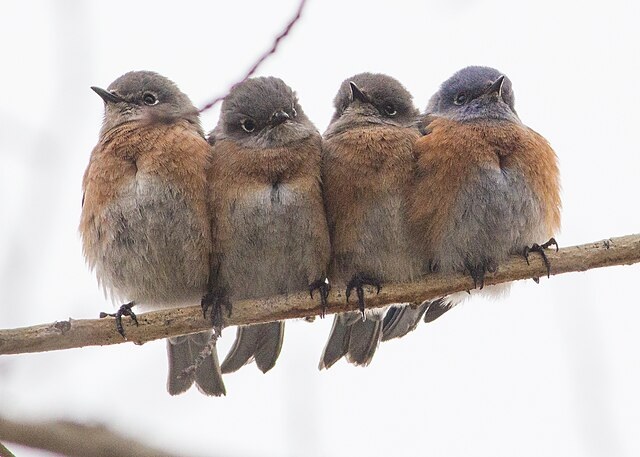
Huddled birds keeping warm in winter

Birds, like humans, are endothermic (warm-blooded) animals. Like us, their body heat is generated from within and must be kept within a certain range for survival. However, because most birds are fairly small, they have a larger body surface relative to their size, meaning they lose heat faster than we do. So how do they keep warm?

Photo by Blalonde (via Wikimedia Commons). Licensed under the Creative Commons Attribution-Share Alike 4.0 International licence.

As the seasons turn and the temperatures drop, we’re able to wrap up warm in thick knits or stay indoors with the benefit of central heating to keep us cosy. But wild birds, who live their entire lives outside, have no such luxuries.

Some UK birds, unwilling to tolerate the cold, simply migrate to warmer regions of the planet until spring rolls back around. But many others—including finches, robins and sparrows—stay here and stick it out. In fact, due to climate change, some wild birds that used to migrate to the southern hemisphere every year (such as swallows) have started wintering in Britain.

So what are their strategies for dealing with the winter chill in the UK?


Layering on the fat and feathers

Eat to heat

As temperatures cool, birds will increase their energy intake to build up their fat reserves. However, while mammals can build up an excess of fat stores in preparation for a long winter, birds are limited in how much fat they can hold on their bodies.

This is because birds also need to be able to fly so that they can escape predators. To balance their need for warmth with their need for flight, birds will often spend each day building up just enough fat to get them through a few nights at most, or sometimes even just one night at a time.

Birds who don’t manage to build up sufficient fat stores through the day are at risk of perishing overnight. Help your local wild birds prepare for the twilight frost by keeping your bird feeder stocked with energy-dense seed mixes and fat balls.

Fluffy feathers

Just as mammals can thicken up their coats for winter, so too can birds add extra feathers for insulation. These feathers are added next to their body, underneath their exterior feathers. Also known as down feathers, this extra layer is softer and finer than their tougher outer and flight feathers.

The fluffiness of down feathers makes them excellent for trapping plenty of warm air under the stiffer exterior feathers. You might sometimes see birds fluffing up their exterior feathers—this is their strategy for trapping even more warm air amongst their down feathers.

Practical preening

A bird’s strong exterior feathers also play an important role in trapping the warm air held by the down feathers and keeping it from escaping. Birds will preen these tough outer feathers, distributing oil along them to keep them clean, well-lubricated and waterproof in order to protect the soft down underneath.

Specialised scales

Birds lack feathers on their legs and feet, but make up for this with special scales that help minimise heat loss from these areas. They’ll also sometimes tuck one leg up into their feathers or crouch down to cover both legs, protecting them from the chill.


Bird behaviours to get cosy

Huddling and flocking

Like emperor penguins surviving the darkest months in the Antarctic, many birds that winter in the UK will huddle up together for warmth. Sparrows, wrens, swallows, tits and finches are just some of the bird species you may see bundling together on tree branches when temperatures drop, sharing their body heat for survival.

In a similar vein, birds will flock close together to reduce individual exposure to the cold air.

Twilight torpor

At night, birds will sometimes enter a state known as torpor to conserve energy.

Torpor is similar to hibernation. In torpor, birds will temporarily drop their body temperature to a lower level that’s easier to maintain than their ideal body temperature, allowing them to decrease their metabolism and conserve fat stores.


Nesting to escape the night frost

Night-time nests

Birds endeavour to find the warmest spots available to avoid freezing overnight. Preferred hideaways include tree cavities, thick vegetation and roof spaces. These nooks allow birds to get out of the cold, plus they provide protection from hungry predators.

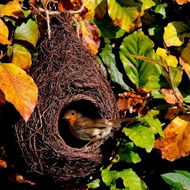
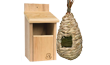
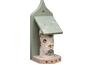
Unfortunately, not all birds survive the winter freeze, due in part to a lack of sufficient shelter. Adding some simple nesting pouches or a stylish nesting box to your garden can make a huge difference and help these exposed little birds make it through the harsh winter months.

Nesting Boxes   Nesting Wool

Don’t forget to add one of our seed mixes to your order to qualify for free delivery!

20 Sep 2024
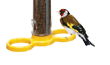
Best Sunflower Hearts Feeder

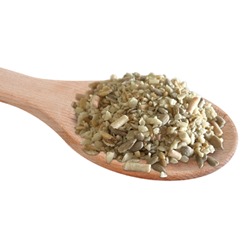
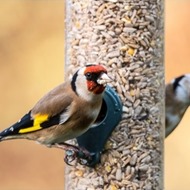
Sunflower hearts are a nutritious and high-energy snack, much loved by a wide variety of wild birds. At Really Wild Bird Food, our Premium Sunflower Hearts are particularly high in calories as they have high oil content. This makes them a great bird feeding option for the winter months.

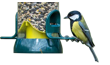
All of our sunflower hearts come ready to eat—simply put them in your feeder and watch the birds flock to enjoy them! But the question is: what bird feeder is best for feeding sunflower hearts?

This blog will run through some of our favourite sunflower heart feeders and their unique selling points so that you can pick a bird feeder that is perfect for your garden!