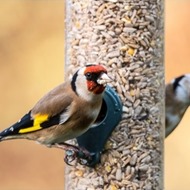
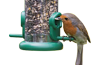
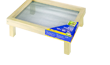
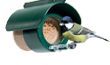
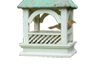
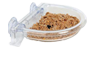
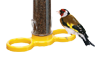
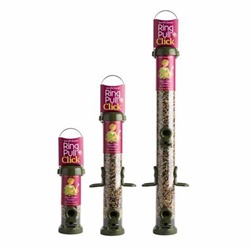
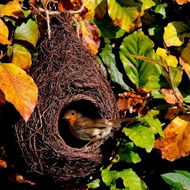
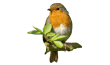
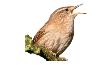
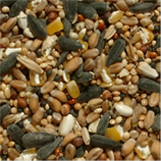
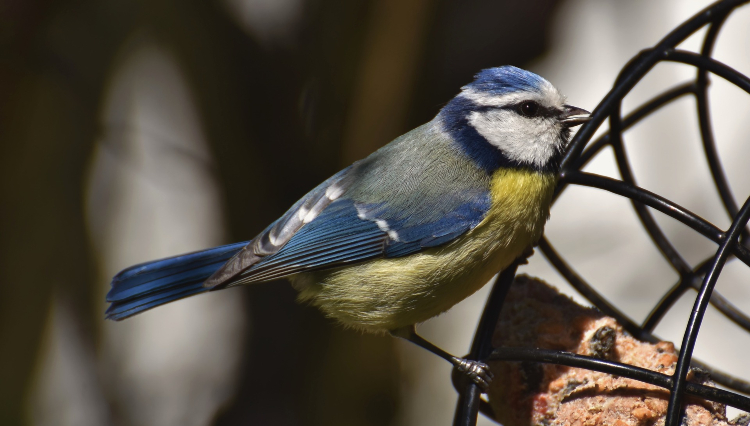
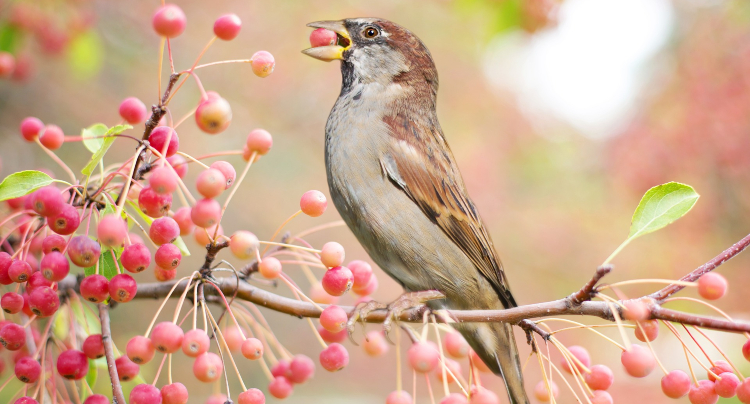
While there is a lot of emphasis on feeding wild birds in the winter, it’s actually beneficial to feed garden birds all year round! There’s a common misconception that birds don’t need to be fed in the summer months, and even that feeding birds in the summer will make them fat and lazy, but that’s not the case!
While it’s true that winter can be a particularly difficult time for wild birds with natural food (and occasionally drinkable water) being in short supply, wild birds will benefit from feeding all year round. Feeding wild birds through all seasons is an effective way to support their populations; improving chick numbers born and the survival of youngsters, and helping adults to stay in good body condition.
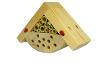
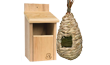
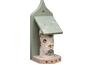
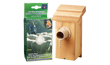
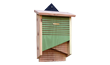
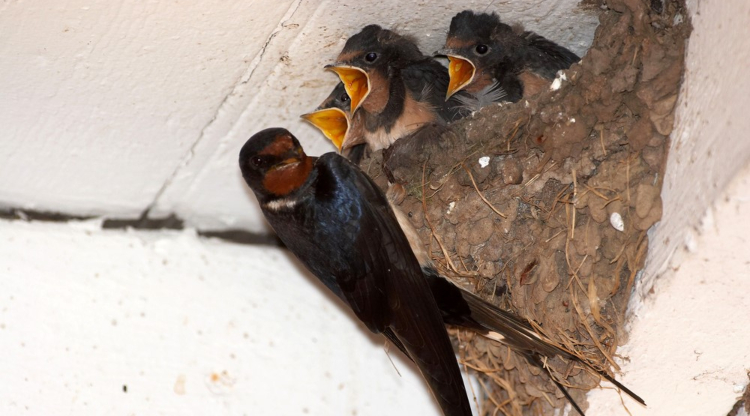
Winter can be a dark and gloomy time of year, with the dark days and chilly weather chasing most wildlife into either hibernation or migration. As we push into February the days are slowly growing longer and the sounds of bird songs are in the air, which can only mean one thing – spring will be on its way soon, and it’s almost time for National Nest Box Week!
National Nest Box Week is a great opportunity to put some time aside and take part in fun activities designed to help support your local wildlife. If you’ve never participated in National Nest Box Week before and are looking for some more information, you’re in the right place!
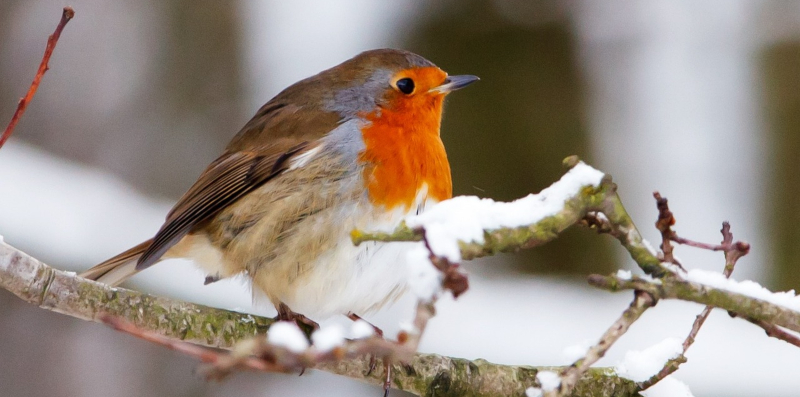
As the cold winds blow and temperatures plummet, there’s no denying that winter is well on its way! In the winter months, birds can struggle to find enough food to get by.
Berries are an important food source during winter months, when many other food sources are scarce and the ground is too hard to hunt for burrowing insects.
Winter is almost upon us, and all around we can see nature preparing for the season. The autumn leaves are falling, hedgehogs are preparing for hibernation, and birds are on the hunt for high fat food to help them survive the cold winter nights.
Winter is a very important time of year for wild bird feeding – food can be very scarce this time of year, so when selecting your bird feed, it’s best to go with a high-fat, nutrient dense feed option like fat balls.
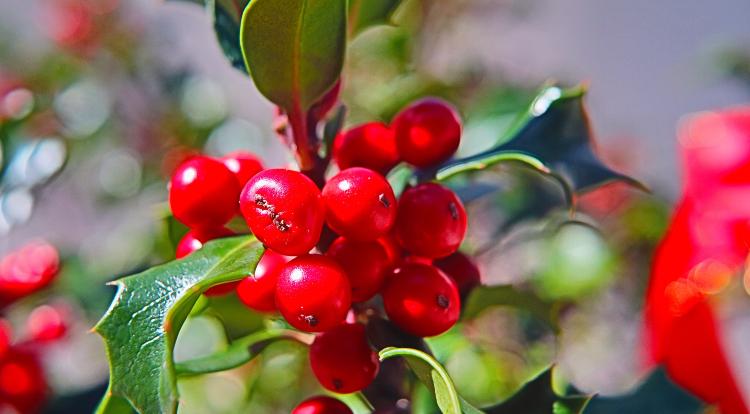
Winter is well on its way, and as autumn draws to a close, we’re seeing a lot of seasonal plants die down for the winter. One exception is holly - or to call it by its Latin name, Ilex aquifolium.
This iconic evergreen is commonly used to decorate homes throughout the winter season, the vibrant green leaves and the rich red berries bring a splash of colour to this bleak time of year.
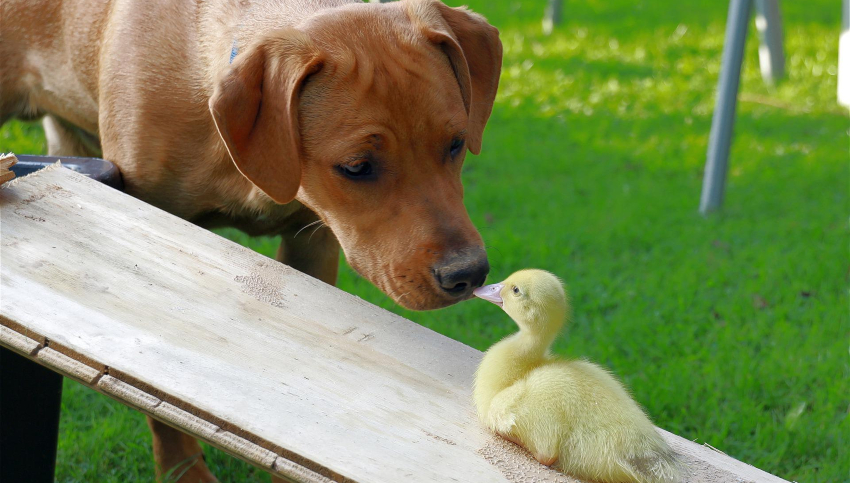
If there’s one thing that most dogs have in common, it’s a healthy appetite. Even after a perfectly sizeable meal, they’re still eyeing up whatever you’ve got in your hands, and it sure looks really yummy.
If given the opportunity, some dogs will gobble up anything they can get their paws on, from your breakfast right off your plate to bird seed that has fallen from your bird feeder.
If you’ve found your way to this blog, your own pooch has probably helped themselves to some bird feed, and you’re looking for information as to whether or not you should be worried. So, is bird seed bad for dogs?
When you put out bird feed, you never know what kind of birds you’ll attract. While you can select certain feeds that are more popular with certain birds, you can never predict exactly what birds will come to visit your garden.
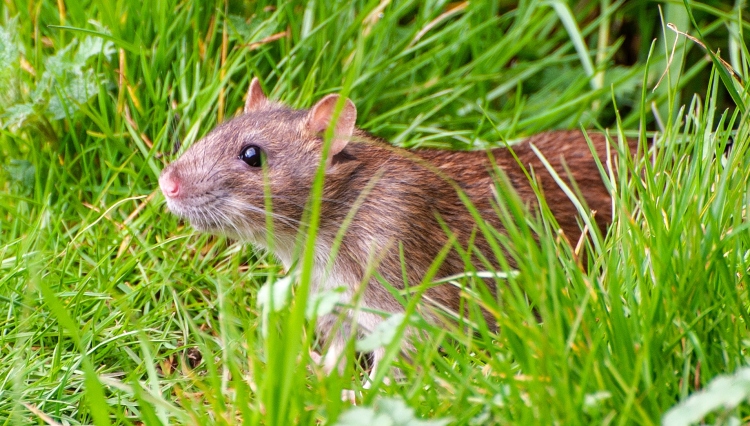
While having any feathered friend come to visit is a delight, putting out food for birds can also entice some more unwelcome visitors. Bird feeders can be an attractive sight for garden rats, and they can be inclined to help themselves to the feed.
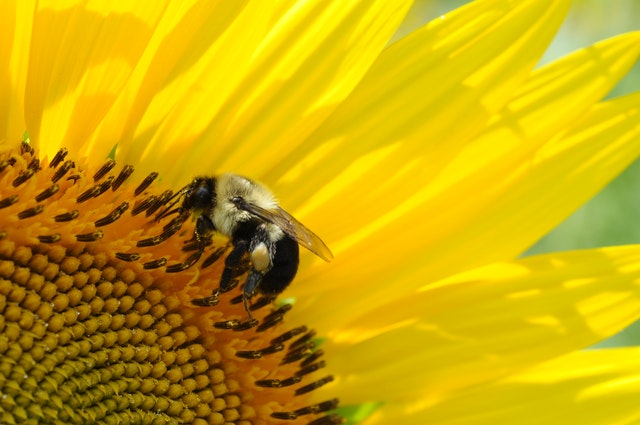
Bees are an important part of our ecosystem – in fact, they’re a part of almost every ecosystem across the world. They are responsible for the pollination of most fruit and veg, making them an essential part of our survival. This is why it is vital that we all do our part to help save the bees.
Here are some fun facts about bees to show how important they really are...