














19 Mar 2025
are sunflower hearts good for birds

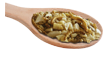
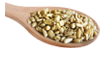
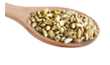
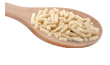
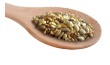
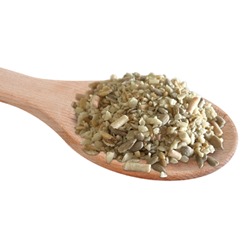
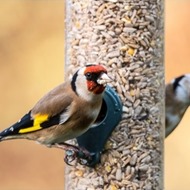
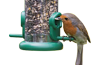
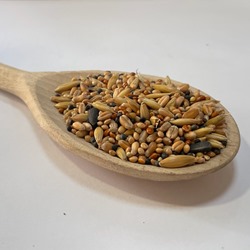
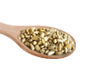
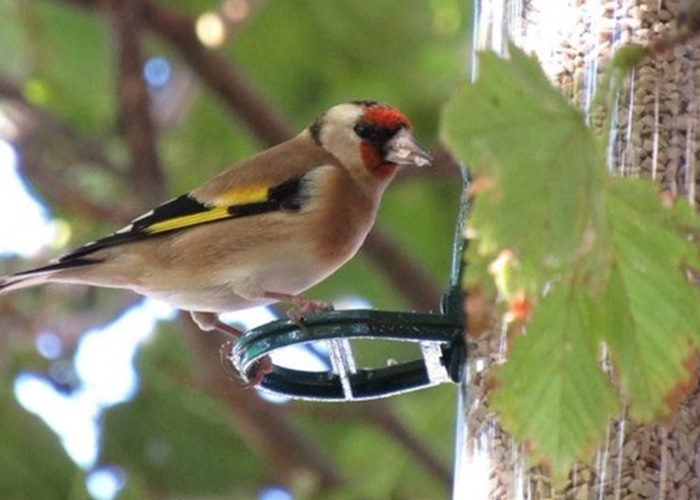
Yes, sunflower hearts are good for birds! Sunflower hearts (that is, sunflower seeds with their husks removed) provide essential nutrition and calories, which is particularly important during winter but can be helpful all year round. A wide variety of birds enjoy eating sunflower hearts, so if you put some out in your garden, you should find that they disappear very quickly!

Read on for more reasons to feed sunflower hearts to your garden birds.


Sunflower hearts are high in calories.

Wild birds require high-calorie foods like sunflower hearts (which are rich in oil and protein) to survive cold spells and keep themselves warm. In the UK, this is relevant throughout the year because of our famously unpredictable weather — you never know when the temperature is going to plummet!


Sunflower hearts are easy to eat.

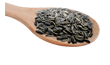
Whole sunflower seeds are also high in calories, but sunflower hearts have the added benefit of being easier for birds to eat. Some birds struggle to remove the shells from sunflower seeds, so why not do the job for them and put out sunflower hearts that have already had their shells removed?

Put simply: by offering shell-free sunflower seeds, you’re enabling a wider variety of birds to access the health benefits of sunflower hearts!


Sunflower hearts make less mess.

On a related note, sunflower hearts aren’t just good for birds – they’re also good for your garden! The shells (or husks) from sunflower seeds will often end up littering the area beneath your feeding table or bird feeder. This can be messy to look at and could also potentially attract pests.

Rather than wasting time cleaning up all of those shells, go with sunflower hearts. These are great for staying tidy (which is why they’re a key ingredient in our best-selling Tidy Garden Mix™).


Sunflower hearts are perfect for combining with other seeds.

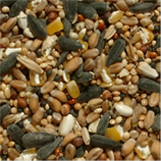
Just like humans, birds require a varied diet. Sunflower hearts are good for birds, but an even better option is to offer a seed mix that combines sunflower hearts with other nutritious ingredients. This way, birds can enjoy the healthy fat and energy provided by sunflower hearts, while still getting vital nutrients and minerals from other seeds.

By including sunflower hearts in your seed mixes, you are helping birds to enjoy a high-energy, healthy diet!


Ready to start serving sunflower hearts?

As we’ve established, sunflower hearts are very good for birds when they are enjoyed as part of a varied diet. High-calorie bird feeds like sunflower hearts help to keep our feathered friends in robust health, especially during the winter and other cold periods.

If you want to add some sunflower hearts to your bird feeding station, we’ve got some great options for you here at Really Wild Bird Food. We offer premium sunflower hearts, as well as sunflower heart chips for smaller birds and fledglings. Use the buttons below to shop healthy sunflower hearts for your garden birds.
Premium Sunflower Hearts   Sunflower Heart Chips

18 Mar 2025
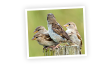
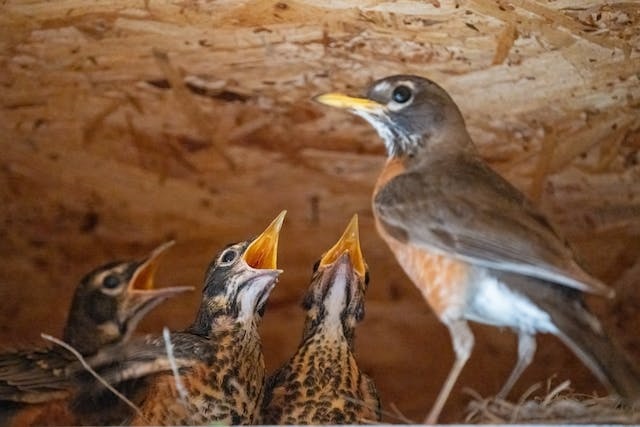
Mummy bird with her youngsters

Mother's Day (Sunday 15th March 2026) is a special time of year that gives us an opportunity to honour and celebrate the women in our life.

If your mum loves to feed her garden birds, we've got a great selection of bird-themed gifts that are perfect for Mother's Day. Visit our GIFT IDEAS page or scroll down for inspiration!

17 Mar 2025
Tidy Garden Crunch™ Bird Seed Mix

We are excited to announce that we have added another fantastic seed mix to our range of no-mess bird foods. It's called Tidy Garden Crunch™ and your garden birds will love it!

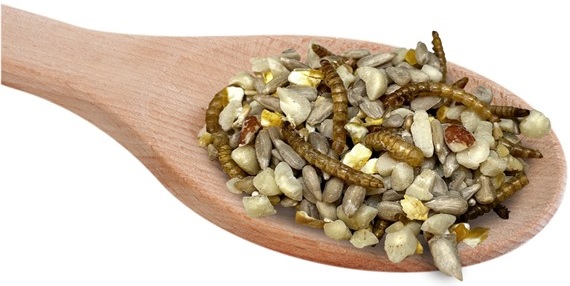
Tidy Garden Crunch™ combines our best-selling Tidy Garden Mix™ with lots of crunchy mealworms. The result is a nutritious, high-protein bird food that will help your birds to lay quality eggs, raise strong and healthy chicks, and lay down fine feathers when autumn arrives.

This delicious new bird food mix is a great choice for spring and summer feeding. Your garden birds will go wild for it!

All of the products in our Tidy Garden™ range are husk free, non-germinating and 'no mess'. You will find that everything is eaten up, leaving your birds totally satisfied and your garden totally tidy!

SPECIAL INTRODUCTORY OFFER! Save 15% by entering the code CRUNCHTIME15 at the checkout.

Buy NEW Tidy Garden Crunch™ >>


It's crunch time!

You can feed Tidy Garden Crunch™ from...

Most garden birds will love this new recipe—especially tits, finches, sparrows, robins, dunnocks, siskins, goldfinches, blackbirds, starlings, wrens and woodpeckers.

DON'T FORGET! Enter the code CRUNCHTIME15 at the checkout to take advantage of our introductory offer. This will give you a 15% discount on our new Tidy Garden Crunch™ mix.

Enjoy your birds!

With best wishes,
Lesley

06 Mar 2025
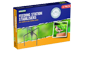
how to build a bird feeding station

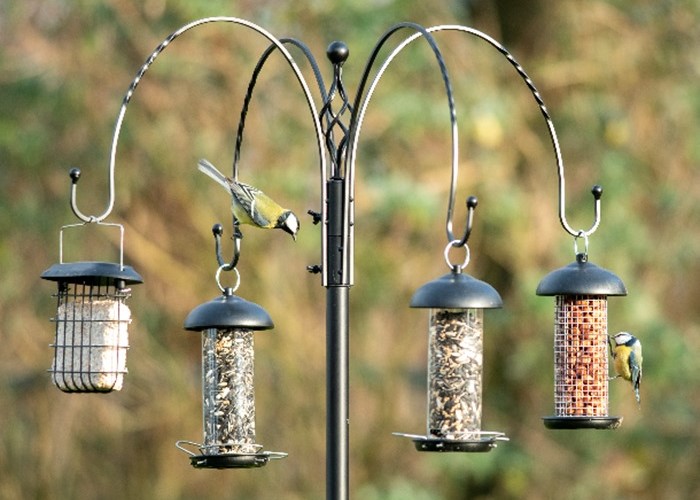
The easiest way to attract a wide variety of wild birds to your garden is by creating a bird feeding station. Whether you’re a seasoned birder or just starting out, building a bird feeding station is a great way to help out your local feathered friends and observe a selection of different bird species from the comfort of your own home.

Keep reading for our ultimate guide on how to build your very own bird feeding station!


1. Choose a good location

Choosing a good location for your bird feeding station is crucial if you want to help your local birds to feel safe and keep coming back. Your feeding station should be positioned away from high-traffic areas where people, pets and predators could disturb the peace. The station should also be positioned near some kind of natural shelter (like a tree, shrubs or bushes) as this provides an easy getaway route for the birds if there are signs of danger.

From a human point of view, you will want to position your bird feeding station in an easy-to-access location so that you can refill and clean the feeders regularly. You may also want to place the feeders near a window or outdoor seating area so that you can enjoy observing the birds without disturbing them! 


2. Install a Pole or Post

A sturdy post or pole will be the backbone of your feeding station – it’s essential if you want to add hanging bird feeders. At Really Wild Bird Food, we stock a number of different garden poles for you to choose from, but if you would rather repurpose a flag pole or something else from around the house, that can work too.

Ideally your pole should be at least 5 or 6 feet tall so that the birds will be out of reach for most predators. You should also ensure your post is stable and able to withstand various weather conditions. You can do this by either digging a hole at the base or using concrete or gravel to weigh down the pole and secure it in place.


3. Add Feeders

You can use feeding station hooks to attach your bird feeders at a variety of different levels – this will help you attract a selection of different bird species to your garden. Try to also offer a variety of different feeder and food types that cater for different birds; for example, tube feeders filled with sunflower or niger seeds to attract small songbirds, plus suet feeders to attract woodpeckers, nuthatches and wrens.

It is also a good idea to install seed catcher trays at the bottom of your feeding station. These will not only prevent mess from falling seeds, but will also provide a platform for ground-feeding birds.  You may also want to invest in a couple of squirrel proof bird feeders if you don’t want pesky squirrels eating all your seed before the birds arrive!


4. Provide Fresh Water

By providing fresh water for birds to drink and bathe in, your bird feeding station will be even more attractive. Choose a shallow bird bath and make sure you keep it clean to ensure fresh and safe water for the birds.

READ MORE: How to Provide Water for Birds

5. Offer a Range of High-Quality Bird Feeds

Providing a varied assortment of high-quality seeds and feeds is the best way to attract a variety of species to your garden. At Really Wild Bird Food, we stock a huge range of high-quality, home-grown bird foods that your garden birds won’t be able to resist! If you’re looking to attract a specific species to your patch, a quick Google search will tell you their favourite snacks and other feeding preferences, so you can customise your feeding station just for them!


6. Be Patient!

The final step in building a perfect bird feeding station is to be patient! Sometimes it can take a while for birds to find your feeders, but don’t give up hope: soon every bird in town will be flocking to your bird buffet! (Also, don’t forget to replace your feed before it goes stale, even if the birds haven’t eaten all of it).


To see all of our feeding station items in one place, click the link below. If you have any other questions about how to build a bird feeding station, please don’t hesitate to get in touch and a member of our team will be happy to help!

Bird Feeding Stations

27 Feb 2025
what are softbill birds

Softbill birds are birds who, due to their relatively soft beaks, are unable to crack open seeds or penetrate through the tough outer layers of certain husks and grains (whereas hardbill birds like finches and tits can use their beaks to crack open seeds and nuts with ease).

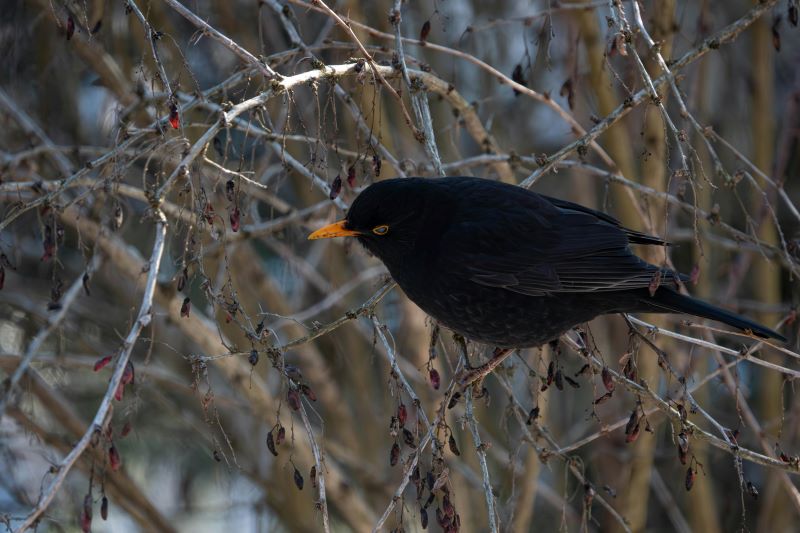
The most common softbill birds in the UK are blackbirds, song thrushes, dunnocks, wrens and robins, all of which can be seen in gardens up and down the country. But how can you attract these softies to your patch? Keep reading to find out!


What Do Softbill Birds Eat?

Softbill birds tend to be mostly insectivorous, meaning they feed on insects, worms and other invertebrates. Softbills are particularly fond of live mealworms, but you can also soak dried mealworms overnight as a special juicy treat!

A variety of fruits and soft grains will also go down well with your local softbills. You can even try to grow berry-bearing plants like hawthorn, holly and honeysuckle in your garden if you want to provide them with a plentiful natural supply of their favourite snacks.

Softbill birds can also eat certain seeds if the husk has been removed. For example, dehusked sunflower hearts are OK for soft-billed species.

At Really Wild Bird Food, we stock a variety of premade softbill bird food mixes that are sure to go down a treat with your local softbils.


What Type of Feeder Is Best for Softbill Birds?

Most softbill birds have a preference for feeding on the ground, as this is where they usually find tasty insects and worms to gobble up. This means you’re unlikely to have much success attracting softbills to your garden using a hanging feeder.

Instead, try one of our ground feeders – but make sure you protect the feeder with a ground feeder guardian if you want to keep predators and larger birds away!


At Really Wild Bird Food, we offer FREE delivery on any orders that contain a bird seed mix, so get your softbill bird food, ground feeder and feeder guardian today to take advantage of this deal!

Shop Softbill Bird Food

17 Feb 2025
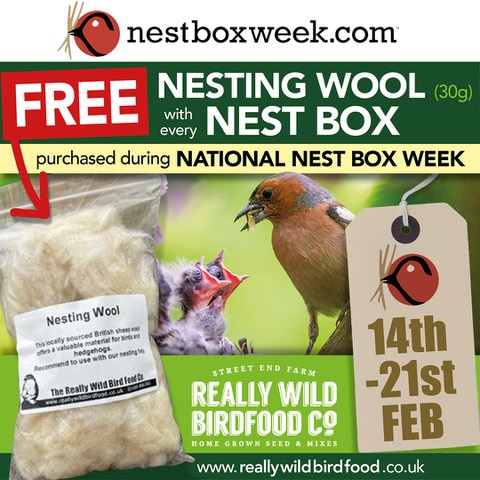
Free nesting wool with every nest box purchased until 21st Feb 2025

It's National Nestbox Week, and we've got lots going on! Here are some of our top nest box deals...

FREE Nesting Wool With Every Nest Box!

We have nest boxes for robins, woodpeckers, tits, sparrows, pied flycatchers, wrens, blackbirds, swallows, house martins and many other UK birds.

And we will include a free 30g bag of nesting wool with every nest box purchased until 21st February 2025!

Browse Nest Boxes


Premium Peanuts

FROM £13.50
Back in stock!

Our customer J. Foxon says: "These are the best peanuts I can find anywhere. Very high quality and value for money. I buy them on a regular basis and will continue to do so. Great customer service and reliable company."

Buy Premium Peanuts


Enjoy home-making with your birds!

With best wishes,
Lesley

04 Feb 2025
National Nestbox Week Offer

National Nestbox Week will take place on 14th - 21st February 2025.

30 Jan 2025
urban birds

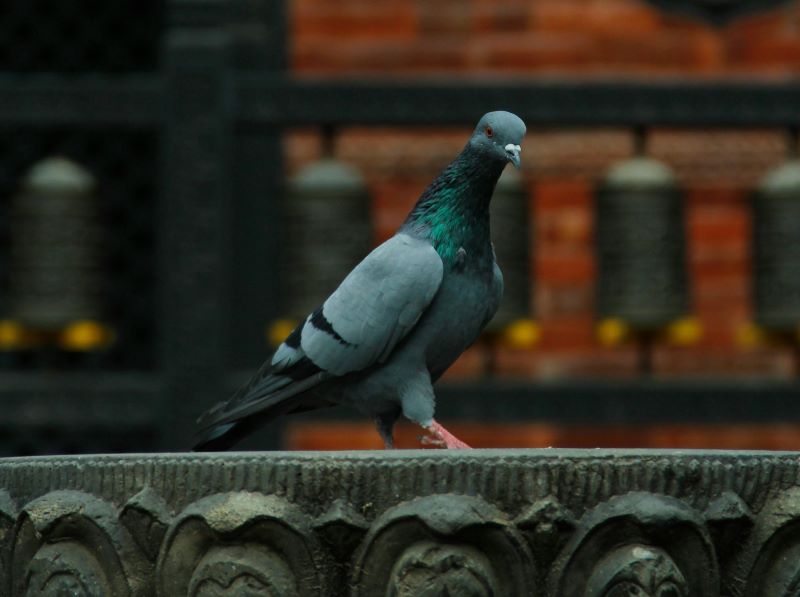
As the human population continues to expand, so does the demand for new housing. This means that in recent years, our urban landscape has continued to encroach  more and more on natural spaces and countrysides, forcing birds and other wildlife to either move on and find a new place to live, or adapt and survive.