15 Jan 2025
how birds fly

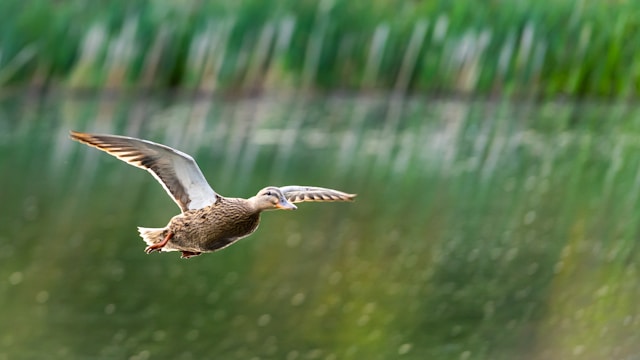
How do birds fly? They flap their wings, of course! But the mechanics of how this works are actually very interesting.

If you want to understand exactly how a bird soars through the air, we’re more than happy to fill in the blanks. Every flight is the result of millions of years of evolution – not to mention a lot of effort on the bird’s part – and we think that it’s a skill worth appreciating.


How Do Birds Fly?

There are many different kinds of birds, and variations in their wing shapes mean that there are slight differences to how they fly. However, most birds use the following method:

Birds first pull their wings down towards their chest, and then unfold them upwards. Because the front of a wing is lifted higher than the back of the wing, the air moves quickly over the top of it. Air speed has an impact on air pressure; specifically, faster air has less pressure than the slow-moving air beneath the wing.

Air always moves from an area of high pressure to an area of low pressure. For instance, when a car tyre is punctured, the high-pressure air rushes out through the hole. In the case of a bird taking flight, the high-pressure air from beneath the wing is moving up to the low-pressure area above the wing. This creates lift...and up the bird goes!

Imagine placing a piece of paper on a balloon, then puncturing it. The paper would go up with the air that’s leaking out. The difference is that the paper would just move with the air, but a bird can use its tail to steer and shift directions.

So, why can’t we humans do this? Surely, if all it takes to fly is a shift in air pressure, it shouldn’t be hard to make yourself a pair of wings and take to the skies. What do birds have that we don’t?


Birds Are Built to Fly!

Here are some of the biological features (besides wings) that allow birds to fly:

  • Heavier in the middle

All of the heaviest parts of a bird (including most of its organs) are in the middle of its body. This gives the bird a concentrated centre of gravity and keeps the rest of the body nice and light for flight.

  • Hollow bones

Why do birds have hollow bones? To help them fly! Though not all bird bones are actually hollow, birds do tend to have lighter skeletal structures in general, so it’s easier for them to stay aloft. You’ll usually find that the bigger the bird, the more air-filled their bones are!

  • Strong muscles

Oddly enough, this is the main thing that prevents people from flying like birds. We just don’t have the strong muscles that a bird uses to flap its wings so fast, for so long. Human shoulders, unfortunately, are a lot weaker (relative to our size) than the equivalent muscles on a bird.

  • Tails

Most birds steer with their tails! They act like the rudder of a boat, directing the rest of the bird’s body.

  • Sharp eyes

Have you ever tried to see on a really windy day? This is the challenge birds face when they are trying to navigate with air blowing into their tiny eyes. And yet, they still manage it thanks to their exceptionally keen vision.


How Do Birds Start Flying?

Some birds need specific conditions in order to actually take off. After all, generating lift from a complete standstill is difficult – there’s a reason why airports have runways!

Some birds even do the same thing that aeroplanes do, moving along the ground to gain momentum. Pelicans, for instance, will have a short run before they can start to fly. Other birds, like eagles and hawks, will use warm air currents. Rising hot air is a great way for a bird to get the altitude they need to really start flying.

Birds may have trouble flying or taking off if they are unwell, or lack energy. You can help care for birds, and keep them in the air, by providing them with nutritious bird feeds. Just like an aeroplane needs fuel, birds need food!

Click the button below to browse our selection of high-quality bird food, much of which is grown on our own farm in the UK. Our High Energy Blend™ and our Super Suet Fat Balls are particularly good for giving wild birds the energy they need to keep on flying!

Shop Bird Food

10 Jan 2025
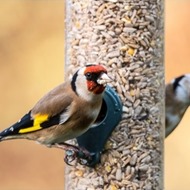
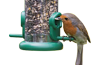
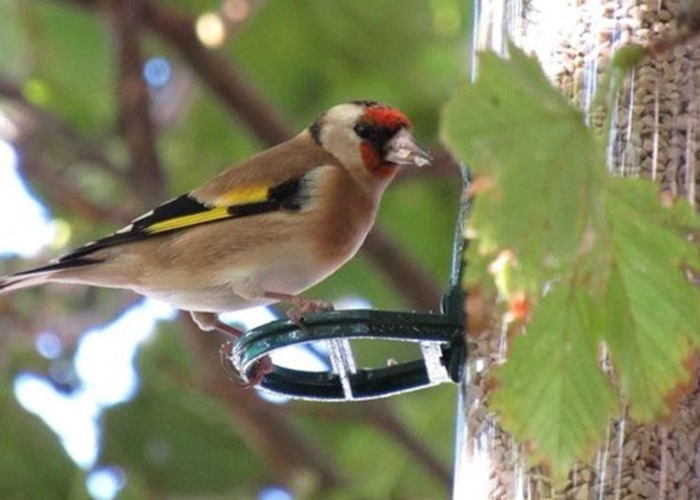
Bird eating sunflower heart chips from a feeder

Both sunflower hearts and sunflower seeds appear in many bird food mixes and provide good nutrition for a wide variety of bird species. But which should you be putting in your feeders: hearts or seeds?

Let's find out.


Sunflower Hearts vs Sunflower Seeds: What's the difference?

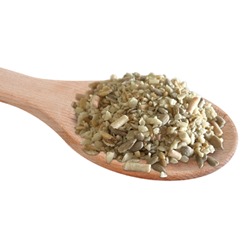
Sunflower seeds have hard shells, which birds typically remove in order to eat the seed inside. Sunflower hearts are simply sunflower seeds that have had their shells removed in advance. Whether you buy seeds or hearts, the sunflower heart is the part that your garden birds will actually eat.

Order now from Really Wild Bird Food – we offer FREE DELIVERY on all sunflower seeds and hearts!

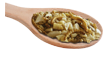
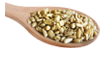
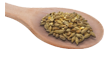
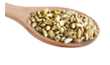
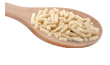
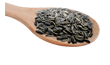
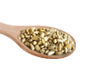
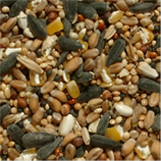
Sunflower Hearts   Sunflower Seeds

Sunflower seeds are packed with many key nutrients (like iron, magnesium and vitamins A, B, C and D) so they're always a great choice for bird tables and hanging feeders. But the question remains: is it better to offer sunflower hearts or sunflower seeds?


The Case for Sunflower Hearts

Many birds are not able to de-shell sunflower seeds, but still enjoy eating what's inside them. Sunflower hearts give these birds easy access to delicious, nutritious treats that they would not have been able to access otherwise!

Since sunflower hearts are such a popular food source and easy to access, you'll find that they attract a wide variety of wild birds to your garden. They're a great, versatile option if you aren't sure what kinds of birds live in your area.

Sunflower hearts are much less messy than sunflower seeds, too. With sunflower seeds, you'll likely end up with a small pile of shells beneath your feeder. These can build up and turn into mulch over time. Sunflower hearts don't have shells, helping to prevent this issue! Sunflower hearts are a high energy, less mess option if you would prefer not to have shells left in your garden.

SEE ALSO: No Mess Bird Food


The Case for Sunflower Seeds

At this point, you might be thinking that sunflower hearts are the better option every time—after all, they make life easier for the birds, and they don't leave a mess on your lawn. Why does anyone buy sunflower seeds with the shells on?

Well, the shell-on seeds do offer a few benefits of their own. Firstly, whole sunflower seeds can only be eaten by birds who are able to de-shell them; this may seem like a negative thing, but if you are specifically trying to attract these birds and you don't want their food to be stolen by competitors, sunflower seeds may be preferable to sunflower hearts.

What other aces do sunflower seeds have up their sunflower sleeves? To answer that question, ask yourself why sunflower seeds have shells on them to begin with.

The answer is simple: to protect the contents. Sunflower seed shells with no cracks provide a barrier against damp and mould; nature's protective coating. So sunflower seeds (of which there are black and striped varieties) may be preferable in periods of extreme weather, particularly wet weather where sunflower hearts may go soggy or really cold weather where the hearts can freeze. There is also an argument that black sunflower seeds are nature's bounty and that small seed eating birds should be working for their food in the most natural way possible. Garden birds will naturally visit a feeder, remove a seed and take it to the safety of a nearby tree or bush to then enjoy it. Offering sunflower hearts in a hanging feeder may just be too easy! and birds will spend more time actually on the feeders, which is lovely to watch but can potentially increase the risk of disease transfer and also of sparrohawks swooping in on pre-occupied garden birds.


Which is better: sunflower hearts or sunflower seeds?

Sunflower hearts are generally more popular than sunflower seeds because more birds can eat them and they leave less mess. However, as we've discussed, there are still some good reasons to go with sunflower seeds instead!

Whichever you choose to use in your garden, Really Wild Bird Food can help. We offer a wide range of quality bird feeds, many of which are grown on our very own farm in Hampshire—and we offer FREE DELIVERY on all orders that include bird seed!

Sunflower Hearts   Sunflower Seeds

Image source: reallywildbirdfood.co.uk/straight-seeds/sunflower-heart-chips/shc

10 Dec 2024
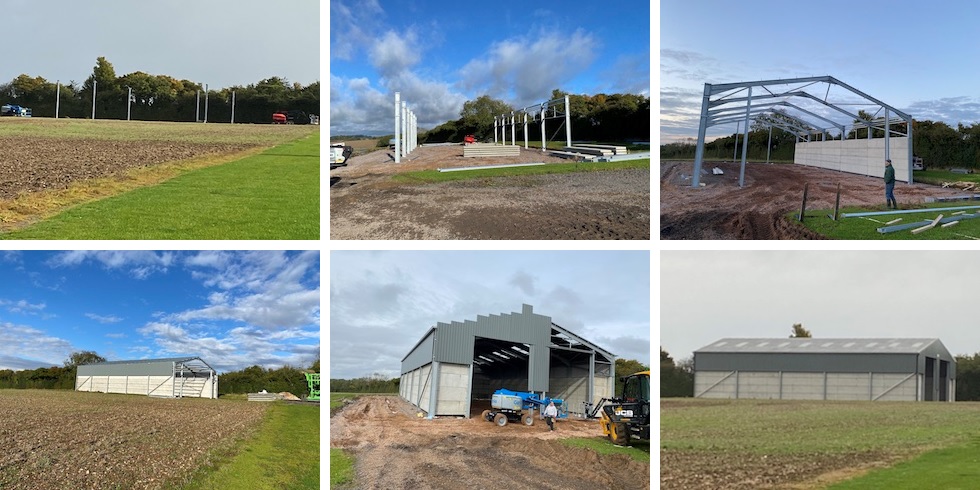
Barn construction - start to finish

Despite the wet weather in October, we managed to get our winter wheat drilled and we are still delighted with the performance of our new drill. This year we are trying a new wheat variety called 'Bamford' which is a soft milling wheat. If it grows the way we would like it to, and it meets the spec next harvest, it will go off to Spain for Spanish bread making. So much, however, will depend on the weather at harvest time. The other wheats we have planted are Grade 1 and 2 hard wheats, and these will stay in the UK for bread making if we get the quality. So many outcomes are determined by the weather!

We finally have our new grain store up. The wet weather delayed the start of the project, but it is now done! The whole barn was erected in 10 days by only 2 chaps working together. It was quite incredible to witness. All elements of the barn arrived pre-made and the guys used state of the art cherry-pickers to manoeuvre all the components into place. It was very impressive.

This new addition will allow us to store a lot more grain on the farm (approx. 14,000 tonnes). This will ultimately save us a lot of money, since much of our wheat and barley currently has to go to a central store which incurs significant transport and storage charges. There are also hefty charges for looking after the grain—things like drying charges and even cooling charges on hot summer days! So it makes financial sense to be able to do it ourselves.

Stage 2 for us is to complete the barn so that it's ready for harvest 2025. We still have to put down concrete, install doors and electricity for grain drying, all of which are significant costs—but we are committed now!


10% off winter warmers!

Stock up on these feeds to help your birds cope with the cold weather. We're currently offering a 10% DISCOUNT on all of these products—but that offer ends at midnight on Saturday 14th December, so be quick!


Christmas Crumble™

The robin's favourite!

A super high-energy seed mix with delicious suet and crunchy mealworms. Christmas Crumble™ is a delicious, festive choice that's sure to be appreciated when the weather is chilly.

BUY NOW & SAVE 10%


Tidy Garden Suet Boost™

Supreme food for winter!

Tidy Garden Suet Boost™ is a high-energy seed mix with added suet. A really good choice for this cold weather!

BUY NOW & SAVE 10%


Classic Peanuts

Wholesome, high-quality peanuts for wild birds.

Our Classic Peanuts have a really high oil content, which adds calories and helps garden birds to fend off the cold.

BUY NOW & SAVE 10%


Insect Suet Pellets

Delicious insect-flavoured suet in bite-sized nibbles!

These high-energy Insect Suet Pellets will stay soft and digestible even during the coldest of days.

BUY NOW & SAVE 10%


Christmas gifts

Here at Really Wild Bird Food, we stock a fab variety of Christmas presents for bird lovers and wildlife enthusiasts. Click the link below to have a browse!

CHRISTMAS GIFTS FOR BIRD LOVERS

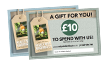
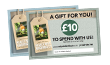
And of course, what could be a nicer gift than some gift vouchers to spend with us this winter?

Christmas in our house certainly won't be relaxing this year, because we have a new family member.

Meet Liza! She is now 10 weeks old and and a bundle of trouble. I am not sure how wise it will be to put up a Christmas tree...we may have to go bauble and tinsel free.

Enjoy your birds, and don't forget to make the most of our winter warmer savings—on offer until 14th December.

With very best wishes,
Lesley (and Liza!)

19 Nov 2024
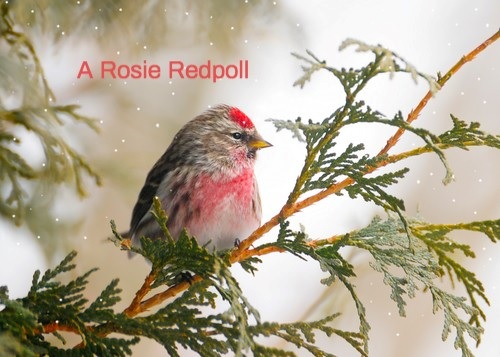
Rosie redpoll bird

Brrr! It's snowing in many parts of the UK and very cold in most! Temperatures have plunged as cold Arctic air has swept across the UK, and we need to act quickly to help our garden birds. Snowy conditions make it difficult. The variety and abundance of natural food sources has been challenging this year. You may have noticed how sparse insects have been, and the autumnal hedgerows have been very scarce of fruit and berries. So this cold snap has added more challenging times for garden birds.

30 Oct 2024
where does bird seed come from

We all know that feeding the birds is a great way to attract them to your garden, but have you ever wondered where your bird seed comes from? This blog will explore the origins of this essential bird food and the journey it takes from our farm to your feeder.


30 Oct 2024
why aren't birds coming to my feeder

If you’ve set up a new bird feeder in your garden but aren’t getting any feathered visitors, you may be wondering where you’ve gone wrong. This is a common issue amongst bird enthusiasts and can be particularly frustrating if you have spent time and effort creating a bird-friendly safe space in your garden.

This blog will go over some of the possible reasons why your bird feeder isn’t getting any visitors and provide you with some tips and tricks so that you can have the most popular bird feeders in town!


11 Oct 2024

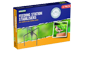
Don’t let your lack of a garden stop you from feeding the birds! A balcony can be just as much of a sweet haven for our feathered friends if set up correctly.

This blog will explain the dos and don’ts of how to create a balcony feeding station so that you can attract and care for your local wild birds no matter how little space you have.


Do...

  • Use indigenous plants and flowers. Decorating your balcony with local plants and vegetation will help to put the birds at ease and welcome them into your space – plus, native plants will thrive in your local climate making them easier to maintain!

  • Catch birds’ attention using attractive sounds. The light splashing from a table top fountain or gentle bird sound recordings can help to show local birds that your balcony is safe. You can even buy solar powered bird baths and fountains to further attract garden birds to come to your balcony for a drink or midday dip.

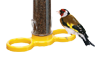
  • Add colour. Most garden birds are attracted to specific colours because of what the colour represents. For example, birds like goldfinches and sparrows are attracted to the colour yellow because they associate it with sunflowers and one of their favourite foods - sunflower seeds! Adding colourful ribbons and ornaments can also help. 
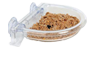
  • Use seed catchers. Seed catchers like this seed buster tray catch spilled seed, saving you cleaning time and saving your neighbours from falling debris!
  • Put anti-collision stickers on your windows. Placing bird feeders close to glass windows can be risky. Many birds get confused by window reflections, which can cause collisions. Anti-collision shapes and stickers simulate the presence of other birds so that our feathered friends won’t fly too close.

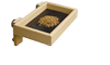
  • Use window feeders. Here at Really Wild Bird Food, we stock a range of window feeders including window trays, hooks and pods, all of which give you a close-up view of the wild birds in your garden while taking up minimal space on your balcony.

  • Use hanging baskets. Hanging baskets can be a great way to add greenery if you’re low on space. Window boxes are also a great idea as they can be filled with a selection of colourful and easy to manage plants.

  • Use climbing plants. Birds love to have a safe place to hide while they wait for their feed, honeysuckle is a great option to use as they are a favourite of thrushes, warblers and blackbirds. 
  • Attract bugs. In the late spring and summer months, common garden birds like blue tits are on the look out for smaller grub-like insects that they can feed their young. Choosing plant varieties that pollinating insects will be attracted to will, in turn, attract birds who are looking for bugs to eat!


Don’t...

  • Excessively use bird sounds. Birds may find loud bird sounds threatening or challenging (and your neighbours may not appreciate them either).

  • Forget to keep the space tidy. Not only can excess seed and debris fall onto your neighbours below, it can also attract pests and turn your balcony into a breeding ground for disease. Regularly cleaning your feeders, water dishes and balcony in general is extremely important for the overall wellbeing of your feathered friends.

  • Pick an overly heavy feeder. Choosing a feeder that can feed multiple birds at once is great; however, make sure your feeder is not so heavy that is poses a risk of damaging your balcony setup!

  • Use windchimes. Unnatural sounds like windchimes can scare birds away from your balcony.

  • Decorate the balcony with bright moving objects. Objects like windsocks or spinners can also be scary for birds and cause them to steer clear of your balcony feeding zone.

  • Store big items like bikes or BBQ grills on your balcony. These large objects can be very intimidating for birds, so try to keep your balcony as uncluttered as possible.

Follow these tips and you should have a bustling bird balcony in no time. Good luck!

Shop Window Feeders
READ MORE: Bird Feeding Tips for Beginners
10 Oct 2024
Triton drill

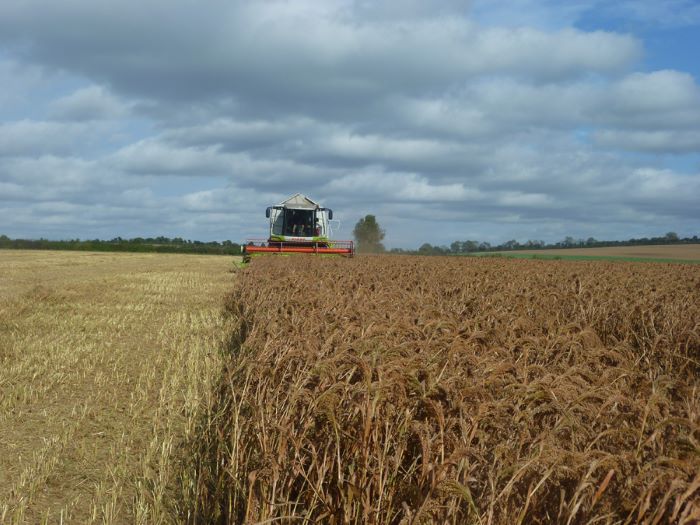
We managed to get the main of our harvest into the shed in good time, with crop results mirroring what seems to have happened across most of the UK: some crops yielding exceptionally well and some surprisingly badly, mainly due to the atrocious weather we have had all year.

Richard has a rain gauge in the garden which measures rainfall with a fair degree of accuracy. A 'normal' year's rain here on the farm (although the concept of 'normality' is something far removed these days!) would be around 33 inches, but from 1st October 2023 to 30th September 2024, we had 60 inches of rain - an incredible 5 feet!