06 May 2025
hedgehog awareness week

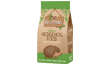
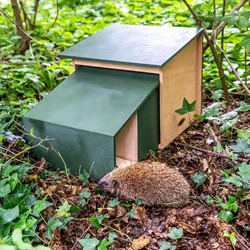
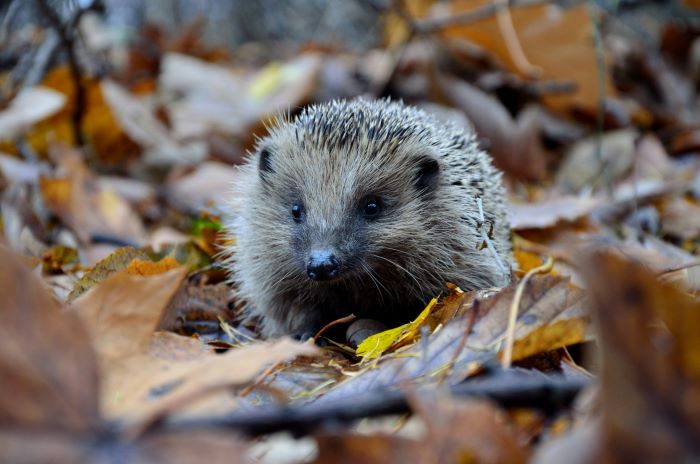
It’s currently Hedgehog Awareness Week (4th – 10th May 2025) and this year’s theme is ‘Give Hedgehogs the Edge!’. In this blog, we will explain what that theme means for our spikey friends and discuss other ways you can support them this year. 

Plus, at Really Wild Bird Food we are offering 10% OFF all of our hedgehog products this week - simply enter the code HEDGEHOG10 at the checkout to apply your savings!


02 May 2025
No Mow May 2025

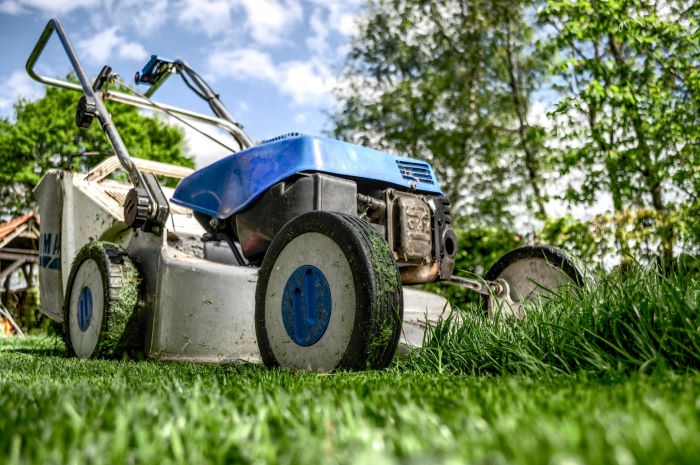
No Mow May is an annual campaign started in 2019 by conservation charity Plantlife. The campaign encourages people to put down their mowers for the month of May in order to let wildflowers and your local biodiversity flourish.


30 Apr 2025
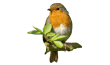
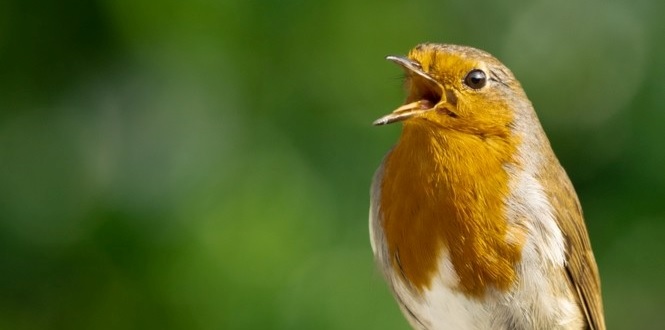
Robin singing

TODAY ONLY! Save 20% on our High Energy Fledgling Mix™ when you use the code CHORUS20 at checkout. Prices start from just £8.76 (with discount applied). Offer ends at midnight on 30th April – so order now!

There's nothing quite like waking up to the beautiful sound of birdsong, and this Sunday (4th May 2025) is International Dawn Chorus Day.

This time of year is very special for us bird lovers. The cacophony of early-morning birdsong known as the dawn chorus takes place from March to July, with May and June being the peak months to enjoy the wonderful sound. The first songsters of the season tend to be UK resident birds such as robins and great tits, but as the warmer months bring migrants such as blackcaps and chiffchaffs back into our green spaces, the choir starts to take shape and the dawn chorus can be heard in all its glory!

So now is a really good time of year to be up and outside, enjoying it while you can. The best days to choose are those with fine, clear weather and little wind.

These past few weeks of beautiful, still weather have given us the ideal start to each day – a rousing dawn chorus always makes mornings much more enjoyable!

LEARN MORE: Dawn Chorus – Why Birds Sing in the Morning


20% off High Energy Fledgling Mix™

For TODAY ONLY, you can use the discount code CHORUS20 to save 20% on our High Energy Fledgling Mix™ for young birds.

Why buy High Energy Fledgling Mix™?

  • Mini pieces make easy feeding for fledglings

  • Highly digestible

  • Ultra high energy

  • Won't grow or sprout – so no mess and everything will be eaten

  • Freshly made to order – the best quality you can buy

  • The highest quality ingredients to give fledglings the best start in life

  • AND there's 20% off if you place your order today (Wednesday 30th April)

Click the button below to order your fledgling mix. Don't forget to enter the code CHORUS20 for a 20% discount! (Offer ends at midnight on 30th April.)

Buy High Energy Fledgling Mix™ Now!

Enjoy your dawn chorus and do let me know which birds have been waking you up in the morning!

With very best wishes,
Lesley

23 Apr 2025
Benefits of feeding birds

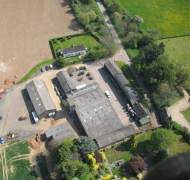
At Really Wild Bird Food, we’re no strangers to feeding birds. In fact, we’ve been providing Britain’s birds with nutritious and tasty meals since the nineties! On Street End Farm, just outside of Hampshire, we grow all sorts of healthy food for a variety of different garden birds.

Whether you’re looking to help out your local bird population or just enjoy a spot of bird watching, here are some of the key benefits you can reap by putting a bird feeder in your garden.


What are the benefits of feeding birds?

  1. Helping your local birds
  2. Protecting your garden from bugs and weeds
  3. Pollinating your flowers
  4. Watching the birds
  5. Keeping UK bird species off the endangered list


1. Helping your local birds

Your local birds may struggle to find sources of nourishment, especially if you live in a built-up area. Providing high-calorie foods for your local birds can be a literal lifesaver (especially during the winter months, when natural food sources are at their most scarce).


2. Protecting your garden from bugs and weeds

Birds are great for your garden! For one thing, they will sometimes eat seeds that would otherwise have grown into weeds. Draw birds to your garden with a feeder, and they might pick up a few extra snacks along the way. This prevents the weeds from growing and ruining your lovely flower beds. You might also attract birds that eat slugs, such as starlings, robins and blackbirds. This can be handy if those slimy so-and-sos have been treating your garden like an open buffet.

While birds may naturally flit through your garden on occasion, the best way to get them to eat your bugs and weeds is to properly invite them to your garden with a good meal.


3. Pollinating your flowers

For the most part, we associate pollination with bees. While protecting bees is still very important because they are great pollinators, there are also some birds who can pollinate flowers too. This is great, because pollination is super important for the flowers in your garden. It’s also crucial for food production!

Birds pollinate flowers when they are trying to eat nectar. While the most well-known avian pollinator is probably the American hummingbird, there are UK birds that occasionally enjoy nectar too, like blue tits. You may see goldfinches burying their long beaks inside teasel flowers to get at seeds! When birds stick their beaks into a flower, pollen will get stuck along the beak. This can then be transferred to other flowers, pollinating them.

SEE ALSO: Planting Wildflowers in Your Garden


4. Watching the birds

There are good reasons why bird-watching is such a popular hobby: it’s relaxing, it’s entertaining, and it can help you feel closer to nature. Birdwatching can even help you to improve your mental wellbeing! Once you’ve set up a feeding station in your back garden, you can simply sit and enjoy the sight of the birds – or you can hone your ornithology skills by keeping a list of the different kinds of birds you see! People with restricted mobility can enjoy this accessible hobby from the comfort of their own home or garden.

This is one of the major benefits of feeding the birds. If you’ve never experienced the thrill of running to the window to spot an unusual bird in your garden, then you really should give it a try. 


5. Keeping UK bird species off the endangered list

While you might not see any immediate benefit from this on a personal level, this is possibly the most important point on this list. In the long run, preserving diversity in bird species is incredibly important for the ecosystem.

Birds help keep the population of small creatures they eat (like mice) from becoming a problem. Birds are also prey for a lot of wildlife. The loss of even one species of bird can have a significant impact on our entire ecosystem. By feeding your local birds – and putting up nest boxes to give them a safe place to rest – you can contribute to the preservation of bird populations.

SEE ALSO: Endangered UK Birds & How You Can Help Them


How to start feeding the birds

Interested in the above benefits of feeding birds? It’s really easy to turn these ideas into a reality. You can start feeding birds healthy and nutritious food with very little effort.

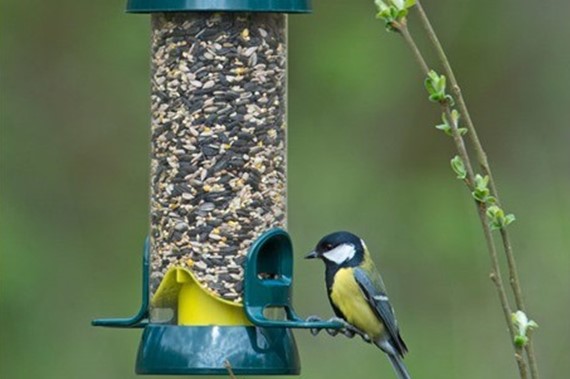
Firstly, pick out a bird feeder that suits your garden. We offer a great range for you to choose from, including both hanging feeders and bird tables. You might also consider putting up nesting boxes, which can offer your birds a place to shelter. It's also important to put out some clean water for birds to drink and clean with!

Once you’re ready to start shopping, simply click the button below to discover our huge range of bird seeds.

Shop Bird Food   More Bird Feeding Tips
09 Apr 2025
do all birds eat seeds

It is a common misconception that, for birds, a healthy diet consists of seeds and nothing else.

It’s true that most birds enjoy seeds, but many bird species have evolved to eat a range of different foods, from seeds to insects to fruit.

So why are seeds such a staple? And what else is on the menu? Read on to find out!


Which Garden Birds Eat Seeds?

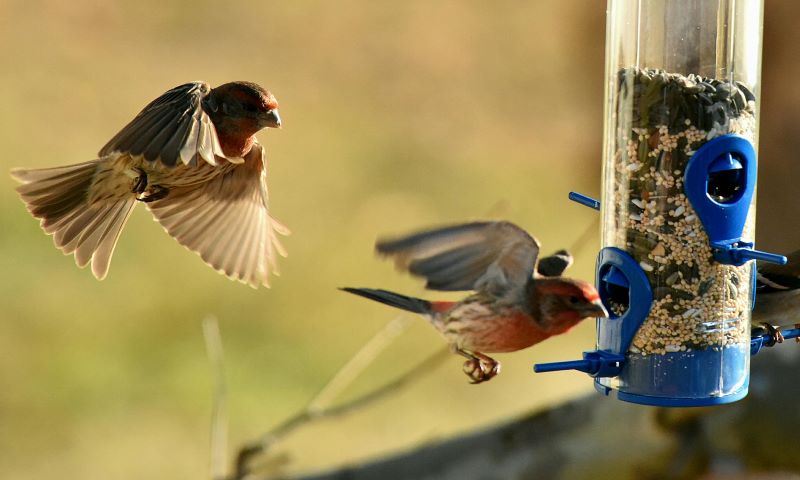
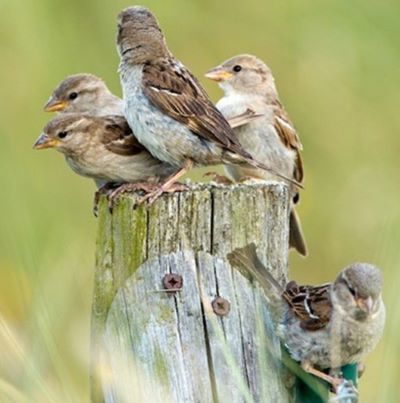
Seed-eating birds tend to have specially-adapted bills that can crack open hard seed coatings and get to the nutritious and tasty interior. For example, birds like finches and sparrows have conical bills that are perfect for munching on seeds.

Pigeons and doves will also happily consume a wide range of seeds, although they are also known to eat insects, fruits and even human food scraps.


Which Garden Birds Don’t Eat Seeds?

Some birds – like robins, swallows, blackbirds and warblers – don’t have a hard beak to crack open seeds. These birds are known as ‘softbills’ and tend to be insectivorous, primarily eating small insects like beetles, worms, caterpillars and flies.

Softbills will also happily eat fruit, suet and special softbill bird foods like naked oats and mealworms.


Why Do Birds Eat Seeds?

Seeds are packed with essential nutrients that birds need to survive, and different types of seed offer different health benefits to birds. For example, sunflower seeds are an oil-rich source of protein, vitamins and minerals, providing long-lasting energy for garden birds – something that is essential for the colder winter months. The husks of sunflower seeds can even be removed, leaving the ‘sunflower heart’ behind, a treat that even softbill birds can enjoy!

Another reason why birds eat seeds is because they’re often abundant and relatively easy for birds to find. Particularly during the autumn and spring, many plants produce seeds as part of their reproductive cycle, leaving a wide variety of goodies behind for birds to scoop up, store and eat. Plus, compared to other food sources like insects and fruits, seeds are a reliable food source that can be found all year round.

So, next time you’re filling your bird feeders, consider varying the food you put out so that every bird species visiting your garden can find a tasty snack. Here at Really Wild Bird Food, we stock a wide range of different bird feeds, including seeds, mealworms, suet and so much more!

Use the button below to browse our bird food range and treat your garden birds to a proper buffet!

Shop Bird Foods

26 Mar 2025
what not to feed wild birds

If you regularly feed the birds or you're planning to start, it is crucial that you know what not to feed wild birds and why. Feeding birds any of these items can potentially cause them harm and so should be avoided.


Bread

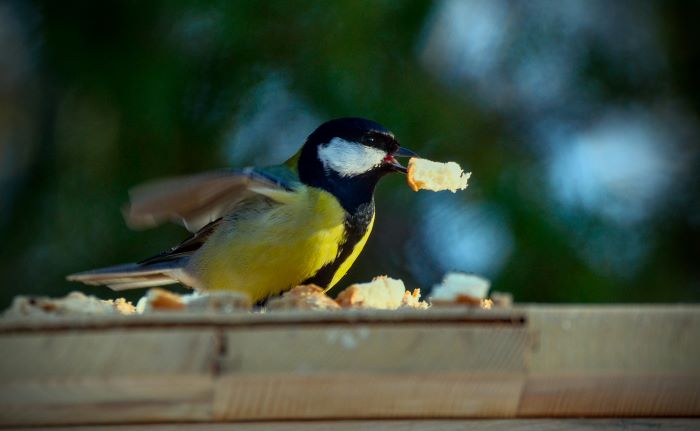
Most of us have probably fed birds bread at some point in our lives and while bread isn't immediately harmful to wild birds, it lacks nutritional value and therefore can lead to malnutrition if consumed in excess. This is why nowadays it is not recommended to feed wild birds' bread – even if you have some leftover!


Chocolate

Chocolate contains theobromine and caffeine, both of which are toxic to birds (in the same way that they are toxic to dogs!). These compounds can lead to seizures, heart arrhythmias and even death in wild birds and so should never be offered as foods!


Onion & Garlic

Both onion and garlic, even in small amounts, can damage a bird's red blood cells and digestion, leading to potentially fatal anaemia and weakness.


Dairy

Most wild birds are lactose intolerant, meaning they cannot properly digest dairy products. Birds can suffer gastrointestinal upset and diarrhoea from even small amounts of milk, cheese or yoghurt, so it is best to avoid these foods completely.


Salt

In the same way that too much salt can be bad for humans, salty foods can be bad for wild birds. Natural foods in the wild contain very little salt, so birds have not adapted to eating it. Feeding wild birds' salty food ( and that would include things like salted peanuts! ) can therefore cause serious health issues, like dehydration and organ failure.


Avocado

Avocados contain Persin, an anti-fungal toxin that can cause heart damage, respiratory distress and even death in birds. Although the exact levels of Persin vary in different parts of the avocado, it's best to keep avocados away from wild birds completely.


Whole Peanuts

Offering whole peanuts can pose a serious choking risk to wild birds, particularly chicks, therefore they should always be offered in a rigid mesh feeder to prevent chicks from choking on large pieces. This is especially important during fledgling season where adults can easily take whole peanuts back to the nest for their young.


Fruit Pits

The pits or seeds of certain fruits like cherries, peaches and apricots contain low levels of cyanide, which is toxic to birds. They can also be a choking risk and therefore should be avoided altogether.


Desiccated Coconut

Desiccated coconut can swell up when it reaches the stomach and cause birds serious discomfort and sometimes even death. This is why any bird seeds containing desiccated coconut should be avoided.


Mouldy Food

Spoiled seed and mouldy food can be harmful for birds, leading to diseases and illness in the same way that it does for humans. If it's too mouldy for you to eat, they probably won't want to eat it either!


So, What Can I Feed Wild Birds?

At Really Wild Bird Food, our bird seed offers unparalleled nutritional quality and cleanliness – your local birds just won't be able to resist!

If you're wondering what you can feed your local birds from your kitchen, check out our blog post What Kitchen Scraps Can I Feed To My Birds?
And if you have any further questions about what not to feed wild birds, please don't hesitate to contact us and a member of our team will be happy to help.

Shop Bird Food

24 Mar 2025

Very shortly there will be lots of hungry mouths to feed - so be ready for the youngsters!‌   

This is the time of year when garden bird numbers start to climb as fledglings appear en-masse. This is also the most critical time of year to offer high quality, easily digestible food, especially if the weather is cold and the insect population is low. 

That is because if you feed more youngsters now - you will have more adults all year - it is a simple fact!

Here are some ideas for you to help fill those hungry beaks over the next few months!


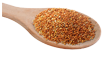
High Energy Fledgling Mix™

Our High Energy Fledgling Mix™ is our mini-bite seed mix for fledglings with little beaks. So make sure you stock up ahead of a really busy time for garden birds and their families.

  • Loved by Sparrows!

  • Mini bites make easy feeding

  • It is highly digestible

  • Ultra High Energy

  • No Mess Mix - everything will be eaten

  • It's homemade by us 

  • It tastes delicious!

PLUS FAST, FREE DELIVERY WITH EVERY SACK!

Buy Fledgling Mix Here >>


Mini Suet Pellets

Order This Week and SAVE 10%*

Delicious bite-size Mini Suet Pellets for little beaks

  • Peanut flavour with a hint of berry

  • With added calcium for developing bones

  • High fat releases immediate energy

  • Soft consistency means easily digestible

  • Free Delivery

From £8.95 with Fast Free Delivery!

( * Offer Ends 31st March 2025 )

SAVE 10% when you buy Mini Suet Pellets this week >>


Live Mealworms 

Live Mealworms are a great source of protein and water for young chicks!

Read my vet page on feeding live mealworms; it's easy to do and hugely beneficial to many families.

Our mealworms are British Born and Bred!

From only £14.65

Order the Wrigglers here  >>>>

Many thanks for your business

Enjoy Your Birds!

Very best wishes,

Lesley

21 Mar 2025

Use discount code GARDENSHOP20 to get 20% Off Everything in our Garden Shop‌  

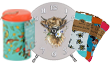
Treat Your Mum to something special with our great selection of Mother's Day Gifts!

Charcoal                                            Stone

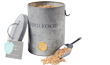
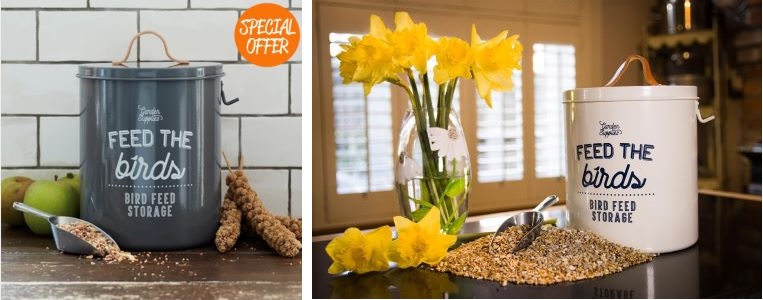
 These stylish 'feed the birds' storage tins and accompanying FREE 2kg of our new Tidy Garden Crunch™ seed mix. Practical and Delicious! There is a choice of 2 colours.

Going like hotcakes this year so be quick before they are all gone!

We can include a lovely hand -written card with all Mother's Day gifts. Just tell us what message you would like to send and we will do the rest! 

SAVE £8. NOW ONLY £29.90 ( RRP £37.90 )

SAVE £8 HERE >>>>


SAVE £15 when you buy one of our Mum's Gardener's Bundles! Practical and stylish, the bundle includes Sophie Conran gardening gloves and Kent and Stowe trowel and fork. Choice of navy or grey gloves.

PLUS a lovely hand written card. 

SAVE £15 on this great bundle!  NOW ONLY £19.95 ( RRP £34.95)

SAVE £15 HERE >>>>


A Cute Gift .... for your Mum and her Robins!


"I Love Robins" Ceramic Dish with a FREE 1kg of Deluxe Robin Crumble ( well - an empty dish is no fun! ) 

ONLY £14.95 ( plus a hand-written card if you tell us what you would like to say )

Find It Here! >>>

SAVE 20% on everything in our Garden Shop Collection 

( it's not just gardening things! ) 

Just Enter Code GARDENSHOP20 at checkout to make your savings!

With very best wishes,

Enjoy Your Birds!

Lesley