If you’ve set up a new bird feeder in your garden but aren’t getting any feathered visitors, you may be wondering where you’ve gone wrong. This is a common issue amongst bird enthusiasts and can be particularly frustrating if you have spent time and effort creating a bird-friendly safe space in your garden.
This blog will go over some of the possible reasons why your bird feeder isn’t getting any visitors and provide you with some tips and tricks so that you can have the most popular bird feeders in town!
Don’t let your lack of a garden stop you from feeding the birds! A balcony can be just as much of a sweet haven for our feathered friends if set up correctly.
This blog will explain the dos and don’ts of how to create a balcony feeding station so that you can attract and care for your local wild birds no matter how little space you have.
Do...
- Use indigenous plants and flowers. Decorating your balcony with local plants and vegetation will help to put the birds at ease and welcome them into your space – plus, native plants will thrive in your local climate making them easier to maintain!
- Catch birds’ attention using attractive sounds. The light splashing from a table top fountain or gentle bird sound recordings can help to show local birds that your balcony is safe. You can even buy solar powered bird baths and fountains to further attract garden birds to come to your balcony for a drink or midday dip.
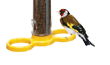
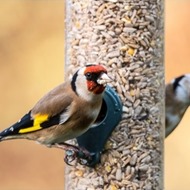
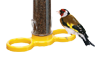
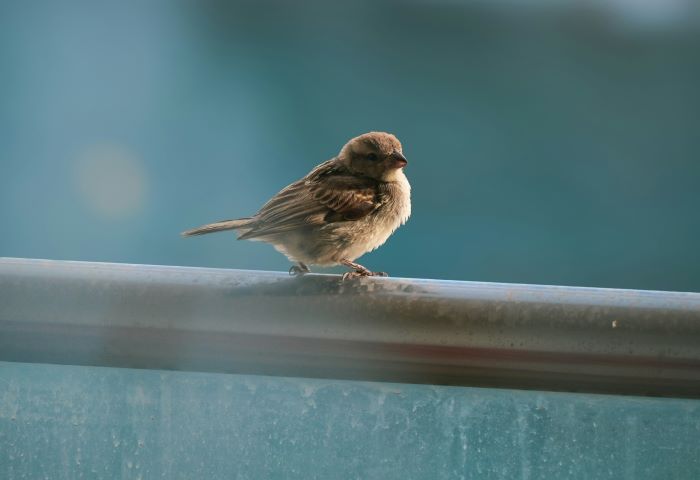
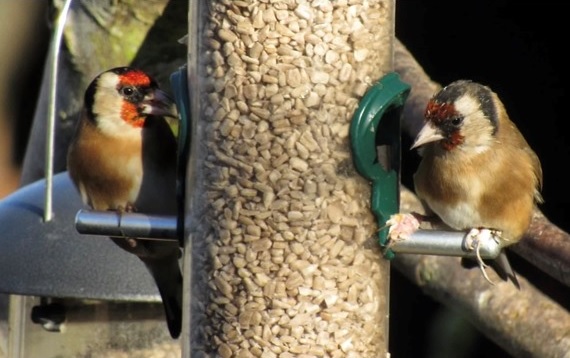
- Add colour. Most garden birds are attracted to specific colours because of what the colour represents. For example, birds like goldfinches and sparrows are attracted to the colour yellow because they associate it with sunflowers and one of their favourite foods - sunflower seeds! Adding colourful ribbons and ornaments can also help.
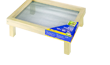
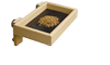
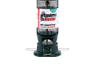
- Use seed catchers. Seed catchers like this seed buster tray catch spilled seed, saving you cleaning time and saving your neighbours from falling debris!
- Put anti-collision stickers on your windows. Placing bird feeders close to glass windows can be risky. Many birds get confused by window reflections, which can cause collisions. Anti-collision shapes and stickers simulate the presence of other birds so that our feathered friends won’t fly too close.
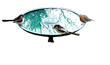
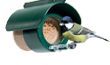
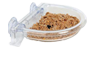
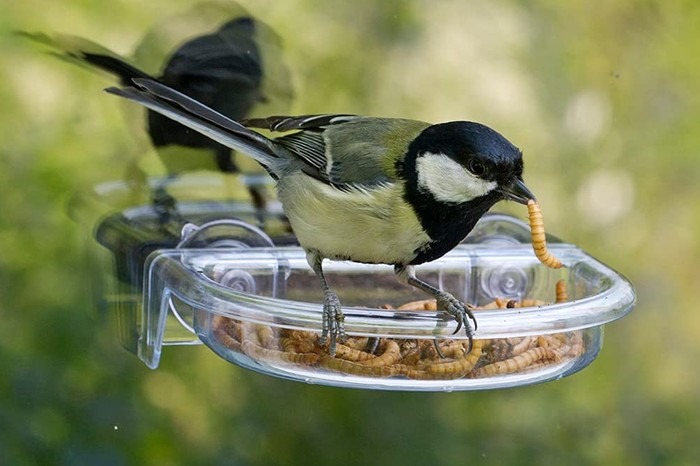
- Use window feeders. Here at Really Wild Bird Food, we stock a range of window feeders including window trays, hooks and pods, all of which give you a close-up view of the wild birds in your garden while taking up minimal space on your balcony.
- Use hanging baskets. Hanging baskets can be a great way to add greenery if you’re low on space. Window boxes are also a great idea as they can be filled with a selection of colourful and easy to manage plants.
- Use climbing plants. Birds love to have a safe place to hide while they wait for their feed, honeysuckle is a great option to use as they are a favourite of thrushes, warblers and blackbirds.
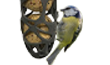
- Attract bugs. In the late spring and summer months, common garden birds like blue tits are on the look out for smaller grub-like insects that they can feed their young. Choosing plant varieties that pollinating insects will be attracted to will, in turn, attract birds who are looking for bugs to eat!
Don’t...
- Excessively use bird sounds. Birds may find loud bird sounds threatening or challenging (and your neighbours may not appreciate them either).
- Forget to keep the space tidy. Not only can excess seed and debris fall onto your neighbours below, it can also attract pests and turn your balcony into a breeding ground for disease. Regularly cleaning your feeders, water dishes and balcony in general is extremely important for the overall wellbeing of your feathered friends.
- Pick an overly heavy feeder. Choosing a feeder that can feed multiple birds at once is great; however, make sure your feeder is not so heavy that is poses a risk of damaging your balcony setup!
- Use windchimes. Unnatural sounds like windchimes can scare birds away from your balcony.
- Decorate the balcony with bright moving objects. Objects like windsocks or spinners can also be scary for birds and cause them to steer clear of your balcony feeding zone.
- Store big items like bikes or BBQ grills on your balcony. These large objects can be very intimidating for birds, so try to keep your balcony as uncluttered as possible.
Follow these tips and you should have a bustling bird balcony in no time. Good luck!
Shop Window Feeders
READ MORE: Bird Feeding Tips for Beginners
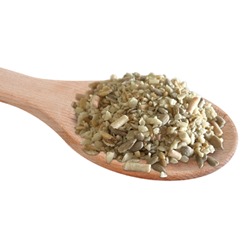
Sunflower hearts are a nutritious and high-energy snack, much loved by a wide variety of wild birds. At Really Wild Bird Food, our Premium Sunflower Hearts are particularly high in calories as they have high oil content. This makes them a great bird feeding option for the winter months.
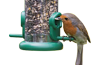
All of our sunflower hearts come ready to eat—simply put them in your feeder and watch the birds flock to enjoy them! But the question is: what bird feeder is best for feeding sunflower hearts?
This blog will run through some of our favourite sunflower heart feeders and their unique selling points so that you can pick a bird feeder that is perfect for your garden!
Here at Really Wild Bird Food we understand that if you love birds, you’re probably a fan of animals in general - and you might even have a furry friend of your own at home. If you’re letting your dog run around in the same area where you hang your bird feeders, it’s important to remember that not all bird-safe products are suitable for dogs.
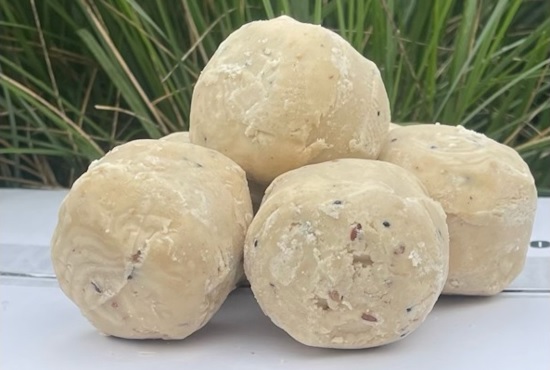
In this blog, we will be delving into the topic of dogs and bird food, focusing on one question in particular: can dogs safely eat fat balls?
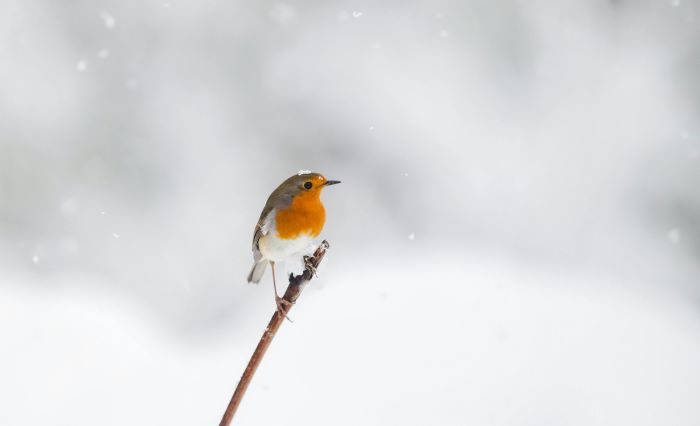
As the days get shorter and the temperature drops, there’s no escaping it: winter has arrived.
Now is the perfect time to get thinking about how you will feed your feathery garden visitors over the coming months. It can be hard for garden birds to keep warm and source food in the winter, so it is this time of year where they need our help the most! Give your colourful companions a helping hand by providing them with a well-stocked winter bird feeder that will see them through the winter season.
Window bird feeders are perfect for bird lovers who don’t have enough space for a large bird feeding pole or table but still want to feed their local birds. These feeders come in a variety of different designs and are usually attached to the window with a strong suction cup.
However, it is estimated by the British Trust for Ornithology that up to 33 million birds die in the UK each year from collisions with windows. This begs the question: do window feeders perpetuate this issue by encouraging birds to fly close to windows for food? Are window bird feeders safe for our feathery friends? Keep reading to find out!
Are Window Bird Feeders Dangerous for Birds?
Most window feeders are actually designed to reduce the risk of window collisions. Window feeders help birds recognise the solid surface of the window, thus reducing the risk of collisions caused by reflections.
Also, if the feeder is placed close to the window, even panicked birds are less likely to gain enough speed to injure themselves if they fly into the glass after eating. This is why it is recommended to place all kinds of bird feeders within 3 feet of windows as birds approaching a feeder to eat will fly in at a very different angle compared to birds that are trying to fly through the window, believing there is a tree or tunnel in the distance.
However, if your window feeder becomes particularly busy, there is still a chance that nervous birds will scatter and see a reflection in the window that they will try fly towards, causing window strikes. For tips on how to prevent accidents like this from happening, check out the list below!
Window Bird Feeder Tips
- Using dots, decals or other window alerts will help birds recognise glass barriers and avoid collisions.
- Always elevate your window feeders at least 5 feet off the ground to protect your local birds from predators like cats.
- Position your feeder near a natural shelter like a bush or tree so that they can quickly escape if they sense danger. This will also make them more likely to visit!
- Avoid placing your window feeder near high traffic areas like living rooms or kitchens where movement and noise may scare birds away.
- Make sure you clean your window feeder at least once a week to protect your garden birds from diseases.
Benefits of Window Bird Feeders
- Window feeders are a great option for people who live in a flat or building with no outdoor space.
- Window feeders allow bird lovers to see their favourite garden birds up close without disturbing them.
- A huge variety of birds enjoy using window bird feeders, so you’re sure to see a variety of your local birds.
So, are window bird feeders safe? Yes! Window bird feeders offer a safe way to get up close and personal with your favourite garden birds while also protecting them from window collisions.
To see our full range of window feeders, click button below and if you have any further questions about the safety of window feeders or any of our other bird feeding products, please don’t hesitate to get in touch and a member of our team will be happy to help.
Shop Window Feeders Contact Us
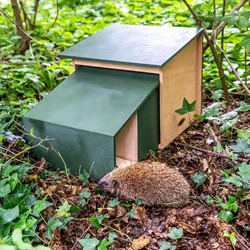
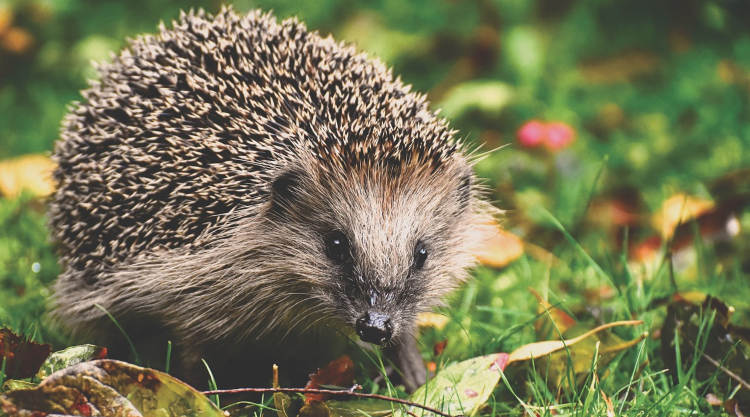
Sadly, the numbers of hedgehogs have dwindled over the years. This decline in population is mainly due to the fragmentation of their habitats and difficulty in finding food.
However, small steps on our part will surely make the life of these tiny creatures significantly easier. There are a number of things we can do to help these gardeners' friends, such as supplying food and water, providing hedgehog habitats and creating an overall hedgehog-safe environment.