















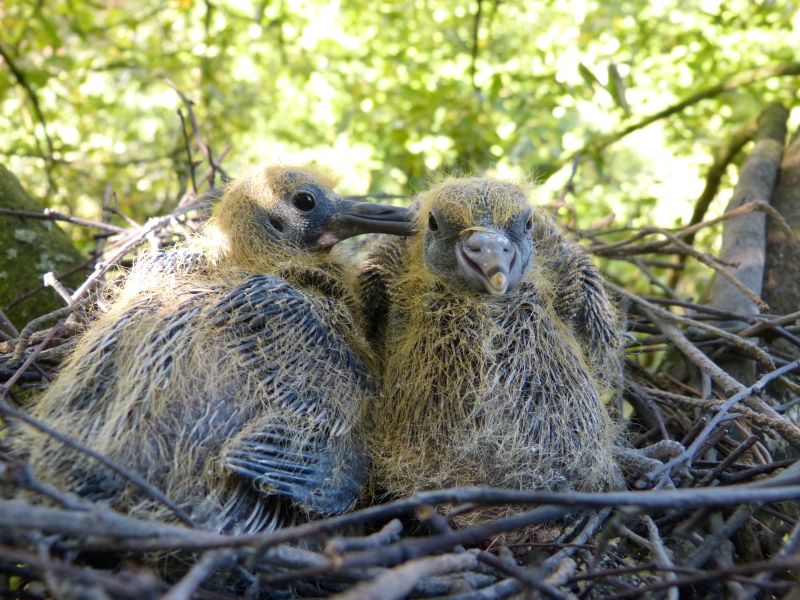
Wood Pigeon Nestlings (September 2012). Original photo by nottsexminer. Licensed under CC BY-SA 2.0.
If you find a baby pigeon (also known as a squab) that seems to be in need of help, there are a few different steps you need to take…
Wood Pigeon Nestlings (September 2012). Original photo by nottsexminer. Licensed under CC BY-SA 2.0.
If you find a baby pigeon (also known as a squab) that seems to be in need of help, there are a few different steps you need to take…
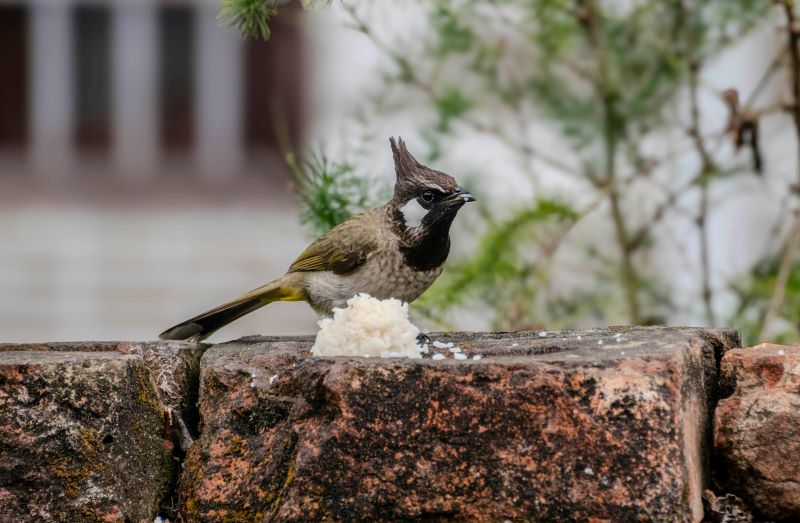
In 1996, a rumour began to gain traction after being published in a bird-feeding advice column: Wild birds cannot eat uncooked rice because when ingested, it swells and causes their stomach to extend.
We now know that this rumour isn’t true – cooked and uncooked rice pose no risk to wild birds – however, that did not stop the rumour becoming so widespread and it pretty much stopped the tradition of throwing rice at weddings for fear of killing the local wildlife.
In this blog, we will explore the facts behind the assumptions and discuss the safest ways to feed rice to your local bird population. Let’s get started!
There are a couple of reasons why the rice rumour doesn’t make logical sense:
Although rice is safe for birds, it’s not necessarily a great nutritional source. It can provide a quick energy source in the form of carbohydrates, however, rice lacks many of the essential nutrients, vitamins and minerals that wild birds need for their balanced diet.
Brown rice is healthier for humans and thus is also more beneficial for wild birds too. It contains more of the energy, proteins and fibre needed for a healthy avian diet.
If you choose to feed your local birds rice, make sure it is only offered in moderation and as a supplement to a balanced diet. You also must ensure that you never feed fried, seasoned or salted rice to your garden birds – you may also want to rinse plain rice to remove some of the extra starch before putting it out.
So, if you have a wedding coming up and you want to follow the throwing rice tradition, know that you can without harming the local bird population; however, throwing a traditional seed mix or white millet will probably be more popular with your feathered friends and you won’t have to worry about the clean up!
If you have ever spent time watching birds fly around in your garden, you may have wondered: do birds see colour in the same way humans do? The short answer: yes, birds can see colour, but in a very different way to how we do.
This blog will take a closer look at how birds see colour and how this affects their behaviour. Let’s dive in!
Birds have an additional cone in their eyes that allows them to perceive a wider ranger of colours than we can as humans. While we humans have three colour receptors (or cones) in our eye that allow us to see red, green and blue, birds have four colour receptors, allowing them to see ultraviolet (UV) light in addition to the three colours we can perceive.
This allows birds to see contrasts in colours and shades that are invisible to us. For example, around 15 years ago, Finnish researchers discovered that vole urine reflects UV light which kestrels flying over open fields can plainly see. As voles run through grassy fields, they use squirts of urine to mark their trails, the kestrels can then follow these trails directly to their pray.
Birds’ ability to see a wide range of colours and ultraviolet light influences a range of their behaviours, from mate selection to foraging to territory defence.
Many birds’ feathers reflect UV light, which can serve as a signal in mate selection. Bright colours often indicate health and genetic fitness and thus birds that are less fit or in poor condition will have a duller plumage. For example, some parrots and finches have UV patterns that are only visible to other birds and females are drawn to these bright patterns and colours as they signal good health and strength for breeding.
Bright coloured plumage can be used to signal aggression and territoriality for some male birds. They can flash their bright colours to intimidate rivals and establish dominance over a particular area, warning other males to stay away.
Birds also use their ability to see UV light to identify food sources. Many insects, fruits and flowers have ultraviolet reflections that make them more visible to birds. In fact, many seeds and fruits develop a reflective waxy coating as they open, signalling to birds that they are ripe and ready to eat.
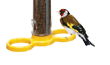
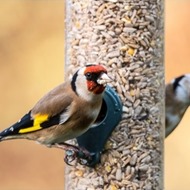
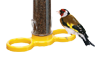
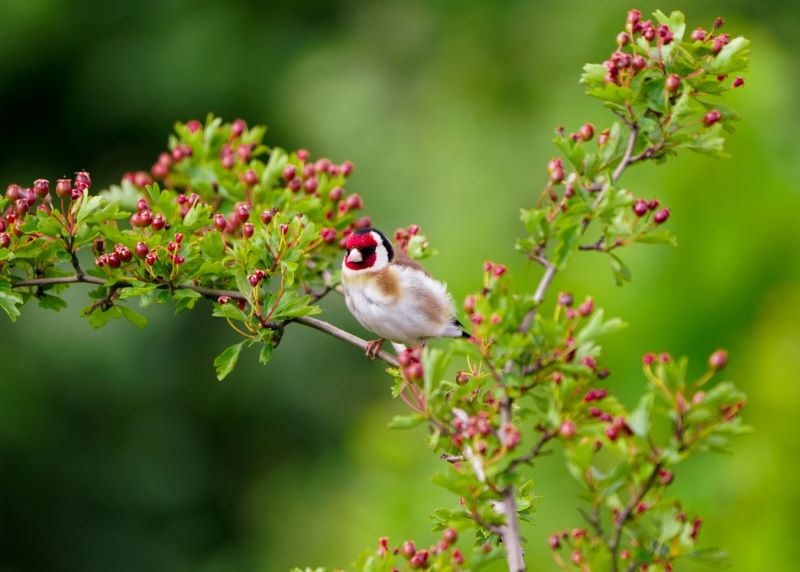
Certain bird species are also attracted to specific colours. For example, hummingbirds are drawn to red and goldfinches are attracted to yellow, which is why many goldfinch feeders are yellow – like our Goldfinch Taster Feeder!
So, if you’re looking to attract more birds to your garden, consider looking for bird seed mixes that contain sunflower seeds and safflower seeds as both of these are known to reflect UV light.
Feeding birds is a fantastic way to connect with nature, improve your mental health and boost your local ecosystem. However, as anyone who regularly feeds the birds knows, stocking up on bird seed and supplies (particularly if you have lots of garden visitors with lots of feeders out) can be expensive. At Really Wild Bird Food, we’re here to tell you that you don’t have the break the bank to feed your feathered friends!
This blog will detail some simple and cost-effective ways you can feed the birds for less. Let’s get started…
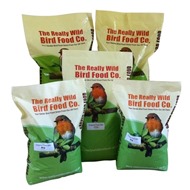
One of the best ways to save money on feeding the birds is to buy your bird food in bulk. Smaller bags of seed tend to cost more per kg, while larger bags (20, 30 or 40kg) work out much cheaper on a £/kg price basis.
Bags of birdseed that weigh less than 12.5kg are subject to VAT, therefore this immediately increases to price to the customer by 20%. If you can buy large sacks (weighing more than 12.5kg) then you immediately are making the VAT saving. Obviously buying in bulk will mean that you will have to find space to store your bulk purchase. We recommend putting your bird food in a vermin proof container – like a metal dustbin – and in a cool environment. Avoid storing your seed near a boiler or hot cupboard.
If you can store it in a cool place, your bird food should last for 5-6 months!
If you are looking to buy a large number or bird food sacks, it might make financial sense to have them delivered on a pallet. If you have neighbours who also order bird food, why not put a combined order in with them?
Another sustainable way to feed the birds for less is to plant native plants that produce natural food sources. Native trees, shrubs and flowers produce seeds, fruits and nectar that many bird species love to snack on. For example, sunflowers produce tasty sunflower seeds and holly bushes produce berries. This will not only provide natural food but also create habitat and cover for your garden birds.
By placing your bird feeders in the right spots, you can reduce seed waste and attract more birds. Try to hang your feeders in sheltered spots to protect the seed from rain and wind – this will prevent your seed from getting spoiled. Also, try to place feeders near natural cover, like trees or shrubs, so that birds can quickly seek shelter if predators approach.
To help prevent excessive waste and weather damage to seed in feeders, only fill feeders with enough seed to last a couple of days, particularly in the winter months when seed is more likely to become damp. Keeping seed and peanuts in tip top condition will be tastier for birds and will reduce the amount you have to throw away.
At Really Wild Bird Food, we understand that times are tight, and as the cost of living continues to rise, many people can’t afford to spend a lot of money feeding their local birds. That’s why we have created our very own Birdie Basics range, so that you can feed the birds for less this summer!
Just like our premium seed mixes, our range of Birdie Basics seed mixes are packed with home-grown ingredients from our UK farm, so even with the lower price tag, the quality will be far better than any cheap bird seed mixes you can find online.
While the low cost of cheaper seed may initially seem like good value for money, keep an eye on how much is being wasted. Buying more expensive seed that has little of no-waste will, in the long-run, be much better value.
Our Birdie Basics range consists of three low-cost bird seed mixes:
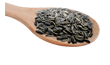
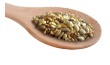
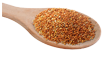
Birdie Basics Bronze contains wheat, red millet, white millet, black sunflower seeds, rape, cut maize and naked oats.
Birdie Basics Silver contains wheat, red millet, white millet, black sunflower seeds, rape, cut maize, naked oats and canary seed.
Birdie Basics Gold is wheat-free and contains red millet, white millet, black sunflower seeds, rape, cut maize, naked oats and barley.
We hope that these low-cost bird seed mixes will enable you to keep feeding your local birds while saving a little bit of cash!
If you have any questions about our Birdie Basics range or how to feed your birds for less, please don’t hesitate to get in touch with us using the button below.
Use Discount Code BATHTIME15 at checkout
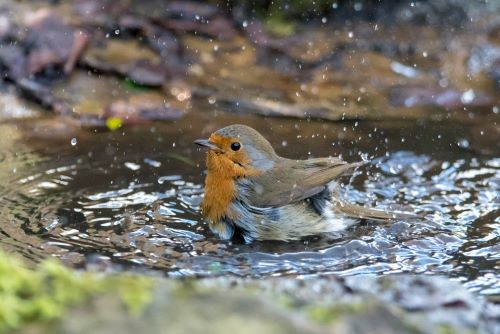
Drinking water is vitally important for all birds, and during hot summer months, where natural moisture sources, like damp grass and puddles, dry up, it is critical that we provide them ( particularly small seed eating garden birds ) with a plentiful supply of clean drinking water. A well filled bird bath also offers a lovely bathing opportunity; to clean up dusty feathers and of course to cool down on hot days. Getting wet is cooling ( and so much fun! ) and you will be guaranteed more birds in your garden if you offer a clean source of water.
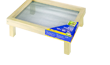
Of course, it doesn't have to be a fancy bird bath, there are lots of simple ways you can put out water. Any kind of shallow baking tray, food storage tray, dog bowl, metal bin lid or plant pot holder placed on the ground will do the trick and having something at ground level will also provide much needed hydration for all sorts of wildlife, particularly hedgehogs, if you are lucky enough to have them in your garden.
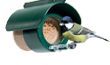
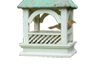
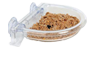
We have an excellent range of bird baths and water dishes online. Here are a few ideas.
And don't forget, you can save 15% by using subscriber code BATHTIME15 when you checkout. ( *offer applies while stocks last! )
Only £19.50 with the discount code!
Only £13.55 with the discount code!
Only £14.40 with the discount code!
Only £8.49 with the discount code!
Only £33.99 with the discount code!
1kg Live Mealworms and Mini Mealworms Now Back In Stock!
We are very pleased to say that our 1kg packs of Live Mealworms and Mini Mealworms are now back in stock. We apologise for the disruption to supply.
Order Your Live Mealworms Here >>>
We are delighted to be able to tell you that you are now able to pay for your Really Wild Bird online purchases with Apple Pay and Google Pay!
(We are sorry there were a few initial technical issues - but all good now).
It's fledgling season and there are lots of hungry little beaks to feed!
Saver prices from only £1.72/kg
Make the most of the savings to be made. Offer lasts until 30th June '25
Enjoy Your Birds!
With Best Wishes,
Lesley
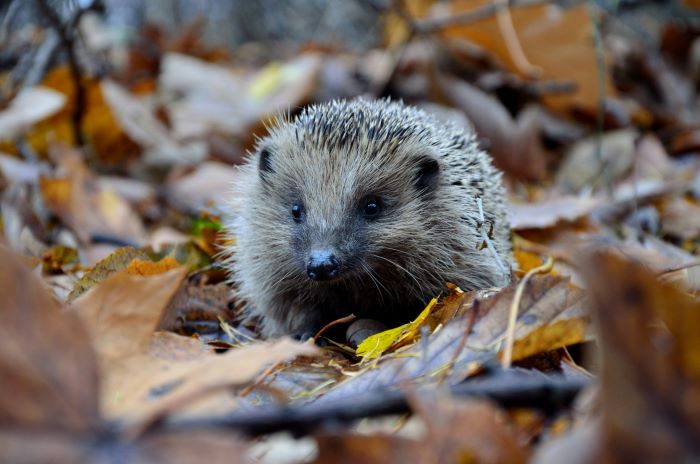
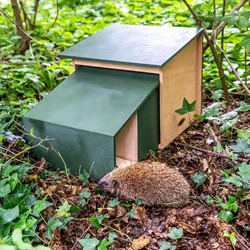
It’s currently Hedgehog Awareness Week (4th – 10th May 2025) and this year’s theme is ‘Give Hedgehogs the Edge!’. In this blog, we will explain what that theme means for our spikey friends and discuss other ways you can support them this year.
Plus, at Really Wild Bird Food we are offering 10% OFF all of our hedgehog products this week - simply enter the code HEDGEHOG10 at the checkout to apply your savings!
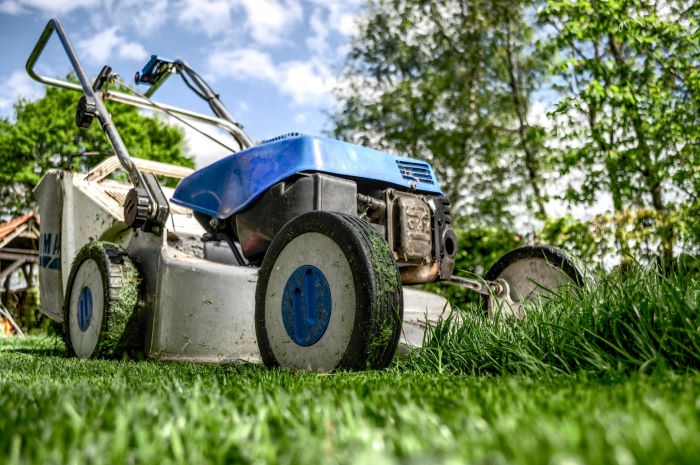
No Mow May is an annual campaign started in 2019 by conservation charity Plantlife. The campaign encourages people to put down their mowers for the month of May in order to let wildflowers and your local biodiversity flourish.
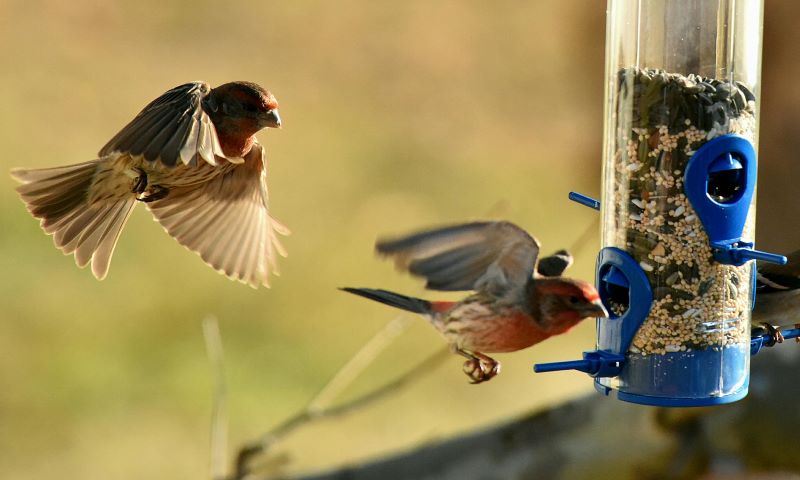
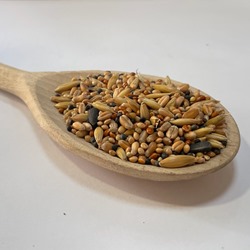
It is a common misconception that, for birds, a healthy diet consists of seeds and nothing else.
It’s true that most birds enjoy seeds, but many bird species have evolved to eat a range of different foods, from seeds to insects to fruit.
So why are seeds such a staple? And what else is on the menu? Read on to find out!
Seed-eating birds tend to have specially-adapted bills that can crack open hard seed coatings and get to the nutritious and tasty interior. For example, birds like finches and sparrows have conical bills that are perfect for munching on seeds.
Pigeons and doves will also happily consume a wide range of seeds, although they are also known to eat insects, fruits and even human food scraps.
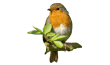
Some birds – like robins, swallows, blackbirds and warblers – don’t have a hard beak to crack open seeds. These birds are known as ‘softbills’ and tend to be insectivorous, primarily eating small insects like beetles, worms, caterpillars and flies.
Softbills will also happily eat fruit, suet and special softbill bird foods like naked oats and mealworms.
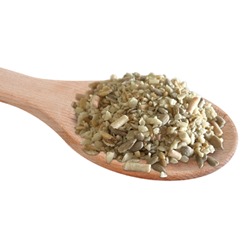
Seeds are packed with essential nutrients that birds need to survive, and different types of seed offer different health benefits to birds. For example, sunflower seeds are an oil-rich source of protein, vitamins and minerals, providing long-lasting energy for garden birds – something that is essential for the colder winter months. The husks of sunflower seeds can even be removed, leaving the ‘sunflower heart’ behind, a treat that even softbill birds can enjoy!
Another reason why birds eat seeds is because they’re often abundant and relatively easy for birds to find. Particularly during the autumn and spring, many plants produce seeds as part of their reproductive cycle, leaving a wide variety of goodies behind for birds to scoop up, store and eat. Plus, compared to other food sources like insects and fruits, seeds are a reliable food source that can be found all year round.
So, next time you’re filling your bird feeders, consider varying the food you put out so that every bird species visiting your garden can find a tasty snack. Here at Really Wild Bird Food, we stock a wide range of different bird feeds, including seeds, mealworms, suet and so much more!
Use the button below to browse our bird food range and treat your garden birds to a proper buffet!