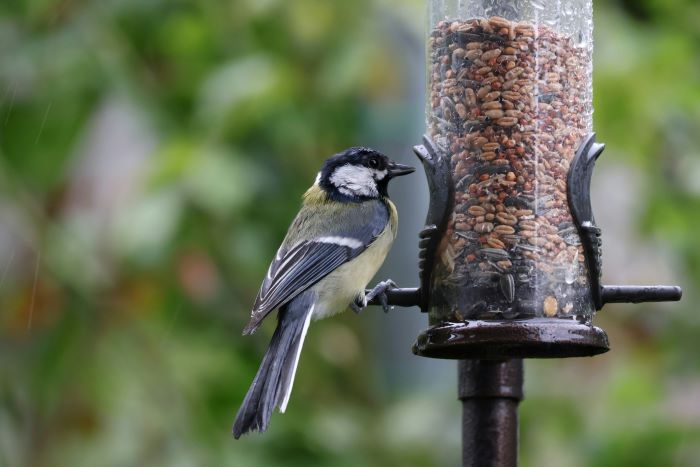
If you’ve set up a new bird feeder in your garden but aren’t getting any feathered visitors, you may be wondering where you’ve gone wrong. This is a common issue amongst bird enthusiasts and can be particularly frustrating if you have spent time and effort creating a bird-friendly safe space in your garden.
This blog will go over some of the possible reasons why your bird feeder isn’t getting any visitors and provide you with some tips and tricks so that you can have the most popular bird feeders in town!
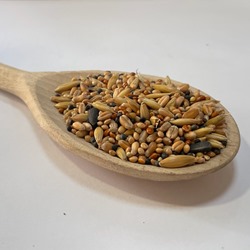
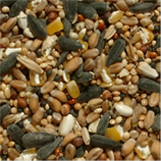
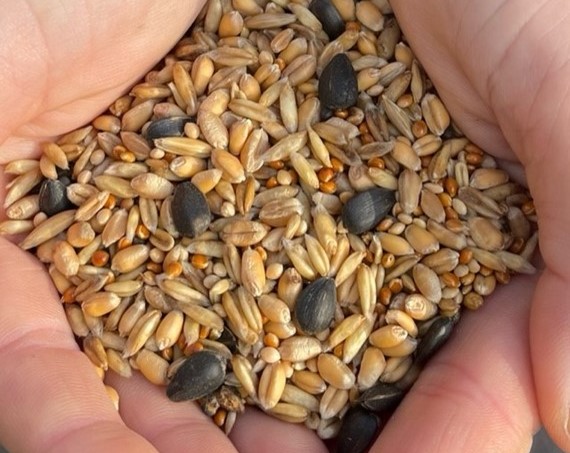
Short answer: bird seed typically stays fresh for 6 – 12 months when stored in a clean, airtight container. The exact shelf life will depend on what type of seed it is.
Let’s look at how long bird seed lasts in different conditions, what you can do to keep it fresh, and when it’s best to start over with a fresh batch.
How to store bird seed
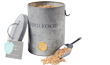
The best way to maximise the shelf life of your bird seed is to decant the seeds into a suitable airtight container as soon as possible after opening them.
Bird food storage tins protect seeds in several ways:
- Protection from the elements. Depending on where they’re stored, bags of bird feed may be vulnerable to rain and external contaminants, all of which can damage the feed and make it unsuitable for consumption.
- A cool, dry environment. This is important because it keeps the seed from getting damp and mouldy, which can make the whole batch unsafe for birds to eat.
- Defence against rodents and insects. If pests like rodents and insects gain access to your bird seed supply, not only will they eat the seeds, they may contaminate whatever is left behind. A sturdy storage container will help to keep them out!
Besides storing your bird food in a dedicated bird food tin, there are a few things you can do to keep your bird feed in tip-top condition while it awaits the feeder:
- Keep the container out of reach of potential pests.
- Stir the feed occasionally to prevent the seeds from becoming stagnant.
- Use up the oldest seed first before adding fresh feed to the storage tin.
How long does bird seed last in the feeder?
How long seed will stay fresh in the feeder while waiting for some lucky bird to devour it depends on a number of factors. Rain and pests will speed up deterioration, and feed that’s damp should be replaced immediately to avoid mould growth.
However, assuming the weather’s fine and the food is inaccessible to rodents and insects, bird seed should last up to about a week in a feeder or on the bird table. After this point, any uneaten feed should be replaced with fresh seed mix.
How can you tell when bird seed has gone bad?
- Obvious signs of spoilage (such as mould, damp, a musty smell or an unpleasant odour) mean it’s time to start again with fresh seed.
- Discolouration may be a less obvious indication of spoilage, but this is another clue that the seed is past its best and should be replaced.
- If the seeds are showing signs of germination (green growth or shoots are a sure sign they’ve started sprouting!) then they should be removed from the tin or feeder.
- Any signs of insect activity (for example, any bugs, larvae or webbing amongst the seeds) indicate the feed is potentially dangerous for birds and should be replaced.
- If the birds themselves show little interest in the feed, this may be a sign they don’t consider it up to snuff and it’s time to give them some fresh food.
- Finally, it’s not just when food has obviously spoiled that it needs to be replaced. The older the seed, the less nutritional value it has. Seeds lose nutrients over time, so it becomes more like a filler food rather than the nutrient-dense feed you had in mind when you bought it. This shouldn’t be an issue as long as you’re using your bird feed within the recommended 6 – 12 month window.
Here at Really Wild Bird Food we have a variety of bird food storage solutions to suit your needs so you never have to worry about your seeds spoiling before your feathery friends can get their share!
We also offer free delivery on any order that includes at least one of our seed mixes, so don’t forget to pair your food storage tin with something tasty to put in it.
Bird Feed Storage Bird Seed Mixes
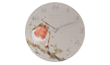
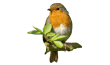
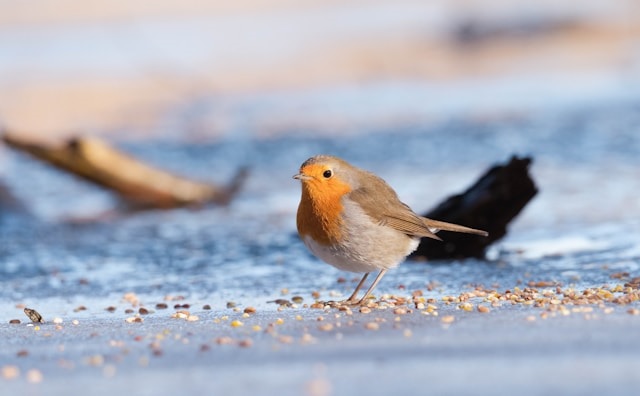
Voted Britain's favourite bird in 2015, taking over 34% of the vote and beating the barn owl (12%) into a distant second place, robins are a familiar sight across Great Britain and Ireland.
The round, red-breasted little birds are most often associated with Christmas, but they're actually present all year round across the islands. Robins can be found in woodland and farmland, and in both urban and suburban settings. Their musical song can be heard day and night (thanks to street lighting)—if you live in the UK, the distinctive sound will almost certainly be familiar to you, even if you never realised it belonged to the robin!
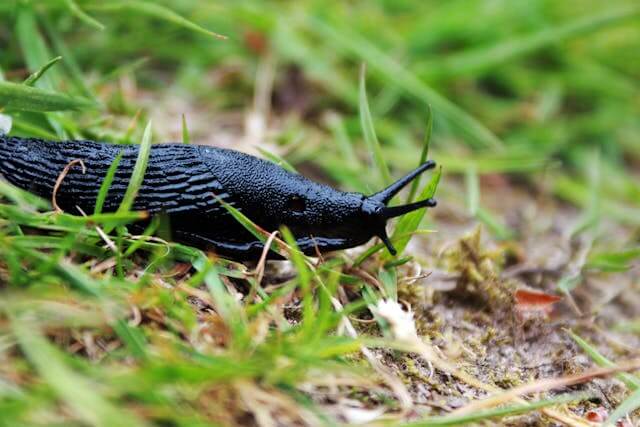
Slugs have always copped a bad reputation in the eyes of gardeners. A new campaign titled Making Friends with Molluscs hopes to change this. The initiative, kickstarted by the Royal Horticultural Society and The Wildlife Trusts, encourages homeowners to consider the positive role of slugs and other molluscs in their garden’s ecosystem.
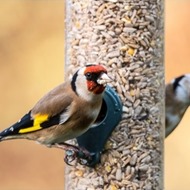
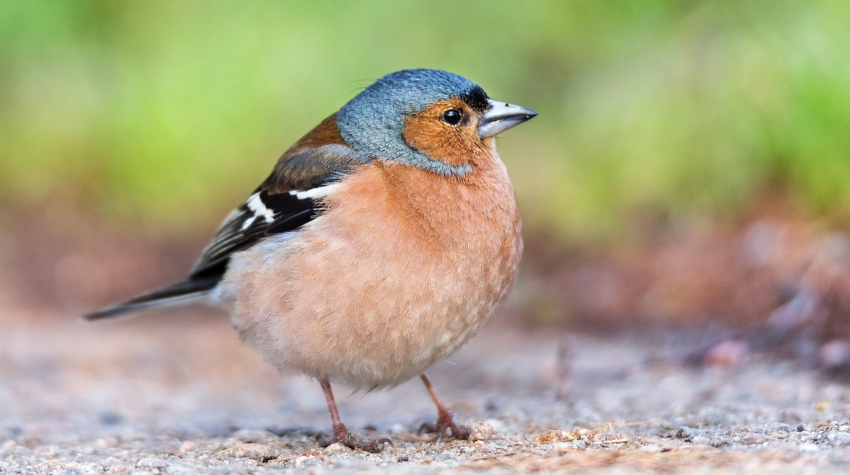
The finch (Fringillidae) family comprises more than 200 different species across a variety of different habitats. In fact, finches can be found in almost every part of the world - the only exceptions are Australia and the polar regions.
FUN FINCH FACT: Did you know that a flock of goldfinches is called a charm? How charming!
As the warm days of summer approach, the dietary requirements of the wild birds in your garden are evolving and changing.
While summer brings an abundance of natural food resources, providing bird food is still important, especially as the warmer months are usually nesting, breeding and moulting seasons for birds. In this blog, we will explore the best bird foods to keep our feathered friends happy and healthy and your garden thriving this summer.
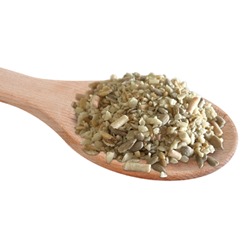
Niger seeds (sometimes called nyger or nyjer seeds) are a popular seed among many wild birds. They can be enjoyed on their own as a tasty snack or as part of a yummy bird seed mix.
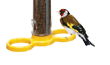
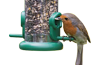
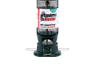
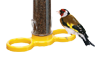
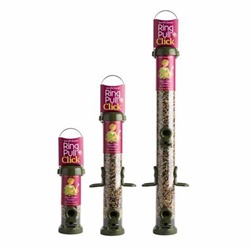
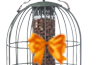
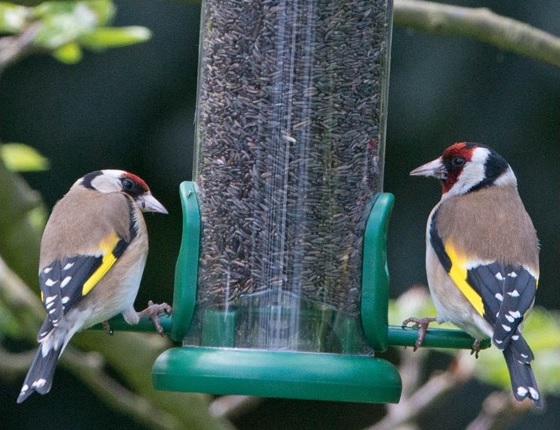
PICTURED: Ring-Pull™ Niger Feeder
Keep reading to discover more about niger seed, including what birds like to eat it and how best to use it.
Wild birds come in a variety of shapes and sizes and have a variety of feeding habits, which is why there are so many different types of bird feeder on the market.
When you're trying to choose the best bird feeder for your garden, think carefully about which birds you're hoping to attract. This will inform your purchase - for example, some birds are ground feeders, whereas others prefer to forage in bushes and trees.
(Of course, you can always set up several different feeders in your garden and attract a wide variety of birds!)
If you're not sure what kind of bird feeder to purchase, read on to learn about the different feeder types and which bird species they are most likely to attract.