

























































Birds Preparing for Winter: How September Signals Change
As September arrives, the natural world begins a gradual transition from summer to autumn. The days become shorter, mornings feel cooler and the landscape slowly starts to change. For our garden and countryside birds, September is an important time of preparation. While some birds are getting ready to leave for warmer parts of the world, others are preparing to remain here throughout the colder months. Each species has its own way of coping with the challenges that autumn and winter will bring.
Preparing for the colder months
For birds that stay in the UK, finding enough food becomes increasingly important. Insects and other invertebrates can become less abundant as temperatures fall, so birds need to make the most of the food available during autumn.
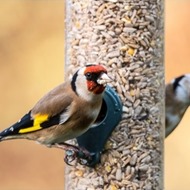
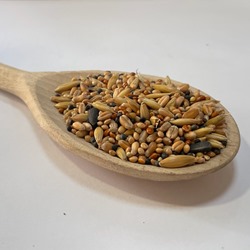
September is a particularly good time to find berries, seeds and fruits. Hawthorn, rowan, elder and blackberry can all provide valuable food for birds. Finches and other seed-eating species may also begin making greater use of seeds and natural seed heads.
This is one reason autumn gardens can be so important. Leaving plants to produce and retain their seeds rather than cutting everything back immediately can provide a valuable natural food source.
Growing a winter coat
Birds also have to cope with falling temperatures. Their feathers provide excellent insulation, trapping a layer of warm air close to the body. Many birds undergo a moult after the breeding season, replacing old, worn feathers with new ones. By autumn, they can have a fresh set of feathers ready to help them through the colder months. Keeping feathers in good condition is essential. Birds spend a considerable amount of time preening, using oil from a gland near the base of the tail to help maintain their feathers.
Finding shelter
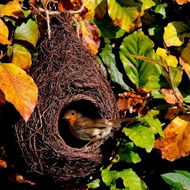
As well as food, birds need somewhere safe to shelter from wind, rain and freezing temperatures. Dense hedges, shrubs, ivy, woodland and evergreen vegetation can all provide useful cover. Garden birds may use bushes and hedges to escape harsh weather and predators, particularly during the longer nights of winter. This is another reason why a slightly untidy garden can be beneficial for wildlife. Fallen leaves, seed heads, piles of natural material and dense vegetation can provide food and shelter for insects and birds alike.
Some birds are getting ready to leave
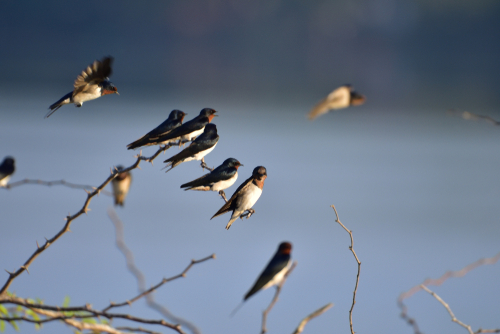
Of course, not every bird will spend the winter here. September is a major period for migration. Swallows, house martins, warblers and other summer visitors begin their journeys south, following food supplies and warmer conditions. Their departure can make the countryside feel noticeably quieter. At the same time, other birds may be arriving from further north to spend the winter here, meaning the species we see can change considerably as autumn progresses.
Storing food for later
Some birds have developed remarkable ways of preparing for periods when food is harder to find. Jays, for example, collect acorns and hide them in the ground, creating food stores that can be used later. Their behaviour also has an unexpected benefit for woodland ecosystems, as forgotten acorns may eventually grow into new oak trees. This is a wonderful example of how the behaviour of individual birds can have a much wider effect on the natural environment.
How we can help
There are several simple things we can do to make our gardens more welcoming to birds as autumn approaches.
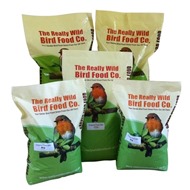
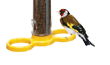
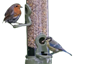
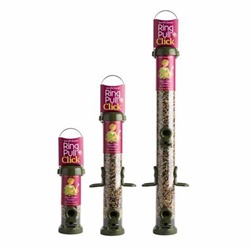
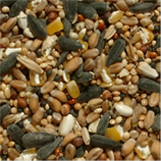
Providing fresh water, growing native plants that produce berries and seeds, and keeping some dense shrubs or hedges can all help. Bird feeders can also supplement natural food supplies, provided they are kept clean and regularly maintained. Perhaps most importantly, we can resist the temptation to make our gardens completely tidy. What may look untidy to us can be incredibly valuable to wildlife
A changing season
September is a fascinating month for birdwatching because it represents a period of change. Some birds are preparing for thousands of miles of migration, while others are settling into the routines that will help them survive the winter.
So, next time you are out walking or looking into your garden this September, take a moment to watch the birds around you. They may be busy feeding, moulting, finding shelter or preparing for a remarkable journey.
Please keep a close eye on what is happening in your garden and if you have any doubts, queries or questions, I will be very happy to help you out in any way I can. You can send me your questions here.
Enjoy and take care of those wonderful birds!
Lesley