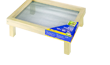
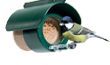
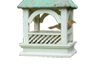
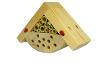
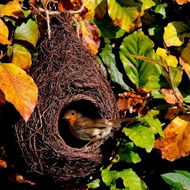
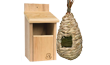
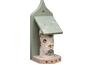
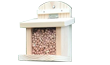
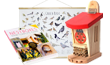
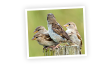
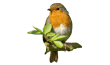
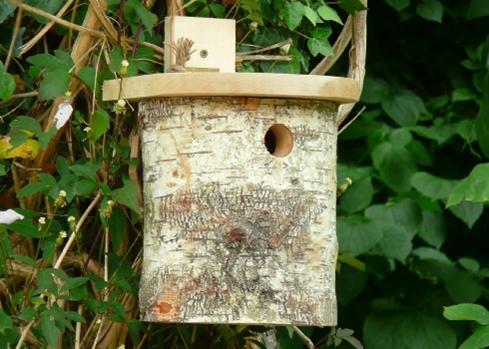
As we begin to see the end of winter and the beginning of spring it is time to check our gardens are good places for birds to thrive. First on the check list is to ensure there is a suitable place for birds to eat and drink, then there is the need to provide adequate nesting boxes.
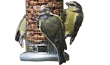
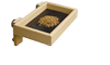
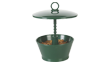
To provide suitable places for birds to eat erect a bird feeding table and position it close to cover like a bush to provide cover in case birds feel exposed to danger of attack in open spaces. Obviously once you have a good bird feeding table you need to stock up with good bird feed that attracts the right birds.
Birds are at their most vulnerable during the winter months, when the weather is harsh and food is hard to come by.
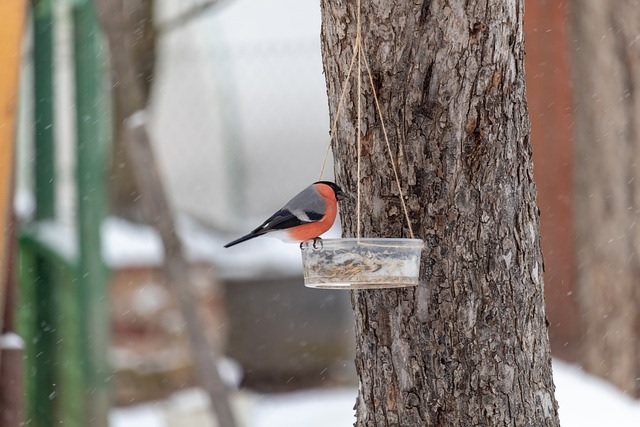
You can help your garden birds to survive the winter by making sure they have access to plenty of food and drinking water. However, this can prove difficult: wet weather may spoil the food in your bird feeders, and if snow or ice accumulates on your feeders over winter, this may render the food inaccessible.
In order to prepare your bird feeders for winter and see your feathered friends through this difficult time of year, here's what you'll need to do...
As the days turn cold, the threats that our feathered friends face increase. The food is scarce during the winter and sustenance during these times is a big issue for them. The birds need to struggle, not only for food but also for making it through the chilly season.
So where do we stand in helping our wild birds survive during these harsh conditions? Small measures by us can do their bit in helping the birds pull through the difficult times. These small measures by us can easily attract the birds to the gardens and help them to a great extent during the chilly days. But is your garden attractive enough to the wild birds?
As we know natural food is scarce during the wet and the cold days as the insect population is less. So it is important to try and create a garden which provides a rich supply of natural foods. The supplementary moist and high protein food will help the adults survive and subsequently sustain fledglings in the nest in the spring. Planting a range of native UK shrubs, trees and climbers will produce berries, seeds, fruits and nuts, nectar and pollen and will also serve as a shelter for the birds with nesting sites and nesting materials.
By simply leaving a few rotting log piles in a shady spot or an area of grass un-mown and messy will help a great deal in increasing the insect population in the garden. This tends to be a vital food source for garden birds which will help in attracting more birds into the garden.
During the freezing days it is important to supply clean fresh drinking water as the birds need to replenish their lost water. But obviously the use of salt, glycerine or anti-freeze should be avoided!
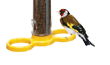
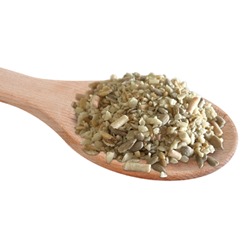
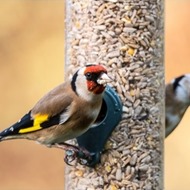
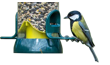
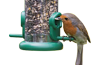
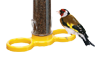
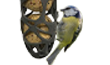
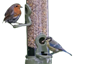
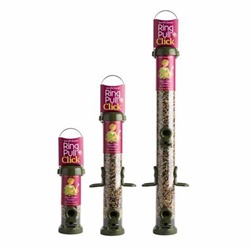
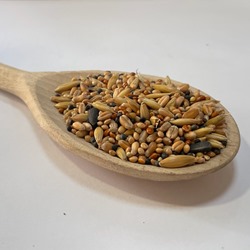
The more the variety of food, the more will be the variety of garden birds. So try offering a range of different bird food types in a variety of different types of bird seed feeders as the eating habits of different birds are different.
Apart from the early mornings, you will also need to restock food in the early afternoons to provide nourishment before dusk since birds need extra energy during the winters as they flap their wings in order to keep warm.
With these small yet vital measures of bird care, you can easily improve your chances of satisfying a variety of different species and enticing them back to your garden time after time!
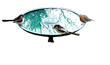
When Bird baths are an artificial pool or shallow basin filled with water, which is made for birds to bathe in, cool off and…unlike for humans!…drink the bath water. Bird baths provide a safe place for wild birds to bathe as birds require bathing to keep feathers clean and flexible and to maintain their skin healthy.
A bird bath provides a reliable source of water for birds and encourages wild birds into your garden.. in the summer to take bath and in the winter to drink ice free water. Hopefully the bird bath will be safe from predators.
A good looking bird bath makes a wonderful feature in any garden and draws a variety of entertaining birds to your garden.
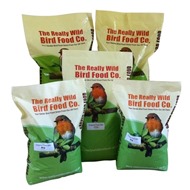
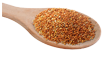
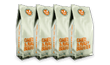
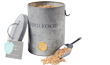
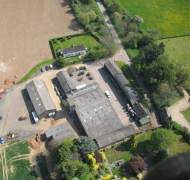
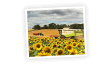
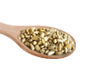
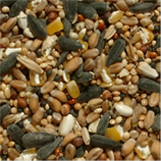
Not so long ago, feeding the birds was simply a matter of hanging up a plastic string of nuts and scattering stale bread. Now, bird tables are groaning under a smorgasbord of Robin Crumble, Finch Mix, insect-flavoured suet blocks and bowls of live mealworms. Even the humble peanut has been overtaken by the sunflower seed in a lofty £180 million bird food industry. Richard and Lesley Smith, owners of the Really Wild Bird Food Company, are one of a handful of producers who sow and grow their own bird seed. Here, on their 400-acre farm, near Bishop's Waltham, in Hampshire, fields of sunflowers light up the downs alongside millet, linseed, oats, rape and wheat. The seed is harvested, cleaned, mixed and packed before being sold online or at the local farmers' market in Winchester.
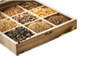
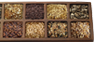
As a farm diversification scheme, growing and selling bird food seems to have taken off. From its early beginnings with just a few home-grown ingredients and a shovel, The Really Wild Bird Food Company is now in its fourth year of trading, with sales increasing even in the recession. ''Garden birds soon become part of the family,'' says Smith. ''Once our customers start feeding their birds they tend to carry on. They also like the fact that the food is fresh, home grown and fully traceable. All our mixes have been formulated to attract as wide a variety of birds as possible. Our most popular 'original' mix has 13 ingredients.''