












Tag: feeding-wild-birds


16 Apr 2026
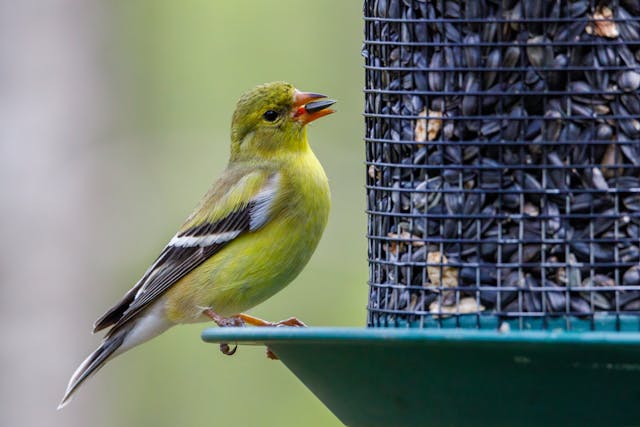
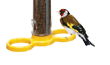
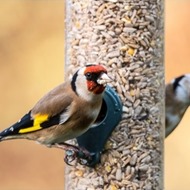
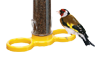
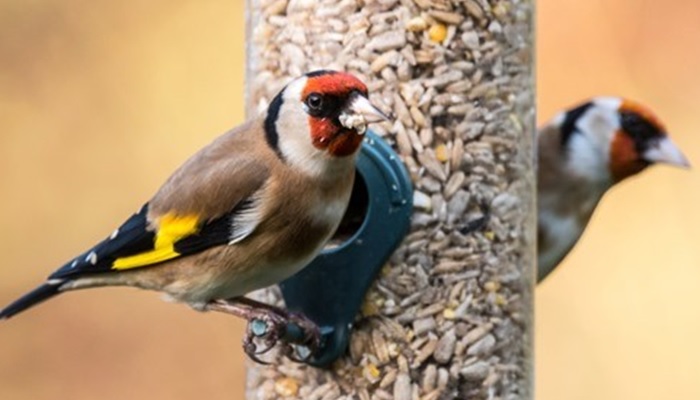
Goldfinches on a bird seed feeder

Our resident vet Lesley responds to the RSPB's controversial new guidance on supplementary bird feeding.

Many of our customers have been in touch asking for advice regarding the RSPB's recent announcement that, in their opinion, supplementary feeding of seeds and peanuts to garden birds should cease between May and October. I would like to set out our position and my personal thoughts on this topic.

Firstly, let me say that from a veterinary perspective and as bird-loving farmers, we do not agree with the RSPB's recommendation that you should stop feeding seeds and peanuts during the summer months. The issue is not what you feed your wild birds; it is how you feed them.

Pictured: goldfinches enjoying our High Energy Blend™ bird seed mix.

We know that if you encourage birds (or any other animals) into close proximity with one another, there is an increased risk of spreading disease – just like children at the start of a school term. For garden birds, this applies to any infectious organism (things like avian pox, scaly leg, gut parasites and bacteria) but it is specifically the infection of finches with the Trichomonas protozoan parasite which has prompted the RSPB's change in position regarding supplementary feeding.

While greenfinch numbers have declined significantly in the last 20 years (the organism has been causing disease in finches since around 2006), there is now evidence that those numbers are recovering. Many of our customers are reporting new sightings of greenfinches and increased numbers returning to their gardens, which is excellent news – and I believe that the hygienic feeding practices we have been advising and promoting for very many years are now making a difference. Things are improving!

However, there is still much to do and we must not become complacent.


Why We Need to Keep Feeding Wild Birds

We all love our garden birds and we have a duty to look after them. That duty of care, however, also extends to feeding them and helping them to survive in what is an increasingly challenging world for them. By this, I mean the significant changes in climate (we in the UK now experience severe drought, persistent flooding and frequent extreme high winds) and the huge decline in natural food availability (insects, invertebrates and natural seeds) as a result of climate change, urbanisation and intensive farming practices.

The breeding season is the key time to ensure success of any species.

Without successful broods of young healthy chicks, bird numbers will plummet. There are already many garden birds whose numbers are in decline: house sparrows, tree sparrows, blackbirds, thrushes and starlings to name a few. These declines are not disease related but climate and environment related, and this is why garden birds have come to rely on us so heavily for supplementary food. If they didn't need the food, they wouldn't be at our feeders.

Take the autumn months as an example. In autumn, most birds leave us! They head off to find natural food sources because they don't need our help. During the breeding months (April to July) they most certainly do need our help. We absolutely will not be restricting their vital food source during these months, and we recommend that you don't either.


The Scientific Bit

With my veterinary hat on, I must also comment on the 'science review' that led to the new RSPB recommendations. It is worth mentioning that this work is currently not peer reviewed. In my opinion, to hold scientific credibility, research work should be peer reviewed before publication.

While the trial did show the presence of the Trichomonas organism on swabs taken from food, feeders and water baths in gardens where diseased birds were present, of particular note is that only seed feeders were swabbed (to my knowledge no other foodstuff was tested) and from a relatively small sample size of 106, the organism was only detected in 1.88% of samples of seed from feeder (2 out of 106) and they did not isolate the organism at all from 108 swabs taken from the actual feeder ports / mesh. Positive detections were much higher, however, in swabs taken from base trays (19%) and water baths (24%). These findings do suggest that water baths and feeder trays / flat feeding surfaces are likely to be the main nidus of infection and we should pay particular attention to those when setting a strategy to minimise the transmission of disease.

Sick birds will often spend prolonged periods of time just sitting on feeder trays or water baths (or the ground) trying unsuccessfully to eat and drink, regurgitating contaminated saliva. The Trichomonas organism thrives best in damp, unhygienic conditions and can be killed quite easily by heat and drying. This is why more diseased birds are seen during the colder, wetter winter months.


What to Do Now

It is very important that we all continue to do the right thing by our garden birds and just revisit our home setup to minimise the risk of spreading disease in and around feeding areas and water baths. I will be writing more on this topic in the near future, but here are my headline recommendations to help you look after your garden birds:

  • Continue to feed high-quality, high-energy food (including seeds, peanuts, suet and mealworms) during the breeding season in particular. Opt for no-mess, husk-free seed mixes. Also, live mealworms are a particularly good choice for the breeding season because they're high in protein and moisture and easy for adults to transport back to the nest.

  • Feed according to demand. We recommend filling your feeders on a daily basis, and only putting in as much food as your birds will consume in one day. Putting fresh food out every day is better for the birds, plus it will mean that you notice right away when your feeders need cleaning!

  • Clean all feeders weekly. We recommend using easy-to-clean hanging feeders whose ports and bases can be easily removed for a more thorough scrub. Browse our easy-clean feeder range here.

  • Don't attach seed trays to the bottom of feeders. Sick birds will often sit on seed trays for prolonged periods and these can act as reservoirs of infection.

  • Avoid using the flat surface of bird tables or flat ground feeders (unless they can be regularly cleaned). Sick birds can sit for prolonged periods on feeding tables, drooling saliva that's contaminated with the protozoa. This can then infect healthy birds visiting the table for up to 5 days, so avoid leaving this potential reservoir.

  • Relocate your feeders on a regular basis. You should also make sure the areas under your feeders are brushed or scraped up as frequently as possible (but at least once a week).

  • Avoid using multi-feeder feeding stations that encourage large numbers of birds to congregate in close proximity. Instead, place individual feeders in separate locations, and as noted above, remember to clear up the area underneath each feeder regularly.

  • Be extra-vigilant about bird bath hygiene. As the results above show (a 24% isolation rate), bird bath hygiene is absolutely critical for the continued health of your garden birds. Swap out any large, heavy, difficult-to-clean bird baths for smaller baths that can be easily brought indoors for scrubbing. Birds love to poo in their baths, so please make it part of your daily ritual to throw out the dirty water, give the bath a quick scrub, and replenish with clean water. Your garden birds will thank you!

  • Help your family. We know how much our older relatives love their garden birds and how much pure enjoyment they get from their company. Often it is not easy for them to take down feeders, move feeders or clean them easily. So if you (or the grandchildren!) are able to give a helping hand, it can only be to the benefit of the local wild birds.

  • Rest up during the autumn months. As mentioned above, bird numbers in our gardens start to decline naturally (depending on the weather) from August / September through to November, when they can mostly fulfil their needs elsewhere. This is therefore the most suitable time to scale back your bird feeding efforts

As many of our customers know, I am a vet with a First-Class Honours degree and I do have many years of experience feeding wild birds. It is a fact that no two gardens are the same, no two bird populations are the same and no two days are the same! But one thing that is the same is our love of garden birds and our desire to do our very best for them.

Please keep a close eye on what is happening in your garden – and if you have any doubts, queries or questions, I will be very happy to help you out in any way I can. You can send me your questions here.

Enjoy and take care of your garden birds!
Lesley
Visit Our Bird Seed Shop

26 Mar 2026
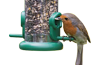
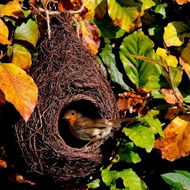
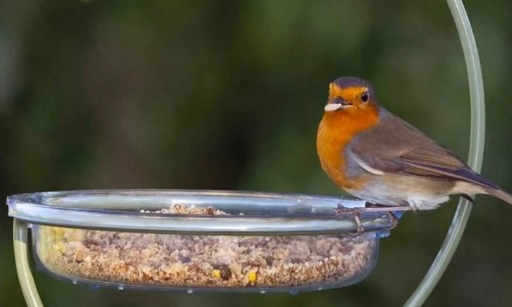
Robin redbreast feeding from an easy-to-clean treat dish

SHORT ANSWER: Yes! Feeding wild birds is a great way to support them – just make sure you're doing it responsibly.

A recent press release from the RSPB has received a lot of news coverage and caused no small amount of alarm. It warns nature lovers not to feed seeds or peanuts to their garden birds between the start of May and the end of October. Why? To help stop the spread of disease among British birds.

This certainly hasn't come out of the blue. Concerns about avian diseases, overcrowding, and the impact of human feeding habits have been raised loudly and repeatedly over the past few years. One might easily get the impression that the bird feeders in our gardens are actually doing more harm than good.

Now, as a qualified vet, I'm all too aware of the problems that poorly-maintained feeding areas can cause for wild bird populations. However, please be reassured that there's no need to stop feeding your feathered friends, who need your help now as much as ever!


PICTURED: I Love Robins® Easy-clean Hanging Treat Dish


Why feeding the birds is important

Garden feeding plays a key role in supporting British bird populations, particularly in urban and suburban areas where natural food sources tend to be in short supply.

A reliable source of high-energy food can make a real difference for many UK bird species, especially during the nesting season (March to September) as well as the cold winter months.

So feeding itself isn't the problem. The problem is hygiene.


Where the concerns come from

When large numbers of birds gather around the same feeding station, diseases can spread easily. Contaminated feeders, droppings, and leftover food can all contribute to the transmission of illnesses such as salmonellosis.

This is why some experts have raised concerns – not because feeding birds is a bad idea in itself, but because too many people aren't doing it hygienically.


How to feed birds safely

Practising good feeder hygiene is crucial to feeding birds safely and minimising the risk of disease.

Here are some expert tips:

  • Clean and disinfect your feeders regularly. See How to Clean & Disinfect Bird Feeders for details. (You might want to consider replacing your current feeder with an easy-clean bird feeder to make this job easier.)

  • Remove old food before it gets mouldy. Don't leave the same food in your feeders for more than a week. Any damp food should be replaced immediately.

  • Use a scraper tool to keep your feeding station free of bird droppings.

  • Move your feeding station to a different spot every so often. This will help to prevent droppings and uneaten food from building up in one specific area.

  • If possible, place multiple bird feeders in different spots to avoid overcrowding.

  • Fill your feeders with no-waste bird food to reduce mess on the ground.

  • Keep any bird baths clean and topped up with fresh water.

These small steps will make a big difference to the health of your local bird population.


Keep feeding those birds!

As long as you follow good hygiene practices, feeding wild birds remains a positive and beneficial activity.

Recent warnings may have given you pause for thought, but the correct response is not to stop feeding your birds altogether. By keeping feeders clean and managing your feeding area carefully, you can continue to support your local wildlife without spreading disease.

Feeding wild birds is an easy way to feel closer to nature. With the right approach, it can be both safe and rewarding. If you're unsure where to start, or if you want to improve your bird feeding setup, explore our range of bird feeder cleaning products and feeding solutions — or drop me a line and I'll be happy to offer whatever advice I can!

Bird Feeder Cleaning Products   Ask a Question

This article comes from Lesley Smith, Really Wild Bird Food's co-founder and resident vet. Lesley frequently draws on her experience as a veterinary surgeon to provide guidance for customers who are concerned about the health of their garden birds. If you're interested in learning more about wild bird diseases, you can read more on the topic from Lesley here.

LAST UPDATED: 13th April 2026

19 Jun 2025
top 10 bird feeding mistakes


Feeding the birds is a fun and very rewarding activity, but it’s also an important responsibility. Providing bird food means that the health of your local wildlife is in your hands. Don’t worry though – you can help protect these birds by avoiding common bird feeding mistakes.

Below are the top 10 bird feeding mistakes that people tend to make when they start feeding the birds, as well as our expert advice on how to avoid them.

18 Mar 2023
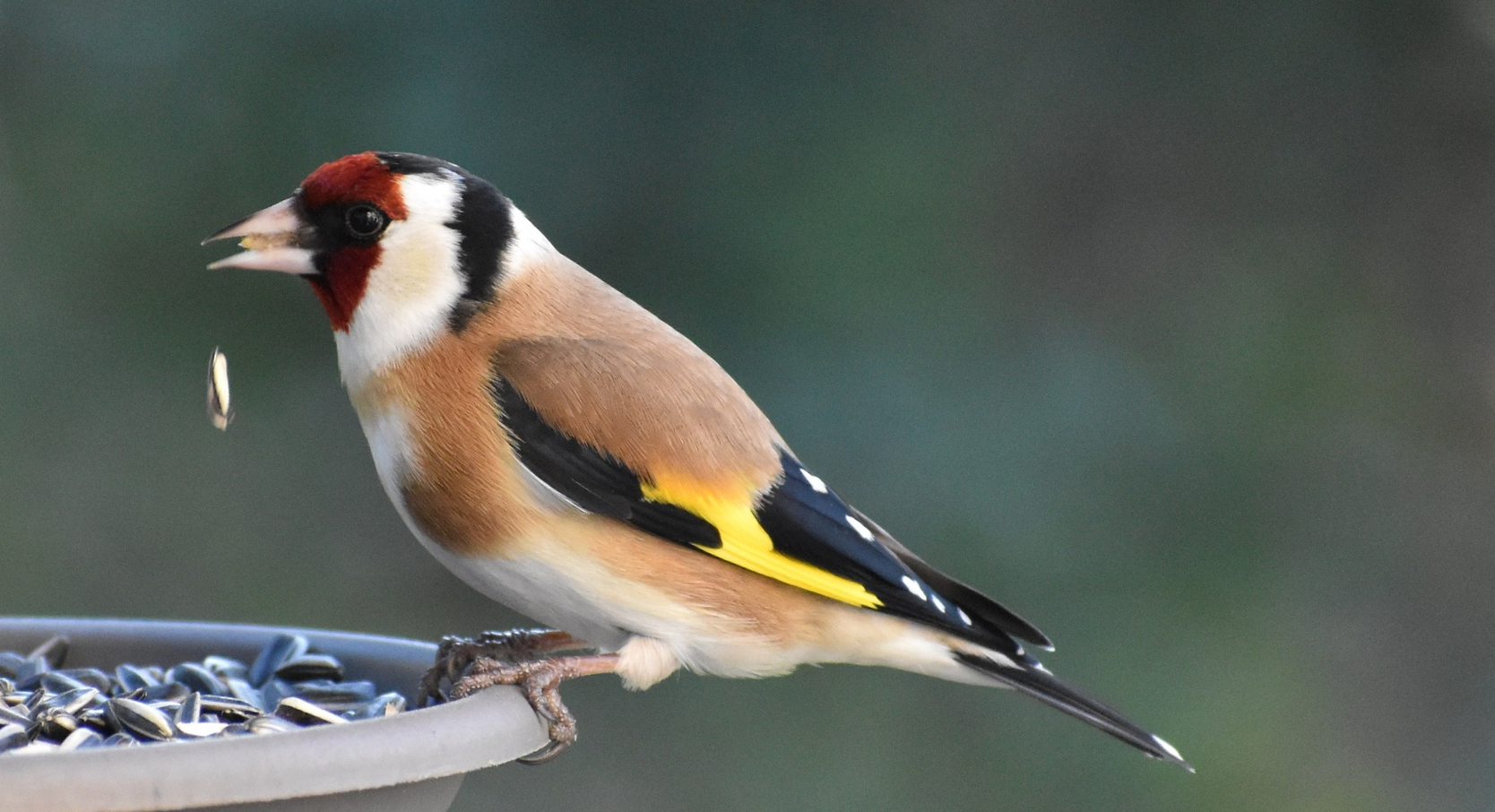
goldfinch eating sunflower seeds

Sunflower seeds are a highly nutritious snack loved by all manner of wild birds! Sunflower seeds are packed with a wide variety of valuable nutrients including iron, magnesium, and vitamins A, B, C, and D.

Sunflower seeds are also a great source of healthy oils and fats which are great for helping wild birds maintain a healthy weight, especially during the difficult winter months.

As well as being very nutritious, sunflower seeds are also super yummy! Wild birds can’t get enough of their delicious taste! If you put sunflower seeds out in your garden, these are just a few of the wild birds you might expect to pay you a visit:

03 Jun 2020
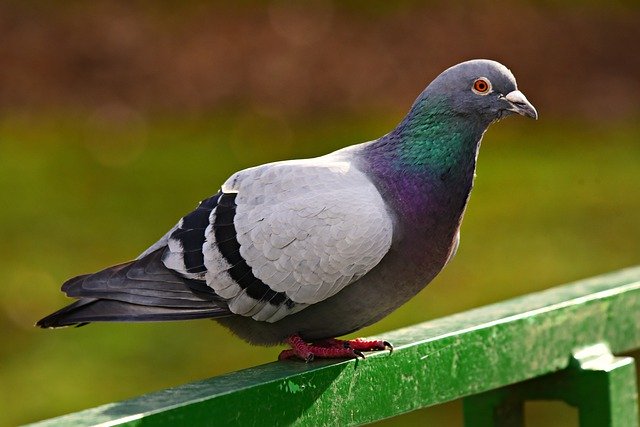
Pigeon

Pigeons are the bullies of many a back garden. They are significantly bigger than most garden birds, and they often use their size advantage to monopolise our seed feeders and hog all the food for themselves.

If you're tired of chasing pigeons away from your bird table, there are a number of steps you can take to deter them. Follow these helpful tips from the Really Wild Bird Food team...

21 Feb 2019
woodpecker

We love hearing our customers' tales of their garden birds when they phone or email to place an order.

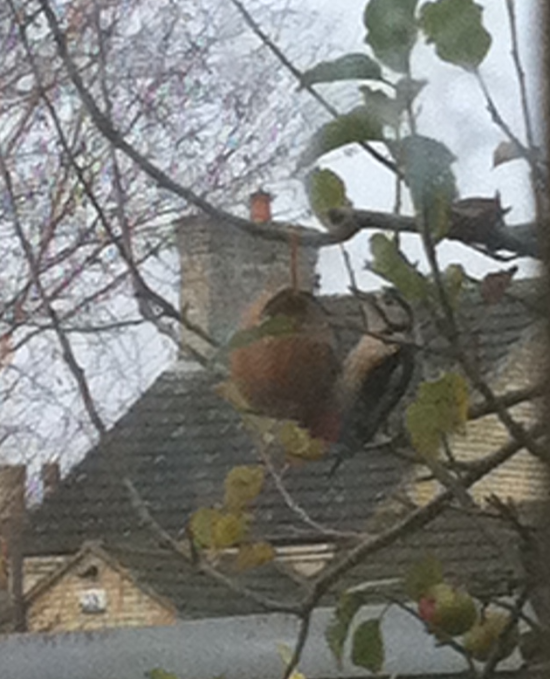
Susan Thompson phoned recently, and we were pleased to hear that she had seen a couple of Great Spotted Woodpeckers in her garden, one of them possibly a juvenile. She was concerned that they seemed hungry but couldn't access the peanuts in her squirrel-proof peanut feeder, however, they had been feasting heartily on a suet-filled coconut and hadn't yet discovered the multiple suet block holder on the other side of the garden.

Susan sent us this snap of the woodpecker on the coconut feeder, with apologies for the condensation on the window making the image slightly unclear. Of course, if she had opened the window or stepped outside to take a photo then the subject would have flown off instantly. Bird photography is notoriously difficult! She is hoping to have better luck in the summer when she can sit outside quietly in a corner. 

04 Aug 2013
are window bird feeders safe

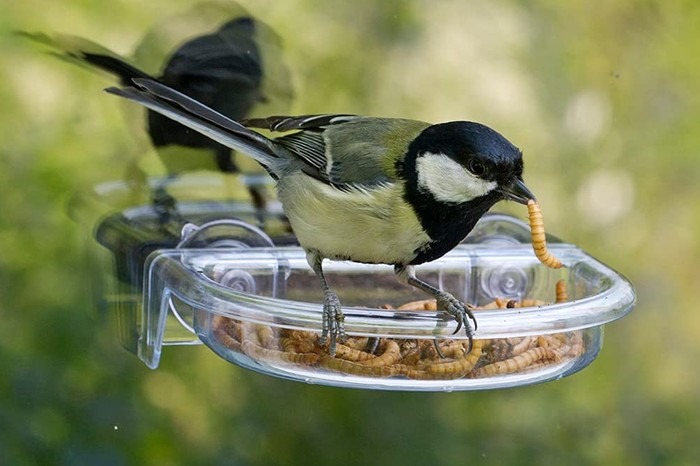
Window bird feeders are perfect for bird lovers who don’t have enough space for a large bird feeding pole or table but still want to feed their local birds. These feeders come in a variety of different designs and are usually attached to the window with a strong suction cup.

However, it is estimated by the British Trust for Ornithology that up to 33 million birds die in the UK each year from collisions with windows. This begs the question: do window feeders perpetuate this issue by encouraging birds to fly close to windows for food? Are window bird feeders safe for our feathery friends? Keep reading to find out!

Are Window Bird Feeders Dangerous for Birds?

Most window feeders are actually designed to reduce the risk of window collisions. Window feeders help birds recognise the solid surface of the window, thus reducing the risk of collisions caused by reflections.

Also, if the feeder is placed close to the window, even panicked birds are less likely to gain enough speed to injure themselves if they fly into the glass after eating. This is why it is recommended to place all kinds of bird feeders within 3 feet of windows as birds approaching a feeder to eat will fly in at a very different angle compared to birds that are trying to fly through the window, believing there is a tree or tunnel in the distance.

However, if your window feeder becomes particularly busy, there is still a chance that nervous birds will scatter and see a reflection in the window that they will try fly towards, causing window strikes. For tips on how to prevent accidents like this from happening, check out the list below!


Window Bird Feeder Tips

  • Using dots, decals or other window alerts will help birds recognise glass barriers and avoid collisions.

  • Always elevate your window feeders at least 5 feet off the ground to protect your local birds from predators like cats.

  • Position your feeder near a natural shelter like a bush or tree so that they can quickly escape if they sense danger. This will also make them more likely to visit!

  • Avoid placing your window feeder near high traffic areas like living rooms or kitchens where movement and noise may scare birds away.

  • Make sure you clean your window feeder at least once a week to protect your garden birds from diseases.


Benefits of Window Bird Feeders

  • Window feeders are a great option for people who live in a flat or building with no outdoor space.

  • Window feeders allow bird lovers to see their favourite garden birds up close without disturbing them.

  • A huge variety of birds enjoy using window bird feeders, so you’re sure to see a variety of your local birds.


So, are window bird feeders safe? Yes! Window bird feeders offer a safe way to get up close and personal with your favourite garden birds while also protecting them from window collisions.

To see our full range of window feeders, click button below and if you have any further questions about the safety of window feeders or any of our other bird feeding products, please don’t hesitate to get in touch and a member of our team will be happy to help.

Shop Window Feeders  Contact Us

28 Mar 2013

Raisins attract a variety of birds to your garden. These are nutritious for them and are loved by many birds as well as hedgehogs and squirrels. Bird feed often includes raisins in the blend. But did you know that these are very harmful for the pets? Raisins pose a potential threat to the health of the cats and dogs and if consumed by the pets may lead to grave problems such as kidney failure. This is because of the presence of possibly some particular toxin that leads to such renal failures amongst the pets. Those who have cats and dogs as pets should be very careful when it comes to handling bird feed that contains raisins.

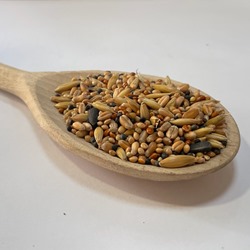
At Really Wild Bird Food we have added a new blend of bird feed to our range that is raisin free and thus absolutely safe to use with pets around. This bird feed blend includes flaked maize and home grown and rolled naked oats, pinhead oatmeal, peanut granules, white millet and the plumpest sunflower hearts which makes this bird feed blend a high energy feed and very healthy and nutritious for the birds. This blend is best suited for a number of ground feeding birds such as robins, thrushes, blackbirds, dunnocks and finches and can be used all year round.

Those who do not have pets can go for the Ground Blend which is a fruit and nut muesli for ground feeding birds and is packed full of succulent raisins. Raisins are loved by birds such as blackbirds and thrushes and this blend is great for all such raisin lovers.