














Author: elanor


09 Jan 2026
Colour in your garden

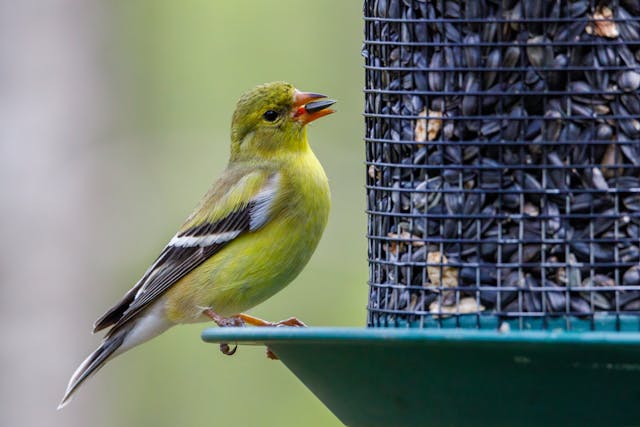
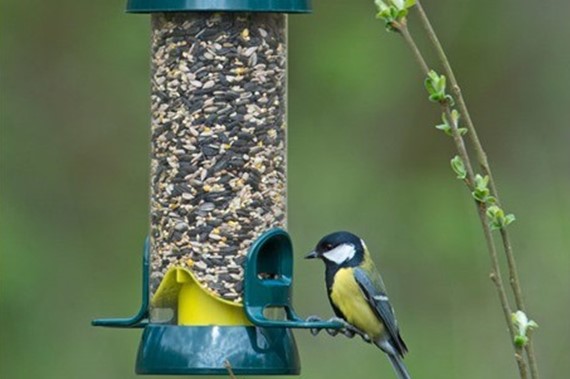
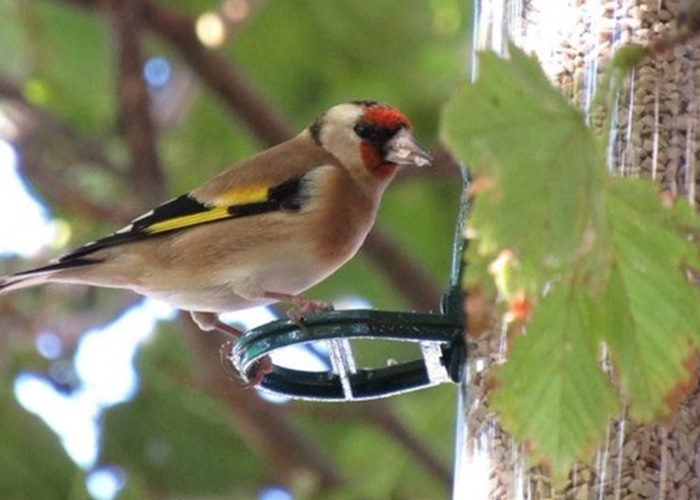
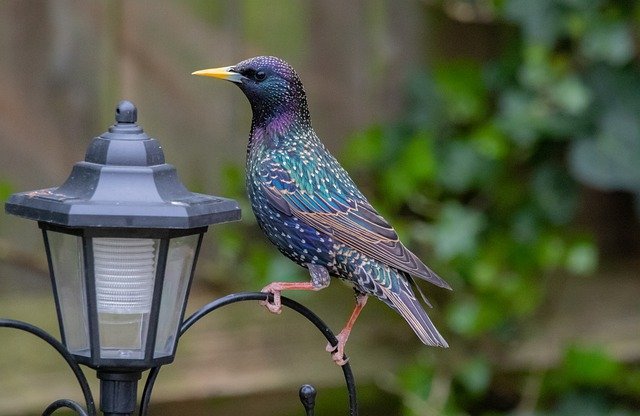
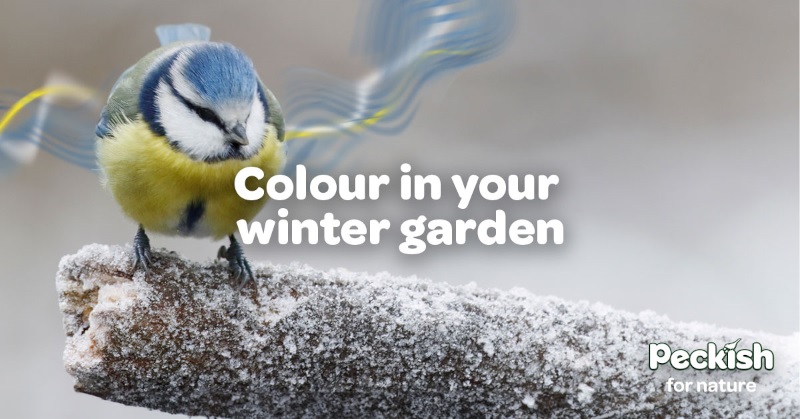
Have you seen the new Peckish TV advert yet? It’s all about using bird food to colour in your garden with vibrant winged wildlife!

Birds need a little extra help in winter to stay energised, so now is the perfect time to start feeding the birds. This is an easy and fun activity that can bring more colour to your garden and your neighbourhood in general.

The new Peckish campaign encourages viewers to colour in their gardens by feeding the birds. However, it can be tricky to know where to start. We’re a distributor with years of experience helping feed wildlife, so we’re happy to help – here’s everything you need to colour in your garden this year!


How to colour in your garden

1) Choose a bird feeder

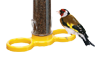
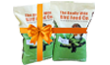
We sell a variety of Peckish bird feeders that can add a bit of colour to your garden. You’ll even get free delivery on your bird feeder if you also buy one of our nutritious home-grown seed mixes.

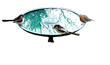
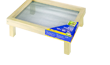
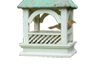
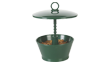
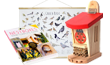
Here’s a tip: some birds are picky about how they feed. Birds like robins and chaffinches are ground feeders, which means they prefer to peck from a flat surface. The Peckish Everyday Bird Table features a roof (which provides shelter for birds while they eat) and is very easy to assemble. Some ground-feeding birds may prefer a table that is closer to the ground, but many will happily eat from an elevated table. Plus, the classic wooden table will make a lovely addition to your garden!

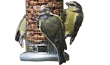
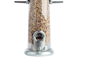
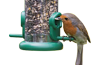
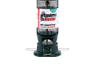
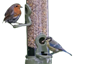
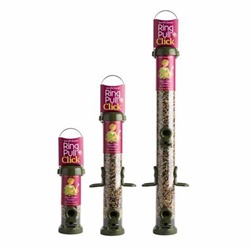
If you don’t have space for a freestanding bird table, you can still attract plenty of colourful birds with a hanging feeder, like the Peckish All Weather Large Seed Feeder. It is ideal for rainy UK winters and easy to fill with delicious bird seed.

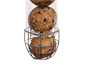
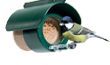
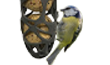
Peckish also offer a couple of more specialised feeders, like their sunflower heart and suet ball feeders. If you want to attract lots of different birds, your best option is to use a few different types of bird feeder.

With so many wonderful options, your garden will be more colourful before you know it!


2) Choose some bird food

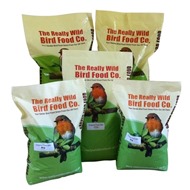
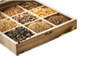
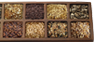
You can’t colour in your garden without bird food. Providing nutritious and healthy seeds is the quickest way to draw in a crowd of new feathered friends. At Really Wild Bird Food, we offer a huge range of seed mixes, from our eco-friendly EnviroMix to our Ground Blend, which is specifically formulated for ground-feeding birds!

If you’re a little overwhelmed by all the choice, you can’t go wrong with our best-selling Tidy Garden Mix. Unlike some mixes, which may leave a mess of shells or cause weeds to grow around your feeding area, this mix only includes ingredients that won’t sprout. It’s foolproof and beloved by a wide variety of garden birds.

Another tip: birds don’t just eat seeds! In nature, many birds eat insects. You can put out live mealworms for your birds, but we know this can be a bit daunting if you are just starting out so we also offer dried mealworms that don’t wriggle around.

Suet – available in the form of fat balls or suet pellets – is another popular treat for birds. It’s full of fat, which healthy birds need to stay warm (especially at this time of year). Our Seed and Suet Combo mix offers birds a balanced, high-energy diet.


3) Take care of your local birds

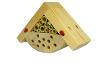
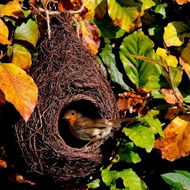
Setting up a feeder and filling it with bird food is a really good start, but there are a few more small steps you can take to care for your new avian visitors. You should provide water for drinking and bathing, clean your bird feeders regularly, and offer plenty of places for birds to rest or hide. Nesting boxes give birds shelter from predators and bad weather, and many of them have fun designs that can improve the look of your garden.

Feeding the birds is a lovely way to make your garden more colourful, but by taking these extra steps, you can be sure that you are doing your best to properly care for the wildlife around you. Preserving your local bird species by providing food, water and shelter can be incredibly rewarding.


Ready to colour in your garden?

You can colour in your garden by following the instructions above! We hope you enjoy seeing new, beautiful birds flock to your filled-up feeders. And remember: we offer FREE DELIVERY if your order includes one of our seed mixes!

Shop Bird Food

Read these guides for even more useful information on feeding the birds:
26 Jun 2025
bird feeder maintenance

Look after your feeding station by cleaning regularly and refilling it daily. Read on for more useful bird feeder maintenance tips!


What’s a Bird Feeding Station?

A bird feeding station is a device that lets you hang multiple bird feeders in one place. Most bird feeding stations look a bit like a coat rack, with many arms for hanging feeders, though some feeding stations can also support feeding trays at the same time. You can build your own with a sturdy pole or buy ready-made bird feeding stations for your garden.

Whether you’ve got a full feeding station with a plethora of feeders, or just a single feeder on a branch, proper cleaning and maintenance is crucial.

19 Jun 2025
top 10 bird feeding mistakes


Feeding the birds is a fun and very rewarding activity, but it’s also an important responsibility. Providing bird food means that the health of your local wildlife is in your hands. Don’t worry though – you can help protect these birds by avoiding common bird feeding mistakes.

Below are the top 10 bird feeding mistakes that people tend to make when they start feeding the birds, as well as our expert advice on how to avoid them.

23 Apr 2025
Benefits of feeding birds

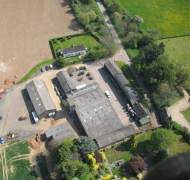
At Really Wild Bird Food, we’re no strangers to feeding birds. In fact, we’ve been providing Britain’s birds with nutritious and tasty meals since the nineties! On Street End Farm, just outside of Hampshire, we grow all sorts of healthy food for a variety of different garden birds.

Whether you’re looking to help out your local bird population or just enjoy a spot of bird watching, here are some of the key benefits you can reap by putting a bird feeder in your garden.


What are the benefits of feeding birds?

  1. Helping your local birds
  2. Protecting your garden from bugs and weeds
  3. Pollinating your flowers
  4. Watching the birds
  5. Keeping UK bird species off the endangered list


1. Helping your local birds

Your local birds may struggle to find sources of nourishment, especially if you live in a built-up area. Providing high-calorie foods for your local birds can be a literal lifesaver (especially during the winter months, when natural food sources are at their most scarce).


2. Protecting your garden from bugs and weeds

Birds are great for your garden! For one thing, they will sometimes eat seeds that would otherwise have grown into weeds. Draw birds to your garden with a feeder, and they might pick up a few extra snacks along the way. This prevents the weeds from growing and ruining your lovely flower beds. You might also attract birds that eat slugs, such as starlings, robins and blackbirds. This can be handy if those slimy so-and-sos have been treating your garden like an open buffet.

While birds may naturally flit through your garden on occasion, the best way to get them to eat your bugs and weeds is to properly invite them to your garden with a good meal.


3. Pollinating your flowers

For the most part, we associate pollination with bees. While protecting bees is still very important because they are great pollinators, there are also some birds who can pollinate flowers too. This is great, because pollination is super important for the flowers in your garden. It’s also crucial for food production!

Birds pollinate flowers when they are trying to eat nectar. While the most well-known avian pollinator is probably the American hummingbird, there are UK birds that occasionally enjoy nectar too, like blue tits. You may see goldfinches burying their long beaks inside teasel flowers to get at seeds! When birds stick their beaks into a flower, pollen will get stuck along the beak. This can then be transferred to other flowers, pollinating them.

SEE ALSO: Planting Wildflowers in Your Garden


4. Watching the birds

There are good reasons why bird-watching is such a popular hobby: it’s relaxing, it’s entertaining, and it can help you feel closer to nature. Birdwatching can even help you to improve your mental wellbeing! Once you’ve set up a feeding station in your back garden, you can simply sit and enjoy the sight of the birds – or you can hone your ornithology skills by keeping a list of the different kinds of birds you see! People with restricted mobility can enjoy this accessible hobby from the comfort of their own home or garden.

This is one of the major benefits of feeding the birds. If you’ve never experienced the thrill of running to the window to spot an unusual bird in your garden, then you really should give it a try. 


5. Keeping UK bird species off the endangered list

While you might not see any immediate benefit from this on a personal level, this is possibly the most important point on this list. In the long run, preserving diversity in bird species is incredibly important for the ecosystem.

Birds help keep the population of small creatures they eat (like mice) from becoming a problem. Birds are also prey for a lot of wildlife. The loss of even one species of bird can have a significant impact on our entire ecosystem. By feeding your local birds – and putting up nest boxes to give them a safe place to rest – you can contribute to the preservation of bird populations.

SEE ALSO: Endangered UK Birds & How You Can Help Them


How to start feeding the birds

Interested in the above benefits of feeding birds? It’s really easy to turn these ideas into a reality. You can start feeding birds healthy and nutritious food with very little effort.

Firstly, pick out a bird feeder that suits your garden. We offer a great range for you to choose from, including both hanging feeders and bird tables. You might also consider putting up nesting boxes, which can offer your birds a place to shelter. It's also important to put out some clean water for birds to drink and clean with!

Once you’re ready to start shopping, simply click the button below to discover our huge range of bird seeds.

Shop Bird Food   More Bird Feeding Tips

19 Mar 2025
are sunflower hearts good for birds

Yes, sunflower hearts are good for birds! Sunflower hearts (that is, sunflower seeds with their husks removed) provide essential nutrition and calories, which is particularly important during winter but can be helpful all year round. A wide variety of birds enjoy eating sunflower hearts, so if you put some out in your garden, you should find that they disappear very quickly!

Read on for more reasons to feed sunflower hearts to your garden birds.


Sunflower hearts are high in calories.

Wild birds require high-calorie foods like sunflower hearts (which are rich in oil and protein) to survive cold spells and keep themselves warm. In the UK, this is relevant throughout the year because of our famously unpredictable weather — you never know when the temperature is going to plummet!


Sunflower hearts are easy to eat.

Whole sunflower seeds are also high in calories, but sunflower hearts have the added benefit of being easier for birds to eat. Some birds struggle to remove the shells from sunflower seeds, so why not do the job for them and put out sunflower hearts that have already had their shells removed?

Put simply: by offering shell-free sunflower seeds, you’re enabling a wider variety of birds to access the health benefits of sunflower hearts!


Sunflower hearts make less mess.

On a related note, sunflower hearts aren’t just good for birds – they’re also good for your garden! The shells (or husks) from sunflower seeds will often end up littering the area beneath your feeding table or bird feeder. This can be messy to look at and could also potentially attract pests.

Rather than wasting time cleaning up all of those shells, go with sunflower hearts. These are great for staying tidy (which is why they’re a key ingredient in our best-selling Tidy Garden Mix™).


Sunflower hearts are perfect for combining with other seeds.

Just like humans, birds require a varied diet. Sunflower hearts are good for birds, but an even better option is to offer a seed mix that combines sunflower hearts with other nutritious ingredients. This way, birds can enjoy the healthy fat and energy provided by sunflower hearts, while still getting vital nutrients and minerals from other seeds.

By including sunflower hearts in your seed mixes, you are helping birds to enjoy a high-energy, healthy diet!


Ready to start serving sunflower hearts?

As we’ve established, sunflower hearts are very good for birds when they are enjoyed as part of a varied diet. High-calorie bird feeds like sunflower hearts help to keep our feathered friends in robust health, especially during the winter and other cold periods.

If you want to add some sunflower hearts to your bird feeding station, we’ve got some great options for you here at Really Wild Bird Food. We offer premium sunflower hearts, as well as sunflower heart chips for smaller birds and fledglings. Use the buttons below to shop healthy sunflower hearts for your garden birds.

Premium Sunflower Hearts   Sunflower Heart Chips

23 Jan 2025

Unfortunately, many of Britain’s favourite feathered friends are becoming more difficult to spot due to declining bird populations. Endangered UK birds are threatened by issues like global warming, disease, and food scarcity.

In the UK, the Birds of Conservation Concern (BoCC) system is used to sort bird species into three different lists: Red, Amber and Green. The Red List comprises the UK’s most endangered birds, many of which are at risk of extinction.

All three lists are updated periodically, to give an accurate impression of which birds are currently at risk. Sadly, the picture is getting bleaker as time goes by; the most recent edition of the Red List (published in 2021) featured eleven more birds than the previous one.

Read on to learn about some of the UK’s most endangered bird species, as well as what can be done to help them.

1) Starling

Found in UK gardens, starlings are excellent mimics!

If you have a bird feeder, you might be surprised to see starlings on this list. After all, they are fairly common visitors to UK gardens. However, their population has drastically declined since the 1980s. This fast rate of decline is extremely concerning and has earned them a place on the Red List.

It’s been suggested that this decline is due to pollution and food scarcity caused by rising temperatures. Starlings eat a wide variety of foods, including spiders and moths, as well as nutritious fruit, but it is getting harder for them to access these resources. Putting out fruit for local starlings is just one way you can help – but we’ll have more advice on that later in the article.


2) Goldeneye

A diving duck known for its golden gaze!

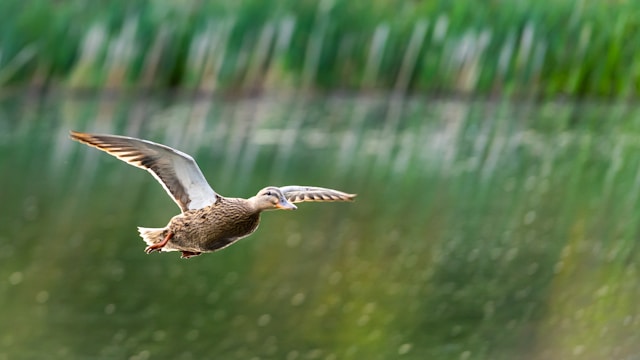
Goldeneye ducks are named for their yellow eyes, which make them easy to recognise despite the fact that males and females have different feather patterns. Brown-headed goldeneye ducks (like the one pictured above) are female, whereas male goldeneyes have green and white heads. You might be more familiar with these birds if you live in Scotland, where many of them nest.

The goldeneye duck has sadly been moved from the Amber List to the Red List, indicating a risk to this bird’s future. There are only around 200 breeding pairs left in the UK. Thankfully, measures have now been taken to try and save this duck, and there were more than 25 young goldeneyes born in Cairngorms National Park in 2023.


3) Greenfinch

A vibrant, charismatic bird with a distinctive tweet!

Greenfinches might be small, but thanks to their bright feathers and loud ‘wheezing’ bird call, they are easy to spot. If you live in the UK and put out bird seed regularly, you’ve likely seen a greenfinch or two in your garden – possibly with a flock of other finches in tow! They tend to flock together in winter when searching for seeds.

Greenfinches were previously on the Green List, but a rapid decline in breeding population means that they are now a species of conservational concern. This is likely due to an unfortunate spread of the parasite-induced disease known as trichomonosis. Remember to clean your bird feeders regularly!


4) Merlin

The UK’s smallest bird of prey – a small falcon with pointed wings.

Merlins are on the Red List of endangered UK birds due to low population numbers, but their population has fluctuated over time. They were briefly taken off the Red List when numbers went up, though unfortunately they are now considered to be at risk again.

For now, at least, merlins are widespread and can be found throughout much of the UK during breeding season, so you might be able to spot one of these birds near you! In winter, you’ll find merlins hiding out in farmland and coastal marshes.

As a bird of prey, merlins mainly eat smaller birds and mammals – though they will also eat insects.


5) Linnet

Once a common farmland bird, loved for their beautiful birdsong 

A linnet is a type of finch with a pink forehead and breast. Linnets like seeds so much that they were named after them! Specifically, they are named after linseed, which is another name for flaxseeds. You may see linnets among large flocks of seed-seeking birds, particularly on UK farmland. 

According to the RSPB, the UK’s linnet population has declined by 72% since 1967 (mostly due to a loss of their food sources). Even more worryingly, linnets are not just at risk in this country – they are facing a global population decline.


How You Can Help Endangered UK Birds

As you may have noticed, many endangered UK birds are on the Red List because they don’t have access to enough food. Providing nutritious bird foods, like seeds and insects, can help these birds to survive. Giving birds access to a water source can also be helpful, so consider adding a bird bath to your garden if you have room.

As in the case of the greenfinch, bird populations will sometimes decline due to avian diseases. To help prevent the spread of these fatal illnesses, try to keep your bird baths and feeding stations as clean as possible. We recommend using Ark-Klens™ disinfectant (diluted in water) to clean your feeders, tables and baths. And be sure to change feeds regularly; bird seed will go mouldy if left in the feeder for too long.

You can also try to boost natural food sources, which is particularly helpful for birds like starlings who are losing these resources. Create ponds, plant wildflower seeds, and let your grass grow! You could also try planting bushes and hedgerows, so birds like linnets can nest and take cover. Don’t forget to add nesting boxes to your garden, as these can provide birds with necessary shelter from predators and other dangers.

Really Wild Bird Food offers a large variety of supplies for the care and protection of wild birds, including nutritious bird food, homes and feeders. If you’re interested in protecting endangered birds, you can get started through the links below!

Bird Foods      Bird Feeders

15 Jan 2025
how birds fly

How do birds fly? They flap their wings, of course! But the mechanics of how this works are actually very interesting.

If you want to understand exactly how a bird soars through the air, we’re more than happy to fill in the blanks. Every flight is the result of millions of years of evolution – not to mention a lot of effort on the bird’s part – and we think that it’s a skill worth appreciating.


How Do Birds Fly?

There are many different kinds of birds, and variations in their wing shapes mean that there are slight differences to how they fly. However, most birds use the following method:

Birds first pull their wings down towards their chest, and then unfold them upwards. Because the front of a wing is lifted higher than the back of the wing, the air moves quickly over the top of it. Air speed has an impact on air pressure; specifically, faster air has less pressure than the slow-moving air beneath the wing.

Air always moves from an area of high pressure to an area of low pressure. For instance, when a car tyre is punctured, the high-pressure air rushes out through the hole. In the case of a bird taking flight, the high-pressure air from beneath the wing is moving up to the low-pressure area above the wing. This creates lift...and up the bird goes!

Imagine placing a piece of paper on a balloon, then puncturing it. The paper would go up with the air that’s leaking out. The difference is that the paper would just move with the air, but a bird can use its tail to steer and shift directions.

So, why can’t we humans do this? Surely, if all it takes to fly is a shift in air pressure, it shouldn’t be hard to make yourself a pair of wings and take to the skies. What do birds have that we don’t?


Birds Are Built to Fly!

Here are some of the biological features (besides wings) that allow birds to fly:

  • Heavier in the middle

All of the heaviest parts of a bird (including most of its organs) are in the middle of its body. This gives the bird a concentrated centre of gravity and keeps the rest of the body nice and light for flight.

  • Hollow bones

Why do birds have hollow bones? To help them fly! Though not all bird bones are actually hollow, birds do tend to have lighter skeletal structures in general, so it’s easier for them to stay aloft. You’ll usually find that the bigger the bird, the more air-filled their bones are!

  • Strong muscles

Oddly enough, this is the main thing that prevents people from flying like birds. We just don’t have the strong muscles that a bird uses to flap its wings so fast, for so long. Human shoulders, unfortunately, are a lot weaker (relative to our size) than the equivalent muscles on a bird.

  • Tails

Most birds steer with their tails! They act like the rudder of a boat, directing the rest of the bird’s body.

  • Sharp eyes

Have you ever tried to see on a really windy day? This is the challenge birds face when they are trying to navigate with air blowing into their tiny eyes. And yet, they still manage it thanks to their exceptionally keen vision.


How Do Birds Start Flying?

Some birds need specific conditions in order to actually take off. After all, generating lift from a complete standstill is difficult – there’s a reason why airports have runways!

Some birds even do the same thing that aeroplanes do, moving along the ground to gain momentum. Pelicans, for instance, will have a short run before they can start to fly. Other birds, like eagles and hawks, will use warm air currents. Rising hot air is a great way for a bird to get the altitude they need to really start flying.

Birds may have trouble flying or taking off if they are unwell, or lack energy. You can help care for birds, and keep them in the air, by providing them with nutritious bird feeds. Just like an aeroplane needs fuel, birds need food!

Click the button below to browse our selection of high-quality bird food, much of which is grown on our own farm in the UK. Our High Energy Blend™ and our Super Suet Fat Balls are particularly good for giving wild birds the energy they need to keep on flying!

Shop Bird Food

10 Jan 2025
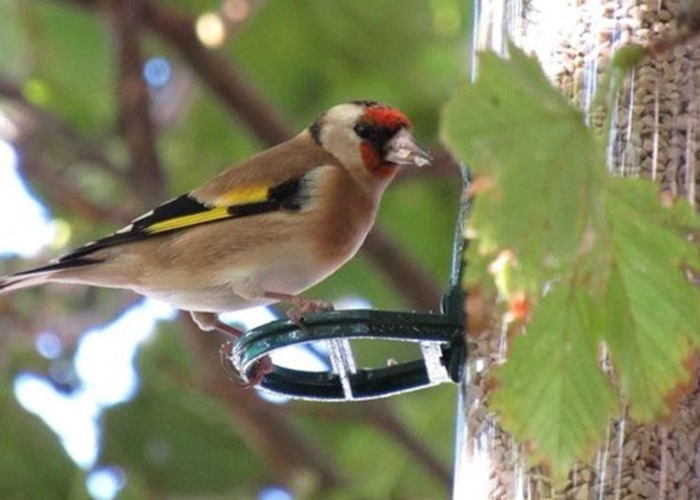
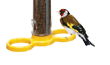
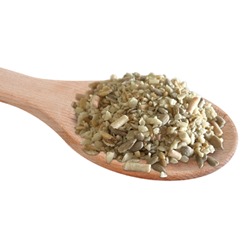
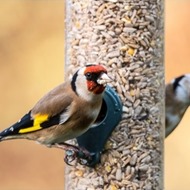
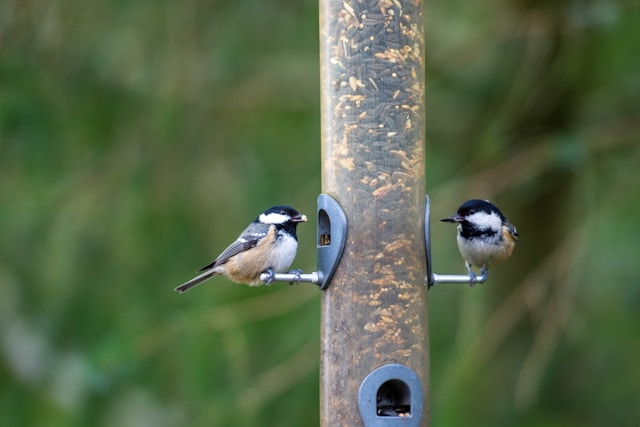
Bird eating sunflower heart chips from a feeder

Both sunflower hearts and sunflower seeds appear in many bird food mixes and provide good nutrition for a wide variety of bird species. But which should you be putting in your feeders: hearts or seeds?

Let's find out.


Sunflower Hearts vs Sunflower Seeds: What's the difference?

Sunflower seeds have hard shells, which birds typically remove in order to eat the seed inside. Sunflower hearts are simply sunflower seeds that have had their shells removed in advance. Whether you buy seeds or hearts, the sunflower heart is the part that your garden birds will actually eat.

Order now from Really Wild Bird Food – we offer FREE DELIVERY on all sunflower seeds and hearts!

Sunflower Hearts   Sunflower Seeds

Sunflower seeds are packed with many key nutrients (like iron, magnesium and vitamins A, B, C and D) so they're always a great choice for bird tables and hanging feeders. But the question remains: is it better to offer sunflower hearts or sunflower seeds?


The Case for Sunflower Hearts

Many birds are not able to de-shell sunflower seeds, but still enjoy eating what's inside them. Sunflower hearts give these birds easy access to delicious, nutritious treats that they would not have been able to access otherwise!

Since sunflower hearts are such a popular food source and easy to access, you'll find that they attract a wide variety of wild birds to your garden. They're a great, versatile option if you aren't sure what kinds of birds live in your area.

Sunflower hearts are much less messy than sunflower seeds, too. With sunflower seeds, you'll likely end up with a small pile of shells beneath your feeder. These can build up and turn into mulch over time. Sunflower hearts don't have shells, helping to prevent this issue! Sunflower hearts are a high energy, less mess option if you would prefer not to have shells left in your garden.

SEE ALSO: No Mess Bird Food


The Case for Sunflower Seeds

At this point, you might be thinking that sunflower hearts are the better option every time—after all, they make life easier for the birds, and they don't leave a mess on your lawn. Why does anyone buy sunflower seeds with the shells on?

Well, the shell-on seeds do offer a few benefits of their own. Firstly, whole sunflower seeds can only be eaten by birds who are able to de-shell them; this may seem like a negative thing, but if you are specifically trying to attract these birds and you don't want their food to be stolen by competitors, sunflower seeds may be preferable to sunflower hearts.

What other aces do sunflower seeds have up their sunflower sleeves? To answer that question, ask yourself why sunflower seeds have shells on them to begin with.

The answer is simple: to protect the contents. Sunflower seed shells with no cracks provide a barrier against damp and mould; nature's protective coating. So sunflower seeds (of which there are black and striped varieties) may be preferable in periods of extreme weather, particularly wet weather where sunflower hearts may go soggy or really cold weather where the hearts can freeze. There is also an argument that black sunflower seeds are nature's bounty and that small seed eating birds should be working for their food in the most natural way possible. Garden birds will naturally visit a feeder, remove a seed and take it to the safety of a nearby tree or bush to then enjoy it. Offering sunflower hearts in a hanging feeder may just be too easy! and birds will spend more time actually on the feeders, which is lovely to watch but can potentially increase the risk of disease transfer and also of sparrohawks swooping in on pre-occupied garden birds.


Which is better: sunflower hearts or sunflower seeds?

Sunflower hearts are generally more popular than sunflower seeds because more birds can eat them and they leave less mess. However, as we've discussed, there are still some good reasons to go with sunflower seeds instead!

Whichever you choose to use in your garden, Really Wild Bird Food can help. We offer a wide range of quality bird feeds, many of which are grown on our very own farm in Hampshire—and we offer FREE DELIVERY on all orders that include bird seed!

Sunflower Hearts   Sunflower Seeds

Image source: reallywildbirdfood.co.uk/straight-seeds/sunflower-heart-chips/shc