


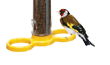
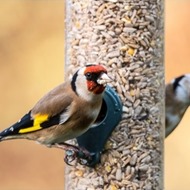
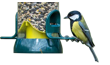
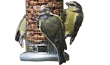
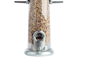
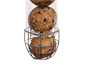
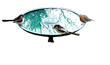
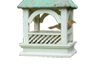
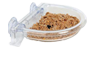
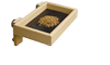
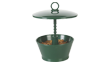
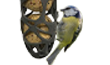
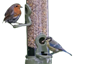














Regularly cleaning and disinfecting your bird feeders is just as important as filling them. Unsanitary feeding stations and bird baths can encourage the spread of wild bird diseases like salmonellosis, so good bird feeder hygiene is essential if you want to help your feathered friends stay safe and healthy.
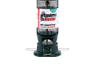
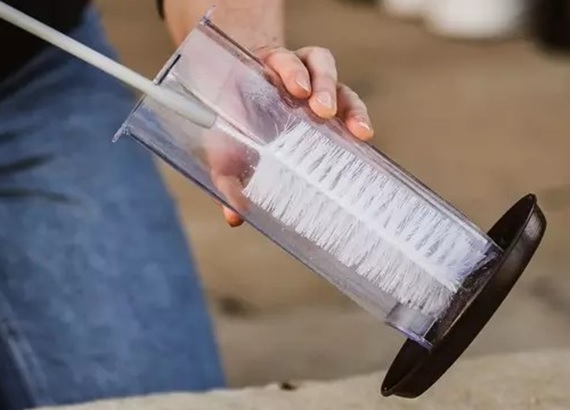
PICTURED: Peckish Bird Feeder Cleaning Brush
Read on to learn how to clean and disinfect your feeders in order to limit the spread of disease among your local bird populations.
How often should I clean my bird feeder?
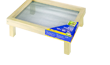
Feeding surfaces should be scraped at least once a week to remove bird droppings and old food. More frequent scraping is recommended during busy periods and spells of wet / humid weather. A scraper tool is handy for this job.
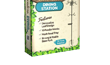
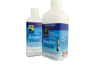
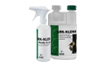
You should also disinfect your feeders once a fortnight. Use a quaternary ammonium disinfectant (we recommend Ark-Klens™) and be sure to read the instructions carefully before use. You'll need to dilute the disinfectant with water and wait a few minutes before rinsing it off.
Shop Bird Feeder Cleaning Products
How to clean a bird feeder
NOTE: Always wear gloves when cleaning bird feeders. Clean your feeders outside, and don't use any of the utensils you use to clean your own dishes, cutlery, etc.
- Before you start cleaning your bird feeder, throw away the contents so that the feeder is totally empty.
- Once the feeder is empty, soak all of the parts in warm water and washing-up liquid for 15 to 20 minutes.
- Use a suitable cleaning brush to make sure the feeder is totally clean. A long cleaning brush may be needed if you're cleaning a long tube feeder.
- Rinse the feeder thoroughly with clean water to remove all soap, then let the feeder dry completely before refilling it.
- Wash your hands when you're finished.
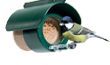
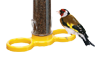
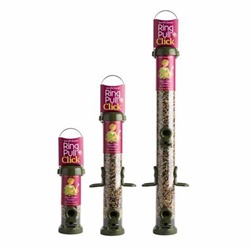
TOP TIP: Investing in an easy-clean bird feeder can make your life much easier!
For more information about keeping your bird feeders clean, check out our Feeder Hygiene page or get in touch with the experts here at Really Wild Bird Food. We'll do our best to answer any questions you have!