







































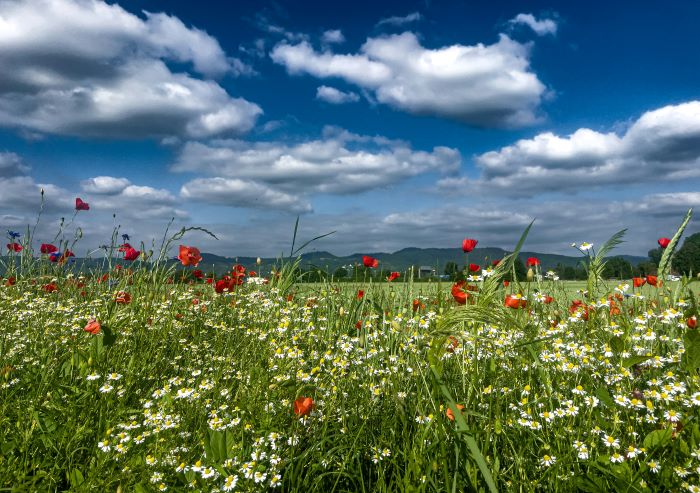
Wildflower meadows—lush fields brimming with colour, busy with bees and butterflies—are essential habitats that form a fundamental feature of our British countryside.
Wildflower meadows—lush fields brimming with colour, busy with bees and butterflies—are essential habitats that form a fundamental feature of our British countryside.
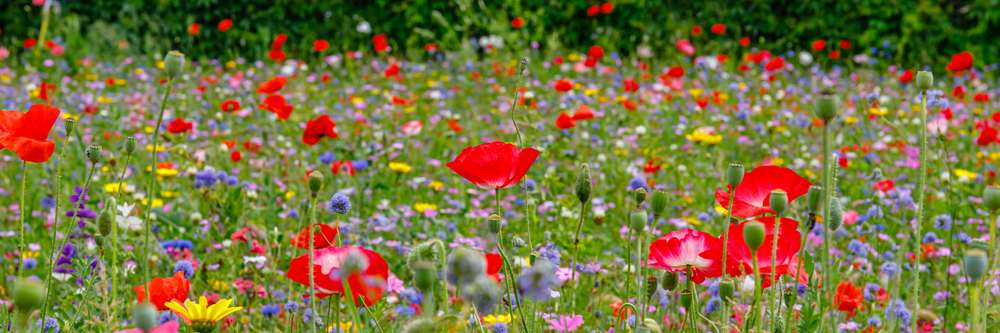
Wildflowers offer an attractive alternative to traditional lawns and gardens. Planting our wildflower seeds in your garden will enhance its beauty and more importantly, they're the perfect plants for bees and butterflies.
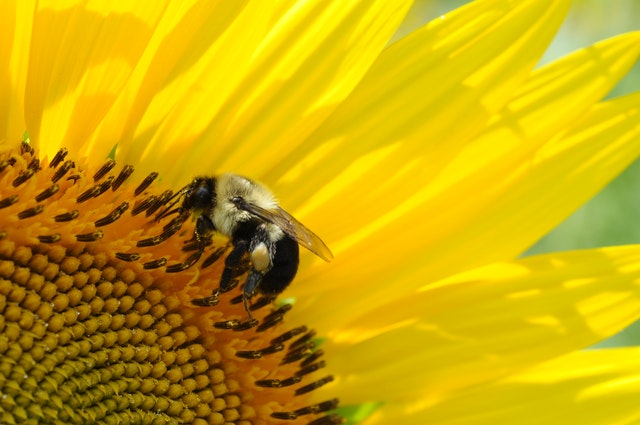
Bees are an important part of our ecosystem – in fact, they’re a part of almost every ecosystem across the world. They are responsible for the pollination of most fruit and veg, making them an essential part of our survival. This is why it is vital that we all do our part to help save the bees.
Here are some fun facts about bees to show how important they really are...
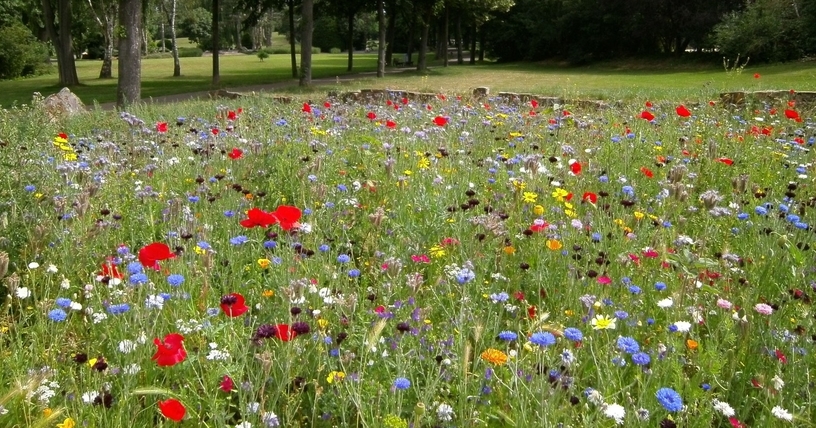
Wildflower seeds should be planted in the Spring, but there are other opportunities to plant wildflowers throughout the year.
Wildflowers are a great addition to any garden for a wide number of reasons. Their beautiful bright colours bring a radiant splash to any outdoor space, and their varying shapes are totally unique. Wildflowers bring the promise of something new every year with each bloom.
Not only are wildflowers beautiful, but they also do a great amount to support your local ecosystem. Bees and butterflies love them, and bees are great pollinators so their presence will help your garden flourish and support local biodiversity. Although planting a few wildflower seeds in your garden might not seem like much, every little helps.
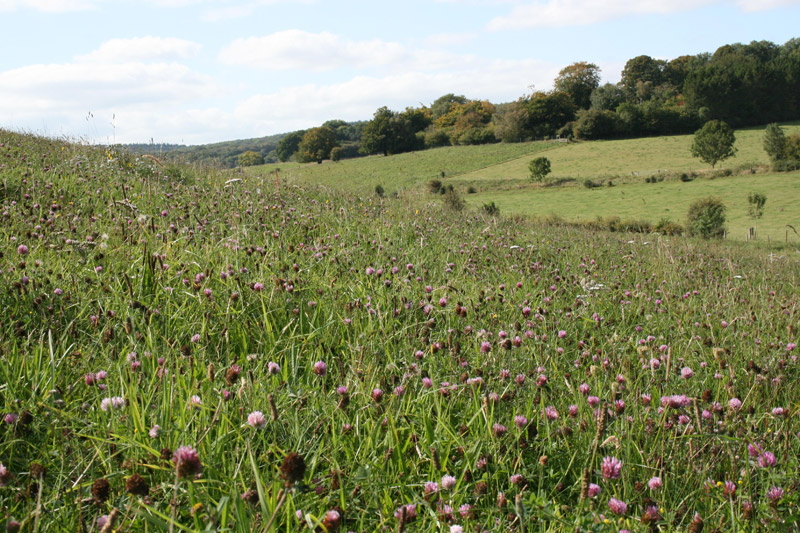
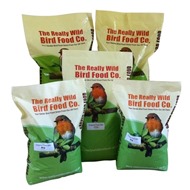
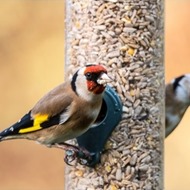
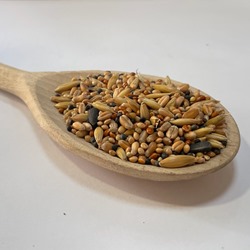
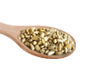
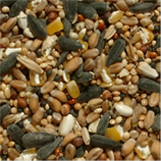
In addition to bird feed we now offer a wildflower seeds to enable you to grow your own area of wild flowers that is so beneficial for wildlife. The new seed mixes in stock include the Cornflower Annuals, Bumblebee Mixture, Blaze and the Old English Meadow.
If you are looking for something that will last the entire summer, then the Cornflower Annuals are your best choice. Often found in the corn fields these beautiful bright flowers will bring in a mass of colour to your garden and are also great for insects and birds as the provide pollen and nectar. A light cultivation of the land will also ensure new growth as these multiply by dropping their seed.