













































































Hedgehogs in August – How You Can Help Britain's Favourite Garden Visitor
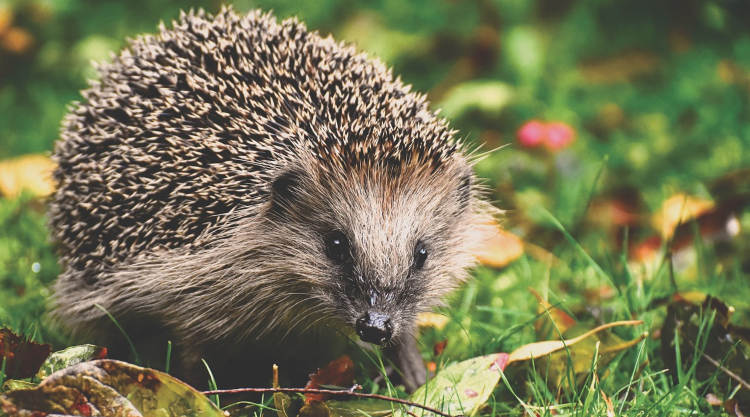
August is a busy month for hedgehogs. While many of us are enjoying warm summer evenings in the garden, hedgehogs are working hard under the cover of darkness, searching for food and preparing for the months ahead. Every meal they find now helps them build the reserves they'll need before winter arrives.
Sadly, hedgehogs remain one of Britain's most threatened native mammals, with numbers having declined significantly over recent decades due to habitat loss, busy roads, pesticides and the disappearance of natural garden spaces. The good news is that our gardens can play a huge role in helping them survive.
August is Feeding Time
By August, many young hedgehogs born earlier in the summer are becoming independent and beginning to forage on their own. Adult hedgehogs are also eating as much as possible to build up fat reserves before hibernation later in the year.
If you'd like to lend a helping hand, you can provide:
- Meaty hedgehog food.
- Crunchy or semi-moist hedgehog food
- Fresh drinking water every evening.
Avoid feeding milk, as hedgehogs are lactose intolerant and it can make them seriously ill. Bread also offers very little nutritional value.
Keep Gardens Hedgehog Friendly
Small changes can make a huge difference.
Leave a 13cm x 13cm gap at the bottom of fences to create a "hedgehog highway" between neighbouring gardens. This allows them to roam safely in search of food and mates without having to venture onto dangerous roads.
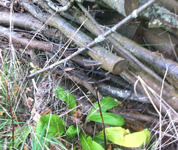
Leaving areas of long grass, piles of leaves, logs and wild corners provides shelter for insects, which in turn become a natural food source for hedgehogs.
Be Careful During Summer Gardening
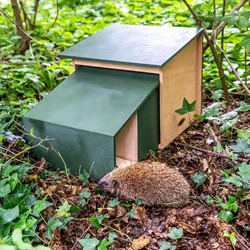
August is often a month of trimming hedges, clearing borders and tidying the garden. Before using strimmers, mowers or lighting bonfires, always check carefully underneath.
Hedgehogs often sleep hidden in long grass, compost heaps and piles of leaves during the day. A quick inspection could save a life.
If you're planning a bonfire, build it on the day you intend to light it, or move the pile before lighting to ensure no wildlife has made a home inside.
Provide Fresh Water
During hot, dry spells, natural water sources can become scarce.
A shallow bowl of fresh water placed in a quiet corner of the garden can be a lifeline not only for hedgehogs but also for birds, frogs, insects and other wildlife.
Clean and refill it daily to keep it fresh.
Avoid Harmful Chemicals
Slugs and beetles are favourite foods for hedgehogs, but pesticides and slug pellets can poison both the insects and the hedgehogs that eat them.
Instead, consider wildlife-friendly gardening methods that encourage a healthy balance of nature.
Look Out for Hedgehogs in Trouble
If you see a hedgehog out during the daytime, particularly if it appears thin, wobbly, injured or covered in flies, it may need help.
Healthy hedgehogs are normally active after dusk. Daytime activity can sometimes indicate illness, dehydration or injury.
If you're concerned, contact a local wildlife rescue for advice as soon as possible. British hedgehog Preservation Society
Every Garden Matters
One garden alone won't save Britain's hedgehogs, but thousands of wildlife-friendly gardens connected together can create safe corridors where they can feed, breed and thrive.
Whether it's leaving a small gap in your fence, putting out fresh water or checking before mowing, every small action adds up.
This August, why not make your garden part of the growing network of hedgehog-friendly spaces? You might just be rewarded with the delightful sight of one of these charming little visitors snuffling through your garden after sunset.
Helping hedgehogs doesn't require a huge effort, just a little thought, a little kindness and a willingness to share our gardens with one of Britain's best-loved wild animals.
Please keep a close eye on what is happening in your garden – and if you have any doubts, queries or questions, I will be very happy to help you out in any way I can. You can send me your questions here.
Enjoy and take care of those wonderful hedgehogs!
Lesley