










































Tag: winter-bird-feeding


19 Mar 2025
are sunflower hearts good for birds

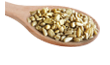
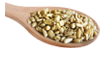
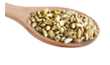
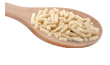
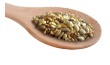
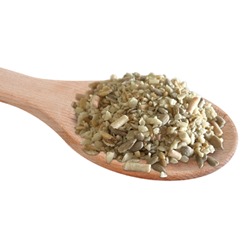
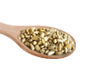
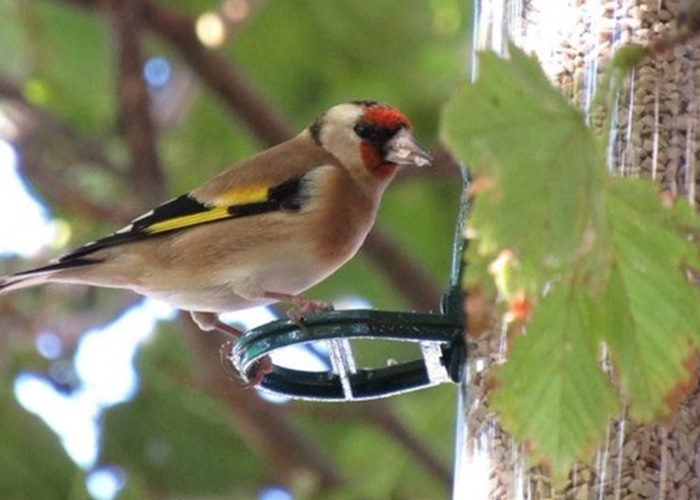
Yes, sunflower hearts are good for birds! Sunflower hearts (that is, sunflower seeds with their husks removed) provide essential nutrition and calories, which is particularly important during winter but can be helpful all year round. A wide variety of birds enjoy eating sunflower hearts, so if you put some out in your garden, you should find that they disappear very quickly!

Read on for more reasons to feed sunflower hearts to your garden birds.


Sunflower hearts are high in calories.

Wild birds require high-calorie foods like sunflower hearts (which are rich in oil and protein) to survive cold spells and keep themselves warm. In the UK, this is relevant throughout the year because of our famously unpredictable weather — you never know when the temperature is going to plummet!


Sunflower hearts are easy to eat.

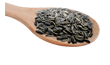
Whole sunflower seeds are also high in calories, but sunflower hearts have the added benefit of being easier for birds to eat. Some birds struggle to remove the shells from sunflower seeds, so why not do the job for them and put out sunflower hearts that have already had their shells removed?

Put simply: by offering shell-free sunflower seeds, you’re enabling a wider variety of birds to access the health benefits of sunflower hearts!


Sunflower hearts make less mess.

On a related note, sunflower hearts aren’t just good for birds – they’re also good for your garden! The shells (or husks) from sunflower seeds will often end up littering the area beneath your feeding table or bird feeder. This can be messy to look at and could also potentially attract pests.

Rather than wasting time cleaning up all of those shells, go with sunflower hearts. These are great for staying tidy (which is why they’re a key ingredient in our best-selling Tidy Garden Mix™).


Sunflower hearts are perfect for combining with other seeds.

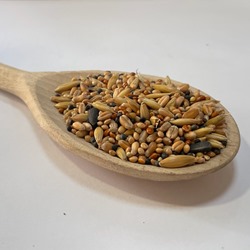
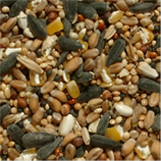
Just like humans, birds require a varied diet. Sunflower hearts are good for birds, but an even better option is to offer a seed mix that combines sunflower hearts with other nutritious ingredients. This way, birds can enjoy the healthy fat and energy provided by sunflower hearts, while still getting vital nutrients and minerals from other seeds.

By including sunflower hearts in your seed mixes, you are helping birds to enjoy a high-energy, healthy diet!


Ready to start serving sunflower hearts?

As we’ve established, sunflower hearts are very good for birds when they are enjoyed as part of a varied diet. High-calorie bird feeds like sunflower hearts help to keep our feathered friends in robust health, especially during the winter and other cold periods.

If you want to add some sunflower hearts to your bird feeding station, we’ve got some great options for you here at Really Wild Bird Food. We offer premium sunflower hearts, as well as sunflower heart chips for smaller birds and fledglings. Use the buttons below to shop healthy sunflower hearts for your garden birds.
Premium Sunflower Hearts   Sunflower Heart Chips

19 Nov 2024
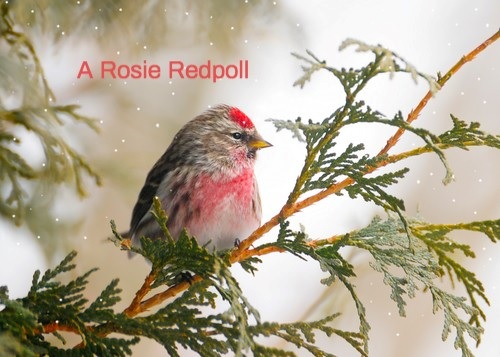
Rosie redpoll bird

Brrr! It's snowing in many parts of the UK and very cold in most! Temperatures have plunged as cold Arctic air has swept across the UK, and we need to act quickly to help our garden birds. Snowy conditions make it difficult. The variety and abundance of natural food sources has been challenging this year. You may have noticed how sparse insects have been, and the autumnal hedgerows have been very scarce of fruit and berries. So this cold snap has added more challenging times for garden birds.

09 Oct 2024
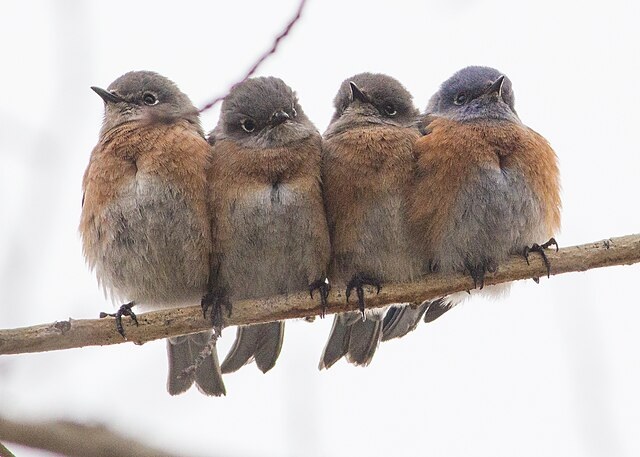
Huddled birds keeping warm in winter

Birds, like humans, are endothermic (warm-blooded) animals. Like us, their body heat is generated from within and must be kept within a certain range for survival. However, because most birds are fairly small, they have a larger body surface relative to their size, meaning they lose heat faster than we do. So how do they keep warm?

Photo by Blalonde (via Wikimedia Commons). Licensed under the Creative Commons Attribution-Share Alike 4.0 International licence.

As the seasons turn and the temperatures drop, we’re able to wrap up warm in thick knits or stay indoors with the benefit of central heating to keep us cosy. But wild birds, who live their entire lives outside, have no such luxuries.

Some UK birds, unwilling to tolerate the cold, simply migrate to warmer regions of the planet until spring rolls back around. But many others—including finches, robins and sparrows—stay here and stick it out. In fact, due to climate change, some wild birds that used to migrate to the southern hemisphere every year (such as swallows) have started wintering in Britain.

So what are their strategies for dealing with the winter chill in the UK?


Layering on the fat and feathers

Eat to heat

As temperatures cool, birds will increase their energy intake to build up their fat reserves. However, while mammals can build up an excess of fat stores in preparation for a long winter, birds are limited in how much fat they can hold on their bodies.

This is because birds also need to be able to fly so that they can escape predators. To balance their need for warmth with their need for flight, birds will often spend each day building up just enough fat to get them through a few nights at most, or sometimes even just one night at a time.

Birds who don’t manage to build up sufficient fat stores through the day are at risk of perishing overnight. Help your local wild birds prepare for the twilight frost by keeping your bird feeder stocked with energy-dense seed mixes and fat balls.

Fluffy feathers

Just as mammals can thicken up their coats for winter, so too can birds add extra feathers for insulation. These feathers are added next to their body, underneath their exterior feathers. Also known as down feathers, this extra layer is softer and finer than their tougher outer and flight feathers.

The fluffiness of down feathers makes them excellent for trapping plenty of warm air under the stiffer exterior feathers. You might sometimes see birds fluffing up their exterior feathers—this is their strategy for trapping even more warm air amongst their down feathers.

Practical preening

A bird’s strong exterior feathers also play an important role in trapping the warm air held by the down feathers and keeping it from escaping. Birds will preen these tough outer feathers, distributing oil along them to keep them clean, well-lubricated and waterproof in order to protect the soft down underneath.

Specialised scales

Birds lack feathers on their legs and feet, but make up for this with special scales that help minimise heat loss from these areas. They’ll also sometimes tuck one leg up into their feathers or crouch down to cover both legs, protecting them from the chill.


Bird behaviours to get cosy

Huddling and flocking

Like emperor penguins surviving the darkest months in the Antarctic, many birds that winter in the UK will huddle up together for warmth. Sparrows, wrens, swallows, tits and finches are just some of the bird species you may see bundling together on tree branches when temperatures drop, sharing their body heat for survival.

In a similar vein, birds will flock close together to reduce individual exposure to the cold air.

Twilight torpor

At night, birds will sometimes enter a state known as torpor to conserve energy.

Torpor is similar to hibernation. In torpor, birds will temporarily drop their body temperature to a lower level that’s easier to maintain than their ideal body temperature, allowing them to decrease their metabolism and conserve fat stores.


Nesting to escape the night frost

Night-time nests

Birds endeavour to find the warmest spots available to avoid freezing overnight. Preferred hideaways include tree cavities, thick vegetation and roof spaces. These nooks allow birds to get out of the cold, plus they provide protection from hungry predators.

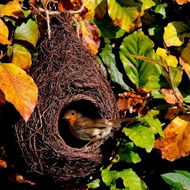
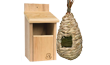
Unfortunately, not all birds survive the winter freeze, due in part to a lack of sufficient shelter. Adding some simple nesting pouches or a stylish nesting box to your garden can make a huge difference and help these exposed little birds make it through the harsh winter months.

Nesting Boxes   Nesting Wool

Don’t forget to add one of our seed mixes to your order to qualify for free delivery!

03 Dec 2021
Feeding birds in winter

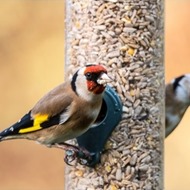
In winter, you should feed birds high-energy seed mixes that will help them to cope with the cold weather. Bird seed with suet is perfect for this time of year because suet is high in both calories and fat.

18 Oct 2019
winter bird feeders

As the days get shorter and the temperature drops, there’s no escaping it: winter has arrived.

Now is the perfect time to get thinking about how you will feed your feathery garden visitors over the coming months. It can be hard for garden birds to keep warm and source food in the winter, so it is this time of year where they need our help the most! Give your colourful companions a helping hand by providing them with a well-stocked winter bird feeder that will see them through the winter season.