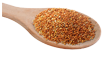
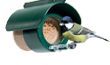
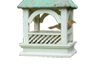
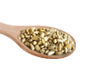
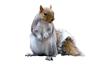
Raisins attract a variety of birds to your garden. These are nutritious for them and are loved by many birds as well as hedgehogs and squirrels. Bird feed often includes raisins in the blend. But did you know that these are very harmful for the pets? Raisins pose a potential threat to the health of the cats and dogs and if consumed by the pets may lead to grave problems such as kidney failure. This is because of the presence of possibly some particular toxin that leads to such renal failures amongst the pets. Those who have cats and dogs as pets should be very careful when it comes to handling bird feed that contains raisins.
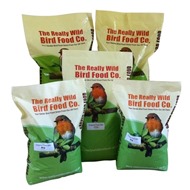
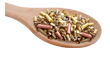
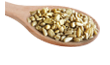
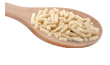
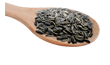
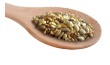
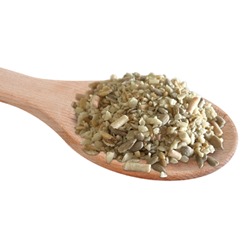
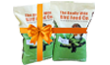
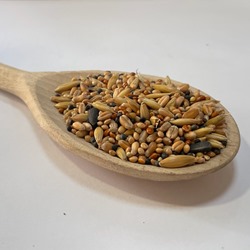
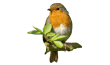
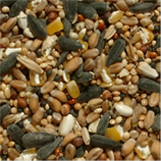
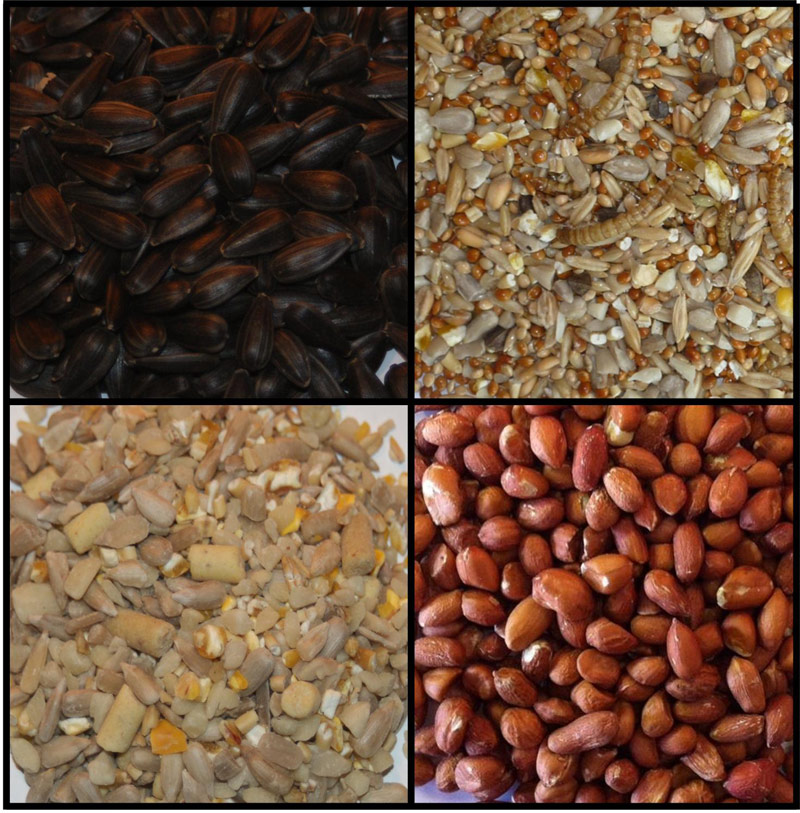
At Really Wild Bird Food we have added a new blend of bird feed to our range that is raisin free and thus absolutely safe to use with pets around. This bird feed blend includes flaked maize and home grown and rolled naked oats, pinhead oatmeal, peanut granules, white millet and the plumpest sunflower hearts which makes this bird feed blend a high energy feed and very healthy and nutritious for the birds. This blend is best suited for a number of ground feeding birds such as robins, thrushes, blackbirds, dunnocks and finches and can be used all year round.
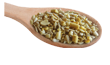
Those who do not have pets can go for the Ground Blend which is a fruit and nut muesli for ground feeding birds and is packed full of succulent raisins. Raisins are loved by birds such as blackbirds and thrushes and this blend is great for all such raisin lovers.
Putting bird food out in the garden for the birds is the best way to attract a wide variety of birds to your garden. It is always great to have a garden full of wild birds. And to make sure that these visit your garden often you should keep on filling up those feeders frequently.
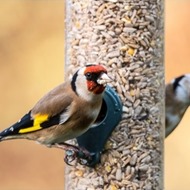
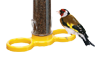
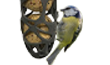
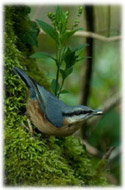
Birds can also have their own food preferences however. For instance goldfinches love Niger seeds and sunflower hearts while blackbirds love soaked raisins. The tree sparrows on the other hand love millet and plain canary seeds. Peanuts are a favourite amongst the Blue Tits, Great Tits, Coal Tits and Long Tailed Tits, Nuthatches and the Great Spotted Woodpecker.
So when all these different birds have such different preferences, why not try and stock your feeders with a maximum variety of seeds so as to attract a wide variety of different birds?
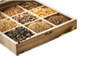
At Really Wild Bird Food, we have come up with this new Mini Pick and Mix concept wherein you can select 2kgs of any of our Seed Mixes, Straight Seeds or Peanuts! With this offer you can combine some good varieties in a cost effective manner. Choice of seeds is completely up to you and you can choose from 2 to 6 selections of 2kg bags.
At The Really Wild Bird Food Company we have a wide variety of bird feed options to choose from and with this new Mini Pick and Mix concept you can mix and match any combination and save money too!
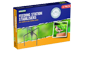
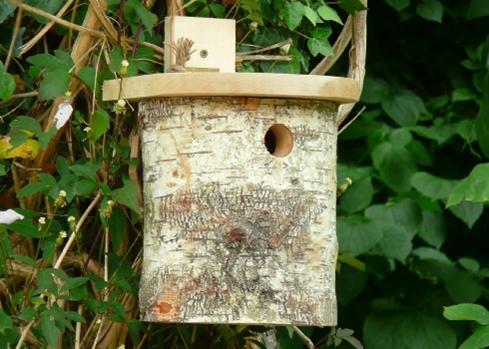
As we begin to see the end of winter and the beginning of spring it is time to check our gardens are good places for birds to thrive. First on the check list is to ensure there is a suitable place for birds to eat and drink, then there is the need to provide adequate nesting boxes.
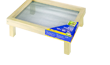
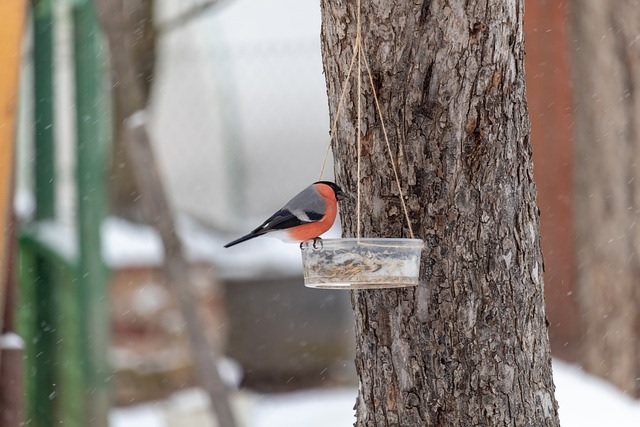
To provide suitable places for birds to eat erect a bird feeding table and position it close to cover like a bush to provide cover in case birds feel exposed to danger of attack in open spaces. Obviously once you have a good bird feeding table you need to stock up with good bird feed that attracts the right birds.
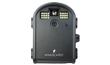
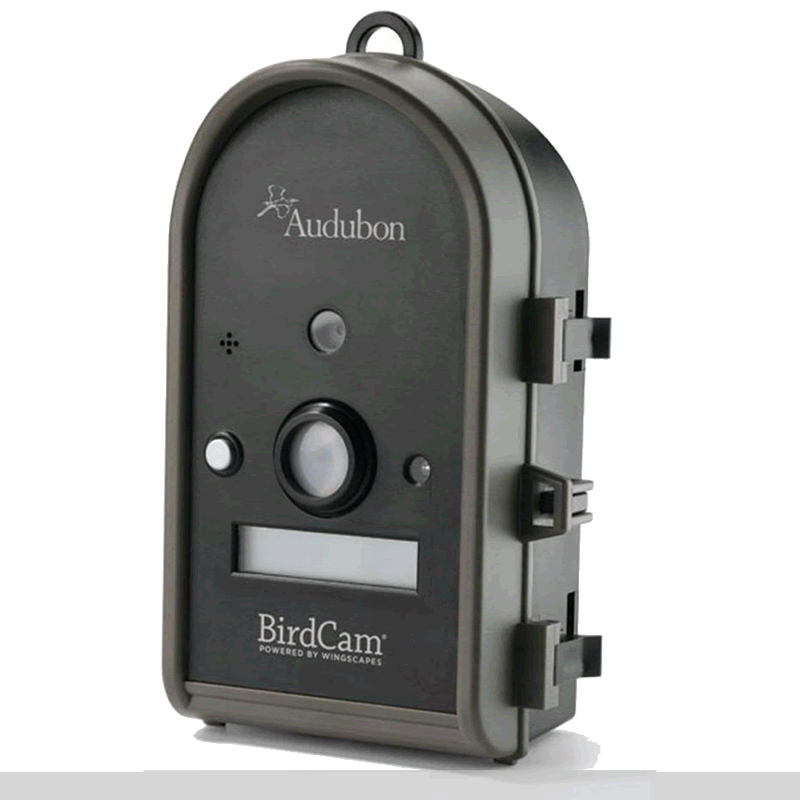
Bird cameras are a treat to all the bird lovers as they can give a glimpse into the intimate life of our feathered friends right from the time the eggs hatch to the time they are big enough to leave their nests to explore the world. The bird nest cameras are the best ways to observe these birds up close without disturbing them. This is one of the most exciting ways to also study the lives of these birds closely.
Thanks to modern technology and reduced prices the installation of bird cameras is within easy reach of the budgets of most of us
Bird cameras are a treat to all the bird lovers as they can give a glimpse into the intimate life of our feathered friends right from the time the eggs hatch to the time they are big enough to leave their nests to explore the world. The bird nest cameras are the best ways to observe these birds up close without disturbing them. This is one of the most exciting ways to also study the lives of these birds closely.
Birds are at their most vulnerable during the winter months, when the weather is harsh and food is hard to come by.
You can help your garden birds to survive the winter by making sure they have access to plenty of food and drinking water. However, this can prove difficult: wet weather may spoil the food in your bird feeders, and if snow or ice accumulates on your feeders over winter, this may render the food inaccessible.
In order to prepare your bird feeders for winter and see your feathered friends through this difficult time of year, here's what you'll need to do...
As the days turn cold, the threats that our feathered friends face increase. The food is scarce during the winter and sustenance during these times is a big issue for them. The birds need to struggle, not only for food but also for making it through the chilly season.
So where do we stand in helping our wild birds survive during these harsh conditions? Small measures by us can do their bit in helping the birds pull through the difficult times. These small measures by us can easily attract the birds to the gardens and help them to a great extent during the chilly days. But is your garden attractive enough to the wild birds?
As we know natural food is scarce during the wet and the cold days as the insect population is less. So it is important to try and create a garden which provides a rich supply of natural foods. The supplementary moist and high protein food will help the adults survive and subsequently sustain fledglings in the nest in the spring. Planting a range of native UK shrubs, trees and climbers will produce berries, seeds, fruits and nuts, nectar and pollen and will also serve as a shelter for the birds with nesting sites and nesting materials.
By simply leaving a few rotting log piles in a shady spot or an area of grass un-mown and messy will help a great deal in increasing the insect population in the garden. This tends to be a vital food source for garden birds which will help in attracting more birds into the garden.
During the freezing days it is important to supply clean fresh drinking water as the birds need to replenish their lost water. But obviously the use of salt, glycerine or anti-freeze should be avoided!
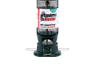
The more the variety of food, the more will be the variety of garden birds. So try offering a range of different bird food types in a variety of different types of bird seed feeders as the eating habits of different birds are different.
Apart from the early mornings, you will also need to restock food in the early afternoons to provide nourishment before dusk since birds need extra energy during the winters as they flap their wings in order to keep warm.
With these small yet vital measures of bird care, you can easily improve your chances of satisfying a variety of different species and enticing them back to your garden time after time!
Avian Pox
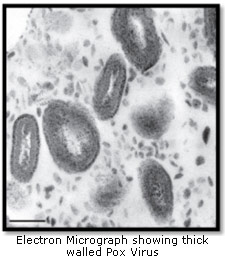
Avian Pox is a relatively new (and emerging) disease in the UK, which seems to be increasingly identified in garden birds. The disease is caused by an AviPox virus - a thick walled virus. The virus causes two types of disease – a dry ‘cutaneous’ (skin) form which stimulates excessive skin growth and nodular warty lesions. This type of pox infection is most commonly seen in our garden birds. The other ‘wet’ form of the disease, is more commonly seen in domestic chickens and turkeys, where the virus infects the mucous membranes of the digestive and respiratory tracts. This electron micrograph of a pox virus, shows how thick walled the virus is. This thick wall enables pox viruses to be extremely resistant to environmental factors (such as disinfectants), and the virus survives and multiplies really well in dry conditions. This is why Pox lesions are seen more commonly in the summer months than the winter.
It would seem that currently Great Tits are more predisposed to Avian Pox infection than other UK garden birds however lesions have been recognised in Dunnocks, Wood Pigeons, Blue Tits, and I have also seen Blackbirds with Pox lesions.
In most other species, the virus will cause mild lesions, usually on the featherless areas - the legs and around the eyes and beak. Often seen as bald/scaly patches, or pinky/grey plaques, these birds often mount an immune response to the virus and survive the infection.
Most garden birds are essentially woodland birds, attracted to the cover of trees and vegetation.
Supplementary feeding can't provide all the natural proteins and vitamins that adult and young birds need, so it is important to also try to create a garden which provides a rich supply of natural foods. Planting a range of native UK shrubs, trees and climbers (e.g. Hawthorn, Blackthorn, Hazel, Common Dogwood, Alder, Wild Privet and Crab Apple – to name but a few!) will produce berries, seeds, fruits and nuts, nectar and pollen as well as shelter, nesting sites and nesting materials.
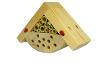
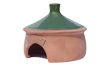
Create some mini beast motels by leaving a few rotting log piles in a shady spot, bundles of sticks made into wigwams, and broken clay flowerpots can be piled into a cairn to mimic a dry stone wall. Leaving an area of grass un-mown or just leaving a 'messy', uncultivated area somewhere, will increase the insect population in the garden and offer vital food sources for garden birds. This will help you attract more birds into your garden.
Providing a constant supply of clean drinking water will also help to attract more birds to your garden. This becomes most important for some species when dry weather affects the supply of their preferred foods.