














Tag: bird-food


23 Mar 2026

April is one of the most exciting months for bird lovers across the UK. As Spring arrives in full force, gardens come alive with birds nesting, feeding, and raising their young. If you want to attract more birds to your garden and help them thrive, this is the perfect time to invest in the right products. Below is some handy advice to the best garden bird products to use in April, and how each one makes a real difference.

Why April Is So Important for Garden Birds?

During April, birds are:

  • Building nests
  • Laying eggs
  • Feeding chicks
  • Defending territories

All of this requires huge amounts of energy and safe spaces, which is where your garden can help. By providing food, water, and shelter, you’re not just attracting birds, you’re supporting their survival during one of the most demanding times of the year.

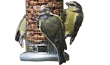
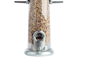
 1. Bird Feeders – The Foundation of Any Bird-Friendly Garden

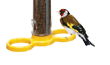
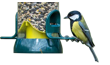
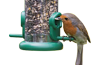
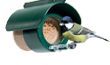
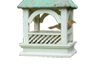
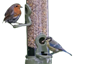
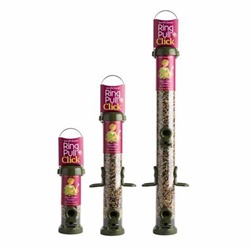
A good quality bird feeder is the first thing you need. Feeders provide a reliable food source and encourage birds to visit regularly. In April, this is especially important as natural food supplies can still be inconsistent and insect numbers low.

Best types to use:

Tip: Place feeders near shrubs or trees so birds have a quick escape from predators.

 2. High-Energy Bird Food – Essential for Nesting Season

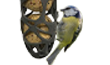
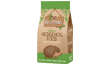
Birds need high-protein, high-fat foods to support egg production and feed their young during Spring time. Suet-rich bird food is ideal for breeding, moulting, migration, and colder seasons because it delivers the additional boost of energy needed to keep your garden birds healthy and full of life. Birds love the taste of suet rich food and we're confident that your feathered friends will keep coming back for more!

Top food choices:

3. Nest Boxes – A Safe Place to Raise Young

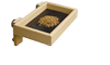
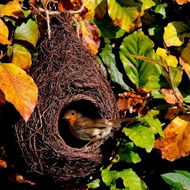
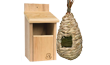
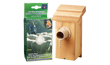
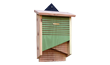
April is peak nesting season, making nest boxes one of the most impactful products you can add to your garden. Many birds struggle to find natural nesting sites due to urban development, so a simple nest box can make a huge difference.  All of our boxes, pockets and pouches are specifically designed to provide suitable accommodation for wild birds.

Popular options:

Placement tip: Install boxes 1–3 metres high, away from direct sunlight and strong winds.

 4. Bird Baths – often overlooked but always needed

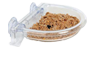
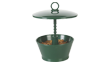
Water is just as important as food. Hydration is important for all birds, although small, seed-eating birds are most in need of fresh drinking water due to the fact that it is not naturally present in their diet. For this reason, it is critical to supply your garden birds with a source of fresh drinking water, be it via a bird bath or hanging bird drinker.

Birds use water for:

  • Drinking
  • Bathing
  • Cleaning feathers

As temperatures rise in April, providing fresh water can significantly increase bird activity in your garden. We stock a good selection of bird baths to suit your budget and needs.

What to look for:

  • Shallow design
  • Easy to clean
  • Stable base

Change the water regularly to keep it safe and hygienic.

 Creating a Bird-Friendly Garden (Quick Tips)

To get the most out of your products:

  • Plant native shrubs for shelter
  • Keep feeding areas clean
  • Avoid using pesticides
  • Provide food consistently

Consistency is key, once birds trust your garden, they’ll return again and again. April is your opportunity to transform your garden into a thriving wildlife haven. With just a few simple additions:- a feeder, quality food, a nest box, and fresh water, you can support birds during their most important season and enjoy the beauty they bring to your outdoor space. Whether you’re a beginner or a seasoned bird watcher, there’s no better time to get started.


If you have any further questions about looking after your garden birds, please get in touch with us today and a member of our friendly team will be happy to help!
 
15 Jan 2026
Really Wild Bird Food

If you’ve been searching for a high-quality bird feed that you can put out for your feathered friends, you may have come across Peckish Bird Food, a very popular UK brand. But how do their products compare to ours?

In this blog post, we’ll outline some key differences between the home-grown seed mixes we sell here Really Wild Bird Food and the products available from Peckish to help you pick the best value, most sustainable and highest quality bird food for your garden birds!


Quick Comparison

  • Here at Really Wild Bird Food, we grow most of the ingredients for our bird seed mixes ourselves – and we do our best to source the rest from nearby locations. We’re transparent about where we get our ingredients from, whereas Peckish are less direct about their sources.

  • Really Wild Bird Food seed mixes generally contain less low-nutrition filler (e.g. wheat) than Peckish Bird Food mixes.

  • Peckish Bird Food tends to be cheaper, although this depends on who you buy it from – you can’t order directly from Peckish, so you have to find a stockist who’s offering a good price. Really Wild Bird Food products can be ordered directly from reallywildbirdfood.co.uk, and we offer free delivery on all bird food orders (plus great savings when you buy in bulk).


Ingredient Sourcing

While Peckish advertise most of their seed mixes and straight seeds as ‘sustainably sourced’, they are not particularly transparent about where they actually get their ingredients from. For their Natural Balance range, they highlight that the ingredients are 100% UK and Irish sourced – the fact they have only highlighted this here suggests that their other products contain at least some ingredients from elsewhere.

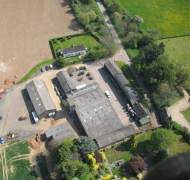
At Really Wild Bird Food, we grow the vast majority of our ingredients right here on our farm in Hampshire. Some of our seed mixes (notably EnviroMix) even have 100% of their ingredients grown by us, meaning that by the time the seed is ready to be sent to your door, it has travelled a grand total of zero miles!

For the bird seed ingredients that we can’t grow ourselves, we do sometimes source from overseas. However, we keep our carbon footprint low by sourcing our ingredients from European locations like Bulgaria and the South of France. We also try hard to be transparent about where our products come from so that each customer can make an informed purchasing decision.


Bird Food Quality

Peckish Bird Food’s standard mixes tend to contain bulking agents like wheat, which may fill up larger birds like pigeons but will probably just be ignored by smaller garden birds. This can lead to unsanitary feeding areas with excess food waste, spoiled seed and pests! At Really Wild Bird Food, we use fewer fillers in our seed mixes which can help to attract a broader range of small birds and reduce mess.

In addition to this, while Peckish feeds aim for balanced nutrition, they don’t necessarily match the calorie density of other premium options offered by Really Wild Bird Food. So, if you’re looking for bird food options that will keep your feathered friends warm, healthy and full of energy, premium seed mixes from Really Wild Bird Food are probably your best bet!

Furthermore, if you’re wondering whether Really Wild Bird Food or Peckish give you the best value for money, we will have to side with ourselves due to the ability to buy in bulk, our high-quality ingredients, minimal filler and free delivery offer with ANY orders that include bird seed.


Choose Really Wild Bird Food!

If you have any questions about our bird food ingredients, quality or anything else you may have seen in this blog, please do not hesitate to get in touch with us and a member of our team will be happy to help!

Shop Bird Food   Ask Us a Question

15 Jan 2025
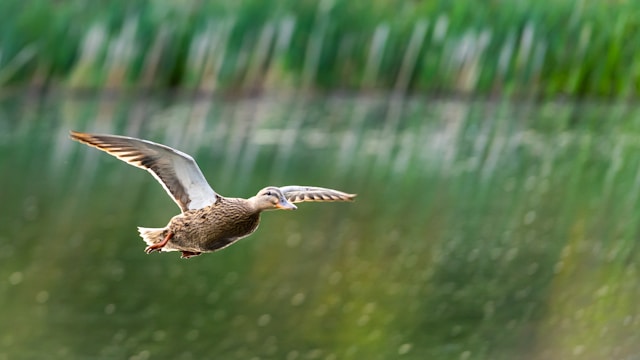
how birds fly

How do birds fly? They flap their wings, of course! But the mechanics of how this works are actually very interesting.

If you want to understand exactly how a bird soars through the air, we’re more than happy to fill in the blanks. Every flight is the result of millions of years of evolution – not to mention a lot of effort on the bird’s part – and we think that it’s a skill worth appreciating.


How Do Birds Fly?

There are many different kinds of birds, and variations in their wing shapes mean that there are slight differences to how they fly. However, most birds use the following method:

Birds first pull their wings down towards their chest, and then unfold them upwards. Because the front of a wing is lifted higher than the back of the wing, the air moves quickly over the top of it. Air speed has an impact on air pressure; specifically, faster air has less pressure than the slow-moving air beneath the wing.

Air always moves from an area of high pressure to an area of low pressure. For instance, when a car tyre is punctured, the high-pressure air rushes out through the hole. In the case of a bird taking flight, the high-pressure air from beneath the wing is moving up to the low-pressure area above the wing. This creates lift...and up the bird goes!

Imagine placing a piece of paper on a balloon, then puncturing it. The paper would go up with the air that’s leaking out. The difference is that the paper would just move with the air, but a bird can use its tail to steer and shift directions.

So, why can’t we humans do this? Surely, if all it takes to fly is a shift in air pressure, it shouldn’t be hard to make yourself a pair of wings and take to the skies. What do birds have that we don’t?


Birds Are Built to Fly!

Here are some of the biological features (besides wings) that allow birds to fly:

  • Heavier in the middle

All of the heaviest parts of a bird (including most of its organs) are in the middle of its body. This gives the bird a concentrated centre of gravity and keeps the rest of the body nice and light for flight.

  • Hollow bones

Why do birds have hollow bones? To help them fly! Though not all bird bones are actually hollow, birds do tend to have lighter skeletal structures in general, so it’s easier for them to stay aloft. You’ll usually find that the bigger the bird, the more air-filled their bones are!

  • Strong muscles

Oddly enough, this is the main thing that prevents people from flying like birds. We just don’t have the strong muscles that a bird uses to flap its wings so fast, for so long. Human shoulders, unfortunately, are a lot weaker (relative to our size) than the equivalent muscles on a bird.

  • Tails

Most birds steer with their tails! They act like the rudder of a boat, directing the rest of the bird’s body.

  • Sharp eyes

Have you ever tried to see on a really windy day? This is the challenge birds face when they are trying to navigate with air blowing into their tiny eyes. And yet, they still manage it thanks to their exceptionally keen vision.


How Do Birds Start Flying?

Some birds need specific conditions in order to actually take off. After all, generating lift from a complete standstill is difficult – there’s a reason why airports have runways!

Some birds even do the same thing that aeroplanes do, moving along the ground to gain momentum. Pelicans, for instance, will have a short run before they can start to fly. Other birds, like eagles and hawks, will use warm air currents. Rising hot air is a great way for a bird to get the altitude they need to really start flying.

Birds may have trouble flying or taking off if they are unwell, or lack energy. You can help care for birds, and keep them in the air, by providing them with nutritious bird feeds. Just like an aeroplane needs fuel, birds need food!

Click the button below to browse our selection of high-quality bird food, much of which is grown on our own farm in the UK. Our High Energy Blend™ and our Super Suet Fat Balls are particularly good for giving wild birds the energy they need to keep on flying!

Shop Bird Food

10 Jan 2025
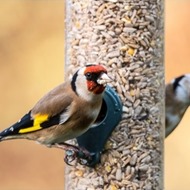
Bird eating sunflower heart chips from a feeder

Both sunflower hearts and sunflower seeds appear in many bird food mixes and provide good nutrition for a wide variety of bird species. But which should you be putting in your feeders: hearts or seeds?

Let's find out.


Sunflower Hearts vs Sunflower Seeds: What's the difference?

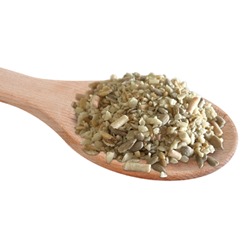
Sunflower seeds have hard shells, which birds typically remove in order to eat the seed inside. Sunflower hearts are simply sunflower seeds that have had their shells removed in advance. Whether you buy seeds or hearts, the sunflower heart is the part that your garden birds will actually eat.

Order now from Really Wild Bird Food – we offer FREE DELIVERY on all sunflower seeds and hearts!

Sunflower Hearts   Sunflower Seeds

Sunflower seeds are packed with many key nutrients (like iron, magnesium and vitamins A, B, C and D) so they're always a great choice for bird tables and hanging feeders. But the question remains: is it better to offer sunflower hearts or sunflower seeds?


The Case for Sunflower Hearts

Many birds are not able to de-shell sunflower seeds, but still enjoy eating what's inside them. Sunflower hearts give these birds easy access to delicious, nutritious treats that they would not have been able to access otherwise!

Since sunflower hearts are such a popular food source and easy to access, you'll find that they attract a wide variety of wild birds to your garden. They're a great, versatile option if you aren't sure what kinds of birds live in your area.

Sunflower hearts are much less messy than sunflower seeds, too. With sunflower seeds, you'll likely end up with a small pile of shells beneath your feeder. These can build up and turn into mulch over time. Sunflower hearts don't have shells, helping to prevent this issue! Sunflower hearts are a high energy, less mess option if you would prefer not to have shells left in your garden.

SEE ALSO: No Mess Bird Food


The Case for Sunflower Seeds

At this point, you might be thinking that sunflower hearts are the better option every time—after all, they make life easier for the birds, and they don't leave a mess on your lawn. Why does anyone buy sunflower seeds with the shells on?

Well, the shell-on seeds do offer a few benefits of their own. Firstly, whole sunflower seeds can only be eaten by birds who are able to de-shell them; this may seem like a negative thing, but if you are specifically trying to attract these birds and you don't want their food to be stolen by competitors, sunflower seeds may be preferable to sunflower hearts.

What other aces do sunflower seeds have up their sunflower sleeves? To answer that question, ask yourself why sunflower seeds have shells on them to begin with.

The answer is simple: to protect the contents. Sunflower seed shells with no cracks provide a barrier against damp and mould; nature's protective coating. So sunflower seeds (of which there are black and striped varieties) may be preferable in periods of extreme weather, particularly wet weather where sunflower hearts may go soggy or really cold weather where the hearts can freeze. There is also an argument that black sunflower seeds are nature's bounty and that small seed eating birds should be working for their food in the most natural way possible. Garden birds will naturally visit a feeder, remove a seed and take it to the safety of a nearby tree or bush to then enjoy it. Offering sunflower hearts in a hanging feeder may just be too easy! and birds will spend more time actually on the feeders, which is lovely to watch but can potentially increase the risk of disease transfer and also of sparrohawks swooping in on pre-occupied garden birds.


Which is better: sunflower hearts or sunflower seeds?

Sunflower hearts are generally more popular than sunflower seeds because more birds can eat them and they leave less mess. However, as we've discussed, there are still some good reasons to go with sunflower seeds instead!

Whichever you choose to use in your garden, Really Wild Bird Food can help. We offer a wide range of quality bird feeds, many of which are grown on our very own farm in Hampshire—and we offer FREE DELIVERY on all orders that include bird seed!

Sunflower Hearts   Sunflower Seeds

Image source: reallywildbirdfood.co.uk/straight-seeds/sunflower-heart-chips/shc

19 Nov 2024
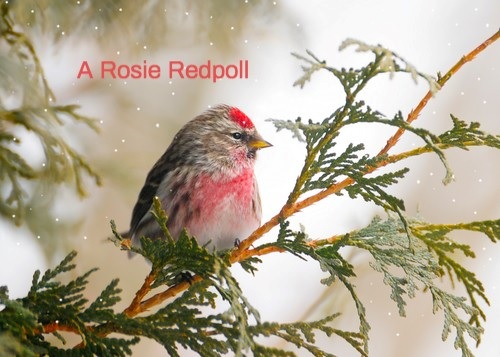
Rosie redpoll bird

Brrr! It's snowing in many parts of the UK and very cold in most! Temperatures have plunged as cold Arctic air has swept across the UK, and we need to act quickly to help our garden birds. Snowy conditions make it difficult. The variety and abundance of natural food sources has been challenging this year. You may have noticed how sparse insects have been, and the autumnal hedgerows have been very scarce of fruit and berries. So this cold snap has added more challenging times for garden birds.

16 Aug 2024
Bird seed

Short answer: bird seed typically stays fresh for 6 – 12 months when stored in a clean, airtight container. The exact shelf life will depend on what type of seed it is.

Let’s look at how long bird seed lasts in different conditions, what you can do to keep it fresh, and when it’s best to start over with a fresh batch.


How to store bird seed

The best way to maximise the shelf life of your bird seed is to decant the seeds into a suitable airtight container as soon as possible after opening them.

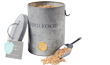
Bird food storage tins protect seeds in several ways:

  • Protection from the elements. Depending on where they’re stored, bags of bird feed may be vulnerable to rain and external contaminants, all of which can damage the feed and make it unsuitable for consumption.

  • A cool, dry environment. This is important because it keeps the seed from getting damp and mouldy, which can make the whole batch unsafe for birds to eat.

  • Defence against rodents and insects. If pests like rodents and insects gain access to your bird seed supply, not only will they eat the seeds, they may contaminate whatever is left behind. A sturdy storage container will help to keep them out!

Besides storing your bird food in a dedicated bird food tin, there are a few things you can do to keep your bird feed in tip-top condition while it awaits the feeder:

  • Keep the container out of reach of potential pests.

  • Stir the feed occasionally to prevent the seeds from becoming stagnant.

  • Use up the oldest seed first before adding fresh feed to the storage tin.


How long does bird seed last in the feeder?

How long seed will stay fresh in the feeder while waiting for some lucky bird to devour it depends on a number of factors. Rain and pests will speed up deterioration, and feed that’s damp should be replaced immediately to avoid mould growth.

However, assuming the weather’s fine and the food is inaccessible to rodents and insects, bird seed should last up to about a week in a feeder or on the bird table. After this point, any uneaten feed should be replaced with fresh seed mix.


How can you tell when bird seed has gone bad?

  • Obvious signs of spoilage (such as mould, damp, a musty smell or an unpleasant odour) mean it’s time to start again with fresh seed.

  • Discolouration may be a less obvious indication of spoilage, but this is another clue that the seed is past its best and should be replaced.

  • If the seeds are showing signs of germination (green growth or shoots are a sure sign they’ve started sprouting!) then they should be removed from the tin or feeder.

  • Any signs of insect activity (for example, any bugs, larvae or webbing amongst the seeds) indicate the feed is potentially dangerous for birds and should be replaced.

  • If the birds themselves show little interest in the feed, this may be a sign they don’t consider it up to snuff and it’s time to give them some fresh food.

  • Finally, it’s not just when food has obviously spoiled that it needs to be replaced. The older the seed, the less nutritional value it has. Seeds lose nutrients over time, so it becomes more like a filler food rather than the nutrient-dense feed you had in mind when you bought it. This shouldn’t be an issue as long as you’re using your bird feed within the recommended 6 – 12 month window.

Here at Really Wild Bird Food we have a variety of bird food storage solutions to suit your needs so you never have to worry about your seeds spoiling before your feathery friends can get their share!

We also offer free delivery on any order that includes at least one of our seed mixes, so don’t forget to pair your food storage tin with something tasty to put in it.

Bird Feed Storage   Bird Seed Mixes

13 Aug 2024
Last chance to buy High Energy Fledgling Mix™

Our High Energy Fledgling Mix™ has done its work for the season. But here's one more chance to buy some - please place your order before Thursday 15th August!

The family says 'thank you'!

27 Mar 2024
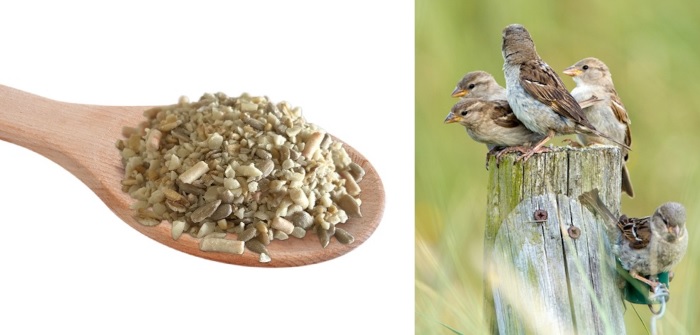
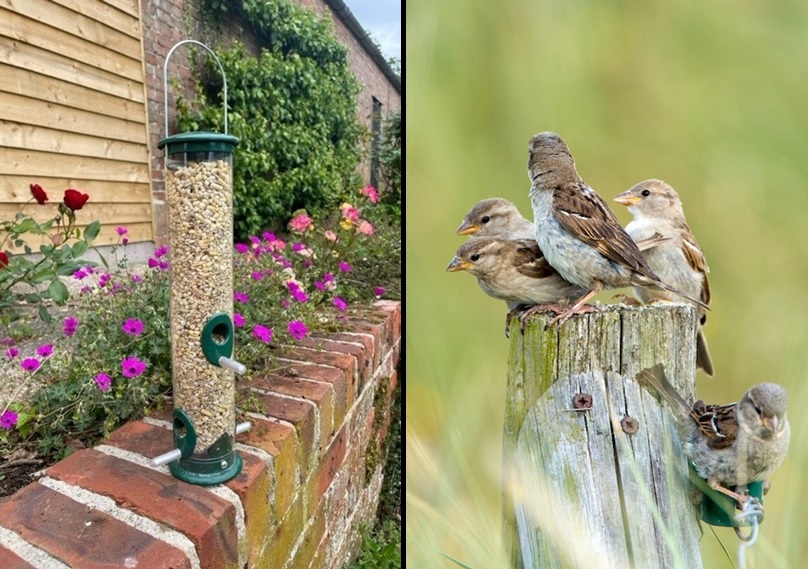
Bird food for fledglings - loved by sparrows

Our very popular High Energy Fledgling Mix™ is back for this season!

Spring is upon us - not that you'd know it from the cold, wet and miserable weather! This is the time of year when garden bird numbers soar as fledglings appear en masse.

This is also the most critical time of year to offer quality, easy-to-digest bird food (especially if the weather is inclement and the insect population is low, which is certainly the case right now).