Tag: bird-seed


29 Aug 2025
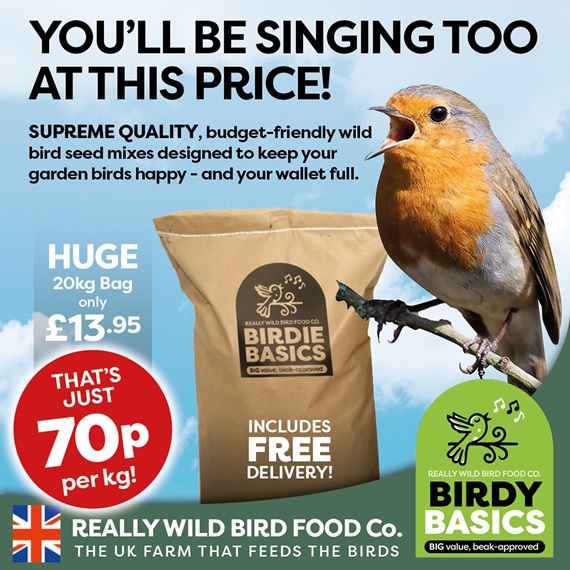
You'll be singing too at this price!

September is nearly upon us and there is definitely an autumnal chill in the air! You may have noticed just how laden the hedgerows are with fruit, berries and nuts this year – an incredible crop of nature's bounty. It's true that gardens become quiet as our feathered friends head off to make the most of these natural resources; however, we still recommend putting out some additional food to keep the birds in your area, and to ensure that their diet is 'topped up'.

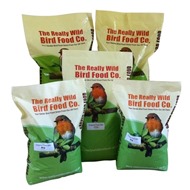
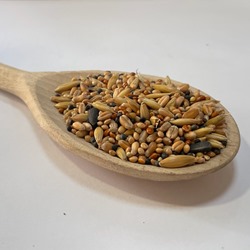
Check out our Birdie Basics bird seed range, which includes a wheat-free seed mix. Just like our premium feeds, these more affordable mixes are packed with home-grown ingredients from our UK farm. And with prices starting from just 70p per kg (including free delivery!) they're a great choice to keep those feeders ticking over.

Order Your Birdie Basics Here!


August Seed of The Month

Original Farm Gold™

SAVE 15% (offer ends 31st August)

Homegrown is always best and this delicious, nutritious Original Farm Gold™ bird seed mix lets the harvest sunshine spill out of it.

September and October are often glorious 'golden' months as the mornings become just slightly colder. Original Farm Gold™ is a perfect autumn bird feed, and a fantastic premium choice for your garden birds at this time of year. Offer ends 31st August so don't miss out!

Order Before September & SAVE 15%

Enjoy your birds!

With best wishes,
Lesley

20 Aug 2025
High Energy Fledgling Mix

Our High Energy Fledgling Mix™ has done its work for the season...but garden birds are still hungry, so don't miss this opportunity to stock up one last time!

Be sure to order your High Energy Fledgling Mix™ before 25th August 2025. After that, this mix won't be available again until next year! Buy now >>


Why buy High Energy Fledgling Mix™?

  • Highly digestible
  • Packed with energy
  • Mini bites make for easy feeding
  • No mess mix – everything will be eaten
  • Tastes delicious!

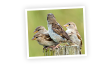
This family says 'thank you!'

Order Your Fledgling Mix™ Here >>


August Seed of the Month: Original Farm Gold™

15% off this month!

Home grown and delicious, our Original Farm Gold™ bird seed mix is a great choice for autumn feeding!

But you don't have to take our word for it...

"We have more garden birds than ever since we started feeding with Original Farm Gold™.

"Blackbirds, robins, blue tits, etc.

"But the pheasants love it as well!"

– Karen, Holmfirth

Order This Month to Save 15% >>


This year looks like it's going to be a bumper one for nature's bounty. Our hedgerows and bushes are festooned with nuts and berries. We have been out and about picking blackberries for crumbles and pies...and perhaps a few bottles of blackberry tipple to see us through the winter months!

The hazelnut bushes in our garden are laden with nuts; the main problem we have is how to harvest them before the squirrels pinch them all. It's proving quite a challenge!

Many of our customers worry at this time of year that their garden birds will desert them. This is normal; they need time to moult, and then they will head off into the hedges to enjoy nature's food. But please don't worry – they will return. And while your feeders are quiet, it's a good opportunity for repair work and cleaning.

With very best wishes to all our customers,

Lesley

P.S. Don't forget to make the most of our special offers!

23 Apr 2025
Benefits of feeding birds

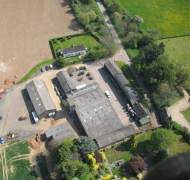
At Really Wild Bird Food, we’re no strangers to feeding birds. In fact, we’ve been providing Britain’s birds with nutritious and tasty meals since the nineties! On Street End Farm, just outside of Hampshire, we grow all sorts of healthy food for a variety of different garden birds.

Whether you’re looking to help out your local bird population or just enjoy a spot of bird watching, here are some of the key benefits you can reap by putting a bird feeder in your garden.


What are the benefits of feeding birds?

  1. Helping your local birds
  2. Protecting your garden from bugs and weeds
  3. Pollinating your flowers
  4. Watching the birds
  5. Keeping UK bird species off the endangered list


1. Helping your local birds

Your local birds may struggle to find sources of nourishment, especially if you live in a built-up area. Providing high-calorie foods for your local birds can be a literal lifesaver (especially during the winter months, when natural food sources are at their most scarce).


2. Protecting your garden from bugs and weeds

Birds are great for your garden! For one thing, they will sometimes eat seeds that would otherwise have grown into weeds. Draw birds to your garden with a feeder, and they might pick up a few extra snacks along the way. This prevents the weeds from growing and ruining your lovely flower beds. You might also attract birds that eat slugs, such as starlings, robins and blackbirds. This can be handy if those slimy so-and-sos have been treating your garden like an open buffet.

While birds may naturally flit through your garden on occasion, the best way to get them to eat your bugs and weeds is to properly invite them to your garden with a good meal.


3. Pollinating your flowers

For the most part, we associate pollination with bees. While protecting bees is still very important because they are great pollinators, there are also some birds who can pollinate flowers too. This is great, because pollination is super important for the flowers in your garden. It’s also crucial for food production!

Birds pollinate flowers when they are trying to eat nectar. While the most well-known avian pollinator is probably the American hummingbird, there are UK birds that occasionally enjoy nectar too, like blue tits. You may see goldfinches burying their long beaks inside teasel flowers to get at seeds! When birds stick their beaks into a flower, pollen will get stuck along the beak. This can then be transferred to other flowers, pollinating them.

SEE ALSO: Planting Wildflowers in Your Garden


4. Watching the birds

There are good reasons why bird-watching is such a popular hobby: it’s relaxing, it’s entertaining, and it can help you feel closer to nature. Birdwatching can even help you to improve your mental wellbeing! Once you’ve set up a feeding station in your back garden, you can simply sit and enjoy the sight of the birds – or you can hone your ornithology skills by keeping a list of the different kinds of birds you see! People with restricted mobility can enjoy this accessible hobby from the comfort of their own home or garden.

This is one of the major benefits of feeding the birds. If you’ve never experienced the thrill of running to the window to spot an unusual bird in your garden, then you really should give it a try. 


5. Keeping UK bird species off the endangered list

While you might not see any immediate benefit from this on a personal level, this is possibly the most important point on this list. In the long run, preserving diversity in bird species is incredibly important for the ecosystem.

Birds help keep the population of small creatures they eat (like mice) from becoming a problem. Birds are also prey for a lot of wildlife. The loss of even one species of bird can have a significant impact on our entire ecosystem. By feeding your local birds – and putting up nest boxes to give them a safe place to rest – you can contribute to the preservation of bird populations.

SEE ALSO: Endangered UK Birds & How You Can Help Them


How to start feeding the birds

Interested in the above benefits of feeding birds? It’s really easy to turn these ideas into a reality. You can start feeding birds healthy and nutritious food with very little effort.

Firstly, pick out a bird feeder that suits your garden. We offer a great range for you to choose from, including both hanging feeders and bird tables. You might also consider putting up nesting boxes, which can offer your birds a place to shelter. It's also important to put out some clean water for birds to drink and clean with!

Once you’re ready to start shopping, simply click the button below to discover our huge range of bird seeds.

Shop Bird Food   More Bird Feeding Tips
09 Apr 2025
do all birds eat seeds

It is a common misconception that, for birds, a healthy diet consists of seeds and nothing else.

It’s true that most birds enjoy seeds, but many bird species have evolved to eat a range of different foods, from seeds to insects to fruit.

So why are seeds such a staple? And what else is on the menu? Read on to find out!


Which Garden Birds Eat Seeds?

Seed-eating birds tend to have specially-adapted bills that can crack open hard seed coatings and get to the nutritious and tasty interior. For example, birds like finches and sparrows have conical bills that are perfect for munching on seeds.

Pigeons and doves will also happily consume a wide range of seeds, although they are also known to eat insects, fruits and even human food scraps.


Which Garden Birds Don’t Eat Seeds?

Some birds – like robins, swallows, blackbirds and warblers – don’t have a hard beak to crack open seeds. These birds are known as ‘softbills’ and tend to be insectivorous, primarily eating small insects like beetles, worms, caterpillars and flies.

Softbills will also happily eat fruit, suet and special softbill bird foods like naked oats and mealworms.


Why Do Birds Eat Seeds?

Seeds are packed with essential nutrients that birds need to survive, and different types of seed offer different health benefits to birds. For example, sunflower seeds are an oil-rich source of protein, vitamins and minerals, providing long-lasting energy for garden birds – something that is essential for the colder winter months. The husks of sunflower seeds can even be removed, leaving the ‘sunflower heart’ behind, a treat that even softbill birds can enjoy!

Another reason why birds eat seeds is because they’re often abundant and relatively easy for birds to find. Particularly during the autumn and spring, many plants produce seeds as part of their reproductive cycle, leaving a wide variety of goodies behind for birds to scoop up, store and eat. Plus, compared to other food sources like insects and fruits, seeds are a reliable food source that can be found all year round.

So, next time you’re filling your bird feeders, consider varying the food you put out so that every bird species visiting your garden can find a tasty snack. Here at Really Wild Bird Food, we stock a wide range of different bird feeds, including seeds, mealworms, suet and so much more!

Use the button below to browse our bird food range and treat your garden birds to a proper buffet!

Shop Bird Foods

19 Mar 2025
are sunflower hearts good for birds

Yes, sunflower hearts are good for birds! Sunflower hearts (that is, sunflower seeds with their husks removed) provide essential nutrition and calories, which is particularly important during winter but can be helpful all year round. A wide variety of birds enjoy eating sunflower hearts, so if you put some out in your garden, you should find that they disappear very quickly!

Read on for more reasons to feed sunflower hearts to your garden birds.


Sunflower hearts are high in calories.

Wild birds require high-calorie foods like sunflower hearts (which are rich in oil and protein) to survive cold spells and keep themselves warm. In the UK, this is relevant throughout the year because of our famously unpredictable weather — you never know when the temperature is going to plummet!


Sunflower hearts are easy to eat.

Whole sunflower seeds are also high in calories, but sunflower hearts have the added benefit of being easier for birds to eat. Some birds struggle to remove the shells from sunflower seeds, so why not do the job for them and put out sunflower hearts that have already had their shells removed?

Put simply: by offering shell-free sunflower seeds, you’re enabling a wider variety of birds to access the health benefits of sunflower hearts!


Sunflower hearts make less mess.

On a related note, sunflower hearts aren’t just good for birds – they’re also good for your garden! The shells (or husks) from sunflower seeds will often end up littering the area beneath your feeding table or bird feeder. This can be messy to look at and could also potentially attract pests.

Rather than wasting time cleaning up all of those shells, go with sunflower hearts. These are great for staying tidy (which is why they’re a key ingredient in our best-selling Tidy Garden Mix™).


Sunflower hearts are perfect for combining with other seeds.

Just like humans, birds require a varied diet. Sunflower hearts are good for birds, but an even better option is to offer a seed mix that combines sunflower hearts with other nutritious ingredients. This way, birds can enjoy the healthy fat and energy provided by sunflower hearts, while still getting vital nutrients and minerals from other seeds.

By including sunflower hearts in your seed mixes, you are helping birds to enjoy a high-energy, healthy diet!


Ready to start serving sunflower hearts?

As we’ve established, sunflower hearts are very good for birds when they are enjoyed as part of a varied diet. High-calorie bird feeds like sunflower hearts help to keep our feathered friends in robust health, especially during the winter and other cold periods.

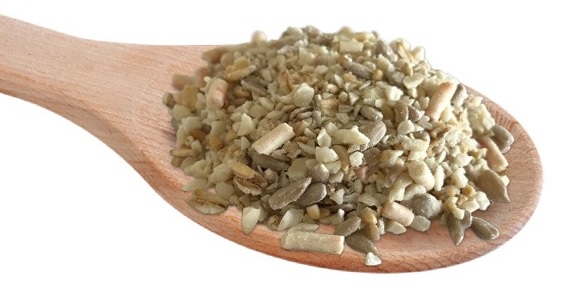
If you want to add some sunflower hearts to your bird feeding station, we’ve got some great options for you here at Really Wild Bird Food. We offer premium sunflower hearts, as well as sunflower heart chips for smaller birds and fledglings. Use the buttons below to shop healthy sunflower hearts for your garden birds.
Premium Sunflower Hearts   Sunflower Heart Chips
30 Oct 2024
where does bird seed come from
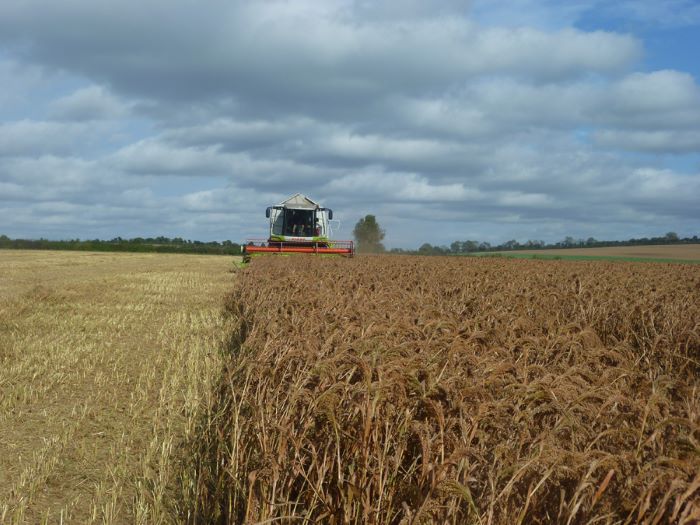
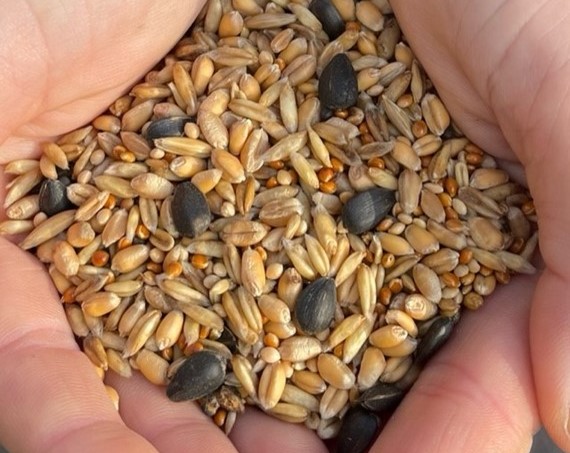
We all know that feeding the birds is a great way to attract them to your garden, but have you ever wondered where your bird seed comes from? This blog will explore the origins of this essential bird food and the journey it takes from our farm to your feeder.


16 Aug 2024
Bird seed

Short answer: bird seed typically stays fresh for 6 – 12 months when stored in a clean, airtight container. The exact shelf life will depend on what type of seed it is.

Let’s look at how long bird seed lasts in different conditions, what you can do to keep it fresh, and when it’s best to start over with a fresh batch.


How to store bird seed

The best way to maximise the shelf life of your bird seed is to decant the seeds into a suitable airtight container as soon as possible after opening them.

Bird food storage tins protect seeds in several ways:

  • Protection from the elements. Depending on where they’re stored, bags of bird feed may be vulnerable to rain and external contaminants, all of which can damage the feed and make it unsuitable for consumption.

  • A cool, dry environment. This is important because it keeps the seed from getting damp and mouldy, which can make the whole batch unsafe for birds to eat.

  • Defence against rodents and insects. If pests like rodents and insects gain access to your bird seed supply, not only will they eat the seeds, they may contaminate whatever is left behind. A sturdy storage container will help to keep them out!

Besides storing your bird food in a dedicated bird food tin, there are a few things you can do to keep your bird feed in tip-top condition while it awaits the feeder:

  • Keep the container out of reach of potential pests.

  • Stir the feed occasionally to prevent the seeds from becoming stagnant.

  • Use up the oldest seed first before adding fresh feed to the storage tin.


How long does bird seed last in the feeder?

How long seed will stay fresh in the feeder while waiting for some lucky bird to devour it depends on a number of factors. Rain and pests will speed up deterioration, and feed that’s damp should be replaced immediately to avoid mould growth.

However, assuming the weather’s fine and the food is inaccessible to rodents and insects, bird seed should last up to about a week in a feeder or on the bird table. After this point, any uneaten feed should be replaced with fresh seed mix.


How can you tell when bird seed has gone bad?

  • Obvious signs of spoilage (such as mould, damp, a musty smell or an unpleasant odour) mean it’s time to start again with fresh seed.

  • Discolouration may be a less obvious indication of spoilage, but this is another clue that the seed is past its best and should be replaced.

  • If the seeds are showing signs of germination (green growth or shoots are a sure sign they’ve started sprouting!) then they should be removed from the tin or feeder.

  • Any signs of insect activity (for example, any bugs, larvae or webbing amongst the seeds) indicate the feed is potentially dangerous for birds and should be replaced.

  • If the birds themselves show little interest in the feed, this may be a sign they don’t consider it up to snuff and it’s time to give them some fresh food.

  • Finally, it’s not just when food has obviously spoiled that it needs to be replaced. The older the seed, the less nutritional value it has. Seeds lose nutrients over time, so it becomes more like a filler food rather than the nutrient-dense feed you had in mind when you bought it. This shouldn’t be an issue as long as you’re using your bird feed within the recommended 6 – 12 month window.

Here at Really Wild Bird Food we have a variety of bird food storage solutions to suit your needs so you never have to worry about your seeds spoiling before your feathery friends can get their share!

We also offer free delivery on any order that includes at least one of our seed mixes, so don’t forget to pair your food storage tin with something tasty to put in it.

Bird Feed Storage   Bird Seed Mixes

09 Jan 2024
Christmas Crumble™ bird seed mix from Really Wild Bird Food