














What to Look for When Choosing Quality Bird Seed
Not all bird seed mixes are the same. When you're choosing food for the birds visiting your garden, it's worth taking a closer look at what's actually in the bag.
Check the ingredients
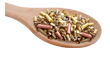
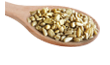
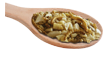
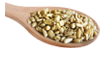
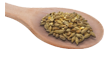
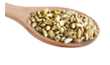
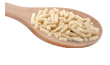
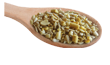
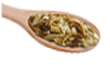
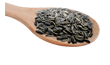
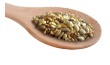
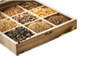
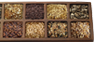
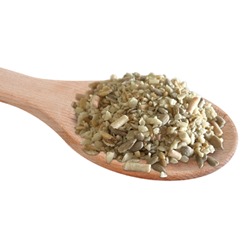
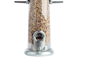
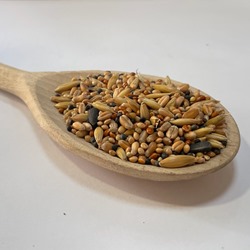
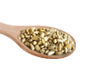
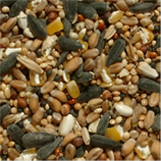
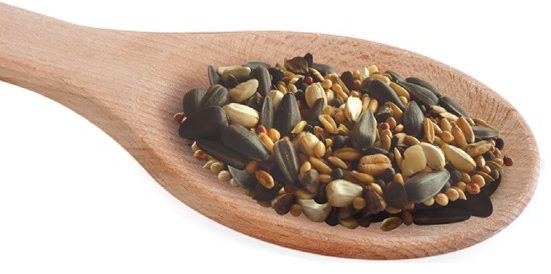
A good-quality bird seed mix should contain ingredients such as: black sunflower seeds, sunflower hearts, peanuts, peanut granules, oil seed rape and niger seed. which are all ingredients that birds will readily eat, rather than being made up largely of inexpensive fillers. If a mix contains a large amount of seed that your garden birds consistently leave behind, you may find yourself paying for food that ultimately goes to waste.
Choose seed suited to the birds in your garden
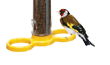
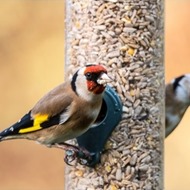
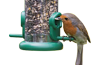
Different birds have different feeding preferences. For example, finches are particularly attracted to small seeds, while species such as tits enjoy sunflower seeds and other energy-rich foods. If you're hoping to attract a variety of garden birds, a mixed seed blend can be a good option. Alternatively, you can offer several different types of food in separate feeders.
Look for fresh, clean seed
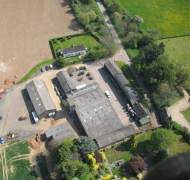
Quality bird food should look and smell fresh. Avoid seed that appears damp, mouldy, dusty or contaminated. Fresh seed is more appealing to birds and can help reduce waste. When buying locally, you can often speak directly to the supplier and ask questions about how the seed is sourced and stored. We grow many of the ingredients we use right here on our own farm which means your bird food can take a much shorter journey from field to feeder. Growing our own ingredients means we don't always have to rely on crops travelling long distances before they reach us. By keeping more of the process close to home, we can help reduce the transport involved in getting our ingredients from farm to finished product.
Consider the amount of filler
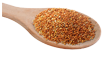
Some cheaper mixes contain ingredients that birds may be less interested in. These can include Red Dair, Split Peas, Lentils and Barley which are often imported too. While these can make a bag appear good value, unused seed can end up being pushed aside or left on the ground. A quality mix should provide a useful source of nutrition while minimising unnecessary waste.
How can you tell the difference between high and low quality bird seed mixes?
- High quality - a good percentage of nutritious and high-oil seeds, such as: black sunflower seeds, sunflower hearts, peanuts, peanut granules, oil seed rape and niger seed.
- Low quality - a high percentage of wheat and maize as a bulking agent, split peas, beans
- High quality – has very little dust present since seeds have been double cleaned for optimal cleanliness
- Low quality – there will often be obvious dust on the seeds and left in the bag and food like black sunflowers will have a high content of sticks and twigs which will block feeders.
Think about seasonal needs
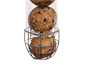
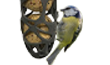
Birds' feeding habits can change throughout the year. In autumn and winter, energy-rich foods such as suet pellets, fat balls and high energy mixes can be particularly useful as birds need to maintain their energy levels through colder temperatures and longer nights. Consider choosing a mix that suits the time of year and the species visiting your garden.
Buy from a trusted local supplier
Buying bird seed from a specialist or trusted local supplier is one simple way to help the environment and can give you an opportunity to find out more about the products you're buying. A knowledgeable supplier should be able to explain what is in their mixes, which birds they are designed to attract and how best to use and store them. Buying locally isn't just about the journey your bird seed takes. It's also a way of supporting local farming and businesses. When you choose bird food produced by a local farm, more of your purchase stays within the local agricultural economy. You're helping support the people, land and businesses involved in growing and producing the food. There can be something reassuring about knowing the story behind the food you put in your garden, locally produced bird food can have a much clearer journey from crops grown on the farm, through harvesting and preparation, to the bag you take home.
When it comes to feeding garden birds, choosing quality food is a simple way to make your bird-feeding routine more worthwhile. A good seed mix can help reduce waste, attract a greater variety of birds and keep your feeders busy throughout the seasons.
For further guidance on what bird feeds are best for a particular time of year or for attracting a specific bird species, feel free to contact Really Wild Bird Food today. Our expert team (including a qualified vet!) will be more than happy to answer your questions and help you choose from all the different types of bird food we offer.