















Tag: feeding-advice


19 May 2026
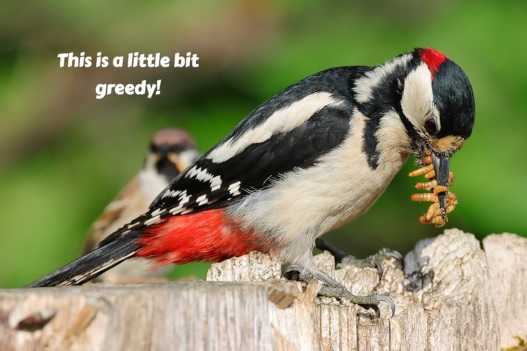
Bird eating live mealworms

This week, you can save 10% on live mealworms and wax worms! Enter the code MAGIC10 to activate this discount. Offer ends at midnight on 25th May.

This is a key time of year to be feeding live mealworms and wax worms. The last few weeks have been extremely cold (considering it is the month of May) and we have had really cold strong winds, rain and even hail stones! This inclement weather creates a challenging environment for adult garden birds to raise and feed chicks, and also look after themselves. We know that flying insect numbers have declined by a whopping 60% over the last 20 years in the UK, and one way to help garden birds out is to offer live mealworms or waxworms, particularly during the breeding season. Whilst they are not a perfect substitute, they are high in protein and water content – and of course they wriggle, which attracts garden birds to investigate. Blackbirds, house sparrows, starlings, robins, wagtails, wrens, long tail tits, coal tits, blue tits, great tits and woodpeckers will all be attracted to live mealworms, taking them off to feed hungry youngsters that are waiting in the nest or lurking under hedgerows in anticipation.

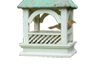
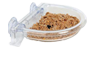
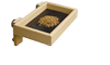
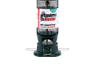
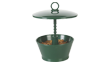
Live foods are very easy to offer. They should be placed in a container with upright sides (to stop them wriggling away). Here are some options which we have, ranging from window feeders to hanging feeders, to feeders for your flower bed, but as you can see from the photo below, we just use a relatively heavy ceramic kitchen bowl.

If you haven't fed live mealworms before, and would like more information, our Live Bird Food Tips are a great place to start.

This week, we are offering our customers a 10% discount on purchases of live mealworms and wax worms. So if you are swithering about trying them out, now is a good time to make the move!

Please enter code MAGIC10 at checkout to activate your 10% discount. Offer ends midnight on 25th May 2026.

Order Your Live Foods Here >>


Keeping your bird baths clean

Whilst communal bathing can be glorious, it can also leave a bit of a mess in the bath. If you have been keeping up with my previous newsletters about the importance of bird bath cleanliness to protect garden birds' health, I am sure you are redoubling your efforts to clean them daily and replenish with clean water. THANK YOU!

I thought I would share this top tip from a lovely customer who has it nailed! This is a big stone bird bath which is heavy and cumbersome to empty and clean. The top left photo shows the accumulated dirt from just ONE DAY! After scrubbing the stone, she placed a simple pot plant tray in the bird bath. It is light and easy to lift, clean and replenish. Happy days! I know which one I would prefer to drink from.

If you have any top tips for keeping bird baths clean, please do send them to me and I will pass on your ideas!


Great savings on hygiene bundles

Our Hygiene Hub has everything you need to keep your feeding stations and bird baths clean. These two bundles are currently on offer:

Bird Bath Hygiene Bundle

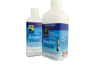
Save £3 on this bird bath hygiene kit, which includes Ark-Klens™ disinfectant, Vetark CitroSan sanitiser and a pair of cleaning brushes.

Buy Now >>


Bird Feeder Cleaning Kit

Save £2 on this bird feeder hygiene bundle, which includes two brushes, a scraper tool and a spray bottle of 3-in-1 disinfectant, cleanser and deodoriser.

Buy Now >>


Feeding seeds and peanuts at this time of year

Our home feeders are being emptied at a pace at the moment. Our garden birds are extremely hungry and we continue to offer them a range of feeds including seed, peanuts, fat and mealworms. Offering all the food types is important to support the variety of garden bird that visit us.

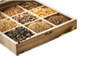
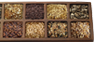
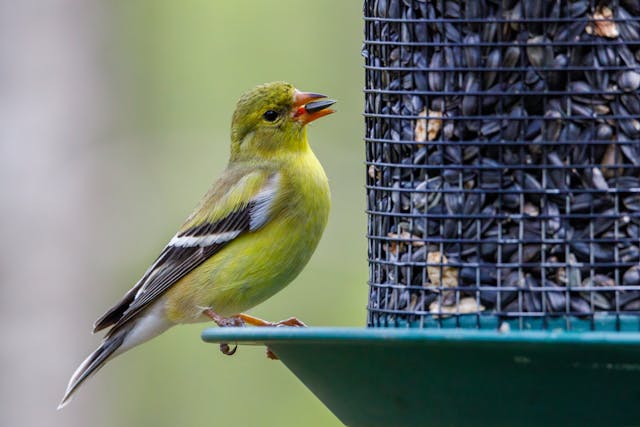
Finches, for example, are predominately seed eating birds. They have short, strong and thick beaks that are designed for cracking seed shells. Finches have varying beak sizes depending on the type of seeds they eat. Larger, stronger beaks are suited for cracking hard seeds, while smaller beaks work better for softer seeds such as black sunflowers. Our seed mixes contain a variety of homegrown seeds with different levels of 'hardness' to suit every preference. Feeding the adults will really help them and the ensuing survival of their chicks.

Finches pictured (clockwise from top left): greenfinch, bullfinch, goldfinch, chaffinch.

Our garden birds are plentiful, varied and healthy. We have a few house rules to ensure they stay that way:

  • We don't over-feed. Feeders must be completely empty before we refill; this encourages the birds to eat up any spilt seeds before they get a top-up!

  • We space our feeders widely around the garden. This reduces the number of birds gathered around a single feeder at any time.

  • We move our feeders weekly so that the grassy area under the feeder is clean.

  • We don't move feeders back to 'used' areas for at least 3 weeks. This eliminates the chance of infectious organisms surviving.

  • We clean all feeders weekly, and we keep spares so we have one to wash and one to hang. This lets the washed feeders dry completely before re-use.

  • We only use easy-clean feeders that can be dismantled easily. This makes life so much easier!

  • We stay vigilant and enjoy our birds!

If you follow our lead, you won't go far wrong.


Seed of the month

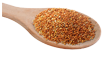
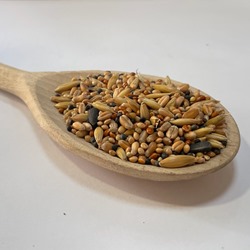
High Energy Fledgling Mix™ is our seed of the month for May. Order now and save 15% on the usual price!

Blended fresh on our farm every single day, each batch is carefully made to order for ultimate freshness, quality, and nutrition – so your garden birds get to enjoy seed at its very best.

Even better, it's a no-mess, no-grow mix so every bite gets eaten, with no waste left behind.

Stock Up & Save 15% Here >>


Nighttime visitors need nourishing

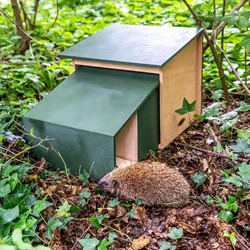
May is busy month for hedgehogs. After recovering from hibernation, they are on night-time wanders searching for a mate.

Support your local hedgehogs by supplying fresh water and nutritious food!

SPECIAL OFFER: Save 10% when you buy a 2kg bag of I Love Hedgehogs food!

Visit Our Hedgehog Hub >>


Well hopefully there is some warmer weather in store for us later on this week, which I am sure will be welcomed by most of us.

Enjoy your birds!

Best wishes,
Lesley

P.S. Don't forget to use your MAGIC10 discount code at the checkout!
19 Jun 2025
top 10 bird feeding mistakes


Feeding the birds is a fun and very rewarding activity, but it’s also an important responsibility. Providing bird food means that the health of your local wildlife is in your hands. Don’t worry though – you can help protect these birds by avoiding common bird feeding mistakes.

Below are the top 10 bird feeding mistakes that people tend to make when they start feeding the birds, as well as our expert advice on how to avoid them.

23 Apr 2025
Benefits of feeding birds

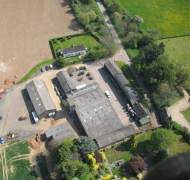
At Really Wild Bird Food, we’re no strangers to feeding birds. In fact, we’ve been providing Britain’s birds with nutritious and tasty meals since the nineties! On Street End Farm, just outside of Hampshire, we grow all sorts of healthy food for a variety of different garden birds.

Whether you’re looking to help out your local bird population or just enjoy a spot of bird watching, here are some of the key benefits you can reap by putting a bird feeder in your garden.


What are the benefits of feeding birds?

  1. Helping your local birds
  2. Protecting your garden from bugs and weeds
  3. Pollinating your flowers
  4. Watching the birds
  5. Keeping UK bird species off the endangered list


1. Helping your local birds

Your local birds may struggle to find sources of nourishment, especially if you live in a built-up area. Providing high-calorie foods for your local birds can be a literal lifesaver (especially during the winter months, when natural food sources are at their most scarce).


2. Protecting your garden from bugs and weeds

Birds are great for your garden! For one thing, they will sometimes eat seeds that would otherwise have grown into weeds. Draw birds to your garden with a feeder, and they might pick up a few extra snacks along the way. This prevents the weeds from growing and ruining your lovely flower beds. You might also attract birds that eat slugs, such as starlings, robins and blackbirds. This can be handy if those slimy so-and-sos have been treating your garden like an open buffet.

While birds may naturally flit through your garden on occasion, the best way to get them to eat your bugs and weeds is to properly invite them to your garden with a good meal.


3. Pollinating your flowers

For the most part, we associate pollination with bees. While protecting bees is still very important because they are great pollinators, there are also some birds who can pollinate flowers too. This is great, because pollination is super important for the flowers in your garden. It’s also crucial for food production!

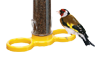
Birds pollinate flowers when they are trying to eat nectar. While the most well-known avian pollinator is probably the American hummingbird, there are UK birds that occasionally enjoy nectar too, like blue tits. You may see goldfinches burying their long beaks inside teasel flowers to get at seeds! When birds stick their beaks into a flower, pollen will get stuck along the beak. This can then be transferred to other flowers, pollinating them.

SEE ALSO: Planting Wildflowers in Your Garden


4. Watching the birds

There are good reasons why bird-watching is such a popular hobby: it’s relaxing, it’s entertaining, and it can help you feel closer to nature. Birdwatching can even help you to improve your mental wellbeing! Once you’ve set up a feeding station in your back garden, you can simply sit and enjoy the sight of the birds – or you can hone your ornithology skills by keeping a list of the different kinds of birds you see! People with restricted mobility can enjoy this accessible hobby from the comfort of their own home or garden.

This is one of the major benefits of feeding the birds. If you’ve never experienced the thrill of running to the window to spot an unusual bird in your garden, then you really should give it a try. 


5. Keeping UK bird species off the endangered list

While you might not see any immediate benefit from this on a personal level, this is possibly the most important point on this list. In the long run, preserving diversity in bird species is incredibly important for the ecosystem.

Birds help keep the population of small creatures they eat (like mice) from becoming a problem. Birds are also prey for a lot of wildlife. The loss of even one species of bird can have a significant impact on our entire ecosystem. By feeding your local birds – and putting up nest boxes to give them a safe place to rest – you can contribute to the preservation of bird populations.

SEE ALSO: Endangered UK Birds & How You Can Help Them


How to start feeding the birds

Interested in the above benefits of feeding birds? It’s really easy to turn these ideas into a reality. You can start feeding birds healthy and nutritious food with very little effort.

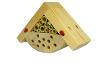
Firstly, pick out a bird feeder that suits your garden. We offer a great range for you to choose from, including both hanging feeders and bird tables. You might also consider putting up nesting boxes, which can offer your birds a place to shelter. It's also important to put out some clean water for birds to drink and clean with!

Once you’re ready to start shopping, simply click the button below to discover our huge range of bird seeds.

Shop Bird Food   More Bird Feeding Tips

31 Jul 2024
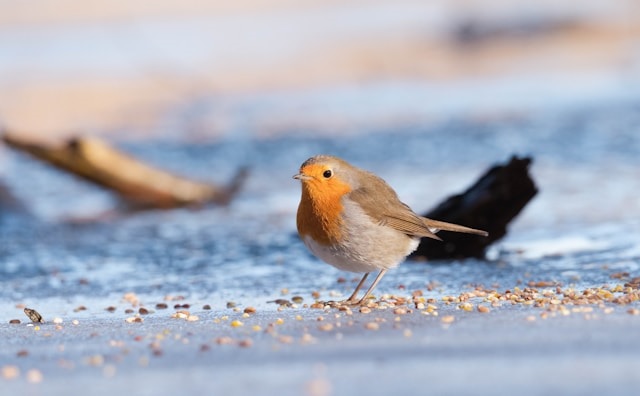
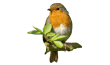
Robin looking for food

Voted Britain's favourite bird in 2015, taking over 34% of the vote and beating the barn owl (12%) into a distant second place, robins are a familiar sight across Great Britain and Ireland.

The round, red-breasted little birds are most often associated with Christmas, but they're actually present all year round across the islands. Robins can be found in woodland and farmland, and in both urban and suburban settings. Their musical song can be heard day and night (thanks to street lighting)—if you live in the UK, the distinctive sound will almost certainly be familiar to you, even if you never realised it belonged to the robin!

12 Feb 2021

03 Jun 2020
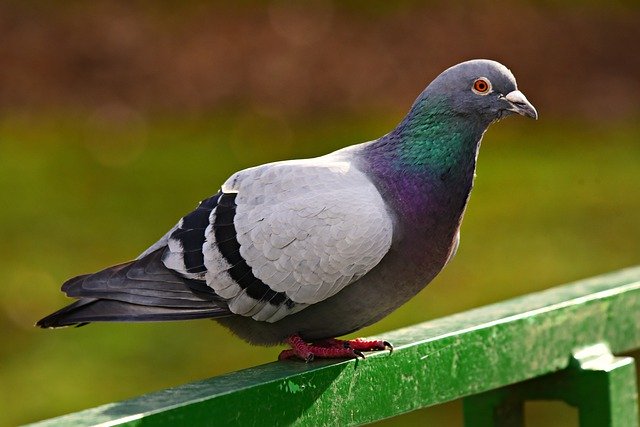
Pigeon

Pigeons are the bullies of many a back garden. They are significantly bigger than most garden birds, and they often use their size advantage to monopolise our seed feeders and hog all the food for themselves.

If you're tired of chasing pigeons away from your bird table, there are a number of steps you can take to deter them. Follow these helpful tips from the Really Wild Bird Food team...

01 Nov 2019
wet weather bird feeding

With the weather forecast looking wet, wet, WET for the foreseeable future, it's worth taking a look at our bird feeding practices to ensure we give our feathered friends a fighting chance as the season changes, the temperature drops and natural food sources diminish.

28 Jun 2019

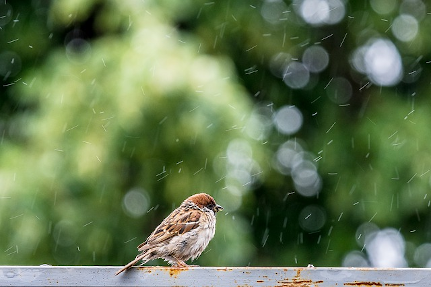
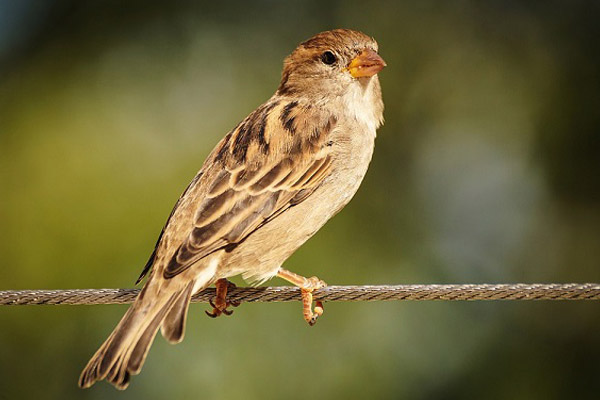
A much-loved garden-dweller across the globe, the songful sparrow is a welcome addition to any garden, providing a cheery sight and a wholesome ambience.

However, a decline in numbers has led to concern over the humble sparrow’s ability to survive in the UK. 

In fact, certain areas of the UK (such as Yorkshire and London) have seen the population of House Sparrows in particular drop by a staggering 70% between 1995 and 2017, according to the Breeding Bird Survey 2018.